




 Bird & Pigeon Pest Control
 MOUSE & RAT Pest Control
 Fly Pest Control
 Cockroach Pest Control
 Mosquito Pest Control
 Mole Pest Control
 Wasp Pest Control
 Moth Pest Control
 Bed Bug & Flea Pest Control
 Ant & Termites Pest Control
 Spider Pest Control
 Other Insect Pest Control
 Snake Pest Control
 Snail & Slug Pest Control
 Wildlife Pest Control
 Garden Products
 Virus Control
 Smart AI Trap
 Insecticides


Industry News
Commercial Fly Traps: A Complete Guide to UV Fly Killers, Glue Traps and Fruit Fly Traps
 By
2026-11-24
read

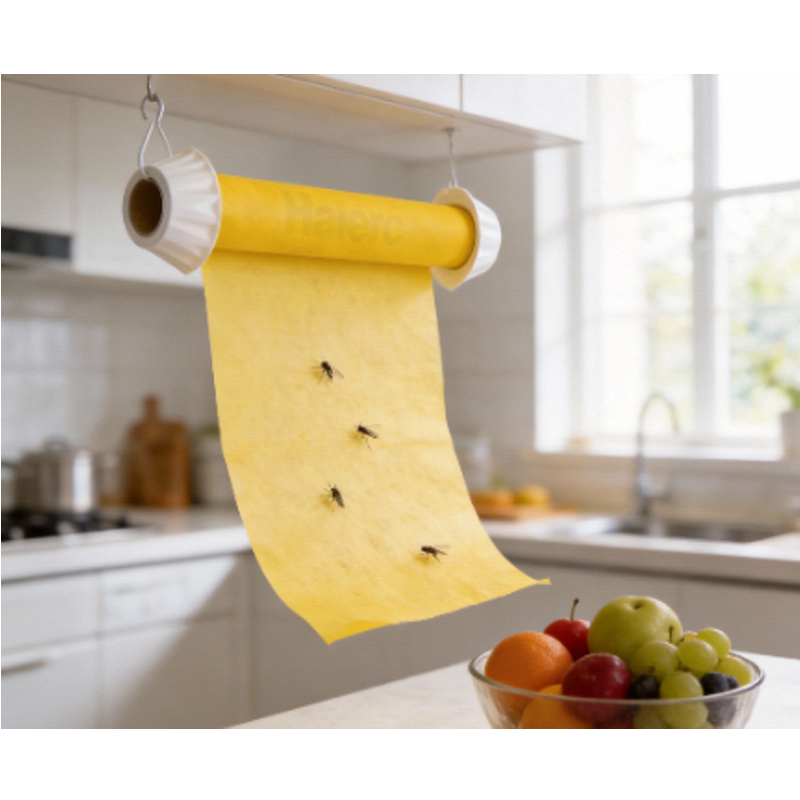
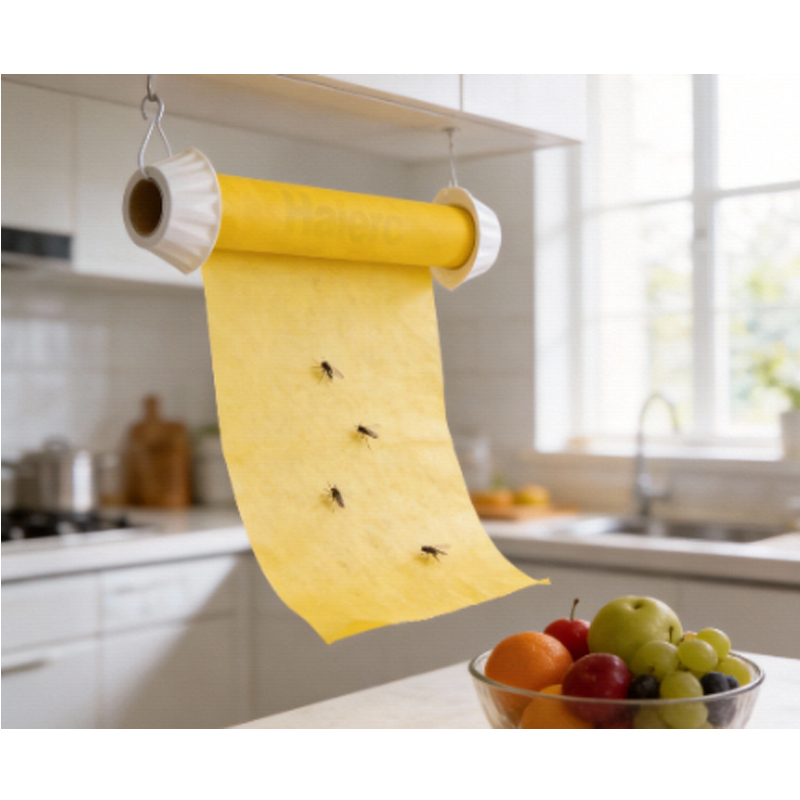
Maintaining hygienic environments in food processing facilities, commercial kitchens, and warehouses requires reliable insect suppression systems. Selecting the right commercial fly trap helps businesses protect sensitive inventory, pass client audits, and stop flying pests from contaminating prep surfaces.
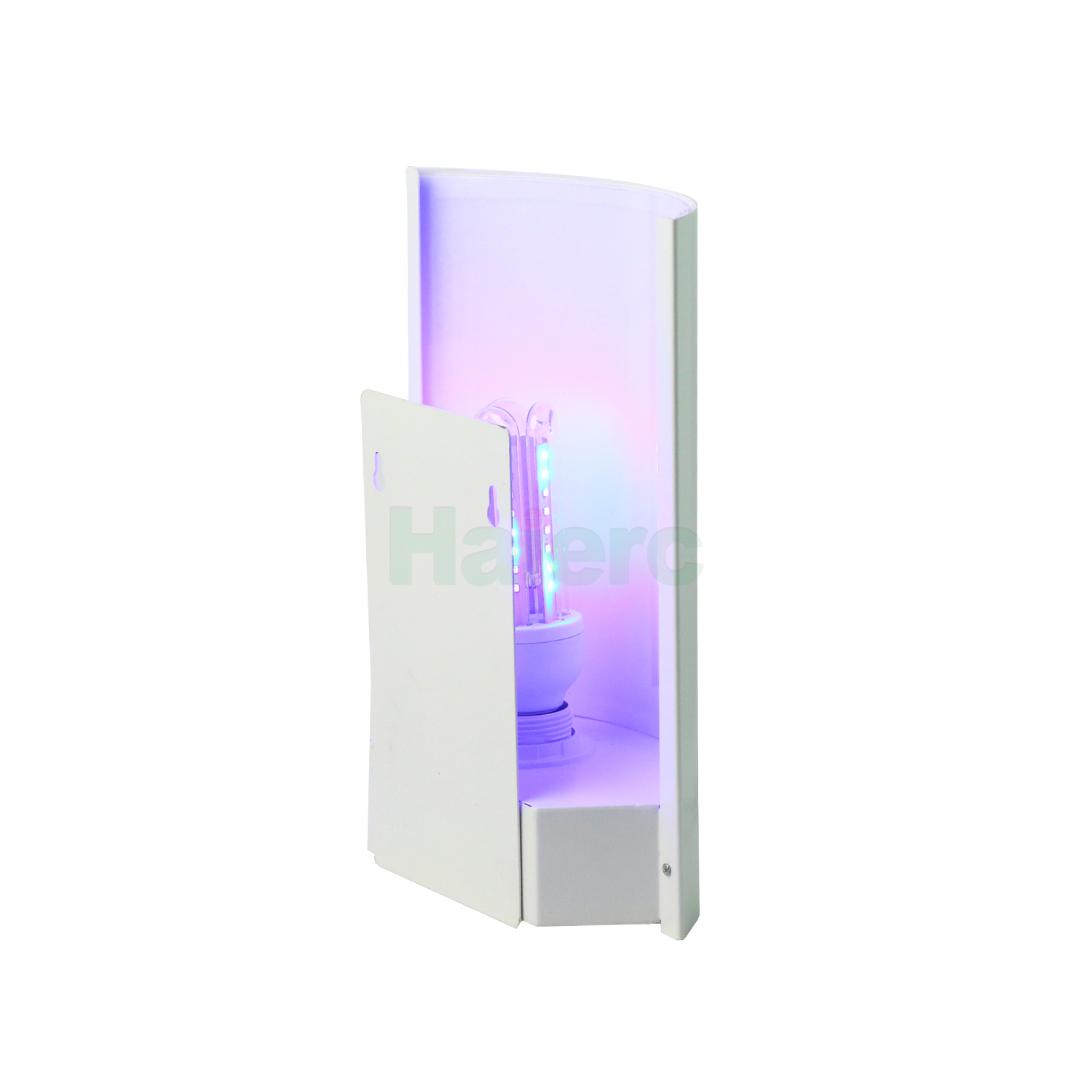
Different operational zones present distinct pest pressures, demanding hardware ranging from silent, stainless steel housing units like Flies/Insect Trap Lamp (HC5115) to paper and glue solutions like Fly Glue Trap (HC4101). Understanding how UV wavelengths, non-toxic lures, and glue retention methods operate ensures facilities deploy the most effective hardware combination across every critical entry point.
Why It Matters on Site
Uncontrolled flying insects compromise hygiene standards, contaminate open goods, and damage customer trust within seconds of entry. Installing dependable hardware like Flies/Insect Trap Lamp (HC5115) in receiving bays or kitchen prep zones captures pests before they reach dining tables or packaging lines, while targeted options such as Fly Glue Trap (HC4101) quietly protect high-risk perimeter pathways without disrupting daily operations.
What to Assess Before You Choose
Selecting the right hardware requires a clear evaluation of the operating environment, target insects, and day-to-day servicing workflow before installing any equipment.
Site Conditions
Air movement, ambient lighting, and room temperatures dictate capture rates and hardware placement. High airflows near drafty loading docks or HVAC returns can disperse pheromone lures and divert flying insects away from catching surfaces. Bright natural sunlight competing with ultraviolet light tubes reduces visual draw, making shaded indoor positions essential. For damp production floors or unconditioned outbuildings, units featuring a stainless steel housing, such as Flies/Insect Trap Lamp (HC5115), operate with silent operation and require reliable power access away from moisture and water spray.
Pest Pressure and Species
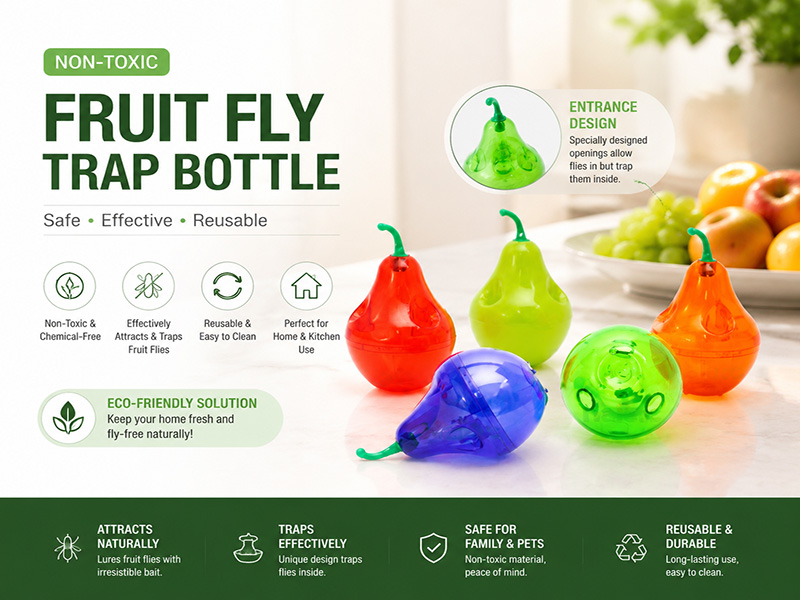
Hardware choice must align with the specific fly species present and the volume of activity. Small filth flies and fruit flies feeding on organic matter require specialized attractants, where adding Fruit Fly Trap Attraction Bait (HC4232) into Fruit Fly Traps provides a high effective, non-toxic and harmless option. Larger blowflies and houseflies migrating from exterior waste zones necessitate high-capacity interception zones, as low-capacity adhesive boards fill too rapidly during peak seasonal surges and risk secondary contamination.
Access and Maintenance
Equipment must remain accessible for routine servicing without disrupting facility operations or risking worker injury. Units mounted too high above processing machinery create ladder hazards and lead to deferred maintenance, allowing full boards or weak bulbs to linger. Adhesive surfaces require regular inspection schedules to prevent dust saturation in flour mills or woodworking zones, while collection trays need simple, tool-free access so technicians can clean catch basins quickly during off-peak hours.
Setup Step by Step
A systematic rollout ensures that every commercial fly trap delivers measurable pest reduction across sensitive operational zones.
Step 1: Survey the Site
Map the facility to identify insect pressure points, structural entryways, and internal attractants. Inspect loading docks, waste storage rooms, processing lines, and customer service counters. Note drafts from HVAC systems and exterior doorways, as air currents heavily influence insect flight corridors.
Step 2: Select the Hardware
Match the hardware to the specific zone dynamics and target species. High-activity utility areas and waste bays benefit from outdoor capture tools like the Haierc Flies Trap Bag (HC4215S), while dry packaging rooms and quiet transit corridors require adhesive boards such as the Fly Glue Trap (HC4101).
Step 3: Install and Position
Mount hardware away from competing light sources such as exterior windows or high-output overhead fixtures. Position interior units along intercept paths between entry doors and food prep zones, keeping capture surfaces outside the direct line of sight from public entrances and away from direct airflow.
Step 4: Inspect and Record
Establish a regular service cadence to review catch rates and identify emerging pest trends. Service technicians must document counts, check adhesive integrity, and confirm that bulbs remain operational, shifting unit locations if flight paths change with seasonal production shifts.
Common Mistakes to Avoid
Mounting units directly over open food preparation surfaces: Installing light-based hardware or adhesive boards directly above prep tables risks contamination from captured insects or falling debris. Place hardware away from critical food handling zones while maintaining an intercepting flight path.
Positioning hardware directly opposite exterior doors or windows: Aligning UV sources with natural sunlight draws outdoor pests inside rather than capturing those already present. Position hardware perpendicular to entry points to intercept pests after entry without competing against outdoor light.
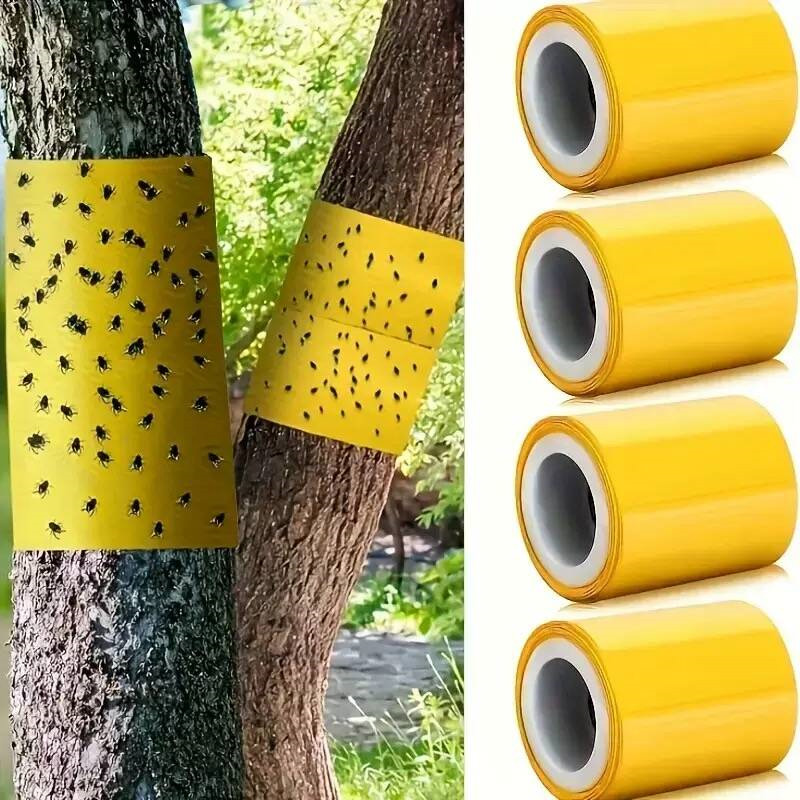
Neglecting scheduled board replacements: Leaving saturated capture surfaces unserviced prevents further insect retention. Using paper and glue options like Fly Glue Trap (HC4101) requires setting strict rotation routines before dust and trapped insects degrade the adhesive face.
Overlooking fruit fly breeding sources: Relying exclusively on indoor light units fails against small nuisance pests breeding in floor drains and fruit storage. Integrating specialized liquid lures such as Fruit Fly Trap Attraction Bait (HC4232) inside dedicated monitoring units is necessary to manage these localized infestations.
Frequently Asked Questions
Addressing routine maintenance, integration, and procurement details ensures smooth deployment across commercial facilities.
Q: How often should the setup be inspected?
Weekly inspections work best for high-traffic zones, allowing technicians to assess glue saturation and catch rates before surfaces fill. High-debris processing floors may require checks twice a week to maintain peak insect capture efficiency. Replacing full boards like Fly Glue Trap (HC4101) promptly ensures uninterrupted control.
Q: What should buyers check before ordering in bulk?
Procurement teams need to verify facility voltage compatibility, mounting configurations, and replacement consumable availability for each target area. Assessing the square footage and specific pest pressure of receiving bays or food preparation rooms ensures correct coverage. Confirming the physical footprint of models such as Flies/Insect Trap Lamp (HC5115) prevents installation bottlenecks in tight operational spaces.
About FliesTrap by Haierc
FliesTrap is the fly and hygiene-insect brand of Haierc PCO, a Tianjin manufacturer with 18+ years of pest-control hardware experience and 1000+ items in production. Haierc holds ISO9001; products are offered to CE, REACH and RoHS requirements where applicable; the factory is BSCI and SEDEX audited. Commercial terms: MOQ from 100 pcs; OEM / private label from 500 pcs. Contact: info@haierc.com | +86 18602234188 | https://www.fliestrap.com
- Share this:

-



Category
Trending Now