


 Bird & Pigeon Pest Control
 MOUSE & RAT Pest Control
 Fly Pest Control
 Cockroach Pest Control
 Mosquito Pest Control
 Mole Pest Control
 Wasp Pest Control
 Moth Pest Control
 Bed Bug & Flea Pest Control
 Ant & Termites Pest Control
 Spider Pest Control
 Other Insect Pest Control
 Snake Pest Control
 Snail & Slug Pest Control
 Wildlife Pest Control
 Garden Products
 Virus Control
 Smart AI Trap
 Insecticides


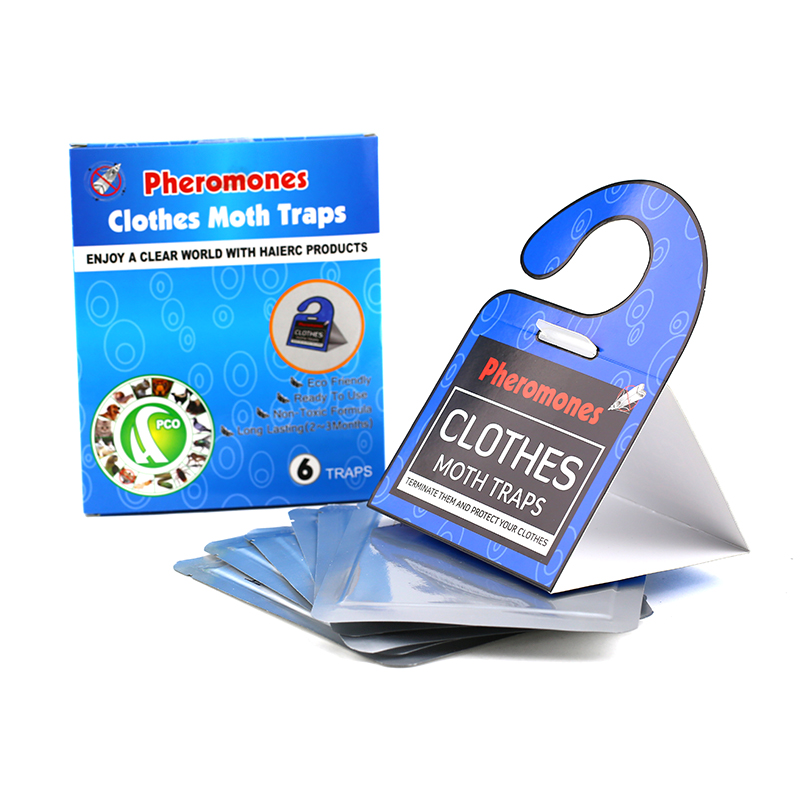
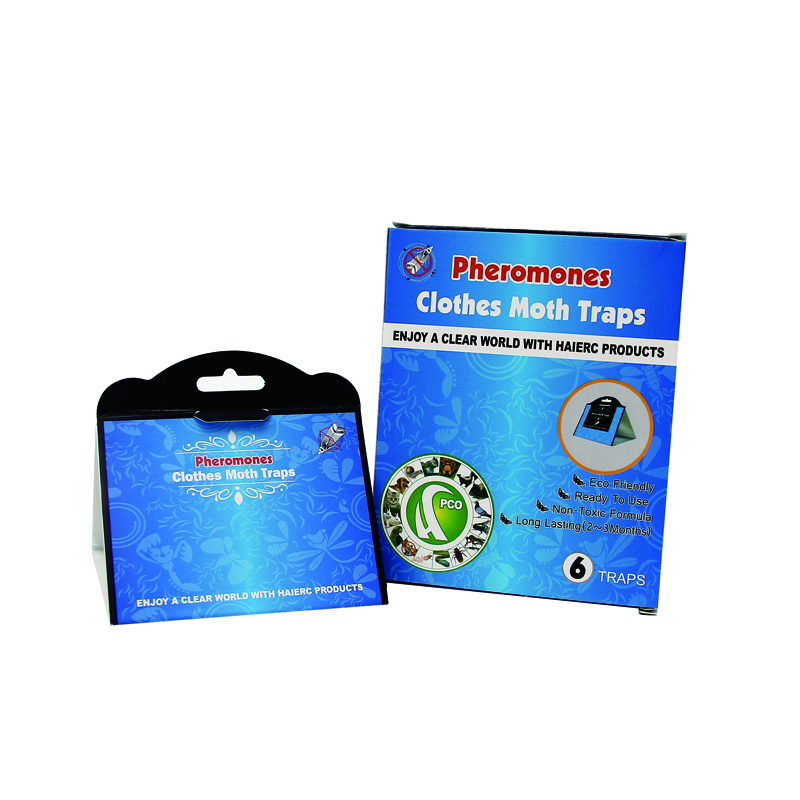
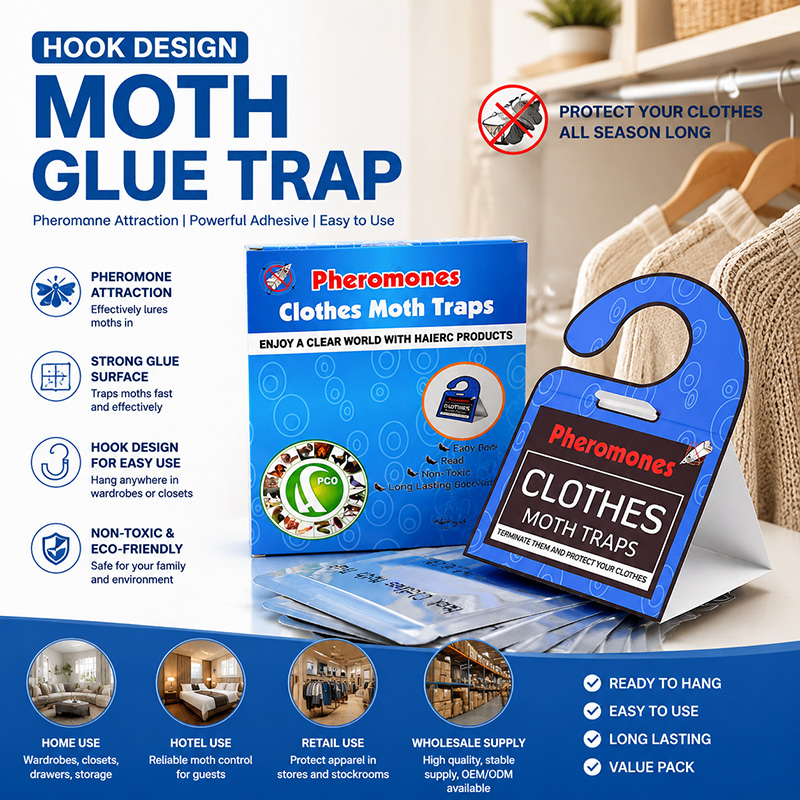
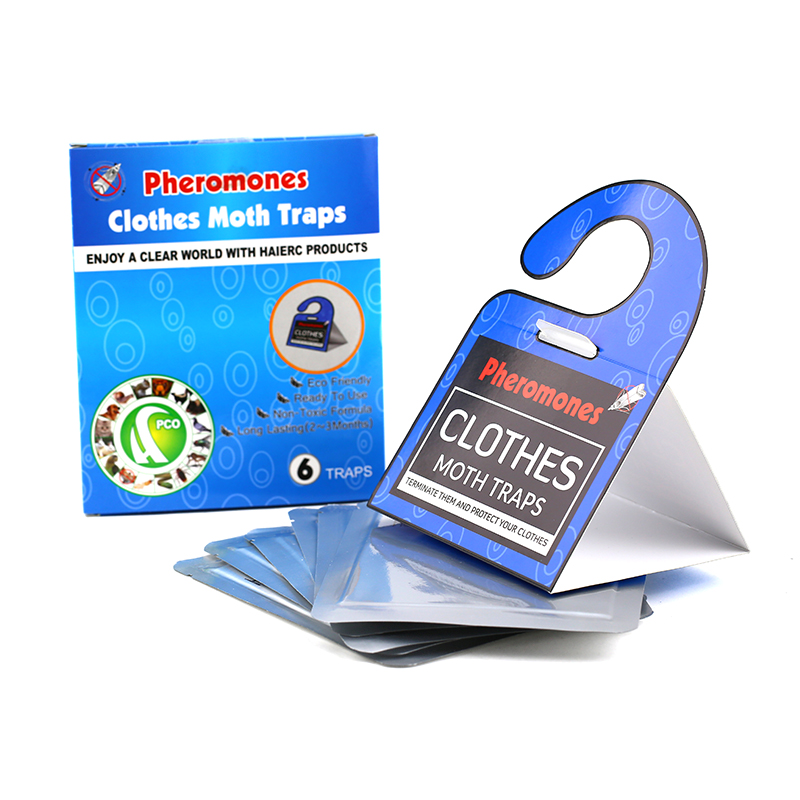
Early detection requires monitoring secluded shelving, dark corners, and hanging garments where larvae feed unnoticed. Integrating monitoring hardware such as Cloth Moth Trap (HC4302) or hanging options like Hook Type Cloth Moth Trap (HC4303) provides the physical evidence needed to identify active populations before extensive infestation spreads throughout the facility.
Why This Checklist Matters for Property Storage Rooms
Property storage rooms present ideal harborages for textile pests due to minimal foot traffic, subdued lighting, and stockpiles of vulnerable inventory such as seasonal uniforms, linens, and soft furnishings. Left unmonitored, clothes moth larvae feed unseen on keratin-rich textiles, causing structural fiber damage that remains hidden until stock is retrieved. Routine evaluations paired with targeted monitoring tools, such as Hook Type Cloth Moth Trap (HC4303) in wardrobe racks or Cloth Moth Trap (HC4302) on static shelving units, allow facility managers to detect early activity before infestations spread across adjoining warehouse zones.
Before You Start
A structured preliminary walkthrough ensures storage areas are systematically surveyed without disturbing resting adults or contaminating stored textiles.
Tools and Records
Gather high-lumen inspection torches, fine-tip forceps, specimen vials, and magnifying hand lenses before entering the unit. Review past facility service logs to locate previous hotspots, and carry monitoring hardware such as Cloth Moth Trap (HC4302) to establish capture points in suspected areas.
Access and Safety
Ensure unhindered physical clearance around garment racks, shelving bays, and packed inventory crates. Check for overhead leaks, damp spots, and poor ventilation before moving deep into long-term warehousing bays, taking care when shifting stacked cardboard or natural-fiber boxes to avoid dispersing hidden larvae.
Baseline Pest Pressure
Determine the facility history regarding seasonal adult activity, larval frass findings, and textile turnover rates. Stored woolens, taxidermy, or vintage upholstery left undisturbed for extended cycles represent the primary high-risk zones that require immediate, focused surveillance.
The Clothes Moth Inspection Checklist
Implementing a routine assessment protocol ensures facility teams catch infestations early, keeping tenants' property protected and structural voids clear.
Step 1: Walk the Area
Begin with the perimeter, checking hallways, overhead lighting fixtures, and dark corners near baseboards. Look for stray adults flying near low-light zones or dead insects collected along doorway thresholds, using the standard clothes moth inspection checklist for storage rooms to guide the route.
Step 2: Inspect Each Unit
Open accessible tenant units and check wool rugs, upholstered furniture, and stored textiles. Examine seams, folds, and cardboard corners for larval webbing, silken feeding tubes, and characteristic surface grazing, focusing heavily on undisturbed bottom shelves.
Step 3: Replace Consumables
Check glue boards and pheromone monitoring units deployed across the facility. Take down saturated or dusty hardware and install fresh Cloth Moth Trap (HC4302) units in shelf corners, ensuring catch surfaces remain active and unobstructed by settled debris.
Step 4: Record Findings
Log all trap counts and visual sightings by specific unit number and aisle position. Note the presence of active larvae, pupal cases, or flying adults on the site ledger to establish which lockers require immediate vacuuming or tenant notification.
Step 5: Review Trends Monthly
Compare trap catch counts across the entire building every four weeks to identify active hot spots. Where counts consistently rise along shared corridor walls, deploy targeted Hook Type Cloth Moth Trap (HC4303) units along pipe chases to isolate the source unit before moths disperse into neighboring lockers.
Common Mistakes to Avoid
Overlooking dark corners and low-airflow dead zones: Larvae target undisturbed areas beneath shelving and behind stacked containers, making surface-level visual checks insufficient.
Failing to monitor vulnerable textiles continuously: Infestations often develop between scheduled facility checks, so relying solely on manual walk-throughs allows populations to spread undetected; deploying monitoring hardware like Cloth Moth Trap (HC4302) helps catch adult activity early.
Ignoring elevated hanging storage: Wool blends and uniforms hung on perimeter racks require targeted upper-level surveillance, which can be maintained by suspending Hook Type Cloth Moth Trap (HC4303) directly among the garments.
Inspecting only clean items: Soiled fabrics containing body oils, pet dander, or food residues dramatically accelerate larval feeding, yet inspectors frequently bypass lightly soiled goods staged for cleaning.
Frequently Asked Questions
Property managers and warehouse supervisors often resolve operational uncertainties using the clothes moth inspection checklist for storage rooms to maintain consistent pest monitoring standards.
Q: How often should this checklist run?
Storage facilities should execute this protocol monthly under normal conditions, shifting to bi-weekly reviews during peak spring and summer flight windows. Facilities handling high-turnover fabrics or seasonal staging items benefit from running checks every seven to ten days. Consistent review cycles prevent localized larval activity from spreading across adjacent racking bays.
Q: Which records help during a pest audit?
Auditors look for dated trap service logs, unit replacement schedules, and catch counts mapped to specific room sectors. Maintaining visual floor maps alongside written notes of observed fabric conditions provides verifiable proof of ongoing pest surveillance. These chronological documents show clear evidence of early intervention and continuous monitoring diligence.
Q: What should buyers check before ordering monitoring hardware in bulk?
Bulk purchasers need to verify hook dimensions and lure longevity to ensure compatibility with their existing storage shelving. Selecting versatile items like Hook Type Cloth Moth Trap (HC4303) simplifies hanging placements across rolling garment racks, while options such as Pantry&Clothes 2 In 1 Moth Trap (HC4304) serve multi-use staging bays. Confirming packaging seal integrity also ensures the paper and glue traps remain effective throughout long-term inventory storage.
About FliesTrap by Haierc
FliesTrap is the fly and hygiene-insect brand of Haierc PCO, a Tianjin manufacturer with 18+ years of pest-control hardware experience and 1000+ items in production. Haierc holds ISO9001; products are offered to CE, REACH and RoHS requirements where applicable; the factory is BSCI and SEDEX audited. Commercial terms: MOQ from 100 pcs; OEM / private label from 500 pcs. Contact: info@haierc.com | +86 18602234188 | https://www.fliestrap.com
- Share this:

-


Category
Trending Now