


 Bird & Pigeon Pest Control
 MOUSE & RAT Pest Control
 Fly Pest Control
 Cockroach Pest Control
 Mosquito Pest Control
 Mole Pest Control
 Wasp Pest Control
 Moth Pest Control
 Bed Bug & Flea Pest Control
 Ant & Termites Pest Control
 Spider Pest Control
 Other Insect Pest Control
 Snake Pest Control
 Snail & Slug Pest Control
 Wildlife Pest Control
 Garden Products
 Virus Control
 Smart AI Trap
 Insecticides


Industry News
Why cockroaches return in apartment service ducts after one treatment
 By
2026-10-22
read

Introduction — Scenario Pain Point
A tenant calls management about roaches behind the bathroom vanity three weeks after an exterminator sprayed baseboards. The technician treated the kitchen floor, checked under the sink, and marked the work order complete. Yet the infestation persists. Pipe penetrations create unmonitored highways inside multi-story complexes. German cockroaches (Blattella germanica) thrive in these concealed environments because utility shafts supply warm air, condensing pipes, and direct routes between adjacent living units. A single chemical barrier on an exposed floorboard leaves the nesting core untouched. When residual deposits degrade, nymphs and foraging adults migrate straight back into living areas. Solving recurring infestations requires an integrated physical monitoring framework inside access panels, plumbing chases, and drop ceilings.
Why cockroach apartment rebound in Utility Chases
Service ducts offer three components pests require: heat, water, and structural shelter. Hot water supply lines keep mechanical chases warm through winter months. Leaky valves or uninsulated cold water risers provide condensation pools. Because these enclosed vertical cavities run through entire multi-story complexes, they act as protected transit lines between apartments.
Pesticide applications frequently trigger dispersal rather than complete colony eradication. When synthetic pyrethroids hit baseboards, roaches detect the irritant and retreat into wall voids. There, populations feed on organic dust, cast skins, and grease trapped around exhaust ducts. Residual chemical films degrade quickly in warm, humid duct spaces. Within 21 to 28 days, egg cases (oothecae) deposited deep inside structural gaps hatch without contacting treated surfaces.
Are maintenance teams checking the right access points? Usually not. Routine pest control visits rarely inspect plumbing access hatches or mechanical chase voids. Without continuous capture monitoring, an unnoticed population breeds inside wall cavities until population pressure forces foraging nymphs through electrical faceplates and plumbing collars. By the time tenants spot insects crawling across kitchen counters, hundreds of individuals are already established behind drywall. This ongoing movement between apartments makes localized spot treatments ineffective without physical mechanical traps placed inside the actual utility pathways.
Step-by-Step Practical Inspection and Monitoring Protocol
Breaking the cycle of recurring infestations in multi-unit service chases demands structured, repeatable execution. Field technicians must systematically inspect and isolate utility junctions.
Access and Inspect Mechanical Risers
Shut down power to nearby circuits before opening plumbing access panels behind bathtubs, sinks, and utility closets. Inspect pipe penetrations with a high-lumen inspection flashlight. Look for dark fecal spotting, discarded egg cases, and shed nymphal skins around pipe gaskets and framing timbers.
Deploy Baseline Glue Trap Monitors
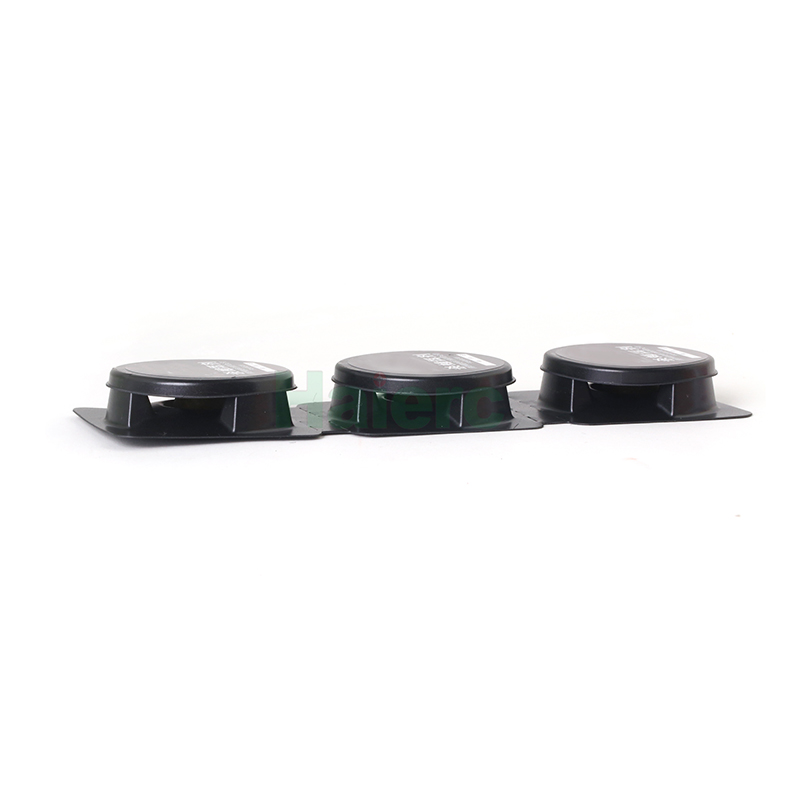
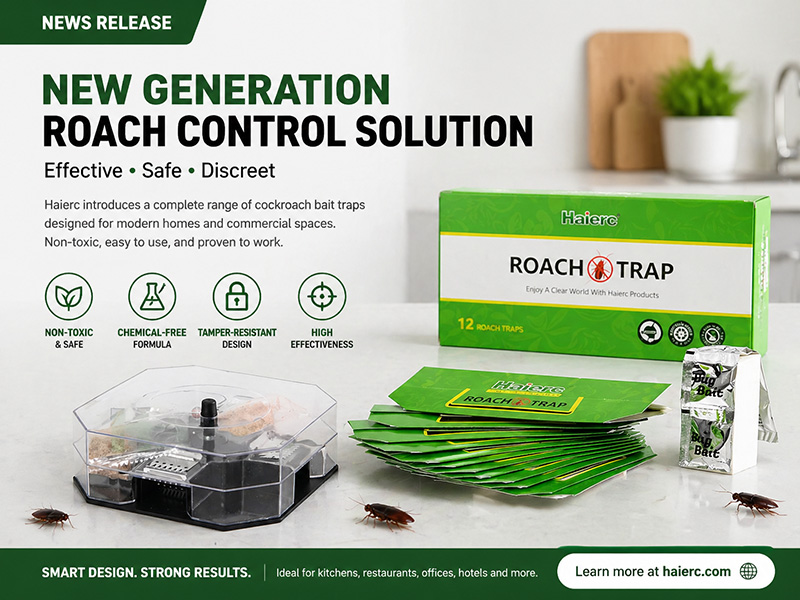
Place folding physical glue boards directly along the base plate of the wall void. Position monitors flush against structural studs and horizontal pipes where crawling insects travel. Using a standard sticky board creates an immediate record of pest pressure. Deploy the Cockroach/Roach Glue Trap (HC4109) inside dry access voids or beneath bathroom utility cabinets to catch foraging nymphs.
Secure Wet Pipe Intersections
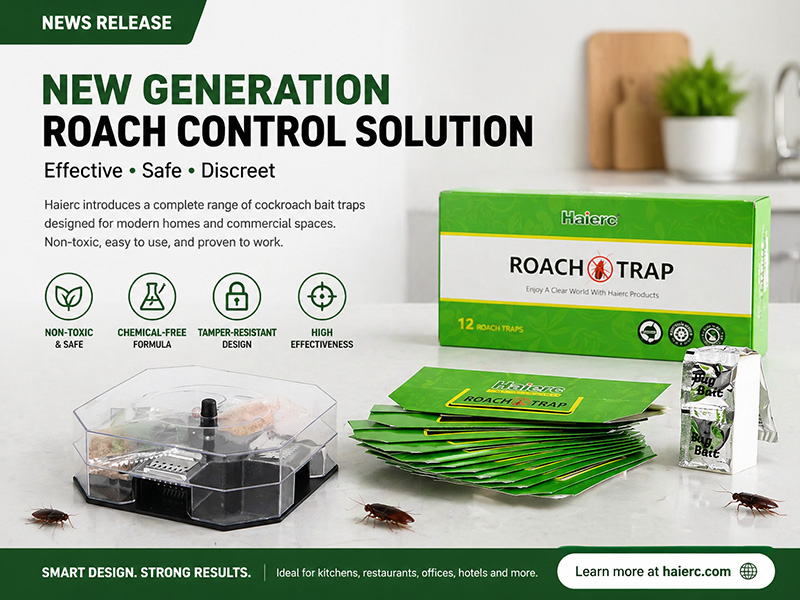
High-condensation pipe chases can soften plain cardboard over extended periods. In areas subject to active pipe sweating or basement utility vaults, position rigid monitors like the Cockroach/Roach Trap (HC4115). Keep the entry points aligned parallel to plumbing lines so insects navigating pipe walls walk straight into the adhesive zone.
Audit and Seal Structural Breaches
Check every pipe collar. Expanding foam alone won't stop persistent chewing pests; back expansion holes with solid backing before sealing edges. Caulk around escutcheon plates on plumbing lines that exit walls into kitchens and bathrooms. Glue traps placed right next to these sealed collars will instantly verify whether roaches are still penetrating the barrier.
Establish a 14-Day Service and Replacement Cycle
Check deployed traps every two weeks during active remediation. Count captured nymphs versus adult roaches to evaluate population age. High numbers of early-instar nymphs indicate an active breeding site within that specific section of the chase. Replace saturated units immediately. If a board fills within 48 hours, place secondary monitors in adjacent units sharing that common plumbing wall.
Product Selection for Mechanical Chases and Service Ducts
Choosing proper monitoring hardware depends heavily on moisture exposure, available clearance, and clearance stability inside structural voids.
| Specification | Cockroach/Roach Glue Trap (HC4109) | Cockroach/Roach Trap (HC4115) |
|---|---|---|
| Housing Material | Paper+Glue | PP+ABS |
| Adhesive Type | non-toxic glue | non-toxic glue |
| Adhesion Quality | high adhesion | high adhesion |
| Target Application | Dry access panels, sub-cabinet chases | Humid utility vaults, vertical chases |
| Alternative Utility Extra | Cockroach/Roach Glue Trap (HC4112) | Cockroach/Roach Glue Trap (HC4112) |
Paper-based folded traps fit flat against framing studs inside dry wall chases. The Cockroach/Roach Glue Trap (HC4109) provides a slim profile that slides beneath ductwork where clearance is limited to fractions of an inch. Its non-toxic glue provides high adhesion to retain larger adults as well as newly emerged nymphs.
For environments prone to pipe leaks, drain splashback, or commercial laundry chases, plastic shells protect adhesive fields from moisture degradation. The Cockroach/Roach Trap (HC4115) uses a rigid PP+ABS casing that maintains structural integrity in damp, confined areas. For supplemental coverage along narrow baseplates, technicians also deploy the Cockroach/Roach Glue Trap (HC4112). Using specialized physical monitors instead of toxic sprays protects indoor air quality while delivering continuous verification data. The most frequent error is spraying liquid residual insecticide directly into pipe chases. Liquid aerosols can repel roaches, scattering them laterally into adjoining apartments through electrical conduits. Roaches avoid treated surfaces, finding alternate unmapped paths through floor joists.
Another mistake involves placing glue boards in the dead center of open voids. Crawling insects display strong thigmotaxis. They move along vertical framing edges, pipe surfaces, and base plates. Placing a trap in the open center of an access compartment catches very few insects, yielding false-negative monitoring reports. Always set traps flush against framing members or directly beneath pipe hangars.
Technicians also fail when they leave full traps in place. Dust, hair, and insect carcasses coat adhesive layers, creating bridges that live roaches walk across safely. Replace monitors regularly to preserve capture efficiency. Finally, never treat plumbing voids as isolated dead zones. A utility shaft connects multiple floors. Repellent sprays in the kitchen push insects into untreated bathroom chases, where they find moisture around drains and toilets.
Q: How do glue boards identify the source of an apartment roach infestation?
A: Directional placement reveals travel paths. Trapping early-stage nymphs indicates active breeding nearby, while capturing only adult insects usually points to foraging travelers migrating from adjacent units through utility penetrations.
Q: Can Cockroach/Roach Glue Trap (HC4109) be placed directly inside drop ceilings?
A: Yes. The compact folded profile of Cockroach/Roach Glue Trap (HC4109) allows placement along suspended ceiling grids and wire runs near vertical plumbing shafts to capture insects before they drop into living spaces.
Q: How often should monitoring traps be checked inside locked maintenance chases?
A: Check traps every 14 days during an active infestation. Utility corridors and service ducts connect entire buildings, turning hidden wall cavities into pest highways if left unchecked. By inspecting plumbing penetrations, sealing structural gaps around pipe sleeves, and maintaining a strict grid of non-toxic glue monitors, property managers stop the migration cycle before it reaches residential units. Inspect mechanical chases regularly, replace full boards promptly, and track capture counts across all connected floors.
For technical data sheets, structural deployment specifications, or catalog details on commercial pest hardware, contact the FliesTrap team at info@haierc.com or visit https://www.fliestrap.com. Proprietary designs are available on selected items, supported by free custom design and product upgrades. Commercial inquiries: info@haierc.com | +86 18602234188.
About FliesTrap by Haierc
FliesTrap is the fly and hygiene-insect brand of Haierc PCO, a Tianjin manufacturer with 18+ years of pest-control hardware experience and 1000+ items in production. Haierc holds ISO9001; products are offered to CE, REACH and RoHS requirements where applicable; the factory is BSCI and SEDEX audited. Commercial terms: MOQ from 100 pcs; OEM / private label from 500 pcs. Contact: info@haierc.com | +86 18602234188 | https://www.fliestrap.com
- Share this:

-


Category
Trending Now