




 Bird & Pigeon Pest Control
 MOUSE & RAT Pest Control
 Fly Pest Control
 Cockroach Pest Control
 Mosquito Pest Control
 Mole Pest Control
 Wasp Pest Control
 Moth Pest Control
 Bed Bug & Flea Pest Control
 Ant & Termites Pest Control
 Spider Pest Control
 Other Insect Pest Control
 Snake Pest Control
 Snail & Slug Pest Control
 Wildlife Pest Control
 Garden Products
 Virus Control
 Smart AI Trap
 Insecticides


Industry News
How to set cockroach glue-board grids in commercial kitchens | FliesTrap
 By
2026-10-17
read
By
2026-10-17
read

Introduction — Scenario Pain Point
Night inspections in a busy food facility often expose harsh truths. German cockroaches love these micro-environments because heat compressors, moisture lines, and organic grease collect there continuously.
Deploying a cockroach glue board kitchen layout gives operators the hard data needed to address hidden harborage sites before health inspectors find them. Without continuous passive detection, small populations multiply unnoticed inside motor housings, electrical conduits, and hollow equipment legs.
Catch rates provide clear operational evidence. They show where nymphs feed, where adults forage, and which prep lines harbor active harborage points. Passive monitoring devices don't replace sanitation, but they strip away the guesswork.
Root Cause: Why Commercial Kitchens Harbor Cockroach Hotspots
Why do commercial kitchens suffer recurring infestations even after heavy wipe-downs? Food preparation lines generate dense clusters of biological necessities within small footprints. Heat from refrigeration compressors creates pockets between 80°F and 90°F, which accelerates insect metabolism and egg incubation. Grout lines deteriorate over time, creating tight voids underneath quarry tile floors. A female carrying an ootheca hides inside equipment voids until nymphs hatch, yielding dozens of juveniles. When pest technicians find clusters of early-instar nymphs on a single monitor, it indicates local breeding within a few feet rather than wandering adults entering from loading bays.
Kitchen layouts also change during busy shifts. Temporary boxes, soiled towel bins, and floor mats provide secondary shelter pathways that let insects move between cooking lines and storage racks undetected.
High-volume kitchens introduce pests from incoming produce crates and corrugated cardboard packaging. Corrugated flutes serve as ideal transit shelters for nymphs hitching rides from wholesale suppliers. Unless receiving docks maintain dedicated sticky traps, imported pests shift straight to hot cooking lines.
How to Deploy a Grid
Setting up an inspection grid requires deliberate positioning along structural perimeters. Cockroaches are thigmotactic, meaning they maintain bodily contact with vertical edges as they forage. Setting monitors in open walkways catches almost nothing and ruins the trap with foot traffic.
WALL SURFACE
[Glue Trap Flush]
FLOOR TILE
(Keep trap flat against wall baseboard)
Follow these field steps to build a functional monitoring grid:
Step 1: Mapping the Facility Perimeter
Map the room layout and mark every high-risk appliance before unboxing hardware. Divide the kitchen into distinct monitoring zones: warewashing, hot cooking line, cold prep, dry storage, and chemical closets. Assign sequential numbers to each monitoring location on your floor plan sheet so trap counts remain consistent week after week.
Step 2: Selecting Trap Locations Along Transit Lines
Place traps flat against vertical surfaces where floors meet walls, or along the internal framework of stainless prep tables. Keep units flush against baseboards, behind casters, and inside motor access panels away from standing water.
Step 3: Folding and Securing Trap Geometry
Fold the cardstock traps into their covered tent profiles. The enclosed triangular or rectangular design shields the adhesive surface from airborne grease, flour dust, and stray wash water.
Remove the release paper in one fluid pull to keep the glue layer uniform. If the unit includes an integrated mechanical hanger or an adhesive mounting tab on the base, affix it firmly so heavy grease exhaust or vibrations from nearby compressor motors won't shift it.
Step 4: Establishing Inspection and Logging Schedules
Review every trap on a fixed cadence, checking devices weekly during active infestations and bi-weekly during stable maintenance periods. Note the specific life stages caught on each board.
Count adults and nymphs separately. A high ratio of nymphs indicates that harborage points sit right beside that specific trap.
Log the counts directly on the outer shell of the trap housing and transfer the totals to your master facility pest logbook.
Step 5: Setting Thresholds and Replacement Intervals
Replace boards immediately when dust covers more than one-third of the sticky surface, or when insect bodies occupy substantial adhesive area. Even lightly covered traps lose effectiveness after 30 to 60 days as ambient airborne oil coats the glue. Replace damaged or water-soaked boards during regular rounds to maintain continuous coverage.
Product Forms for Commercial Kitchen Monitoring
Selecting the right physical configuration depends on ambient moisture, floor wash routines, and grease vapor density. Food facilities rely on two primary styles of roach glue hardware to monitor crawl spaces.
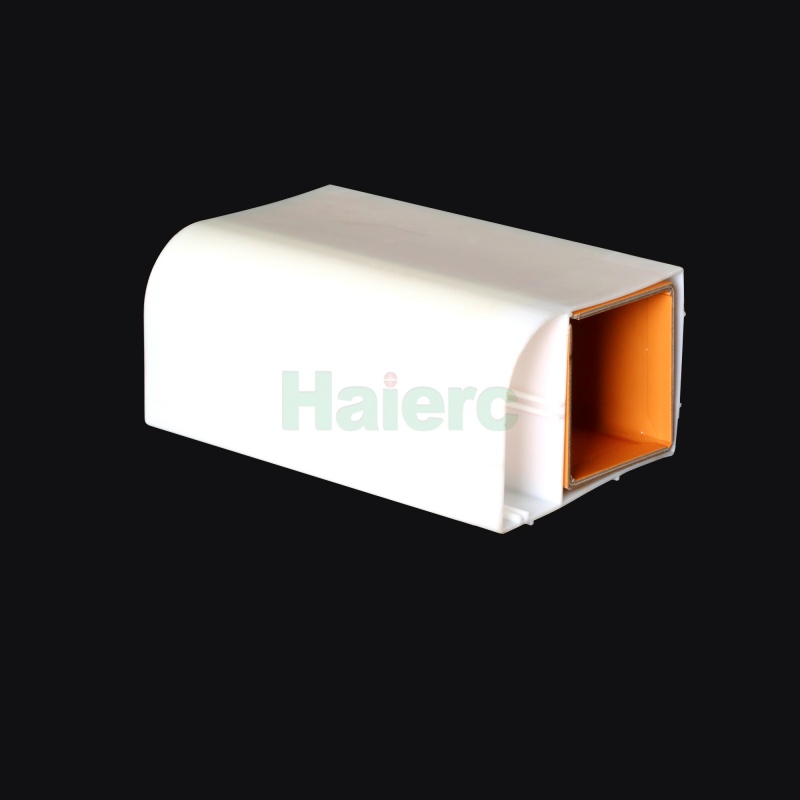
The standard folding roach glue trap, such as the HC4109 Cockroach/Roach Glue Trap, works well inside dry storage shelving, electrical enclosures, and elevated server stations. Its low-profile triangular profile fits into tight horizontal spaces between refrigeration decks and wall surfaces. The cardboard housing shields the internal adhesive against ambient debris while giving insects multiple entrance apertures along the base edge.
For environments exposed to mop splash, high humidity, or heavy wash routines, the HC4115 Cockroach/Roach Trap provides a rugged monitoring housing. Its durable enclosure protects the internal sticky surface against accidental crushing by mop handles, prep carts, or utility crates. This style functions well behind cook line fryers, dishwashing pits, and floor drain transitions where lighter cardstock units degrade quickly.
Pest management strategies often pair crawling insect grids with complementary monitoring devices across the facility. One common error involves placing traps directly in the path of nightly sanitizing sprayers. High-pressure washdown hoses soak the cardboard, flood the sticky surface, and wash the trap into trench drains. Always secure traps behind motor baffles or mount them slightly off floor grade using magnetic brackets inside equipment voids.
Another failure is placing traps too far from wall edges. Cockroaches rarely cross the middle of an open kitchen floor under working lights. A trap sitting six inches away from a vertical surface catches significantly fewer insects than one pressed flat against the wall tile. Ensure the long edge of the trap rests directly parallel to the baseboard.
WRONG: Floating in open walkway
Floor Space: [ TRAP ] ---- 6 inches ---- [ WALL ]
CORRECT: Flush against vertical surface
Floor Space: [TRAP][ WALL ]
Neglecting trap maintenance ruins data accuracy. Technicians sometimes leave dusty, loaded boards in place for months. Once grease or dust covers the adhesive, roaches simply walk over the trapped bodies. If you can slide your finger across the corner of a trap without feeling strong tackiness, replace it right away.
Facility managers should also educate kitchen clean-up crews not to toss monitoring devices into the trash. Dishwashers and sweepers frequently discard traps, mistaking active monitors for trash. Label every device clearly with industrial marker: "PEST MONITORING DEVICE — DO NOT REMOVE."
Frequently Asked Questions
Q: How many glue boards should be installed per square foot in a kitchen?
A: Monitoring does not follow a strict square-footage ratio because roaches congregate around heat and moisture sources. Focus on placing traps at critical hazard points: place units every 5 to 10 linear feet along high-risk cooking walls, with dedicated devices inside each cooler motor housing and underneath every dishwashing station.
Q: Can glue boards eliminate an active cockroach infestation on their own?
A: Glue boards serve primarily as monitoring tools rather than complete elimination methods. They catch foraging insects, indicate population density, and locate active breeding pockets. However, severe infestations also require thorough sanitation improvements, exclusion work, and targeted bait applications.
Q: What do high catches of cockroach nymphs on a trap indicate?
A: High numbers of nymphs indicate an active breeding harborage within several feet of the trap. Nymphs travel shorter distances than adult roaches. When you see clusters of tiny nymphs on a board, inspect nearby equipment voids, plumbing escutcheons, and electrical outlets immediately.
Q: How often should kitchen glue boards be replaced in greasy environments?
A: In busy cooking lines with fryers and open grills, airborne grease settles quickly onto surfaces. Replace traps every 30 days under moderate grease conditions, or every 14 days near heavy fry stations. Align the entry aperture of the trap directly along the path where the cooler frame meets the wall. Cockroaches run along the junction of the floor and wall or along the refrigerator housing. Traps set parallel to these pathways catch pests more reliably than units turned perpendicular to the wall.
Practical Steps Forward
Setting an organized grid turns pest control from guesswork into data-driven facility management. Regular inspections uncover breeding harborage zones, catch sanitation breakdowns early, and create an audit trail for food safety records.
Review your kitchen floor plans, identify high-moisture zones, and place monitors where pests run. Reliable pest tracking protects your facility's reputation before minor issues turn into regulatory violations.
For technical specifications, volume hardware orders, or custom trap layouts for commercial operations, review product details at https://www.fliestrap.com. Commercial terms start from 100 pieces for standard models, and from 500 pieces for OEM private-label production. Direct commercial inquiries to info@haierc.com or +86 18602234188.
About FliesTrap by Haierc
FliesTrap is the fly and hygiene-insect brand of Haierc PCO, a Tianjin manufacturer with 18+ years of pest-control hardware experience and 1000+ items in production. Haierc holds ISO9001; products are offered to CE, REACH and RoHS requirements where applicable; the factory is BSCI and SEDEX audited. Commercial terms: MOQ from 100 pcs; OEM / private label from 500 pcs. Contact: info@haierc.com | +86 18602234188 | https://www.fliestrap.com
- Share this:

-



Category
Trending Now