




 Bird & Pigeon Pest Control
 MOUSE & RAT Pest Control
 Fly Pest Control
 Cockroach Pest Control
 Mosquito Pest Control
 Mole Pest Control
 Wasp Pest Control
 Moth Pest Control
 Bed Bug & Flea Pest Control
 Ant & Termites Pest Control
 Spider Pest Control
 Other Insect Pest Control
 Snake Pest Control
 Snail & Slug Pest Control
 Wildlife Pest Control
 Garden Products
 Virus Control
 Smart AI Trap
 Insecticides


Industry News
Why Cold Storage Loading Bays Rely on Plastic Bird Net Systems | FliesTrap
 By
2026-10-05
read
By
2026-10-05
read

.jpg)
Introduction — The High Cost of Open Dock Bird Infiltration
Birds destroy audit scores. A single feral pigeon perched across the structural steel of a refrigerated staging bay will drop pathogenic feces over palletized cartons within minutes. That ruins entire product runs. Installing heavy-duty Plastic Bird Net systems creates an impassable physical barrier across high-clearance doorways and ceiling voids, stopping avian pests before they ever touch food packaging.
Cold storage facilities across Melbourne, Brisbane, and Western Sydney run under extreme thermal differentials. Fast-cycling rapid roll doors stay open during morning cross-docking operations, and that draws in Indian mynas, swallows, and starlings looking for sheltered roosts out of the scorching sun. Once inside, they nest in cable trays and refrigeration pipe racks. Chemical repellents aren't an option near exposed food packaging, and shooting isn't permitted in food-grade logistics hubs.
Physical exclusion remains the only permanent answer. Data published by PCT Online highlights that over 74% of structural bird infestations in supply-chain hubs start at unshielded loading docks. We've seen facility managers spend thousands on sonic blasters that birds ignore after forty-eight hours. What actually works? High-tensile netting engineered to take mechanical stress without tearing.
The operational reality is simple. You either seal the structure physically or you deal with continuous audit non-conformances under BRCGS and FSANZ standards.
+-----------------------------------------------------------+
| ROOFLINE / OVERHEAD CANOPY |
| |
| +---------------------------------------------------+ |
| | [304 Stainless Steel Perimeter Cable 7x7 Wire] | |
| | | |
| | +===========================================+ | |
| | | | | |
| | | HEAVY-DUTY PLASTIC BIRD NET | | |
| | | (19mm - 50mm Mesh Grid) | | |
| | | | | |
| | | [Integrated Heavy-Duty Access Zipper] | | |
| | | [For Refrigeration Pipe Inspections] | | |
| | | | | |
| | +===========================================+ | |
| | | |
| +---------------------------------------------------+ |
| |
| [Custom Bird Spikes on Ledge Anchor Points] |
+-----------------------------------------------------------+
| |
[Loading Dock Bays]
Root Cause: Why Birds Target Australian Cold Storage and Logistics Bays
Why do birds love refrigerated staging bays? It comes down to microclimates and constant food freight movement.
During the Australian summer, ambient tarmac temperatures on logistics aprons regularly hit 45°C. The open staging zone of an active cold storage warehouse sits at a steady 4°C to 10°C, offering birds immediate relief from ambient heat stress. Condensation lines along roof purlins give them a dependable water supply. Open pallets of grain, produce, or damaged dry goods provide an endless buffet.
Indian mynas (Acridotheres tristis) and feral pigeons (Columba livia) quickly map forklift schedules. They know when the dock seals open and slip right under the vinyl curtains. Once they reach overhead steel trusses, catching them becomes a nightmare. Standard capture gear like a Catching Bird Net or mist rig is tricky to deploy among active reach trucks, meaning prevention at the envelope is your only real defense.
+-----------------------------------------------------------------------------+
| COMMON INVASION ENTRY PATHS |
+-----------------------------------------------------------------------------+
| 1. High-Clearance Dock Doors: Birds glide in under roll-up doors during |
| continuous morning loading cycles. |
| 2. Unprotected Canopy Eaves: Structural I-beams provide warm, predator-free|
| nesting pockets above refrigerated docks. |
| 3. Refrigeration Line Penetrations: Unsealed gaps around insulated coolant |
| pipes allow small species direct internal access. |
+-----------------------------------------------------------------------------+
High UV index levels across Australia degrade cheap polymers within nine months. Facilities that bought generic netting find it dry-rotted, sagging, and ripped open by the following spring. That is why professional pest control operators partner with a certified red anti-aves distribuidor capable of supplying UV-stabilized, high-density polyethylene that withstands extreme sunlight and sub-zero exhaust drafts. CEPA guidelines consistently stress that hardware longevity dictates IPM exclusion success. When net fibers break down under intense UV, birds exploit the gaps within days.
Let's look at the mechanical rigging process required to secure these large spaces properly.
Step-by-Step How to Install and Maintain Bird Netting in Cold Storage
Proper installation requires tension, precision anchoring, and the right rigging hardware. A floppy net catches debris, looks unprofessional, and lets birds wedge themselves behind gaps. Follow this field procedure.
Step 1: Structural Survey & Anchor Mapping
Measure the entire span of your staging canopy or interior roof truss system. Identify primary anchor points on the structural steel beams. You must calculate the drop distance so the netting clears overhead gantry cranes, high-mast forklifts, and automatic fire sprinkler heads. Check local building codes; fire protection standards require netting to sit below or clear of sprinkler discharge patterns unless using fire-rated drop nets.
Step 2: Perimeter Cable Rigging
Drill and set your heavy-duty steel corner anchors. Run a 2mm to 3mm 304-grade stainless steel perimeter wire rope through intermediate eye bolts spaced no more than 1.0 meter apart. Tension the perimeter wire using M6 or M8 turnbuckles until the cable is guitar-string tight. If there is flex in your perimeter cable, the net will sag over time.
Step 3: Fastening the Anti Bird Net
Unpack your Plastic Bird Net and let it relax on a clean staging floor for 20 minutes. Align the corner markers. Secure the outer edge of the Anti Bird Net to the stainless steel wire rope using a professional pneumatic hog ringer or manual stainless net rings. Fasten every single mesh square along the perimeter for small 19mm nets, or every second mesh for 50mm pigeon netting. Do not skip loops.
+-----------------------------------------------------------------------------+
| RIGGING FASTENING SEQUENCE |
| |
| [Corner Anchor] ===(Turnbuckle)===> [Perimeter Wire Rope] |
| || |
| [Hog Ring Every Single Mesh] |
| || |
| [UV-Stabilized Bird Netting] |
| || |
| [Intermediate Support Wires] |
+-----------------------------------------------------------------------------+
Step 4: Interior Spanning and Access Hatches
For spans wider than 8 meters, install criss-cross stainless steel support cables underneath the net to carry structural loads and prevent wind deflection. If technicians need access to overhead refrigeration valves or electrical junction boxes, install marine-grade industrial zippers directly into the net mesh. Reinforce the zipper perimeter with hog rings on both sides.
Step 5: Clearing Trapped Birds
If birds are trapped inside the staging bay during rigging, do not leave them. Use an ultra-fine Normal Mist Bird Net or manual Catching Bird Net deployed across flight lanes to safely remove them before finalizing the corner seals.
Every installation needs regular monitoring. Inspect cable tension twice a year during standard IPM facility audits.
Product Options That Fit Cold Storage & Perimeter Defense
A single tool rarely solves an entire facility's bird problem. We combine heavy-duty netting with perimeter deterrents to keep birds from even approaching the loading bay doors.
+------------------------------------------------------------------------------+
| MULTI-TIERED BIRD EXCLUSION HARDWARE MATRIX |
+--------------------------+-----------------------+---------------------------+
| Zone | Primary Hardware | Secondary Backup |
+--------------------------+-----------------------+---------------------------+
| Canopy & High Rafters | Plastic Bird Net | Bird Scare Discs |
| External I-Beams/Ledges | Custom Bird Spikes SS | Polycarbonate Base Spikes |
| Internal Flight Corridors| Catching Bird Net | Sticky Insect Trap Lamp |
| Dock Apron Corners | Rat Bait Station | Multi Catch Rodent Trap |
+--------------------------+-----------------------+---------------------------+
High-pressure roosting ledges above external loading docks require mechanical spikes. We recommend custom bird spikes stainless steel configurations or durable polycarbonate plastic base bird spikes mounted along gutter lines and canopy flashings. The physical blunt rods break up landing patterns completely.
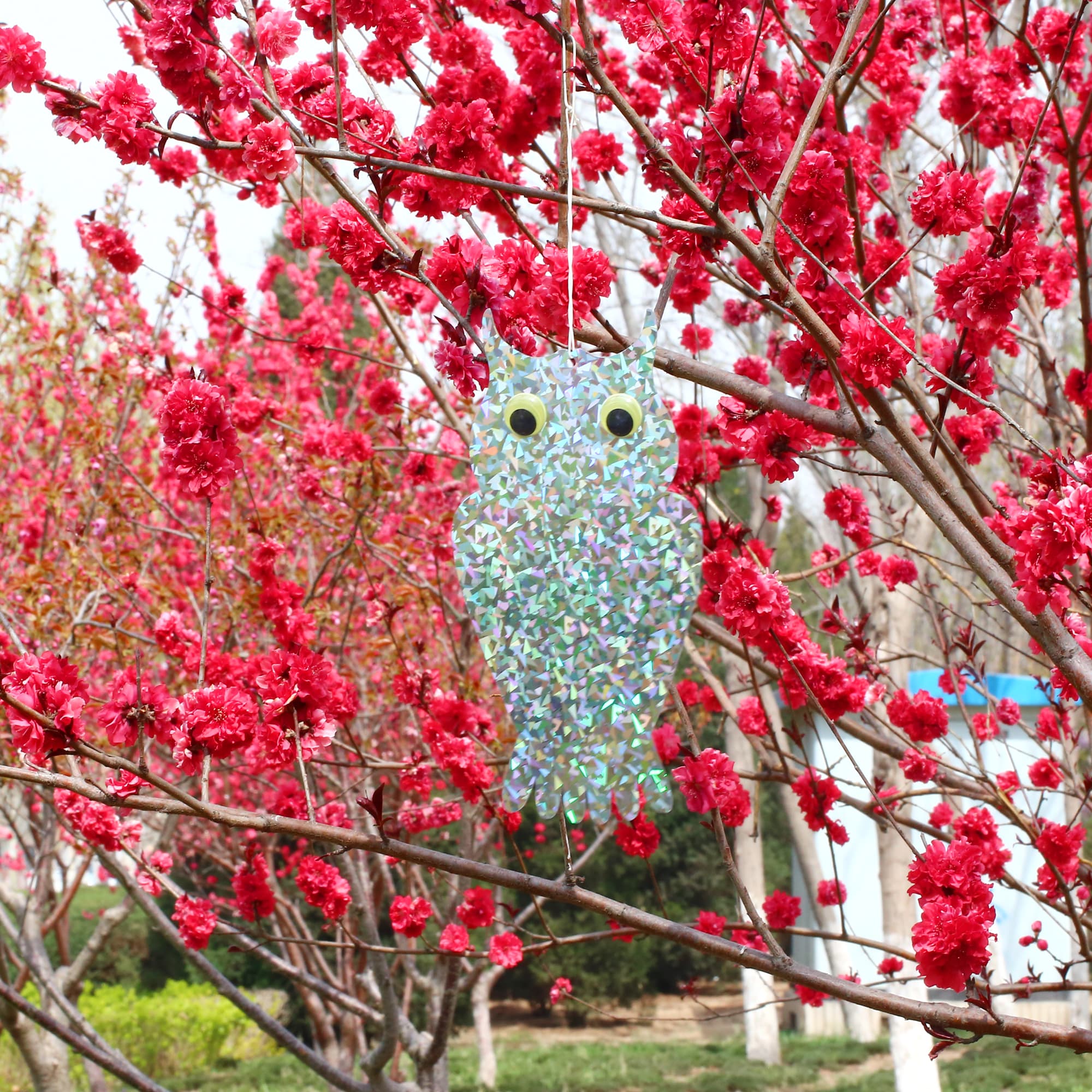
For open apron perimeters where netting cannot be hung structurally, visual deterrents help disrupt flight lines. Installing Bird Scare Discs Reflective Wind Spinners or a high-visibility Reflective Eye Bird Scare around the loading dock approach creates dynamic light flash patterns. PCOs choose these tools based on the specific Protect Area Dia For Choice, tailoring optical coverage to wide open marshalling yards.
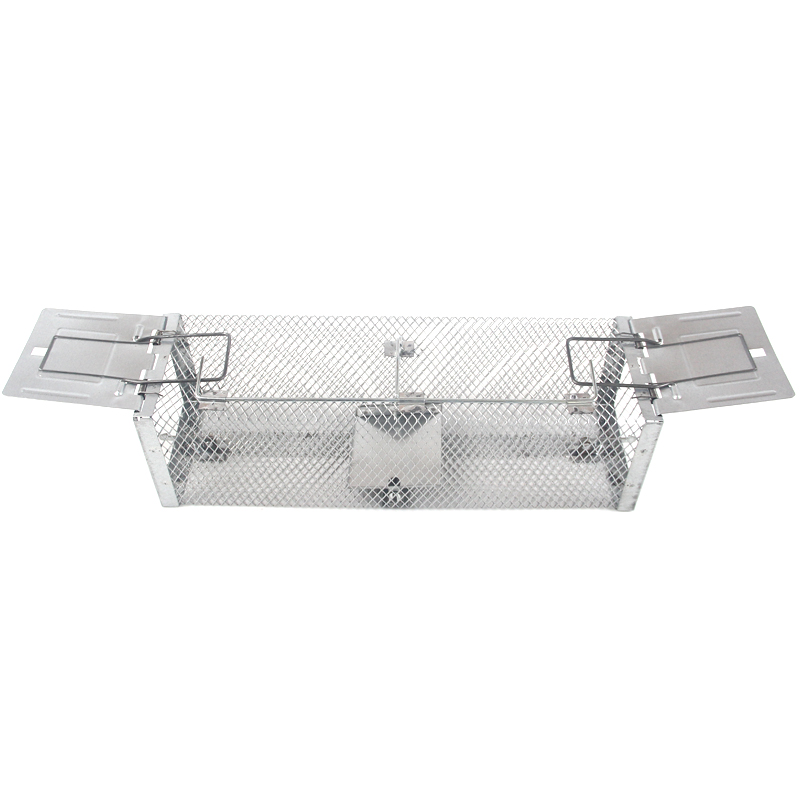
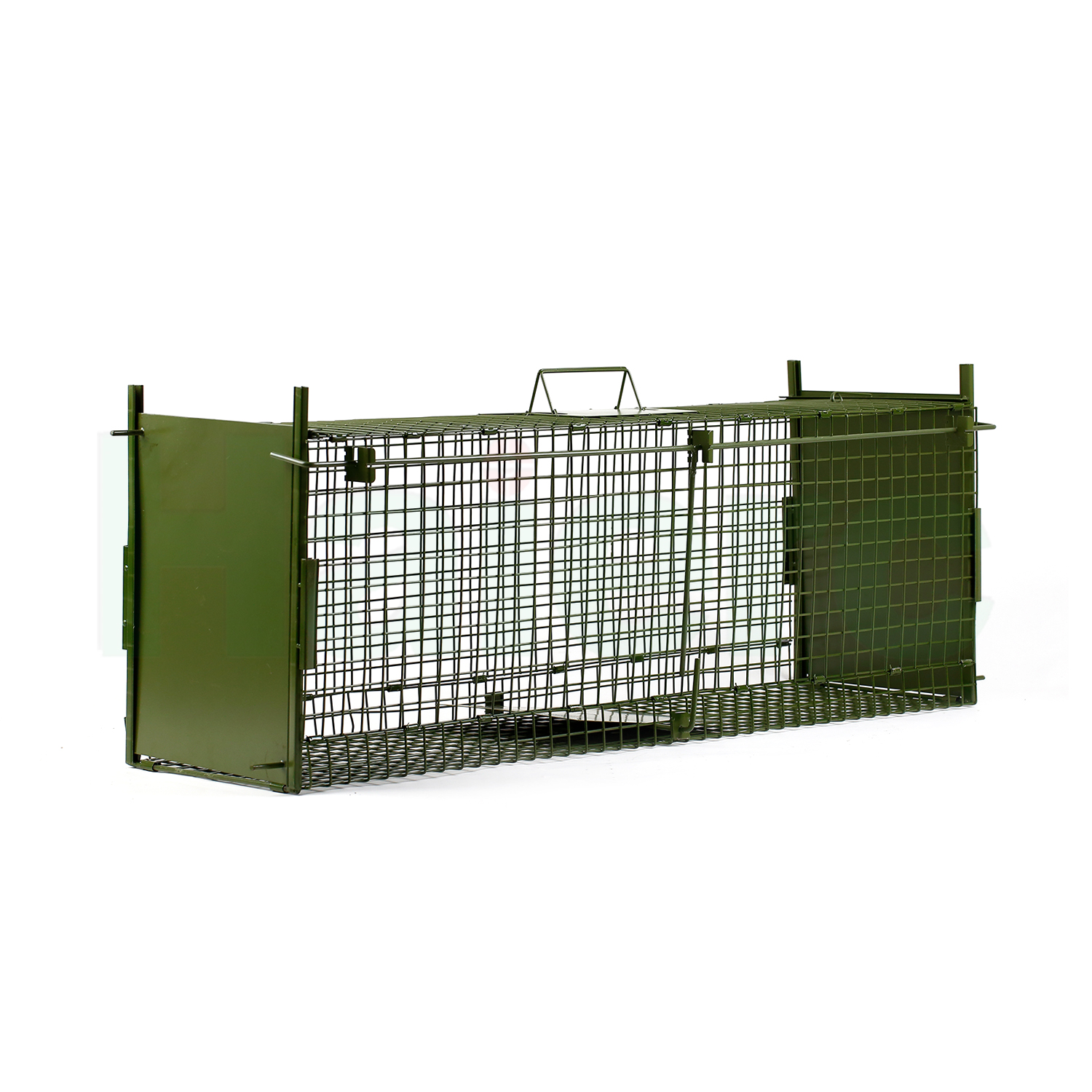
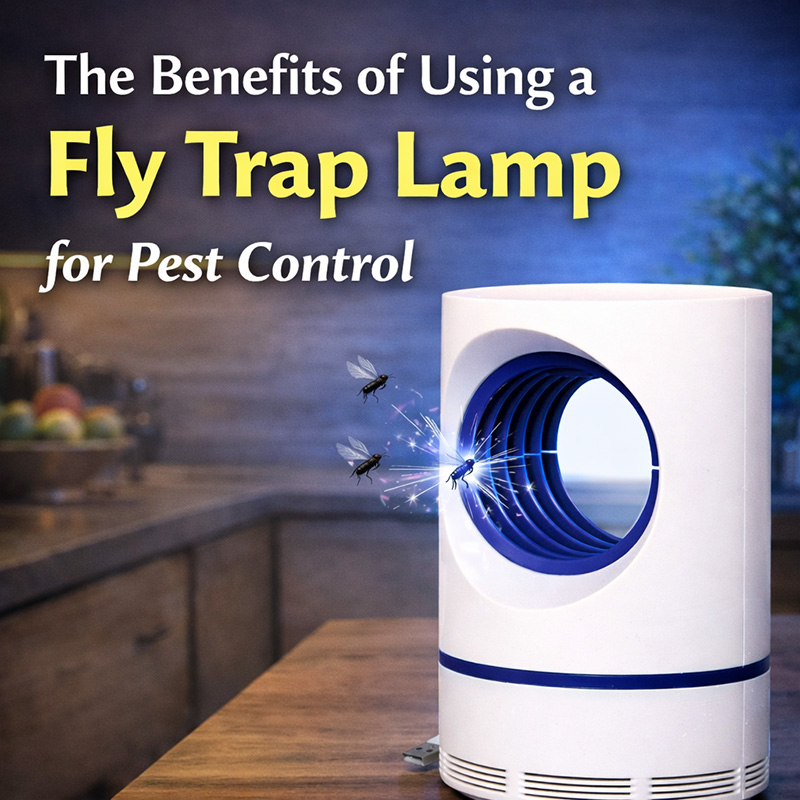
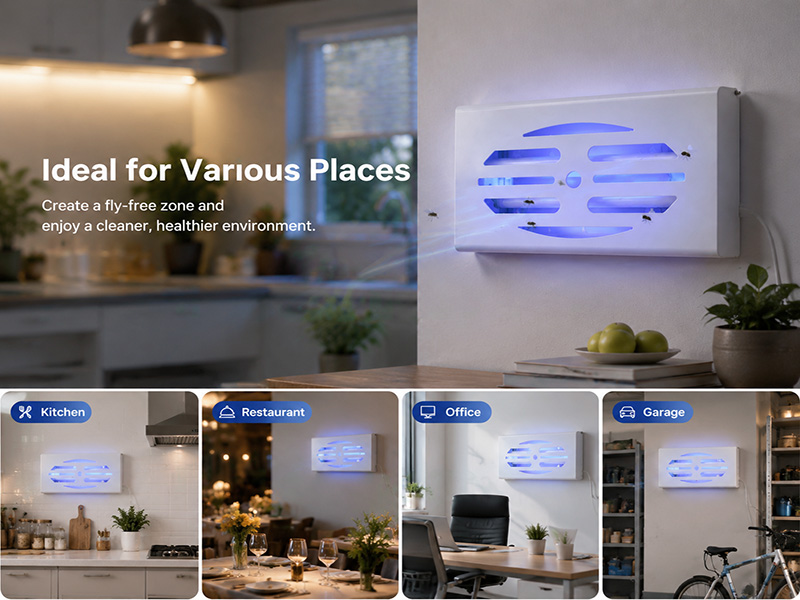
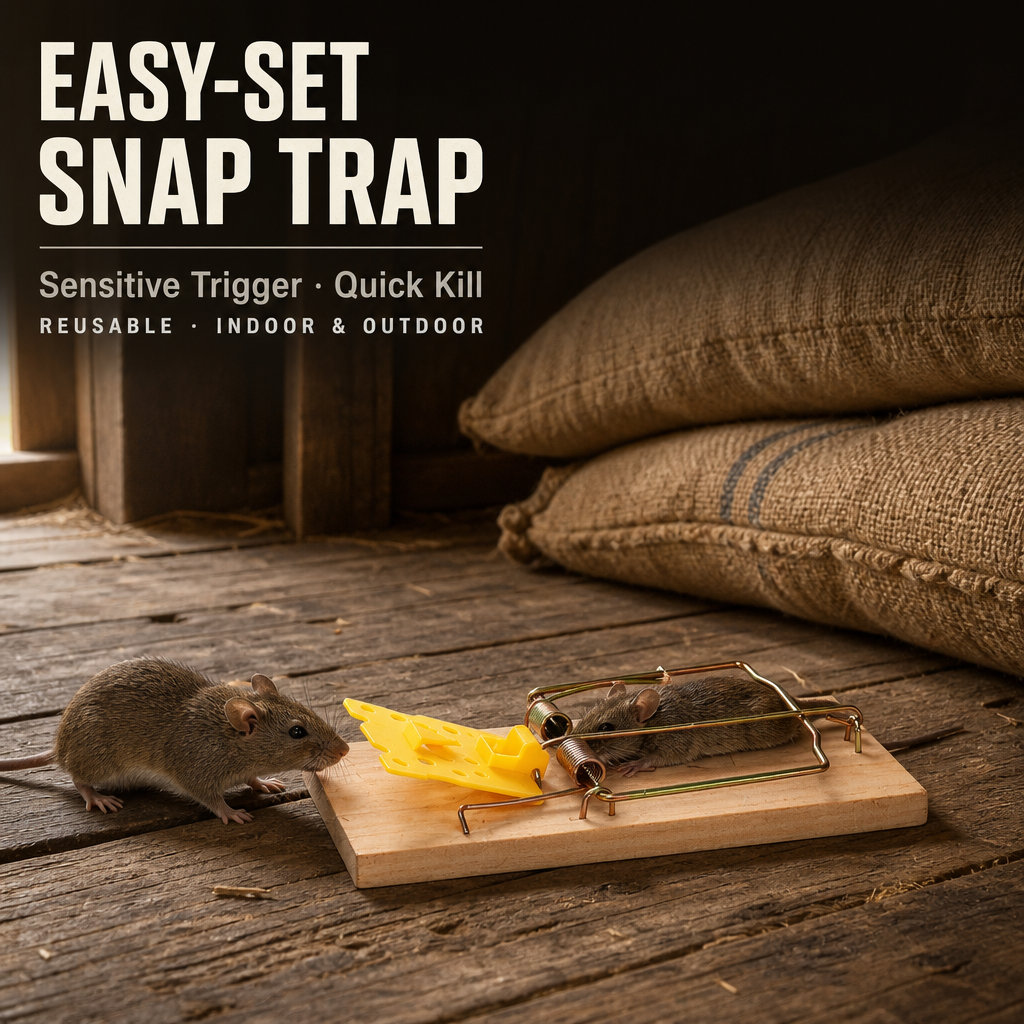
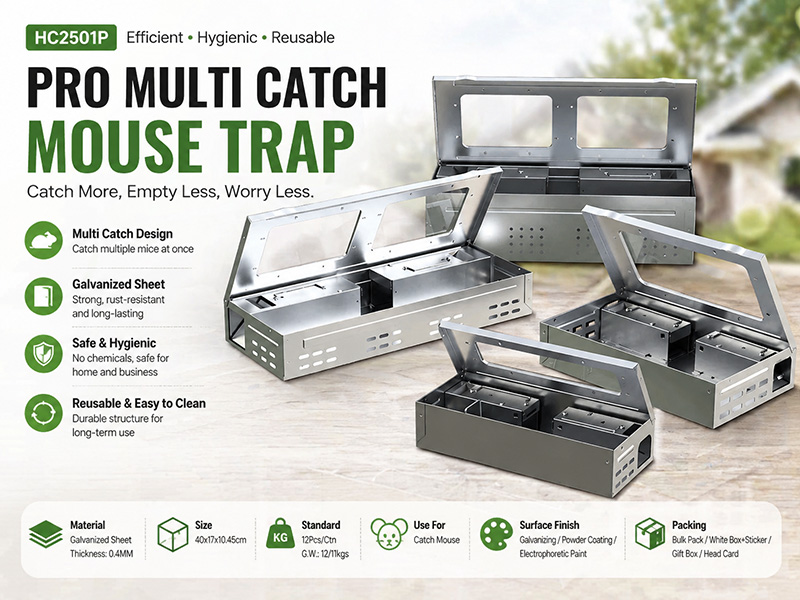
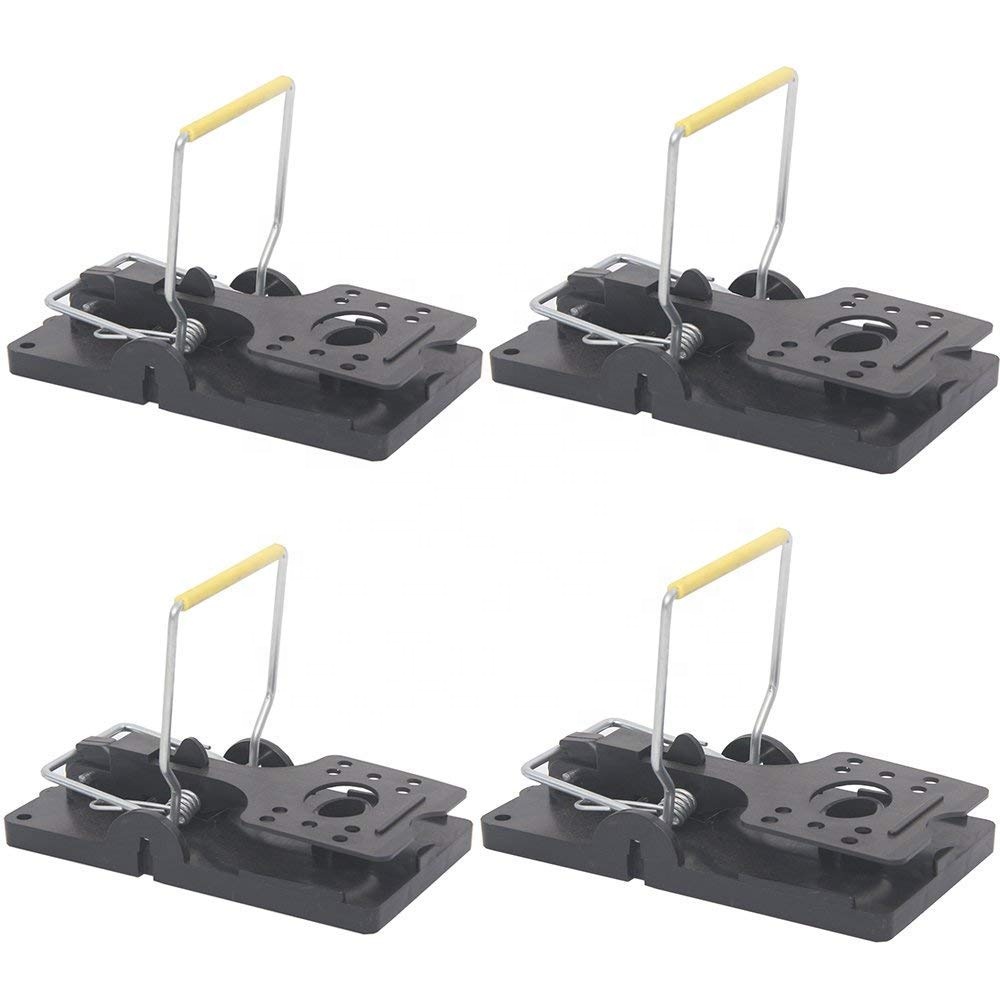
Inside the warehouse, facility managers should integrate bird exclusion with broader physical IPM hardware. Trapping programs rely on durable interior units like the Multi Catch Rodent Trap, the versatile Mouse Trap Bucket, and heavy-duty Rat Bait Station with Snap Trap systems along exterior walls. If flying insects enter through dock doors alongside birds, installing a commercial Sticky Insect Trap Lamp near pedestrian entrances keeps flying pests contained without chemical drift.
+------------------------------------------------------------------------------+
| SPECIFICATION COMPARISON |
+------------------------------------------------------------------------------+
| Specification | FliesTrap (FliesTrap Standard) | Industry Average |
|---|---|---|
| Base Material | 100% Virgin High-Density Polyethylene (HDPE) | Recycled Polypropylene Blend |
| UV Stabilization Package | UV-resistant chemical additive (8+ Year AU Field Rating) | Basic carbon black (1-2 Year Lifespan) |
| Tensile Breaking Strength | > 23 kg per single monofilament strand | 12 - 15 kg per strand |
| Flammability Certification | Flame-retardant options meeting ISO/CE standards | Unrated / High flame propagation risk |
| Chemical & Mold Resistance | Impervious to sub-zero washdowns, ammonia, and acids | Absorbs moisture, prone to mold in high-humidity chillers |
| Corner Identification | Color-coded corner markers for rapid deployment | Unmarked bulk tangles requiring field sorting |
Selecting the right grade of netting prevents premature replacement costs. Now let's review the critical mistakes operators make during facility retrofits.
Mistakes to Avoid & Pro Tips for Audit Compliance
The biggest mistake we see? Using lightweight garden netting in a commercial food facility. Thin extruded netting rips the first time a forklift mast brushes past it, or when wind loads hammer the dock canopy. Once torn, Indian mynas squeeze through the opening and nest right inside the pocket, making the netting a bird sanctuary instead of an exclusion barrier.
Another frequent failure is skipping perimeter turnbuckles. Installers often anchor wire rope directly to eyebolts with wire rope grips and try to pull it tight by hand. It feels rigid on day one. Six months later, structural temperature swings stretch the wire, the net droops 300mm, and ceiling-mounted dock lights begin melting the mesh. Always use drop-forged M6 or M8 stainless turnbuckles to maintain dynamic tension.
+-----------------------------------------------------------------------------+
| CRITICAL PITFALL CHECKLIST |
+-----------------------------------------------------------------------------+
| [ ] Using agricultural grade nets instead of knotted UV-stabilized HDPE |
| [ ] Inadequate tensioning on perimeter cables causing long-term droop |
| [ ] Leaving gaps larger than 19mm around refrigeration pipe brackets |
| [ ] Forgetting access zippers for overhead valve maintenance |
| [ ] Installing non-fire-retardant polymers directly below sprinkler heads |
+-----------------------------------------------------------------------------+
Compliance requirements under modern food safety schemes like BRCGS, SQF, and FSMA 2026 mandate non-toxic, verifiable pest defense. You cannot use chemical bird gel near food storage bays because oily residues volatilize and attract dust. Inspectors look closely at physical seals around structural steel. Document your quarterly net integrity audits in your IPM logbook to prove full perimeter control to visiting certification officers.
Frequently Asked Questions
Q: What mesh size should we choose for cold storage logistics docks?
A: For small birds like sparrows and Indian mynas, install a 19mm (3/4 inch) mesh Plastic Bird Net. For facilities dealing strictly with feral pigeons or sea gulls, a 50mm (2 inch) mesh is suitable and provides better airflow for overhead refrigeration evaporators.
Q: How does UV-stabilized bird netting handle extreme Australian heat?
A: FliesTrap commercial netting by Haierc incorporates virgin HDPE infused with high-grade UV inhibitors. This prevents molecular chain degradation from high solar radiation, ensuring an active service lifespan of 8 to 10 years even in harsh Australian conditions.
Q: Can bird netting be uninstalled easily when refrigeration maintenance is required?
A: Yes. We recommend integrating heavy-duty commercial zippers into the netting grid directly below regular service points. Alternatively, using quick-release net clips along structural beams allows maintenance teams to drop specific sections without taking down the entire cable grid.
Q: What certifications do FliesTrap bird control products carry?
A: Our factory holds ISO9001 and BSCI certifications, and all exclusion hardware conforms to CE, REACH, and RoHS environmental safety standards. They are non-toxic, chemically inert, and fully approved for installation inside HACCP-certified food manufacturing and storage environments.
Q: How do custom stainless steel bird spikes integrate with net systems?
A: We use custom bird spikes stainless steel configurations on exterior ledges, gutter lines, and structural steel beams leading up to the netted area. This prevents pest birds from roosting outside while waiting for dock doors to open, reducing localized bird pressure on the net envelope.
Practical Field Takeaways for Long-Term Defense
Stopping birds from infiltrating cold storage staging facilities requires physical exclusion engineered for industrial wear. Netting off high-clearance dock canopies with high-density, UV-stabilized polymers protects food cargo, safeguards hygiene audit scores, and lowers structural maintenance costs. Combine your netting installations with heavy-duty ledge spikes and strict physical monitoring across all dock entries.
For pest control operators and procurement teams managing industrial facilities, choosing certified physical barriers guarantees reliability under intense heat and continuous mechanical vibration. Explore commercial exclusion netting specifications and hardware samples by contacting our technical engineering team at https://www.fliestrap.com or emailing sales@fliestrap.com. Secure your dock perimeter before the peak summer pest breeding season begins.
- Share this:

-



Category
Trending Now