


 Bird & Pigeon Pest Control
 MOUSE & RAT Pest Control
 Fly Pest Control
 Cockroach Pest Control
 Mosquito Pest Control
 Mole Pest Control
 Wasp Pest Control
 Moth Pest Control
 Bed Bug & Flea Pest Control
 Ant & Termites Pest Control
 Spider Pest Control
 Other Insect Pest Control
 Snake Pest Control
 Snail & Slug Pest Control
 Wildlife Pest Control
 Garden Products
 Virus Control
 Smart AI Trap
 Insecticides


Introduction — Scenario Pain Point
Pallets move fast. Night crews drop shrink-wrap, split cases of soda, and leave staging areas coated in sugar residues before morning restock. That sticky corner behind the cardboard baler doesn't look like much during the day shift. By midnight, a dark ribbon of pavement ants stretches twenty feet from the concrete expansion joint straight to a leaking pallet of syrup. Establishing reliable ant monitoring points in supermarket backrooms gives technicians the visibility they need before trails break into retail sales aisles.
Catching insect pressure early keeps grocery operations off local health department watchlists. When pest technicians walk into a receiving bay, they can't treat the entire concrete slab with broad-spectrum sprays. That violates integrated pest management principles and disrupts warehouse flow. Technicians need pinpoint data. They need to know which entry points see active foraging, whether the colony targets proteins or simple carbohydrates, and where outdoor nests breach perimeter seals. A disciplined monitoring perimeter separates an active insect infestation from a clean internal hygiene record.
Structural Vulnerabilities in High-Traffic Backrooms
Why do supermarket stockrooms attract severe subterranean ant pressure? Food retail logistics create unique indoor microclimates. Loading docks open dozens of times every single shift. Warm, humid outdoor air rushes across cold staging concrete, causing condensation along floor-wall junctions. Wooden pallets arriving from regional distribution hubs often harbor satellite colonies deep within stringer boards. Once inside, worker ants seek steady moisture and sheltered nesting voids.
Compactor rooms, salvage collection bays, and bottle-return sorting lines provide continuous shelter. A single broken jar of pasta sauce under a heavy steel racking leg can feed a colony for months. What makes these spaces especially vulnerable is structural settling. Most commercial supermarkets feature poured-concrete floor slabs separated by flexible sealant joints. Over years of heavy forklift operation, that sealant splits. Sub-slab soil voids connect directly to surface air. Ants exploit these sub-millimeter fissures to access perimeter walls without crossing open floors where floor scrubbers operate daily.
Moisture accumulation accelerates this process. Refrigeration drain lines that back up under dairy walk-in coolers dump gallons of gray water into wall voids. When framing materials absorb that runoff, the softened wood and damp drywall attract opportunistic species like carpenter ants and odorous house ants. The colony doesn't stay confined to the wall. It pushes worker columns into dry-goods racking, pet food displays, and employee break facilities.
Step-by-Step Guide to Establishing Backroom Monitoring Programs
Building an effective monitoring layout requires methodical placement, steady mapping, and routine data collection. Randomly dropping stations along a baseboard won't deliver actionable results. Technicians must target high-probability transit routes while protecting hardware from pallet jacks and cleaning machinery.
1. Survey the Perimeter and Ingress Gates
Start where logistics intersect with the building envelope. Overhead rolling doors at loading bays are prime suspect zones. Weather stripping along door bottoms wears down fast under steel pallet wheels, leaving gaps wide enough for foraging workers. Inspect the concrete jambs on either side of the dock leveler pit. Place exterior monitoring monitors right outside the dock plate and paired interior stations along the flanking foundation wall.
Look closely at utility penetrations. Electrical conduits, fire sprinkler risers, and beverage lines pierce concrete slabs throughout warehouse staging. Ants follow the warmth and void spaces around these pipes. Seal large annular gaps where possible, and set a dedicated monitoring post within twelve inches of any vertical utility run that penetrates the foundation.
2. Isolate Waste and Salvage Zones
Cardboard compactors, returnable crate bays, and food salvage racks represent the primary feeding grounds inside any grocery warehouse. Broken food packaging ends up stacked on salvage pallets awaiting credit verification. This zone demands its own monitoring perimeter.
Position stations behind floor-mounted equipment rather than beside it. A station left exposed beside a trash compactor gets crushed by a tilt truck within forty-eight hours. Bolt or secure stations directly to concrete walls or tuck them inside the protective recesses of structural steel bollards. Keep stations at least three feet away from chemical washdown zones so floor detergents don't wash into the monitoring bays.
3. Establish Stable Inspection Grids
Consistency counts. Space indoor monitoring points every twenty-five to forty feet along exterior-facing walls, dropping that spacing to fifteen feet around moisture-prone salvage areas. Number each station sequentially on your facility blueprint.
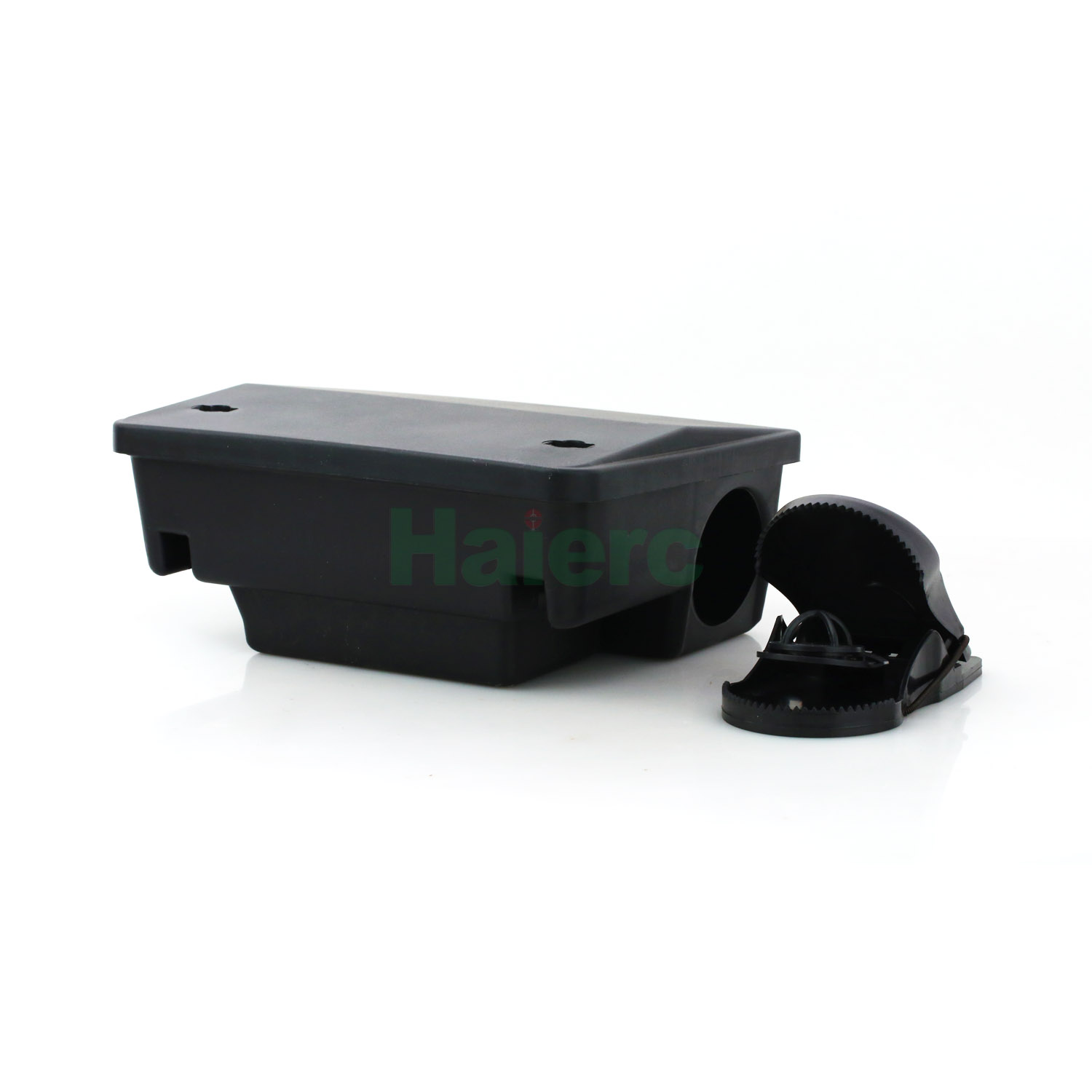
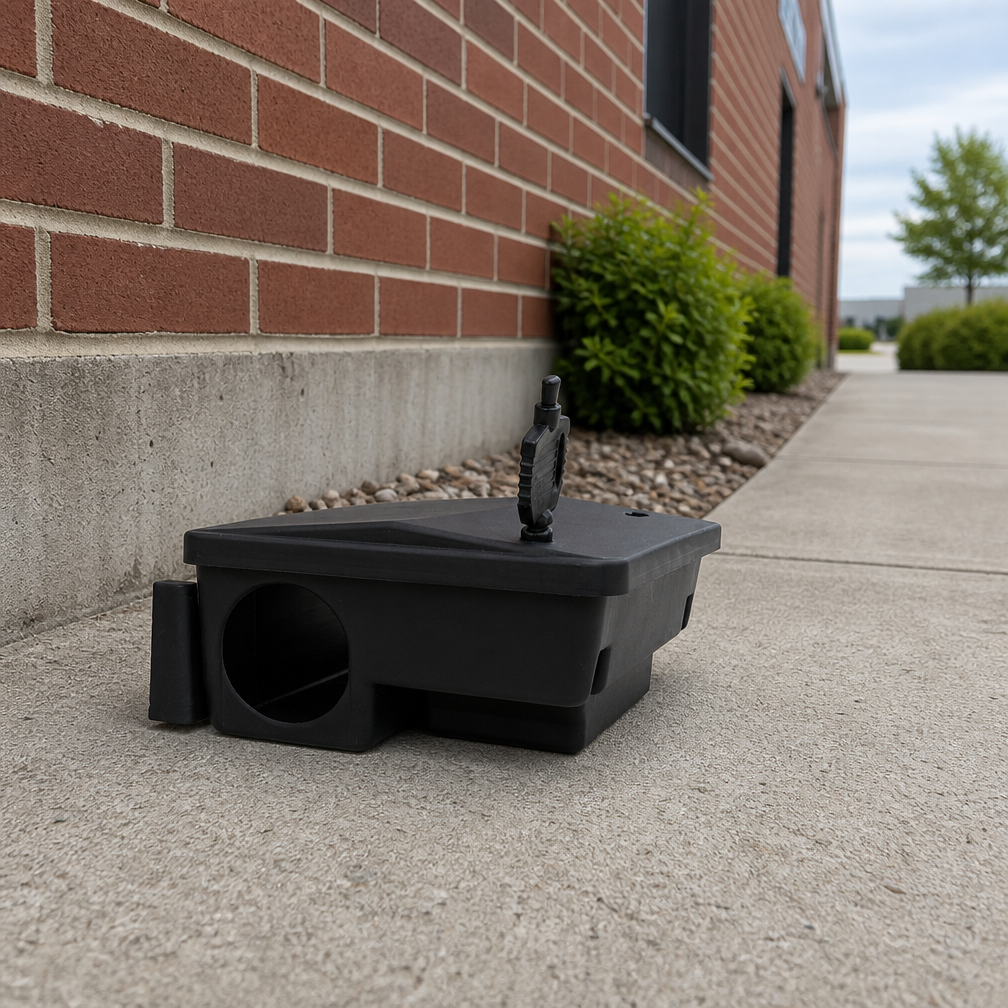
Use durable hardware designed to exclude non-target interference. The Ant Bait Station (HC2132) serves this role cleanly across warehouse floors. Fabricated from Durable PP, it provides a tamper proof, lockable, and weatherproof enclosure that holds up against aggressive floor scrubbers and incidental contact. The station protects internal monitoring matrices from ambient dust and washdown water while allowing foraging ants immediate access through side entry slots.
4. Implement Structured Baiting Matrices
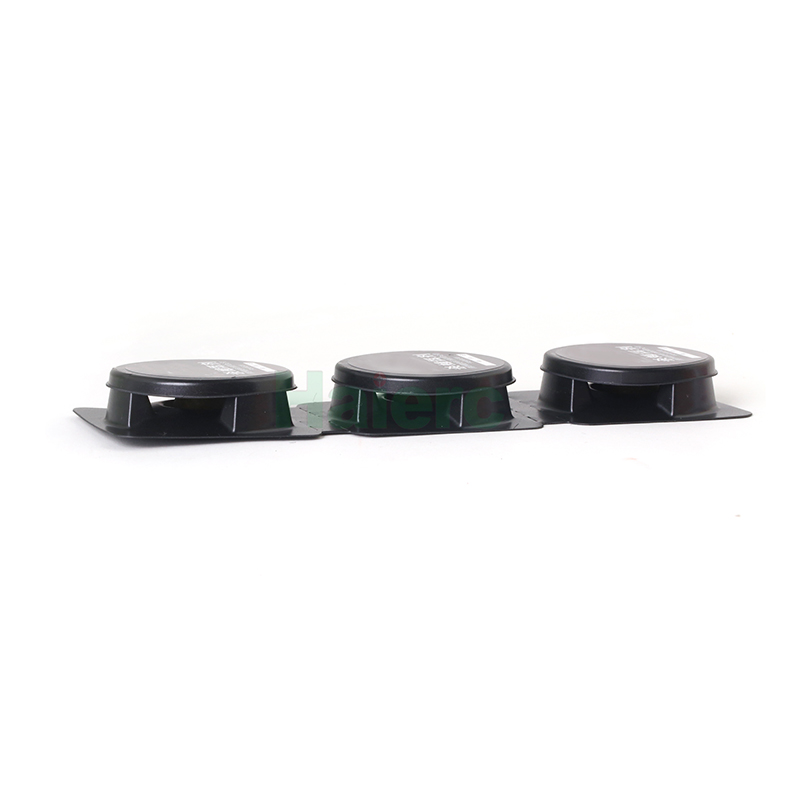
A monitoring station tells you what's walking; a baited station begins suppression while you assess population trends. When ants establish heavy traffic paths, deploy professional-grade active ingredients inside secure housings. Ants Killing Bait (HC7201) matches this protocol directly. Containing Indoxacarb/Imidacloprid, the matrix leverages dual-action transfer chemistry. Foraging workers consume the bait without immediate knockdown, returning to the subterranean nest to share the formulation throughout the brood.
Check stations on a strict fourteen-day cycle during spring and summer months, shifting to thirty days during late autumn. At each visit, record insect counts, species identification, and bait consumption rates. Clean out dead insects and dust, then refresh dried matrices. If consumption hits fifty percent between checks, increase bait volume or add an adjacent station to avoid bait depletion.
Which Ant Monitoring Points Matter Most in Supermarket Backrooms During Audits?
Third-party food safety auditors do not look kindly on unmonitored warehouse corners. When an auditor walks a supermarket backroom, specific zones draw immediate scrutiny. Understanding which monitoring locations satisfy inspection criteria keeps your facility fully compliant.
First, check the refrigeration condensing units and walk-in compressor racks. These utility areas generate heat and continuous moisture runoff. Pavements ants and pharaoh ants establish colonies directly beneath compressor skid pads. Stations placed here provide early warning before insects penetrate insulated cooler panels.
Second, monitor the expansion seams bisecting dry-goods storage bays. Pallet racking legs apply immense point pressure to concrete, widening floor seams over time. Technicians should position flat-profile monitors directly parallel to these expansion lines. Look for signs of excavated sub-slab soil, often mistaken for stray dirt, which indicates subterranean nesting directly beneath the retail slab.
Beyond structural seams, evaluating ant monitoring points in supermarket backrooms requires attention around organic debris accumulation zones. Food spills near cardboard balers and salvage sorting racks offer ready sustenance for trailing foragers. Technicians can deploy the Ant Bait Station (HC2132) along peripheral floor-wall junctions near these high-risk areas to protect bait from dust and foot traffic. Integrating Ants Killing Bait (HC7201) within targeted placements helps intercept workers returning along established supply routes, safeguarding critical storage bays from prolonged pest activity.
Common Placement Mistakes and Hygiene Pitfalls
Pest programs fail most often from poor maintenance rather than poor hardware choice. The commonest mistake? Setting stations directly in high-traffic forklift aisles. A three-ton forklift turns plastic hardware into shrapnel in seconds. Technicians must anchor stations against vertical structural columns, behind perimeter pipe guardrails, or within structural wall alcoves where wheels cannot tread.
Another frequent failure involves chemical contamination. Maintenance crews routinely spray harsh degreasers and bleach solutions along floor-wall junctions during deep-cleaning rotations. If sanitizing mist penetrates an ant station, foraging workers will avoid that unit completely. The bait repels rather than attracts. Always communicate with facility sanitation teams to ensure floor scrubbers don't douse station lines directly.
Don't overlook bait freshness. Ants are sensitive to rancid oils, degraded sugars, and dust-coated surfaces. Liquid and gel matrices dry out rapidly under warehouse ventilation blowers. Technicians who leave hardened bait in a station for three months aren't monitoring; they're providing harmless plastic decor. Replace active matrices whenever skinning or hardening occurs.
Lastly, avoid treating solely with broad-spectrum contact repellents near your monitoring points. Spraying pyrethroids around an active ant trail scatters the foraging line, fractures the colony into multiple satellite nests, and ruins monitoring accuracy. Let the ants feed naturally at the station so the active ingredient travels deep into the parent nest.
Commercial Hardware Options for Backroom Pest Control
Selecting rugged hardware ensures your monitoring network survives the brutal operational environment of a commercial grocery distribution hub. Stations must withstand mechanical impacts, aggressive water exposure, and unauthorized tampering by untrained warehouse staff.
The Ant Bait Station (HC2132) addresses these operational demands directly. Built out of impact-resistant Durable PP, it features a tamper proof locking mechanism that requires a proprietary entry key. This keeps internal toxic matrices sealed away from warehouse staff and prevents loose inventory from crushing bait wells. The station's weatherproof shell also prevents overhead sprinkler tests and high-pressure hose overspray from washing through the bait reservoir.
For targeted control within secured stations, Ants Killing Bait (HC7201) provides reliable colony suppression. Formulated with Indoxacarb/Imidacloprid, the active matrix delays mortality long enough for field workers to pass the toxin through the entire colony structure via trophallaxis. This dual-chemistry profile helps overcome learned bait avoidance among stubborn pavement and carpenter ant populations.
In facilities balancing multiple pest threats, integrate structural crawling stations with overhead flying insect devices. A ceiling-hung UV fly killer pulls flies away from loading dock roll-up doors, while a low-profile glue board fly trap captures wandering pests without scattering fragments across open food pallets. Maintaining uniform, commercial-grade hardware simplifies servicing, standardizes replacement parts, and gives auditors a clean, professional aesthetic across every square foot of the backroom.
Frequently Asked Questions
Q: How far apart should backroom ant monitoring points be installed?
A: In standard grocery warehouse layouts, place monitoring stations every 25 to 40 feet along perimeter walls. In sensitive micro-zones—such as bottle-return rooms, salvage docks, and cardboard balers—tighten the spacing down to 15 to 20 feet. This dense spacing ensures worker ants intercept stations before reaching interior grocery shelving.
Q: Why are ants ignoring the bait inside monitoring stations?
A: Bait avoidance usually stems from chemical contamination, bait desiccation, or nutritional shifts. If warehouse crews spray quaternary ammonia or floor degreasers near the station, ants avoid the area. Alternatively, the colony might be foraging for proteins rather than sugars, or the bait has dried out under drafty dock blowers. Using Ants Killing Bait (HC7201) inside sealed stations like the Ant Bait Station (HC2132) protects bait palatability.
Q: Can floor scrubbers damage commercial ant monitoring stations?
A: Heavy cleaning equipment like ride-on floor scrubbers can easily dislodge or crush lightweight hardware. To protect your Ant Bait Station (HC2132), install the unit directly against concrete perimeter walls or tuck it behind structural bollards and column protectors where scrubbing decks cannot make direct impact.
Q: How do technicians differentiate between structural and foraging ant trails?
A: Foraging trails generally lead from exterior dock doors, wall expansion joints, or loading bays directly toward a temporary food spill. Structural infestations involve debris mounds containing wood shavings, insulation particles, or dead insect parts near wall voids. Tracking stations placed around wet framing quickly expose resident colonies.
Q: Should flying insect traps be mounted near floor ant monitoring stations?
A: Flying insect hardware should be mounted higher on structural walls rather than on the floor. While crawling stations like the Ant Bait Station (HC2132) operate directly along floor-wall junctures, a UV fly killer or glue board fly trap should be positioned 3 to 6 feet high near entryways to capture flies without interfering with ground-level warehouse operations.
Practical Facility Protection and Next Steps
Establishing reliable monitoring perimeters across commercial grocery backrooms requires durable hardware, smart spatial positioning, and methodical service routines. Backroom loading bays, waste processing lines, and refrigeration skids will always generate moisture and organic waste. What matters is catching foraging pest lines before workers establish permanent nests under the concrete slab. Technicians who combine rugged exterior enclosures with proven active ingredients maintain cleaner backrooms and avoid costly inventory contamination.
Review current floor layouts this season to maintain critical ant monitoring points in supermarket backrooms. Technicians should inspect structural floor expansion joints, check dock weatherstripping, and ensure durable hardware such as the Ant Bait Station (HC2132) is properly mapped and paired with Ants Killing Bait (HC7201). For procurement assistance or technical hardware specifications, contact info@haierc.com or call +86 18602234188.
About FliesTrap by Haierc
FliesTrap is the fly and hygiene-insect brand of Haierc PCO, a Tianjin manufacturer with 18+ years of pest-control hardware experience and 1000+ items in production. Haierc holds ISO9001; products are offered to CE, REACH and RoHS requirements where applicable; the factory is BSCI and SEDEX audited. Commercial terms: MOQ from 100 pcs; OEM / private label from 500 pcs. Contact: info@haierc.com | +86 18602234188 | https://www.fliestrap.com
- Share this:

-


Category
Trending Now