




 Bird & Pigeon Pest Control
 MOUSE & RAT Pest Control
 Fly Pest Control
 Cockroach Pest Control
 Mosquito Pest Control
 Mole Pest Control
 Wasp Pest Control
 Moth Pest Control
 Bed Bug & Flea Pest Control
 Ant & Termites Pest Control
 Spider Pest Control
 Other Insect Pest Control
 Snake Pest Control
 Snail & Slug Pest Control
 Wildlife Pest Control
 Garden Products
 Virus Control
 Smart AI Trap
 Insecticides


Industry News
What Are the Best Fly Traps for Cold Storage and Food Logistics? | FliesTrap
 By
2026-10-06
read
By
2026-10-06
read

.jpg)
Introduction — Scenario Pain Point
Flies don't belong near refrigerated food. Yet every time a delivery lorry backs into an ambient loading bay, warm air rushes inward, carrying filth flies straight toward your staging zones. You've got refrigerated distribution rooms operating at 4°C, but the surrounding buffer areas, waste skips, and vehicle bays sit at fluctuating ambient temperatures. This gradient creates a massive pest draw. Under the latest British Retail Consortium Global Standards (BRCGS Issue 9) and BPCA guidelines, a single cluster of Musca domestica or blowflies on a chilled pallet can trigger an immediate non-conformance.
Chemical sprays inside food storage aren't an option. Facility managers must rely on mechanical exclusion and heavy-duty physical trapping. Deploying a commercial Big Fly Trap Bag along the external fence line intercept points, paired with clean internal monitoring, cuts perimeter ingress dramatically before insects reach the dock seals.
Controlling flies across cold storage requires understanding fly biology at temperature barriers. It demands knowing exactly which trap hardware survives harsh loading bay environments. Let's look at why these temperature exchange points fail and how to build a multi-layered defense using proven hardware.
[ EXTERNAL PERIMETER ] --> [ INTERMEDIATE BUFFER ] --> [ COLD STORAGE ]
Waste Skips & Boundary Fences Loading Docks & Airlocks Chilled Staging (0-4°C)
• Big Fly Trap Bag (Pungent Lure) • Hanging Fly Trap (Glue) • Shatterproof UV Units
• Solar-activated attractant • Zero-odour pheromone boards • Non-toxic fruit fly lure
• Wind-resistant 304 SS fixings • Low-profile wall placement • Physical monitoring records
Root Cause: Why Cold Storage Loading Docks Attract Flying Pests
Why do cold chain hubs suffer heavy fly infestations when the warehouse core sits near freezing? The answer lies in thermal drafts, micro-climates, and refuse proximity.
In the United Kingdom, autumn and spring bring rapid barometric shifts. When high-speed roller doors open, the dense, cold indoor air spills outward along the floor. Lighter, warm external air sweeps in along the ceiling. Flying insects ride these convective air currents directly through dock leveler gaps and worn brush seals.
External staging areas compound the issue. Waste compactors, wet timber pallets, and drainage channels outside the facility generate heat and decomposing organic odours. Blowflies (Calliphoridae) and houseflies track these scent plumes from hundreds of metres away. Once they arrive at the perimeter, the radiant heat leaking from refrigeration compressors keeps them active even when outdoor temperatures drop below 12°C.
Warm Ambient Air + Waste Odour Plume (Ceiling Level Inflow) ===> [ DOCK OPENING ]
||
Cold Dense Air Spills Outward (Floor Level Outflow) <=== [ DOCK OPENING ]
Facility teams often make the mistake of treating the cold room itself. That's backward. Flies caught inside a 2°C holding room become sluggish, drop onto product packaging, and die in places your cleaning crew won't spot until the auditor walks the line. You have to intercept them outdoors and neutralise strays within rapid-transit vestibules.
Product Options: Comparing Mechanical Fly Trapping Systems
Not all fly traps handle industrial logistics environments equally. Selecting the wrong hardware results in blown-out bags, fouled glue boards, or foul odours drifting into active staff corridors. Here is how the primary physical control formats perform across commercial sites.
+---------------------------------------------------------------------------------------------------+
| MECHANICAL TRAP ARCHITECTURE |
| |
| [ OUTDOOR / PERIMETER ] [ AIRLOCK / INTERMEDIATE ] [ INTERNAL STAGING ] |
| +-----------------------+ +------------------------+ +-------------------+ |
| | Big Fly Trap Bag | | Hanging Fly Trap | | Fruit Fly Lure | |
| | - Enzymatic Protein | == Airflow ==| - UV-A + Glue Sheet | ===> | - Food-grade | |
| | - High Capacity (2L) | Barrier | - Zero Pesticides | | - Liquid/Gel Mon.| |
| | - 10-15m from doors | | - Shatterproof Lamps | | - Clean Staging | |
| +-----------------------+ +------------------------+ +-------------------+ |
+---------------------------------------------------------------------------------------------------+
1. High-Capacity Outdoor Fly Trap Bags
High-capacity outdoor bags use natural, enzymatic protein attractants dissolved in water. When activated by sunlight and ambient heat, the lure emits a strong scent profile replicating decaying organic matter. Flies enter through a one-way top cone, become exhausted, and drown in the solution.
- Best for: Waste compactors, external perimeter fences, recycling yards, and farm-adjacent boundary lines.
- Strengths: Massive catch volumes (up to 20,000 flies per unit), non-toxic, zero pesticide resistance issues, low unit cost.
- Weaknesses: Strong odour means they must strictly remain outdoors, positioned at least 10 to 15 metres away from any open doors or fresh air intakes.
2. Commercial Hanging Glue Board Traps
A clean Hanging Fly Trap using UV-A light tubes or visual contrast targets draws insects onto high-tack, pheromone-impregnated glue sheets. Unlike old-fashioned zappers that explode insect fragments into aerosolised particles—a direct violation of food hygiene norms—glue systems capture the insect intact.
- Best for: Loading bay vestibules, fork-truck airlocks, battery charging rooms, and pallet inspection lanes.
- Strengths: Silent operation, fully compliant with BRCGS and IFS hygiene standards, allows accurate pest counting for IPM trend analysis.
- Weaknesses: Glue boards require scheduled replacement every 30 to 60 days depending on airborne dust loads.
3. Targeted Fruit Fly & Pheromone Monitoring Stations
Small flies like Drosophila melanogaster and phorid flies ignore standard outdoor protein bags. They require a specialized liquid or gel fruit fly lure based on food-grade volatile acids and ethanol compounds. These compact stations sit discreetly near floor drains, staff canteens, and wet refuse sorting zones.
- Best for: Chilled staging perimeters, floor drain networks, staff break rooms, and rejected-goods holding cages.
- Strengths: Pinpoints hidden internal breeding sources, zero odour spillover, completely food-contact safe.
- Weaknesses: Limited catch capacity compared to outdoor bulk bags; serves primarily as a monitoring tool rather than an outdoor mass-depletion device.
The table below outlines mechanical and physical specifications for industrial hardware compared to standard commercial-grade units.
| Feature / Specification | Haierc / FliesTrap Heavy-Duty Standard | Standard Market Average |
|---|---|---|
| Bag Volume & Capacity | Up to 3.0 Litre capacity; multi-season heavy-gauge polymer | 0.8 to 1.2 Litre single-ply plastic bag |
| UV Resistance Rating | UV-stabilized Polycarbonate & treated film (5+ years outdoor life) | Untreated PE; degrades/cracks under UV in 60-90 days |
| Lure Chemistry | Non-toxic protein & organic food-grade attractant (REACH compliant) | Variable chemical attractants; some contain synthetic solvents |
| Mounting Hardware | 304 SS components & reinforced tear-resistant hanging eyelets | Thin nylon twist-ties or light wire hooks |
| Audit Suitability | Fully documented for BRCGS, FSMA, and HACCP physical monitoring | No batch certification; questionable food-adjacent compliance |
Scenario Matching: Where to Deploy Hardware Across Your Facility
Where should these units actually go? A brilliant trap placed in the wrong spot is useless. Worse, an outdoor lure placed too close to a door actually pulls flies right inside your building.
[ OUTDOOR PERIMETER ] [ INTERMEDIATE DOCK ] [ INTERNAL LOGISTICS ]
+-------------------------------+ +-------------------------------+ +-----------------------+
| • Waste skips & bins | | • Fast-action roller doors | | • Clean buffer zones |
| • Distance: 15-20m from bldg | | • Wall-mounted UV glue units | | • Small fly monitors |
| • Big Fly Trap Bag | | • Hanging Fly Trap | | • fruit fly lure |
| • Solar-warmed fence lines | | • 2-3m height, zero draft | | • Near floor drains |
+-------------------------------+ +-------------------------------+ +-----------------------+
Zone 1: The External Perimeter & Skip Yards (15–30 Metres Out)
Your first defensive ring must intercept insects before they reach the building envelope. Hang our heavy-duty Big Fly Trap Bag along fence lines surrounding skip compactors, pallet storage yards, and boundary fences facing open fields.
Space traps 10 to 15 metres apart along the downwind property line. Make sure they receive direct morning sunlight; warmth accelerates the biological fermentation that activates the lure plume. Did you know that keeping traps in continuous shade can reduce catch rates by over 50%? Sunlight matters.
Zone 2: Dock Vestibules & Fork-Truck Airlocks
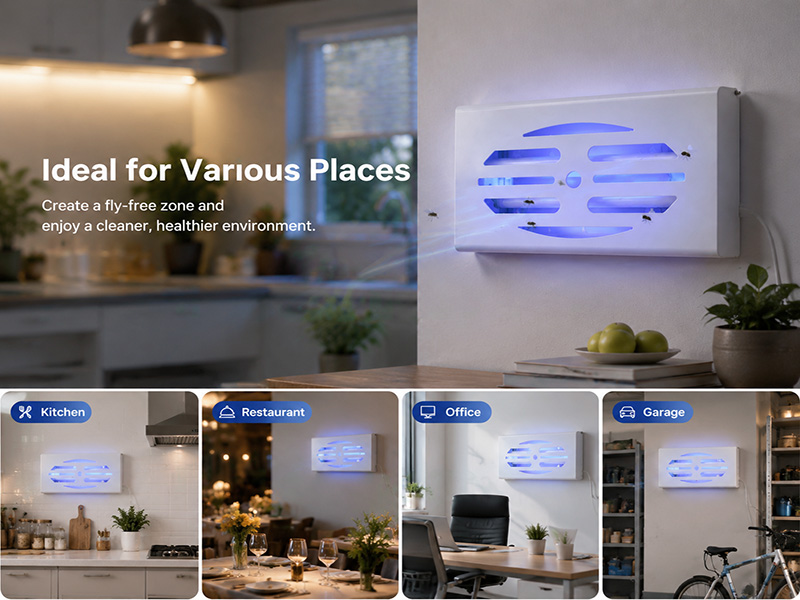
The space between your high-speed exterior doors and your chilled storage doors is the critical buffer zone. Never use wet organic lures here. Instead, install a low-profile Hanging Fly Trap fitted with shatterproof UV lamps and high-tack glue boards.
Position these units at a height of 2 to 3 metres on side walls, perpendicular to the dock door openings. Never mount a UV trap directly opposite an exterior roller door. Doing that simply creates an illuminated beacon that pulls insects inside during dusk operations.
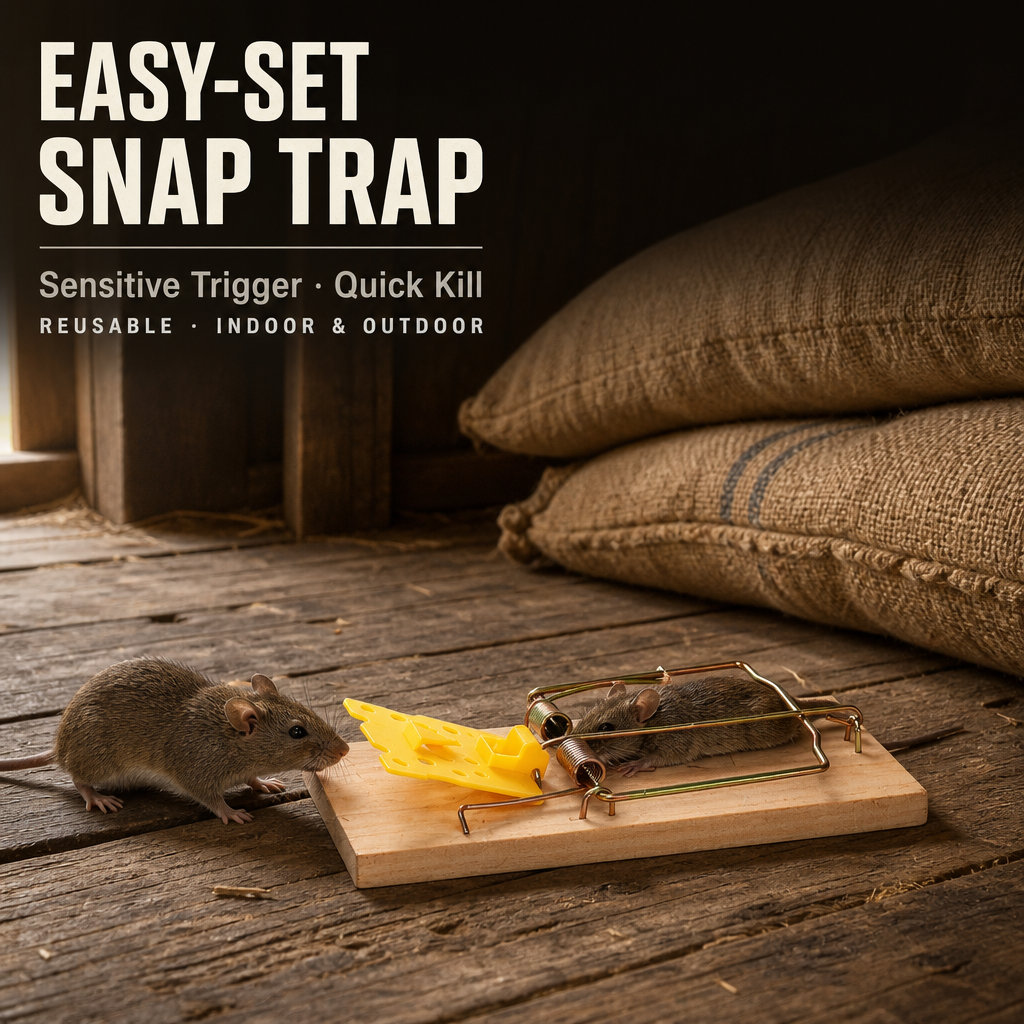
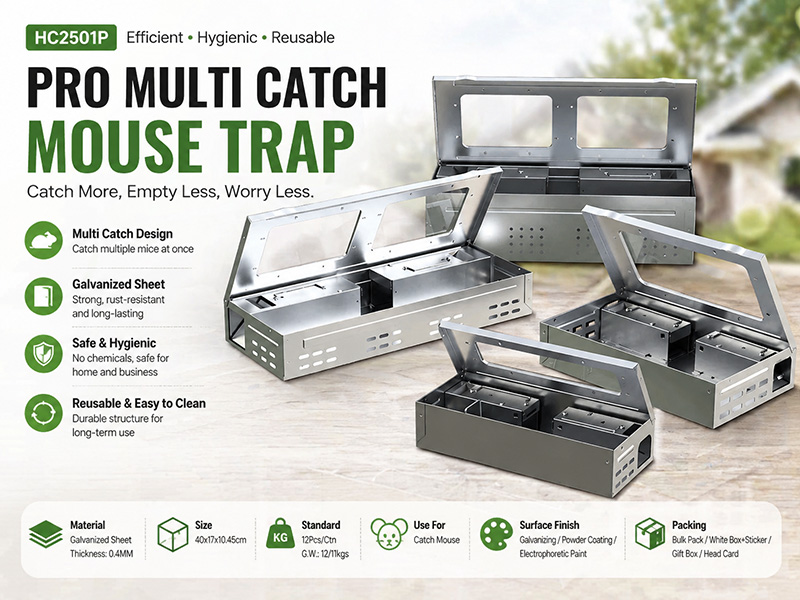
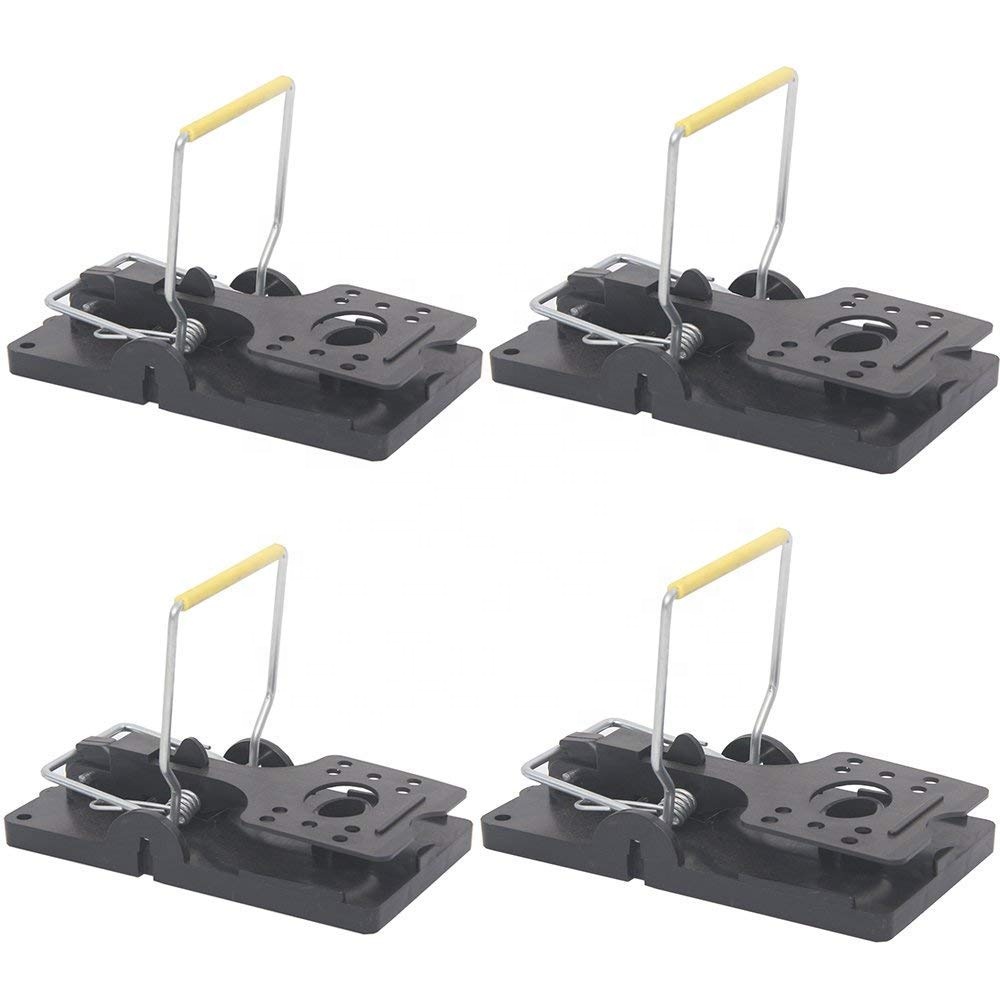
Integrated facility defense often calls for managing multiple pest pressures simultaneously around these loading docks. Maintenance managers frequently combine fly traps with mechanical perimeter hardware like a sturdy Wood Mouse Trap array in tamper-resistant stations, a heavy-duty bait station wholesale setup, or Plastic Fence Spikes along canopy ledges to stop bird roosting. For broad-spectrum structural protection, facilities also deploy a Hanging Reflective Bird Deterrent Device alongside a certified Insect Glue Trap network, often procuring these via trusted channels like a red anti-aves distribuidor or commercial Bird deterrent systems wholesale Canada vendor network. Even cross-dock workers benefit when facilities provide clip-on Mosquito Repellent Patches during humid night shifts.
Zone 3: Chilled Staging & Packaging Stores (0°C to 8°C)
Inside the refrigerated zone, low temperatures suppress fly flight, but condensation gutters and drainage sumps can still harbour small flies. Deploy discrete monitoring boxes equipped with an enzymatic fruit fly lure. Check these weekly. Any insect activity inside this zone indicates structural ingress through dock seals or compromised floor drains that require physical cleaning.
Step-by-Step Implementation: Installation & Maintenance Cycles
Getting reliable results requires a disciplined maintenance routine. Follow this operational schedule to maintain continuous compliance without gaps in protection.
[ STEP 1: Bait & Deploy ] --> [ STEP 2: Weekly Inspection ] --> [ STEP 3: 30-Day Rotation ]
Add lukewarm water to Check liquid level & glue Replace full outdoor bags;
outdoor bags; hang at board dust loading; log swap glue boards; refresh
1.8m height along fences. counts for BRCGS audit. internal liquid lures.
- Activation and Rigging (Outdoor Traps)
Fill the outdoor trap bag with lukewarm water up to the designated fill line. Shake briefly to dissolve the internal lure pouch. Hang the trap at a height of 1.5 to 1.8 metres using weather-resistant cable ties or 304 SS carabiners. Fasten them securely. A loose trap swinging violently in heavy UK winds will spill attractant and lose its fluid column.
- Buffer Zone Calibration
Mount indoor glue units away from competing light sources. Avoid placing them directly in the path of ceiling-mounted air curtains or evaporative blowers. High-velocity air currents prevent flies from making a stable landing on the capture surface.
- Weekly Inspection and Auditing Logs
Assign your pest control technician or in-house team to inspect outdoor bag fluid levels weekly during summer peaks. In warm, dry weather, evaporation occurs; top up with clean water as needed to keep the drowning solution active. Record catch densities on your facility IPM log sheet.
- Scheduled 30-to-45-Day Replacement
When the slurry fills with trapped insects, or after 30 to 45 days of summer exposure, seal the top cap tightly. Dispose of the entire bag in external general waste skips. Replace internal glue boards every month, or sooner if loading bay dust has coated the adhesive.
Common Mistakes & Audit Pitfalls to Avoid
Even seasoned facility engineers make avoidable mistakes with fly hardware. Audit failures usually boil down to poor trap selection or careless placement.
- Placing Pungent Lures Indoors: Never hang an enzymatic water-based trap bag inside a warehouse, dock vestibule, or anywhere near staff access doors. The smell is intense. Once inside, it draws thousands of flies directly into your clean zones.
- Neglecting UV Tube Maintenance: UV-A output degrades long before the human eye detects any change in colour. Tubes must be replaced every 12 months, ideally in early spring before the first warm cycle begins.
- Ignoring Evaporation Rates: An outdoor fly bag that dries out ceases to catch flies and becomes a feeding table for wasps. Keep liquid levels above the minimum operating mark.
- Overlooking Secondary Pests: Food storage operations must maintain full physical monitoring. Pair your fly hardware with baseline crawling insect traps to prevent beetles and weevils from contaminating packaging stores.
Frequently Asked Questions
Q: Where is the best location to hang a Big Fly Trap Bag around a food warehouse?
A: Position the Big Fly Trap Bag along the exterior perimeter fence, roughly 15 to 30 metres away from loading docks and pedestrian entrances. Place them in sunny areas where ambient heat activates the natural lure. Never mount these units on the exterior walls of the facility itself, as the scent trail can guide flies directly toward dock openings.
Q: How often should we replace the fruit fly lure in cold storage buffer zones?
A: Liquid and gel fruit fly lure stations should be inspected weekly and replaced every 30 days. In high-airflow buffer areas or near refrigeration unit drafts, evaporation happens faster, requiring top-ups or full replacements every 3 to 4 weeks to maintain strong monitoring efficacy.
Q: Can a Hanging Fly Trap be used inside refrigerated rooms operating at 4°C?
A: Yes, but choose units with specialized low-temperature glue boards. Standard adhesive compounds can crystalize and lose tackiness at low temperatures. Ensure the Hanging Fly Trap uses shatterproof UV lamps to meet BRCGS and IFS glass-free policies in food storage environments.
Q: Are water-based outdoor fly trap bags safe for BRCGS audited facilities?
A: Yes. High-quality outdoor bags from FliesTrap use non-toxic, pesticide-free attractants that comply fully with REACH and standard pest audit requirements. Because they are deployed strictly outdoors on fence lines, they provide an effective non-chemical physical barrier without introducing chemicals to the food supply chain.
Q: How many outdoor fly traps are needed for a standard commercial logistics yard?
A: Standard practice is placing one large-capacity trap bag every 10 to 15 linear metres along the perimeter facing waste compactors, drainage ditches, or adjacent agricultural land. A typical logistics facility with a 100-metre boundary requires approximately 6 to 10 units for comprehensive barrier interception.
Proven Physical Pest Control for Food Facilities
Controlling flies across cold storage and food logistics hubs is all about layered physical defense. Intercept pests at the property boundary with outdoor attractant bags, trap strays in transition vestibules with UV glue units, and monitor floor drains using targeted non-toxic lures. This physical approach protects product integrity while keeping your facility audit-ready throughout the active fly season.
FliesTrap by Haierc brings over 18 years of manufacturing experience to commercial pest management. We supply pest control operators, facility distributors, and hygiene teams across the UK, Germany, North America, and Australia with professional-grade physical traps, non-toxic lures, and monitoring hardware. All units are manufactured under ISO9001 quality controls and fully compliant with CE, REACH, and RoHS standards.
Need reliable physical fly control hardware for your distribution network or facility client contracts? Contact our engineering team at sales@fliestrap.com or explore technical datasheets and sample packs at https://www.fliestrap.com. Standard production lead times run 15 to 25 days with private label OEM packaging available from 500 units.
- Share this:

-



Category
Trending Now