


 Bird & Pigeon Pest Control
 MOUSE & RAT Pest Control
 Fly Pest Control
 Cockroach Pest Control
 Mosquito Pest Control
 Mole Pest Control
 Wasp Pest Control
 Moth Pest Control
 Bed Bug & Flea Pest Control
 Ant & Termites Pest Control
 Spider Pest Control
 Other Insect Pest Control
 Snake Pest Control
 Snail & Slug Pest Control
 Wildlife Pest Control
 Garden Products
 Virus Control
 Smart AI Trap
 Insecticides


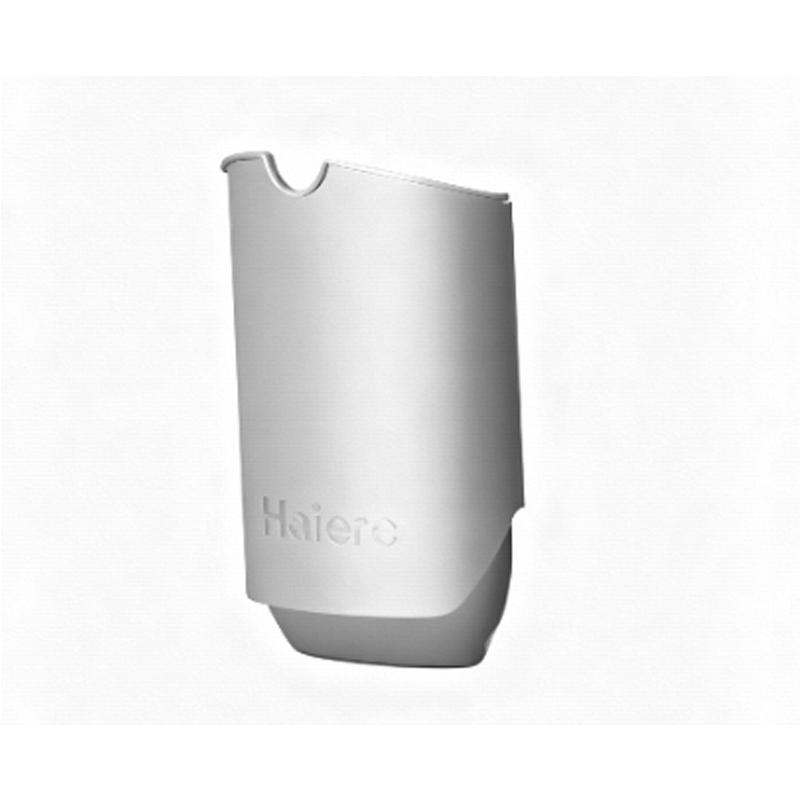
Flour dust, warm proofer zones, and sweet glazes create constant insect pressure across high-volume dough and baking lines. Determining the right density of hardware—such as positioning a commercial uv fly killer for bakery operations near transit doors rather than open mixing vats—keeps flying pests away from exposed food contact surfaces without contaminating product streams.
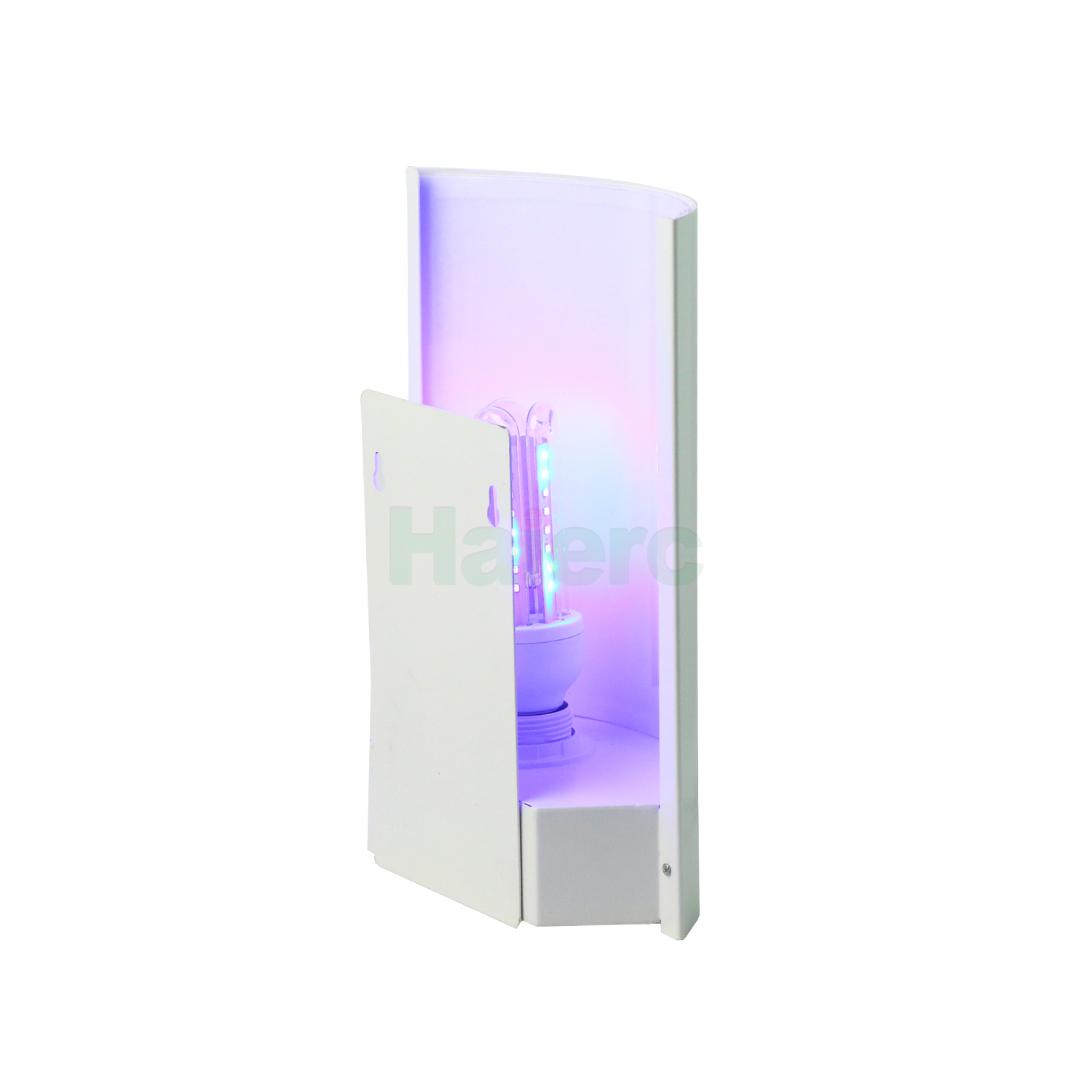
Facility layout directly dictates coverage requirements, meaning a single commercial grade unit like the Flies/Insect Trap Lamp (HC5115) cannot secure an entire processing space alone. Room volume, airflow from ovens, and structural partitions all influence how many light traps are necessary to intercept insects before they enter cooling and packaging zones.
The Short Answer
A typical bakery production floor requires one commercial unit for every 40 to 60 square meters of floor space, with extra coverage prioritized near loading docks, ingredient intake zones, and packaging stations. High-heat zones around ovens disperse insect attractants rapidly, so hardware must be arranged to intercept flying pests along access corridors before they reach exposed dough or cooling racks.
What to Assess Before You Choose
Determining the correct hardware density on a bakery production floor requires a thorough assessment of operational variables before mounting any hardware.
Site Conditions
Ambient temperature, airflow patterns, and humidity levels dictate how attractants disperse and where insects travel. Radiant heat from proofing rooms, ovens, and cooling racks creates microclimates that alter pest behavior, while high-velocity exhaust hoods can pull light-attracted pests across work zones. High ceilings, mezzanine layouts, and natural light ingress from loading docks also dilute artificial light output, requiring tighter spacing between hardware placements to maintain an uninterrupted coverage grid.
Pest Pressure and Species
Different target species demand distinct interception strategies. Bulk ingredient stores and dough-mixing lines attract flour moths and beetles, whereas warm, sweet waste zones around icing stations and packaging lines draw houseflies, blowflies, and fruit flies. The flight dynamics, visual acuity, and attractant response vary significantly across these groups. Areas directly adjacent to ingredient receiving bays or waste compaction stations experience heavier incoming surges, requiring higher light density and larger glue catchment zones to handle rapid bio-loading without blinding the adhesive surface.
Access and Maintenance
Hardware placement must account for regular inspection, adhesive board replacement, and seasonal bulb swaps without interrupting production lines. Devices positioned directly over open mixers, conveyor belts, or exposed cooling baked goods create contamination hazards during servicing. Mounting positions should remain reachable via standard step stools rather than requiring specialized lift equipment over food-contact machinery. Units such as Flies/Insect Trap Lamp (HC5115) should be installed along transit corridors, service aisles, and side perimeters where facility technicians can safely execute monthly audits.
Setup Step by Step
Establishing the proper trap density across a bakery floor requires a methodical assessment of airflow, flour dust concentrations, and ingress paths.
Step 1: Survey the Site
Map the entire bakery layout to pinpoint ingredient storage, dough mixing stations, proofing rooms, and final packaging zones. Note exterior doors, loading bays, and waste disposal chutes as primary ingress zones. Measure the ambient light levels and map forced-air drafts from cooling tunnels or HVAC vents, as strong air currents can disrupt insect flight paths toward traps.
Step 2: Select the Hardware
Match trap specifications directly to room conditions. For dough-kneading and packaging lines, prioritize adhesive catch boards over high-voltage grids to reduce the risk of insect fragmentation contaminating exposed foodstuffs.
Step 3: Install and Position
Deploy each uv fly killer for bakery operations between entry thresholds and open dough zones, intercepting pests before they reach warm proofing cabinets. Mount devices at heights between 1.5 and 2 meters, clear of competing daylight from windows or exterior doors. Position units such as Flies/Insect Trap Lamp (HC5115) perpendicular to prevailing draft directions without placing them directly over open ingredient vats, ovens, or conveyor belts.
Step 4: Inspect and Record
Establish a strict weekly monitoring schedule to check catch densities across all boards. Count and categorize trapped flies to detect population spikes near ingredient delivery points. Clean housings to remove flour residue, swap full adhesive inserts promptly, and log tube operating hours to ensure consistent ultraviolet output across production cycles.
Common Mistakes to Avoid
- Mounting devices directly over open food lines: Positioning units immediately above dough mixing troughs, cooling racks, or packaging lines creates severe contamination hazards from falling insects, even when using glue-board hardware.
- Placing traps directly opposite exterior doors or windows: UV emission visible from outside actively draws flying insects inward from loading docks and ventilation points. Position fixtures perpendicular to entrance paths and below ambient light interference so pests encounter interception points only after entering the facility.
- Ignoring moisture and washdown demands: Standard commercial units fail prematurely when installed in wet sanitation areas, proofing rooms, or pan-washing stations.
Frequently Asked Questions
Facility managers often have operational concerns when planning layout densities and hardware upkeep across food production zones.
Q: How often should the setup be inspected?
Weekly inspections work best for checking catch boards and monitoring pest counts during peak baking cycles. Catch trays and glue surfaces require replacement immediately once debris buildup reduces trapping efficiency.
Q: Can this hardware be combined with other control methods?
p>These capture devices integrate smoothly with air curtains, automated door seals, and structural exclusion practices to form a reliable barrier. Physical traps support passive perimeter defenses without interrupting ongoing mixing, proofing, or packaging tasks. Coordinating equipment with regular sanitation keeps surrounding flour dust from accumulating on internal components.
Q: What should buyers check before ordering in bulk?
p>Procurement teams should evaluate room square footage, ceiling heights, and nearby ambient light sources that might disrupt attractant wavelengths. Verifying electrical access points and structural mounting surfaces ensures that choosing a dedicated uv fly killer for bakery operations fits the facility floor plan.
About FliesTrap by Haierc
FliesTrap is the fly and hygiene-insect brand of Haierc PCO, a Tianjin manufacturer with 18+ years of pest-control hardware experience and 1000+ items in production. Haierc holds ISO9001; products are offered to CE, REACH and RoHS requirements where applicable; the factory is BSCI and SEDEX audited. Commercial terms: MOQ from 100 pcs; OEM / private label from 500 pcs. Contact: info@haierc.com | +86 18602234188 | https://www.fliestrap.com
- Share this:

-


Category
Trending Now