


 Bird & Pigeon Pest Control
 MOUSE & RAT Pest Control
 Fly Pest Control
 Cockroach Pest Control
 Mosquito Pest Control
 Mole Pest Control
 Wasp Pest Control
 Moth Pest Control
 Bed Bug & Flea Pest Control
 Ant & Termites Pest Control
 Spider Pest Control
 Other Insect Pest Control
 Snake Pest Control
 Snail & Slug Pest Control
 Wildlife Pest Control
 Garden Products
 Virus Control
 Smart AI Trap
 Insecticides


Industry News
How to identify silverfish activity with insect monitors in damp storage
 By
2026-10-28
read

Introduction — Scenario Pain Point
Corrugated cardboard boxes sit stacked against concrete walls. Moisture seeps upward from the foundation slab, softening the bottom layer of packaging. Pulling back a skid often reveals silvery, carrot-shaped bodies darting across the cold floor into expansion joints. Silverfish work quietly in dark microclimates. By the time warehouse workers notice irregular holes in paper labels, chewed book bindings, or yellow stains across stored textiles, an infestation has already taken hold.
Executing structured silverfish monitoring in damp storage areas gives technicians clear visibility into low-level pest movement before expensive stock destruction happens. Silverfish do not march across open floor plans in broad daylight. They are nocturnal, fast, and sensitive to vibrations. Guesswork will not reveal whether a corner harbors two individuals or an expanding breeding population. Adhesive monitoring hardware tracks pest presence around the clock. It provides quantifiable catch data so facility teams can verify whether environmental controls are delivering results.
Root Causes of Silverfish Infestations in Storage Rooms
Silverfish (Lepisma saccharinum) seek out environments where relative humidity remains consistently elevated and temperatures sit in moderate ranges. Damp storage facilities offer ideal conditions. Subterranean basements, ground-level stockrooms, and facility corners near uninsulated exterior loading docks constantly trap moisture. Condensation builds along cold perimeter walls whenever warm outside air hits chilly concrete slabs.
Food sources are widespread in warehousing environments. Silverfish consume starches, dextrin glues, sizing agents in paper, wallpaper paste, and synthetic fabrics. When corrugated boxes absorb ambient humidity, the starch-based adhesives binding the corrugation flutes become soft and digestible. Unsealed packaging materials turn into sustained food sources for both adult silverfish and developing nymphs.
Facility structure often accelerates the problem. Floor cracks, plumbing pipe chases, drainage sumps, and loose baseboards provide dark harborage zones right beside moist concrete. Silverfish exhibit thigmotaxis, which means they prefer resting where their bodies touch surfaces on multiple sides. If damp air collects in floor-to-wall junctions, silverfish gather in those precise crevices. Without reliable physical monitors positioned at structural junctions, infestations expand unnoticed behind pallets for months.
Step-by-Step Guide to Effective Silverfish Detection
Accurate insect tracking requires consistent positioning, routine data collection, and methodical inspection. Follow these four steps to establish an insect monitoring baseline inside damp storage areas.
Step 1: Map the Perimeter and High-Moisture Zones
Begin by identifying where moisture accumulates. Walk the facility perimeter with a handheld thermal hygrometer or surface moisture meter. Mark locations showing elevated humidity, including:
- Concrete expansion joints along foundation footings.
- Plumbing risers, floor drains, and fire sprinkler control valves.
- Cold exterior walls where pallets sit stacked directly against masonry.
- Unconditioned storage corners adjacent to damp loading bay doors.
Draw a schematic of the room. Assign each monitoring station a designated number on the floor plan so technicians do not skip check points during service rounds.
Step 2: Assemble and Place Sticky Insect Monitors
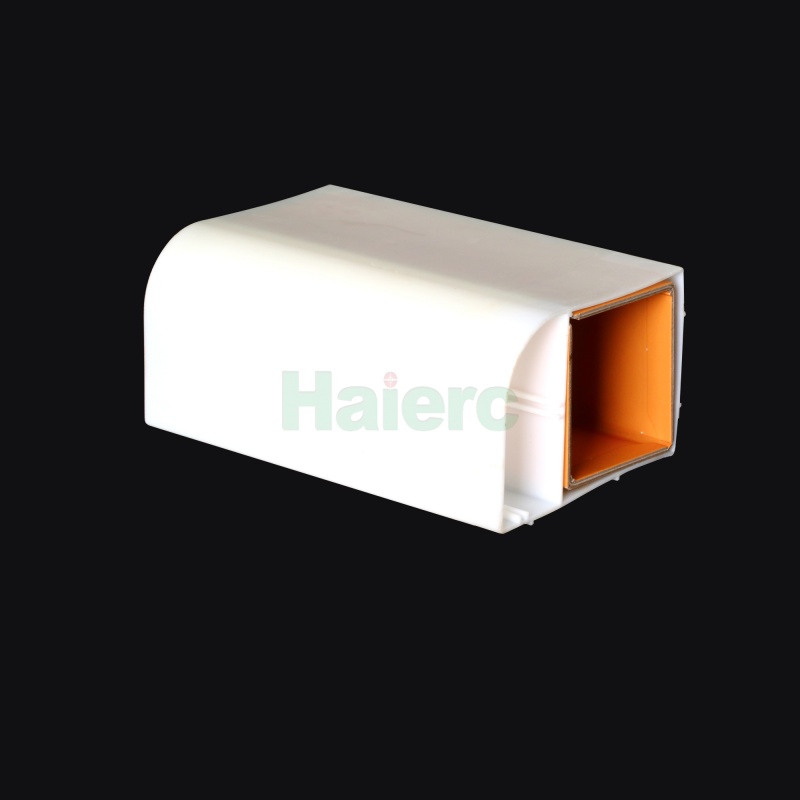
Select flat-folding insect adhesive boards. Fold the paper monitors into rectangular housing tunnels to shield the interior glue surface from airborne warehouse dust and accidental kicking.
Place each monitor directly on the floor flush against the baseboard or structural footing. Silverfish travel along surface edges rather than traversing open warehouse aisles. Placing a monitor even three inches away from the wall drastically lowers interception rates. Position monitors at 10-to-15-foot intervals along suspected walls, and slide secondary monitors under bottom pallet rack beams directly over slab seams.
Step 3: Implement a Regular Inspection Cadence
Inspect monitoring stations every 14 days during initial assessment periods. In active commercial facilities, bi-weekly checks ensure that early pest arrivals are logged before packaging damage spreads. Keep an inspection logbook to record:
- Date of inspection.
- Station identifier and room zone.
- Number of silverfish caught (distinguishing nymphs from adults).
- Secondary pests captured (such as psocids, dermestid beetles, or roaches).
- Monitor physical condition (dust saturation, moisture warping, or glue drying).
Replace monitors if cardboard housings suffer heavy water damage or if dust layers coat the adhesive surface.
Step 4: Interpret the Catch Data
A single adult silverfish on a sticky board might indicate a transient insect entering via inbound shipments. Capturing multiple nymphs in the same station indicates an active breeding harborage within a few feet of that monitor. If catches cluster tightly around a specific wall penetration or floor drain, direct maintenance teams to seal surrounding voids with polyurethane sealant. If catches are scattered uniformly along the entire wall line, ambient relative humidity across the room must be reduced using commercial dehumidification equipment.
In multi-pest storage environments, comprehensive monitoring often requires different tool configurations. Crawling insects are captured on floor boards along baseboards and racking lines, providing clear data on structural entry points and perimeter harborage.
Best Practices for Silverfish Monitoring in Damp Storage Areas
Deploying dedicated traps for silverfish monitoring in damp storage areas requires strict attention to physical hardware placement and local microclimates. Avoid positioning paper traps in open walkways or directly in active forklift lanes where vibrations deter nocturnal bristletails and heavy machinery risks crushing the monitors.
Keep monitoring stations protected from direct splashing. If floors are regularly wet-scrubbed or hosed down, position monitors on elevated ledges or use moisture-resistant housings slightly above the splash line. Glue boards serve as a surveillance grid rather than an exclusion barrier. Their primary task is catching pests to reveal population density and harborage locations.
Do not overlook pallet construction. Wooden skids absorb moisture directly from damp concrete slabs. When inspecting monitors, slide sticky boards directly between bottom pallet runners where wood touches the floor. If silverfish are feeding on box labels, slide low-profile monitors directly onto the lower pallet shelves beside corrugated materials.
Clean the surrounding floor area carefully when placing traps. Remove loose debris, paper fragments, and excessive dust using a HEPA vacuum. Removing competing cellulose debris encourages silverfish to move along baseboards where they contact adhesive surfaces.
Selecting the Right Insect Monitors for High-Moisture Rooms
Selecting durable monitoring hardware determines how long tracking stations remain viable inside humid storage rooms. Standard paper glue traps degrade quickly if bottom liners absorb floor dampness. High-grade monitoring units balance low-profile placement with sufficient structural integrity.
For targeted monitoring, flat-fold adhesive monitors made from treated board materials deliver consistent performance without curling under ambient storage dampness.
Key monitoring units suited for damp storage facilities include:
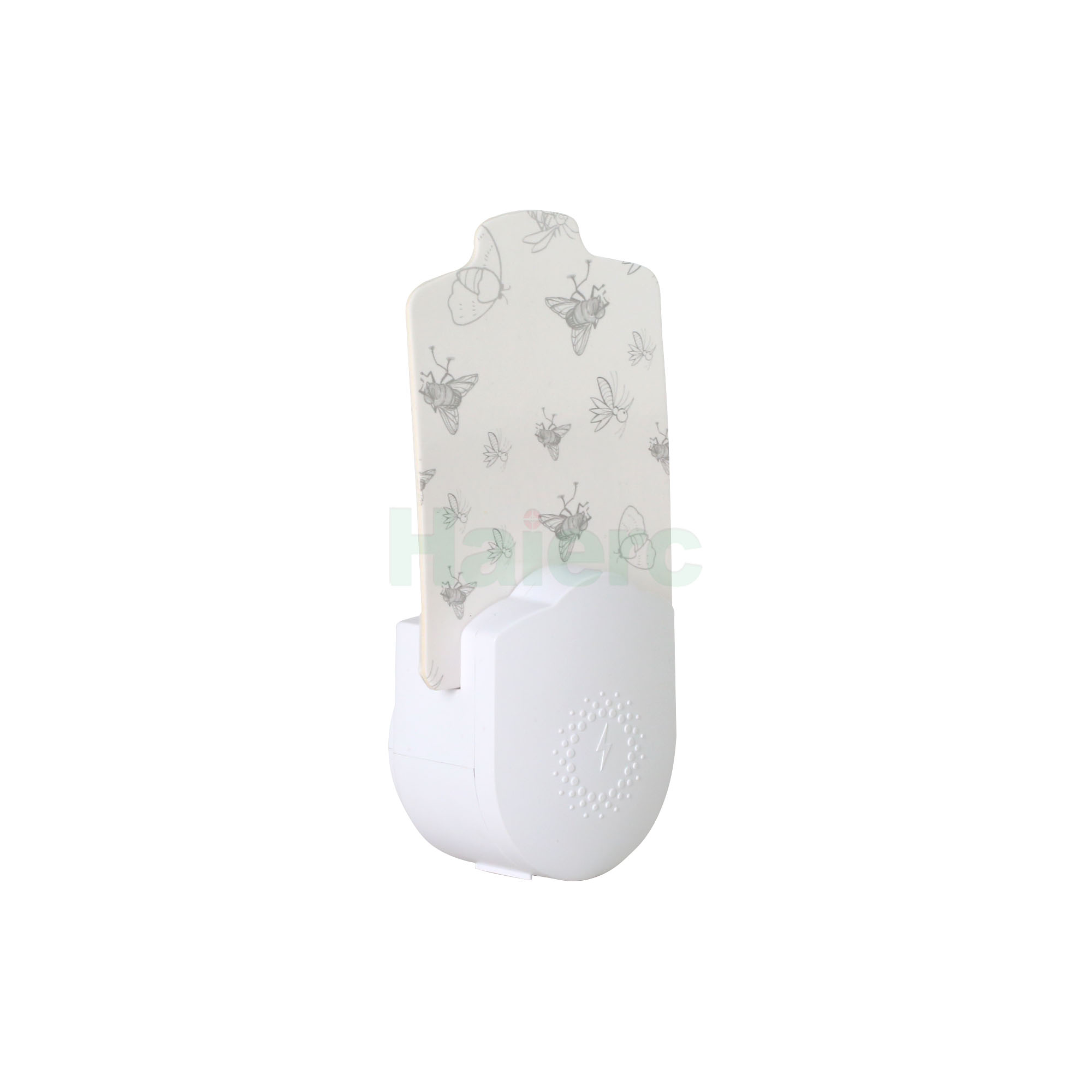
- Insect Monitor Trap (HC4610): Material: Paper+Glue. This unit features an adhesive surface designed to retain crawling insects upon light contact. The foldable paper housing creates a low-profile tunnel that protects the glue surface from airborne facility dust while providing the dark, narrow entry slot that thigmotactic silverfish naturally explore.
- Insect Monitor Trap (HC4602): Material: Paper+Glue. A compact alternative designed for tight floor junctions, baseboard corners, and pallet rack legs. Its low entry profile allows placement under low-clearance storage shelving where silverfish harbor.
- Cockroach/Roach Glue Trap (HC4109): A glue board option when storage zones show overlapping activity of silverfish and crawling blattids along damp foundation perimeters.
| Product Name | Model / SKU | Category | Material Composition | Primary Facility Application |
|---|---|---|---|---|
| Insect Monitor Trap | HC4610 | Paper+Glue | Perimeter baseboards, warehouse pallet lines | |
| Insect Monitor Trap | HC4602 | Paper+Glue | Narrow shelving voids, pipe chases, corners | |
| Cockroach/Roach Glue Trap | HC4109 | Paper+Glue | Damp floor perimeters with mixed crawling pests |
When specifying monitoring boards for multi-zone commercial properties, maintain hardware consistency across zones. Using identical monitor styles allows technicians to compare capture counts accurately between dry distribution areas and humid storage basements.
Mistakes to Avoid & Pro Tips
Avoid these frequent operational errors when conducting pest monitoring programs:
- Placing traps away from wall edges: Silverfish rarely wander across the middle of an open floor. Placing traps in the center of an aisle results in zero catches even during severe infestations. Always ensure monitor edges sit flush against structural surfaces.
- Ignoring monitor replacement dates: Glue boards left in damp rooms for several months collect dust, dead insects, and moisture. Adhesive loses tackiness over time. Replace boards every 30 to 60 days, or sooner if dust accumulation coats the surface.
- Failing to differentiate silverfish from firebrats: Silverfish prefer cool to moderate damp spots. Firebrats (Thermobia domestica) prefer hot, dry environments near boiler rooms and steam pipes. Misidentifying the insect leads to targeting the wrong physical conditions.
- Treating glue traps as complete eradication tools: Traps are diagnostic monitors. If monitors fill up with silverfish, relying solely on sticky boards will not solve the problem. Combine trap data with humidity reduction, crack sealing, and physical sanitation.
- Overlooking secondary insect species: A damp storage room that hosts silverfish often attracts other moisture-loving pests. Look closely at monitor catches for small psocids (booklice) or plaster beetles. Identifying accompanying species confirms whether sustained dampness is affecting inventory.
Frequently Asked Questions
Q: How do you tell the difference between silverfish and firebrats on an insect monitor?
A: Silverfish feature a uniform metallic, silvery-grey sheen and thrive in cool, damp microclimates. Firebrats display mottled brown and grey patches across their backs and prefer warmer areas near heating systems or ovens. Deploying the Insect Monitor Trap (HC4610) allows technicians to inspect the specimens closely under lighting to verify physical coloration and body shape.
Q: Where is the best location to place an insect monitor for silverfish in a basement storage unit?
A: Position monitors directly against baseboards, structural pillars, and along expansion cracks in the concrete floor. Focus on dark corners, areas beneath pallet racks, and zones adjacent to plumbing risers. The Insect Monitor Trap (HC4602) can be placed directly under low-clearance storage shelving where ambient moisture collects.
Q: How often should insect monitor traps be checked and replaced in damp storage facilities?
A: Inspect monitors every 14 days during active surveillance. In commercial facilities, replace the Insect Monitor Trap (HC4610) every 30 to 60 days. If the room has heavy dust levels or high humidity that warps paper housings, replace boards sooner to ensure the adhesive remains tacky.
Q: Can sticky insect monitors eliminate an entire silverfish population on their own?
A: No, sticky monitors are diagnostic tools designed to intercept and record pest activity rather than eradicate established colonies. They help technicians pinpoint harborage points and population density. Total resolution requires reducing storage room humidity, fixing leaks, and sealing cracks alongside monitoring with the Cockroach/Roach Glue Trap (HC4109) or specialized insect monitors.
Q: What causes silverfish to suddenly appear in commercial archives and paper storage rooms?
A: Humidity spikes, plumbing leaks, or inbound shipments of cardboard boxes carrying nymphs cause sudden silverfish outbreaks. Cardboard adhesives provide abundant food. Placing continuous monitoring stations like the Insect Monitor Trap (HC4610) along perimeter walls alerts facility managers before pests cause irreversible paper destruction.
Conclusion
Detecting silverfish activity before inventory sustains irreversible damage requires structured monitoring protocols. Relying on random visual sightings leaves facilities vulnerable to hidden infestations expanding behind pallet racks and foundation joints. By deploying reliable adhesive monitors flush against damp perimeter walls, establishing bi-weekly inspection routines, and tracking capture counts, facility managers gain the verifiable data needed to resolve root moisture issues.
Review your storage room layouts and update your facility monitoring hardware. For full product catalog specifications, technical data sheets, or commercial supply inquiries regarding the Insect Monitor Trap (HC4610) and Insect Monitor Trap (HC4602), contact our technical support team at info@haierc.com or call +86 18602234188. Detailed monitoring trap documentation is available at https://www.fliestrap.com.
About FliesTrap by Haierc
FliesTrap is the fly and hygiene-insect brand of Haierc PCO, a Tianjin manufacturer with 18+ years of pest-control hardware experience and 1000+ items in production. Haierc holds ISO9001; products are offered to CE, REACH and RoHS requirements where applicable; the factory is BSCI and SEDEX audited. Commercial terms: MOQ from 100 pcs; OEM / private label from 500 pcs. Contact: info@haierc.com | +86 18602234188 | https://www.fliestrap.com
- Share this:

-


Category
Trending Now