


 Bird & Pigeon Pest Control
 MOUSE & RAT Pest Control
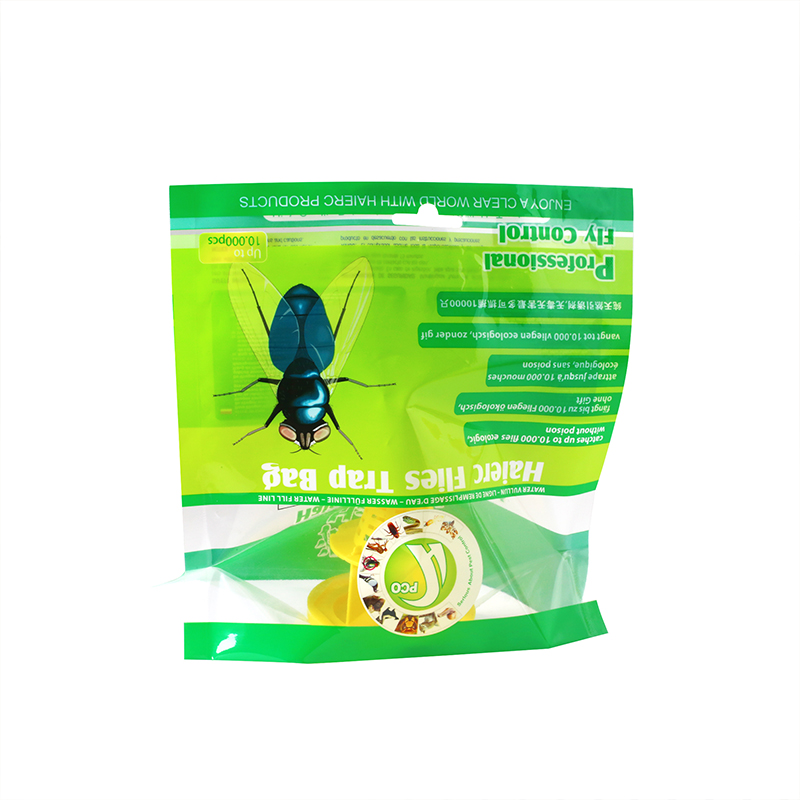
 Fly Pest Control
 Cockroach Pest Control
 Mosquito Pest Control
 Mole Pest Control
 Wasp Pest Control
 Moth Pest Control
 Bed Bug & Flea Pest Control
 Ant & Termites Pest Control
 Spider Pest Control
 Other Insect Pest Control
 Snake Pest Control
 Snail & Slug Pest Control
 Wildlife Pest Control
 Garden Products
 Virus Control
 Smart AI Trap
 Insecticides


What Pheromone Change Interval Do Warehouse Moth Programs Need?
Walk the perimeter of a dry food distribution dock on an August afternoon and the problem makes itself plain. You see a stray adult Plodia interpunctella resting on a structural steel upright, then another near the overhead door seal. Traps hang from the wire decking overhead, but the sticky surfaces look dusty and dry. Establishing the right warehouse moth pheromone interval is often the difference between catching an introduction early and facing thousands of dollars in rejected pallets. If lures sit past their active release life, the monitoring grid goes blind. Insects multiply inside corrugate fluting long before flight activity alerts floor staff.
Pheromone monitoring does not eradicate a population directly. Instead, it provides actionable flight data for integrated pest management (IPM) technicians. The lures release synthetic female sex attractants, typically volatile long-chain hydrocarbons, designed to draw male moths into a collection zone. Once the chemical reservoir depletes, trap capture plummets to zero. Technicians often assume the facility is clean when the lure has simply expired.
Managing stored-product moths requires disciplined maintenance schedules, proper hardware selection, and a clear understanding of environmental conditions. In commercial warehousing, secondary pests like drain flies, fruit flies, and houseflies also exploit spilled organics, meaning a multi-tactic monitoring approach is standard practice. In climate-controlled dry storage maintained at 65°F (18°C), standard rubber septa or membrane lures release attractant steadily over eight to twelve weeks. Warehouses rarely offer steady microclimates. Loading docks experience extreme temperature fluctuations, direct sun exposure during staging, and high-velocity air drafts from open bay doors.
Thermal stress significantly accelerates dissipation. When roof temperatures exceed 90°F (32°C) during North American summer months, volatile pheromones vaporize at twice their rated speed. A dispenser rated for 60 days can burn through its payload in under four weeks. High-velocity air currents from dock door fans or exhaust louvers dilute the pheromone plume, preventing moths from orienting along the scent gradient toward the adhesive liner.
Dust represents the second physical failure mode. Forklift traffic grinds wood pallet fragments, cardboard dust, and spilled commodity powders into fine airborne particulates. These particulates coat the adhesive floor of monitoring stations within days. Even when a pheromone capsule continues emitting attractant, visiting insects bounce off the dust-saturated surface without adhering. Trap liners that look full of debris have lost all monitoring capacity.
Interference from mixed pest pressures complicates facility sanitation. In logistics centers handling beverage stock or wet produce alongside bagged grain, vinegar flies exploit broken cartons while Indian meal moths target animal feed. Map the Grid Layout
Install traps along structural columns at intervals of 30 to 50 feet throughout susceptible storage areas. Hang units at eye level, roughly 5 to 6 feet from the finished floor. Moths fly near ceiling trusses, but technicians cannot inspect hardware mounted 25 feet up without specialized lifts. Position stations away from exterior loading dock doors. Lures placed right at open doors pull feral insects from exterior dumpsters inside, generating false positive signals.
2. Establish Base Replacement Frequencies
For standard dry warehouses, replace pheromone capsules every 60 days under normal operating temperatures. Shorten this interval to 30 to 45 days in unconditioned distribution centers between May and September. Replace sticky liners every 30 days regardless of lure age. If dust accumulation obscures more than 30 percent of the adhesive surface, discard and replace the liner immediately.
3. Service with Clean Hands and Forceps
Skin oils, tobacco residue, and insect repellent residues transfer onto pheromone carriers during handling. Use disposable nitrile gloves or dedicated forceps when opening sealed foil packets and positioning septa onto the trap floor. Drop the lure directly into the center of the adhesive pad. Never crush or pierce sealed membrane dispensers, as puncturing ruins the regulated vapor delivery membrane.
4. Count and Trend Findings
Log insect counts weekly on a facility monitoring diagram. Track specific pest species: Indian meal moth (Plodia interpunctella), Mediterranean flour moth (Ephestia kuehniella), or warehouse beetle (Trogoderma variabile). A sudden jump from one insect per trap to five or more across two consecutive weeks indicates localized commodity infestation rather than background transit migration.
5. Coordinate Secondary Monitoring Tools
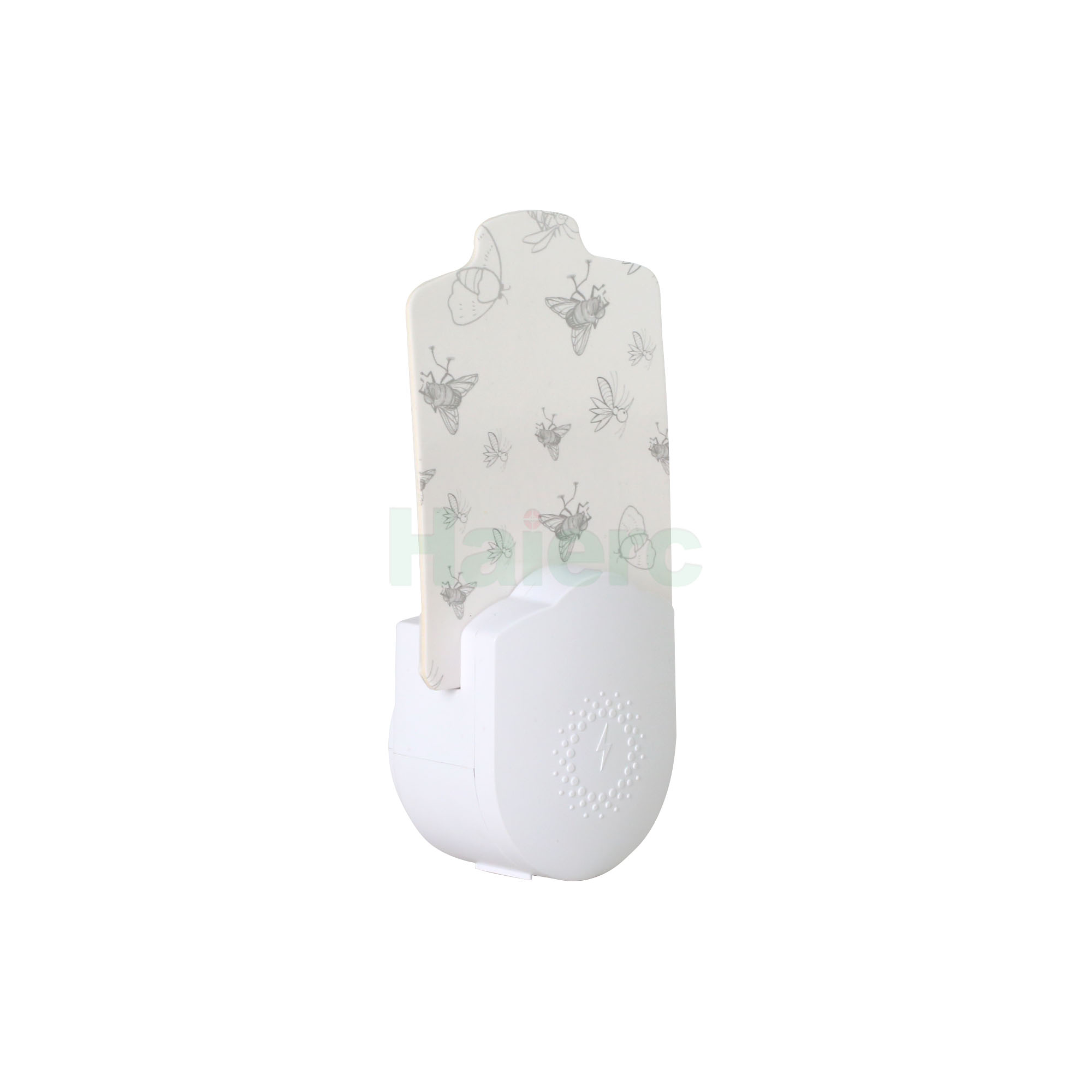
Where facilities face flying insect complexes, moth traps form only one tier of physical monitoring. Integrate an overhead UV fly killer above pedestrian egress points to intercept filth flies, while deploying a glue board fly trap along dark lower wall perimeters to intercept beetles and incidental crawling pests. Keep UV units positioned away from moth grids so competing light spectra do not disrupt pheromone flight paths.
Recommended Monitoring Hardware for Food Facilities
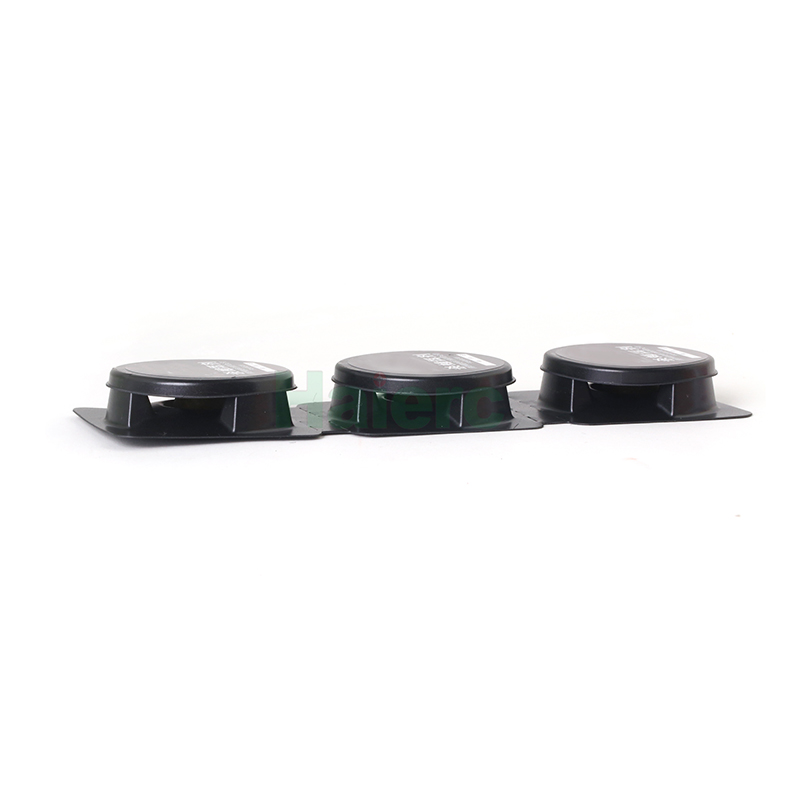
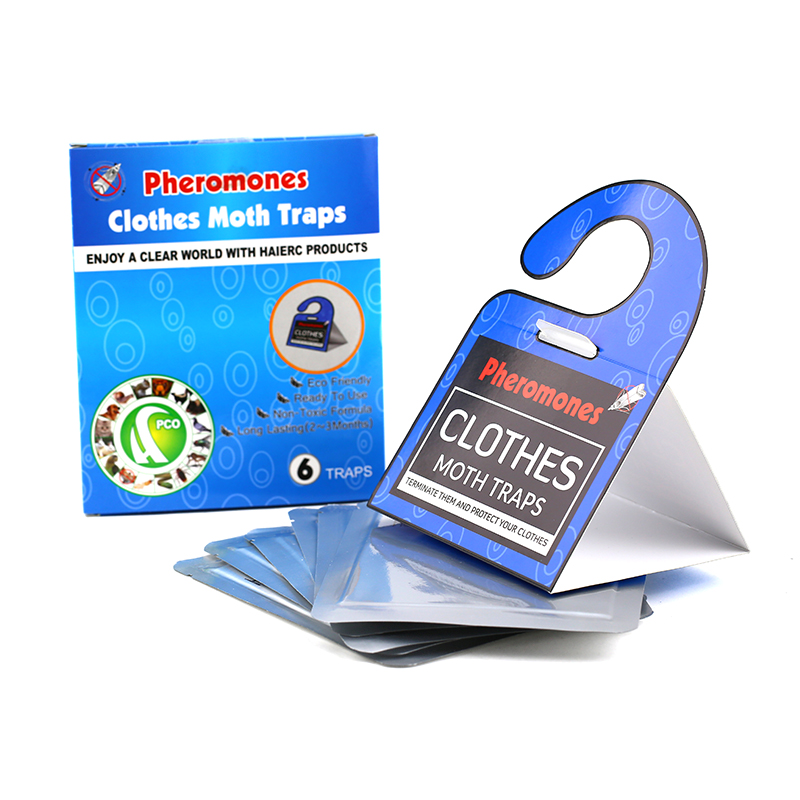
Selecting the correct housing material prevents premature hardware degradation in challenging logistical spaces. The rigid polypropylene body creates an enclosed triangular canopy that shields the internal capture surface from falling pallet debris and water splashes. It holds its structural shape even in high-humidity facilities or transitional staging zones. Fabricated from Paper+Glue, this foldable trap sets up quickly and hangs via integrated pre-punched tabs. Recognizing these traps prevents wasted labor and inspection oversights.
A widespread mistake involves placing monitors directly above open processing lines or unpacked bulk ingredients. Pheromones attract target species. Placing an attractant station over an exposed hopper pulls adult insects right toward vulnerable food products. Traps must hang along racking aisles, dock staging perimeters, and raw material intake docks, never directly over unpackaged foods.
Another common breakdown is ignoring trap saturation during autumn temperature drops. When unheated warehouse temperatures decline below 55°F (13°C), adult moths cease flying and seek out structural seams, cracks, or pallet wraps to diapause. Technicians see zero trap catches and falsely deduce the warehouse is clean. When spring temperatures return, diapause ends, leading to rapid, unmonitored population growth. Pheromone data must be cross-checked through visual pallet inspections and physical residue sampling around pallet runners.
Do not allow old lures to accumulate in maintenance supply closets. Pheromones diffuse through thin plastic packaging over time. Always store unopened replacement septa in a sealed freezer at temperatures below freezing until the exact day of deployment.
Pheromones only track adult male populations. They do not register feeding larvae, which cause direct product damage. When counts spike inside a specific quadrant, technicians must execute physical inspections of nearby packaging, looking for silk webbing, exit holes in paper sacks, and larval cast skins. Use inspection findings to isolate suspect pallets, place them in shrink-wrapped quarantine, or route them for mechanical processing before adults disperse across the wider facility.
Q: What happens if a pheromone lure stays in the warehouse past 90 days?
A: The attractant dispenser completely exhausts its chemical payload. The station becomes a passive sticky surface that catches insects purely by accident, blinding facility managers to active pest spikes.
Q: How many moth traps are required per square foot in a commercial facility?
A: Typical layouts deploy one trap every 30 to 50 linear feet along racking lanes, or roughly one unit per 2,000 to 5,000 square feet, adjusted for air currents, room barriers, and physical pallet density.
Q: Should pheromone traps be placed near overhead dock doors?
A: No. Positioning pheromone traps near loading dock doors pulls outside moths into the facility, generating misleading catch data that does not reflect true internal stock infestations.
Q: Can Indian meal moth lures also detect clothes moths or grain beetles?
A: Standard meal moth lures use specific sex pheromones that attract phycitine moths like Indian meal moths and Mediterranean flour moths, but they will not attract webbing clothes moths or grain beetles.
Q: How should replacement pheromone lures be stored prior to installation?
A: Unopened lures must remain sealed in their original foil packets and be stored inside a freezer below 32°F (0°C) to keep the volatile compounds stable until active deployment.
Practical Steps for Continuous Pest Monitoring
Accurate pest monitoring requires reliable changeover schedules, proper hardware, and prompt data logging. Review warehouse floor layouts, confirm service frequencies match current building temperatures, and retire aged lures before their emission life ends.
Facilities aiming to standardize physical monitoring hardware across multiple distribution sites can view durable traps and specification documents at https://www.fliestrap.com. Contact info@haierc.com or call +86 18602234188 to discuss site hardware configurations, commercial packaging requirements, and deployment protocols.
About FliesTrap by Haierc
FliesTrap is the fly and hygiene-insect brand of Haierc PCO, a Tianjin manufacturer with 18+ years of pest-control hardware experience and 1000+ items in production. Haierc holds ISO9001; products are offered to CE, REACH and RoHS requirements where applicable; the factory is BSCI and SEDEX audited. Commercial terms: MOQ from 100 pcs; OEM / private label from 500 pcs.
- Share this:

-


Category
Trending Now