




 Bird & Pigeon Pest Control
 MOUSE & RAT Pest Control
 Fly Pest Control
 Cockroach Pest Control
 Mosquito Pest Control
 Mole Pest Control
 Wasp Pest Control
 Moth Pest Control
 Bed Bug & Flea Pest Control
 Ant & Termites Pest Control
 Spider Pest Control
 Other Insect Pest Control
 Snake Pest Control
 Snail & Slug Pest Control
 Wildlife Pest Control
 Garden Products
 Virus Control
 Smart AI Trap
 Insecticides


Introduction — Scenario Pain Point
A single damaged overhead seal on a high-traffic loading dock gives rodents immediate access to your stock. That tiny gap lets wood mice and house mice bypass external bait boxes entirely when autumn temperatures drop across the UK. You find shredded cardboard near the pallet jacks, chewed electrical wiring on the tail-lift controls, and scattered droppings along the skirting boards. When audit season arrives, a single mouse sighting inside a primary storage zone triggers automatic non-conformance flags under BRCGS Version 9 storage and distribution standards.
Traditional rodenticides won't solve this entry-point problem fast enough. Secondary poisoning risks, strict environmental limits under the Campaign for Responsible Rodenticide Use (CRRU), and increasing chemical resistance mean physical containment is your true primary line of defence. Facility directors and pest technicians must implement a durable Plastic Mouse Trap setup along exterior-facing transit perimeters before pests move deep into racking rows. Sourcing these units through a dedicated trampa para ratones mayorista program gives pest management companies the volume needed to ring-fence massive logistics footprints without blowing their hardware budgets. Let's look at why transport zones fail first and how you can mechanically seal them off.
Why Loading Docks Fail Against Rodent Entry
Loading docks serve as massive wind tunnels that pull warm, food-scented indoor air directly outside. In the UK, peak rodent incursions surge between late September and mid-November as wild food sources vanish and ground frosts settle in. Dock levellers create natural subterranean voids that harbour undisturbed nesting sites right beneath heavy forklift traffic. Rubber draft-excluding brushes on rapid-rise doors wear out quickly, and drivers often leave sectional doors cracked 100mm off the deck to run power cables or clear safety sensors.
Mice don't require an open bay door to walk inside. A juvenile Mus musculus needs a structural opening of just 6mm to squeeze its skull and body through an exterior threshold. When delivery trucks back into bays, the compression cushions compress unevenly, leaving open channels around the dock bumpers that run directly into wall cavities.
External rodenticide bait stations often sit 10 metres away against boundary fences, leaving the dock perimeter completely unprotected against immediate entry runs. The British Pest Control Association (BPCA) highlights that relying strictly on exterior poison blocks fails to intercept mice moving fast on direct foraging lines. Rodents run directly along the concrete building footing, hit the ramp apron, and dart behind dock bumpers within seconds. If there isn't a mechanical trap waiting directly on that physical travel line, the mouse is already inside your facility before it ever sniffs a bait block. Understanding these specific entry channels allows us to build a calculated physical perimeter directly over their natural run lines.
[ OUTSIDE DOCK APRON ]
│ (Cold air, field mice seeking heat)
▼
[ WORN DOCK SEALS ] ─── (Direct 6mm-15mm gaps under doors)
│
▼
┌───────────────────────────┐
│ RUN LINE: WALL-FLOOR JOINT│ ◄── [High-Impact Plastic Mouse Trap]
└───────────────────────────┘ [Housed inside Plastic Mouse Tunnel]
│
▼
[ INTERNAL PALLET BAYS ] ─── (Contamination, BRCGS audit failure)
Step-by-Step Guide: Establishing a Loading Dock Mechanical Barrier
Securing an industrial loading bay requires structural discipline, precise spacing, and commercial-grade physical hardware. Don't simply drop bare wooden snap traps on the floor and hope for the best. Pallet trucks will crush them within an hour, and dust accumulation ruins weak wire springs. Follow this systematic process to create an impenetrable mechanical line.
+-----------------------------------------------------------------------------------+
| 5-STEP DOCK DEFENSE PROTOCOL (BPCA / BRCGS COMPLIANT) |
+-----------------------------------------------------------------------------------+
| 1. Survey Run Lines --> Map fresh droppings, rub marks, grease trails at bays |
| 2. Enclose the Trigger --> House Plastic Mouse Trap inside Plastic Mouse Tunnel |
| 3. Set Perpendicular --> Face strike bar 90 deg against structural foundation |
| 4. Bait Strategically --> Use allergen-free, non-toxic peanut paste or oats |
| 5. Log & Clear Daily --> Log strike counts on digital IPM audit sheets |
+-----------------------------------------------------------------------------------+
1. Identify Natural Travel Corridors
Mice avoid open concrete floors due to natural thigmotaxis, preferring to keep their whiskers pressed firmly against vertical masonry surfaces. Inspect the dock leveller pits, the concrete curbing between adjacent loading bays, and the recessed metal tracks of overhead sectional doors. Look for dark smear marks caused by oily fur rubbing repeatedly against painted steel uprights. Place a chalk mark on the floor directly adjacent to these natural travel tracks to designate trap points before placing hardware.
2. House Hardware in Heavy Enclosures
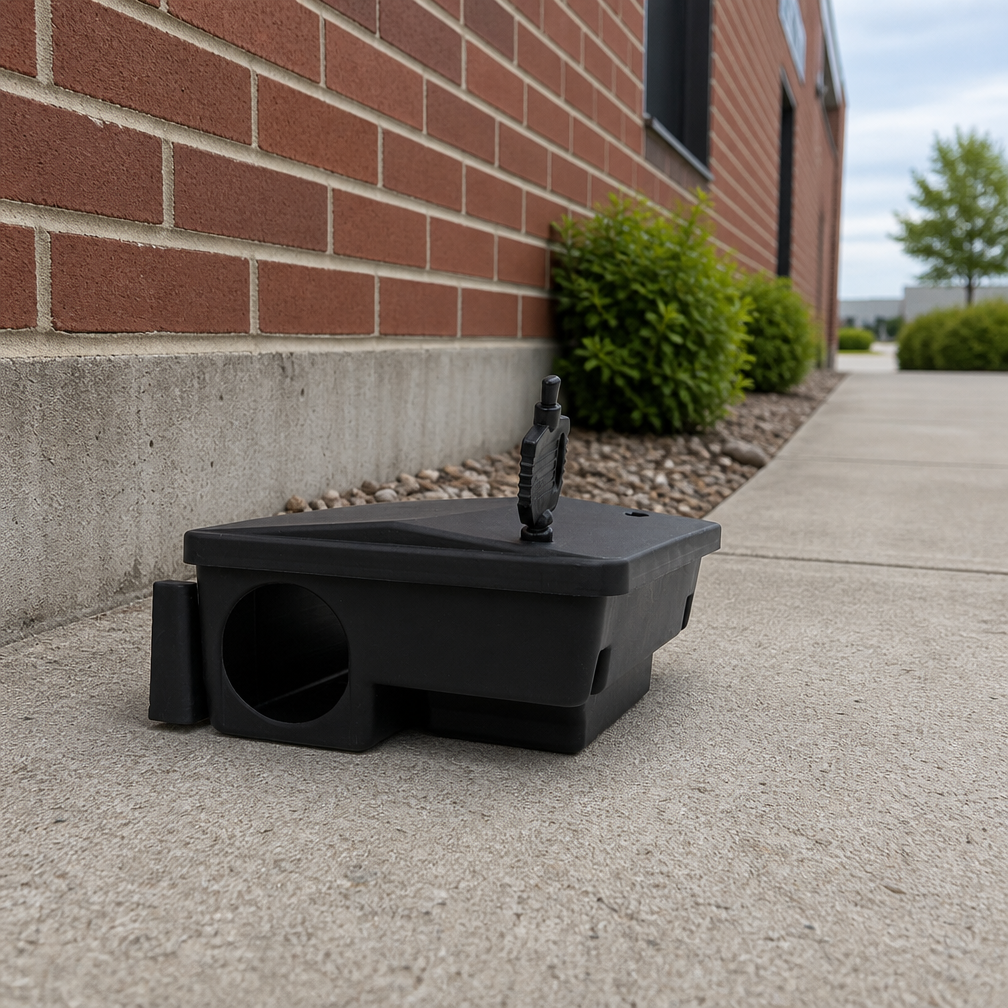
Never leave open kill bars exposed on a commercial logistics floor. Deploy each high-impact Plastic Mouse Trap inside an impact-resistant Plastic Mouse Tunnel or heavy-duty perimeter Bait Station marked for non-toxic monitoring. This protects traps from being tripped by sweeping machines, hides captured rodents from facility auditors, and stops non-target wildlife or birds from triggering the kill bar.
3. Position Perpendicular to the Wall
Place your mechanical stations directly against the wall, positioning the entrance holes flush with the floor surface. If you're setting bare traps within locked leveller sub-pits, align the trigger treadle facing the concrete wall at a strict 90-degree angle. This orientation forces the mouse to step directly across the high-sensitivity bait cup regardless of which direction it travels along the baseboard. Leave zero air space between the trap body and the structural footing.
4. Apply Solid, Non-Toxic Attractants
Avoid water-based, rotting wet lures that attract nuisance flies or spoil within 48 hours in damp logistics environments. Use non-toxic attractants containing blended oat groats, synthetic vanilla grease, or food-grade peanut pastes that don't trigger facility allergen alarms under FSMA or BRCGS guidelines. Place a tiny smear, no larger than a pea, directly into the recessed bait reservoir located beneath the trigger pedal. Overfilling the reservoir lets cautious rodents nibble the edges without depressing the trigger platform.
[ CONCRETE BAY FOUNDATION ]
───────────────────────────────────
│ ▲
│ 90° Strike Angle │ 0mm Gap
▼ │
┌───────────────────────────┐
│ [Kill Bar] [Bait Cup] │
│ Plastic Mouse Trap Body │
└───────────────────────────┘
◄── Mouse Travel Line ──►
5. Establish Daily Strike Logs and Service Intervals
During active autumn migrations, check dock traps daily to clear carcasses and prevent trap shyness among surviving colony members. Modern operations now combine these mechanical stations with digital wireless sensors, matching broader smart tracking trends seen across the European pest control market. Log every strike on your facility floor plan:
- Record the exact bay number where the capture occurred.
- Note whether the rodent was an adult or juvenile to gauge local breeding activity.
- Sanitize the trap housing using an unscented, non-chlorinated disinfectant to remove alarm pheromones without leaving a repellent chemical scent.
- Reset the high-tension strike bar in one smooth motion using the rear cocking lever.
Our export partners regularly balance their warehouse dock runs by mixing perimeter mouse setups with external bird management lines. For high-ceiling loading canopies prone to nesting, technicians frequently erect Normal Mist Bird Net barriers alongside structural netting to secure upper rafters. Where sparrows congregate around open dock bays, deploying Bird Proof Netting prevents droppings from falling onto goods waiting for dispatch.
PCO procurement teams frequently bundle warehouse bird exclusion gear like Bird Repellent Balloons with Reflective Predator Eyes, specialized 3D Double-Sided Highly Reflective Bird Reflector units, and heavy-duty Step Proof Cat Spikes on dock roof ledges. For technicians tackling mixed pest jobs, adding a UV-stabilised mosquito glue trap inside waste compactor rooms ensures complete dock coverage. Sourcing all these units through a certified control de aves mayorista shipment alongside snap traps drastically lowers total freight spend. With the correct mechanical devices placed at floor and roof levels, you prevent environmental ingress entirely.
Selecting the Right Hardware for Logistics Environments
Commercial loading bays subject pest control hardware to extreme working conditions. Freezing winter drafts, damp pressure-washing protocols, vibrating concrete slabs, and heavy rolling equipment will destroy brittle consumer traps within days.
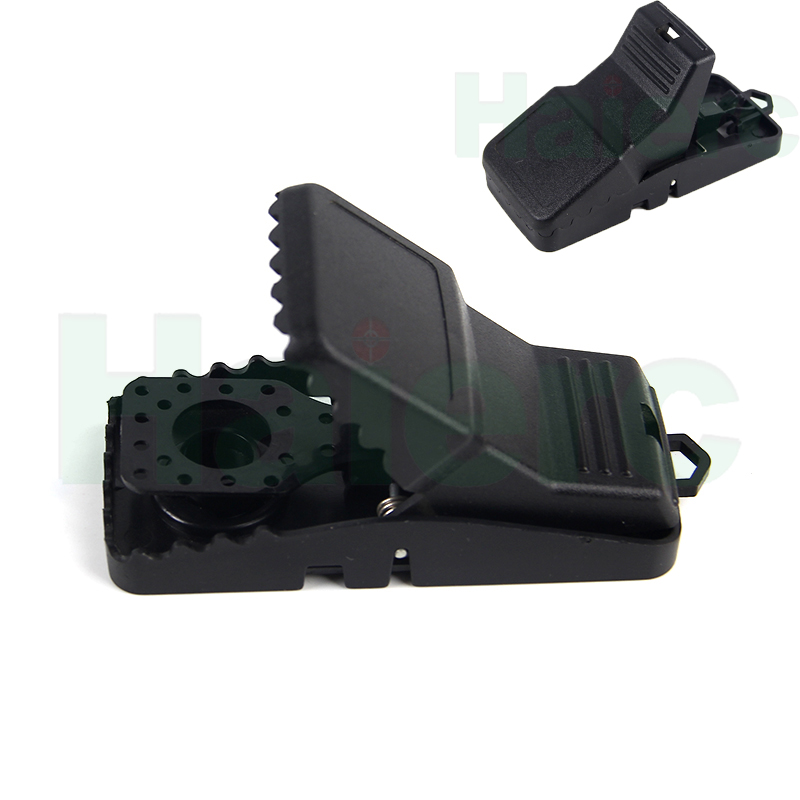
Standard retail traps rely on raw pine bases and cheap wire springs that rust solid after their first exposure to damp air. For high-volume distribution centers, pest controllers specify heavy-duty polypropylene bodies fitted with tempered carbon steel springs. Polypropylene traps don't absorb animal blood, moisture, or rancid food oils, allowing operators to wash and reuse them for years. High-tension torsion springs deliver immediate, humane kill pressure across the cervical spine, avoiding half-sprung traps that allow rodents to thrash around and escape.
A professional buyer must examine the plastic's density, spring coatings, and trigger sensitivity. Hair-trigger plates must respond to minimal weight, usually between 12 to 15 grams, catching small wood mice without triggering prematurely from forklift vibrations. When sourcing via a rodent control technology buyer Germany protocol, equipment managers demand certified materials tested to withstand continuous impacts across sub-zero loading zones.
The table below outlines how Haierc-manufactured industrial gear compares directly with common commercial-market alternatives:
| Specification | FliesTrap Standard (FliesTrap) | Industry Average |
|---|---|---|
| Base Material | Virgin High-Impact Polypropylene (UV-stabilised) | Recycled ABS or Soft Pine Wood |
| Spring Construction | Double-Torsion Tempered High-Carbon Steel | Single-Torsion Low-Gauge Zinc Plated Wire |
| Trigger Sensitivity Range | 12g to 15g calibrated pressure plate | 25g to 40g uncalibrated wire pedal |
| Chemical & Wash Tolerance | Resistant to commercial degreasers and IP65 washdowns | Corrodes or warps when exposed to moisture |
| Safety Housing Compatibility | Locks directly into dedicated Plastic Mouse Tunnel | Loose fit; easily dislodged inside stations |
| Compliance Certifications | CE, REACH, RoHS, EPA registered facility | Uncertified or self-declared CE only |
Investing in durable units prevents costly hardware replacements and ensures traps perform reliably in harsh logistics settings.
Common Mistakes to Avoid & Regulatory Pitfalls
Pest technicians often make the mistake of scattering bare traps across open forklift traffic lanes. Forklift tyres shatter bare plastic traps instantly, scattering loose plastic shards across packaging areas and creating serious foreign-material contamination hazards. Trap bodies must always sit tucked behind heavy structural bollards, underneath dock leveller access stairs, or inside secured tamper-resistant stations.
Another critical error is handling clean hardware with bare hands covered in tobacco smoke, hand sanitizer, or fast food grease. Rodents possess acute olfactory senses; they will readily avoid hardware smelling of human sweat or industrial detergents. Technicians must wear clean, powder-free nitrile gloves whenever unpacking, baiting, setting, or inspecting their dock trap lines.
Check your bait volume carefully. Piling peanut paste high on the trigger mechanism lets mice lick the reward cleanly off the top without applying the downward force needed to drop the bar. Keep attractants strictly flush inside the lower bait cup.
From an audit perspective, failing to map your dock traps violates current BRCGS Global Standard for Storage and Distribution rules. Clause 4.2 dictates that all pest control devices must sit in numbered, mapped locations and be checked at frequencies dictated by risk assessments. If an unmapped trap catches a mouse and sits forgotten behind a stack of empty pallets for two weeks, your facility will fail its cleanliness audit on the spot.
+-----------------------------------------------------------------------------------+
| CRITICAL AUDIT PITFALL CHECKLIST |
+-----------------------------------------------------------------------------------+
| [!] Unprotected Traps : Shattered by pallet trucks, creating foreign object risks |
| [!] Human Scent Marks : Handling hardware without clean nitrile gloves |
| [!] Excessive Lure : Rodents lick off bait without tripping heavy mechanisms |
| [!] Unmapped Devices : Missing traps trigger instant non-conformances on audits |
+-----------------------------------------------------------------------------------+
Regulatory standards across the UK and the European Union have restricted non-target rodenticide use severely under CEPA guidelines. Technicians who routinely pack exterior bait stations with brodifacoum or difenacoum without documented evidence of an active, widespread infestation face direct regulatory sanctions. Mechanical trapping using robust snap mechanisms provides zero secondary toxicity risks, leaves no toxic residues around packaging materials, and gives auditors instant proof of a proactive IPM program.
[ CHEMICAL CONTROL ] [ MECHANICAL IPM ]
(Strict CRRU/CEPA Limits) (100% Non-Toxic & Audit-Proof)
│ │
▼ ▼
• Secondary poisoning hazards • Zero secondary toxicity risk
• High rodenticide resistance • Works on all resistant strains
• Unretrieved carcasses rot inside walls • Instant catch capture verification
• Strict outdoor perimeter limits • Approved right at packaging lines
Avoiding these simple mechanical mistakes helps you build an efficient, highly compliant monitoring line.
Frequently Asked Questions
Q: Why choose a plastic mouse trap over classic wooden snap traps in food facilities?
A: Wood traps absorb fluids, cannot be sanitized under food hygiene rules, and splinter easily under rough handling. Haierc manufactures every Plastic Mouse Trap using non-porous, washable polypropylene that tolerates industrial cleaning agents and meets BRCGS non-contamination guidelines.
Q: What is the ideal spacing for traps along a warehouse loading dock?
A: Along high-risk exterior loading docks, position traps inside tunnels every 3 to 5 metres along baseboards and either side of active bay doors. For routine indoor monitoring further away from dock doors, expand spacing out to 8 to 10 metres.
Q: Can high-velocity forklift traffic trigger sensitive mechanical mouse traps accidentally?
A: Yes, rough floors and heavy vehicle vibrations can trip low-grade traps. Haierc designs its precision trigger mechanisms with double-torsion springs calibrated to resist standard floor vibration while snapping instantly under the direct 12-to-15-gram weight of a mouse.
Q: How do you stop workers from kicking or moving mechanical traps around loading doors?
A: House each unit inside a low-profile Plastic Mouse Tunnel securely anchored to the floor using industrial adhesive pads or masonry screws behind protection bollards. Label every station with high-visibility audit tags to deter workers from moving the equipment.
Q: What attractants work best when setting traps in cold, drafty logistics zones?
A: Skip water-based lures that freeze solid or dry out in heavy dock drafts. Dense, allergen-compliant synthetic vanilla lures, non-toxic peanut pastes, or roasted oat groats work best because they release steady scent plumes across cold dock drafts without spoiling quickly.
Securing Your Facilities with FliesTrap Hardware
Stopping warehouse infestations means taking full control of your facility's exterior loading bays. By mapping pest runs, housing high-tension traps within sturdy tunnels, and strictly following physical IPM best practices, you protect your operation from expensive structural damage and audit failures. You run an efficient logistics hub; don't let a cracked 10mm door seal ruin your client audit scores.
FliesTrap by Haierc provides professional pest control technicians and global distributors with battle-tested physical pest management solutions. Backed by 18 years of direct manufacturing experience from our Tianjin production base, we supply heavy-duty hardware built to survive rigorous commercial use. Our products carry comprehensive ISO9001, CE, BSCI, SEDEX, REACH, and RoHS certifications, ensuring seamless compliance across the UK, Europe, and global logistics markets.
Whether you need a reliable trampa para ratones mayorista supply, custom private-label branding, or specialized hardware variants with a low 500-unit MOQ, our manufacturing team delivers in 15 to 25 days. Protect your storage bays today with professional physical monitoring solutions. Request spec sheets, trade pricing, and free distributor samples directly through FliesTrap or contact our technical team via email at sales@fliestrap.com.
- Share this:

-



Category
Trending Now