




 Bird & Pigeon Pest Control
 MOUSE & RAT Pest Control
 Fly Pest Control
 Cockroach Pest Control
 Mosquito Pest Control
 Mole Pest Control
 Wasp Pest Control
 Moth Pest Control
 Bed Bug & Flea Pest Control
 Ant & Termites Pest Control
 Spider Pest Control
 Other Insect Pest Control
 Snake Pest Control
 Snail & Slug Pest Control
 Wildlife Pest Control
 Garden Products
 Virus Control
 Smart AI Trap
 Insecticides


Industry News
What Makes an Insect Glue Trap Fail in Cold Storage Logistics? | FliesTrap
 By
2026-10-03
read
By
2026-10-03
read

.jpg)
Introduction — Scenario Pain Point
Adhesive failure in refrigerated food logistics happens when thermal shock ruins the polymer matrix. When warehouse bay doors open in Dubai or Riyadh, 45°C ambient air crashes directly into chilled 4°C staging areas. That immediate collision creates heavy moisture. A standard Insect Glue Trap simply cannot hold crawling pests or stored-product beetles once surface condensation coats its face.
The pest walks right off. That is an audit nightmare waiting to happen.
+-------------------------------------------------------------------------+
| COLD STORAGE THERMAL SHOCK DYNAMICS |
| |
| Outside Ambient (45°C) =====> Loading Bay Door Opens |
| │ |
| ▼ |
| Air Collision at Chilled Staging (4°C) --> Surface Dew Point Reached |
| │ |
| ▼ |
| +───────────────────────────────────────────────────────────+ |
| | Standard Glue Traps: Adhesive Glassing + Moisture Layer | |
| | Result: Zero Pest Retention | |
| +───────────────────────────────────────────────────────────+ |
| | Specialized Cold-Tack Adhesives: Hydrophobic + Low-Tg | |
| | Result: Immediate Trap Capture | |
| +───────────────────────────────────────────────────────────+ |
+-------------------------------------------------------------------------+
PCO technicians often blame the insect for being "too light" or the dust for coating the board. In reality, sub-zero temperatures cause cheap glues to crystallize, reach their glass transition phase, and turn into slick plastic plates. Food safety inspectors working under BRCGS, FSMA 2026 rules, and local municipality frameworks will flag empty, iced-over traps as non-conformances. We've spent 18 years manufacturing pest monitoring systems, and we see facility teams struggle with this specific breakdown every summer.
Let's look into the structural triggers behind adhesive breakdown in cold chain logistics and how you can prevent them.
Root Causes of Glue Failure in Middle Eastern Cold Storage
High-heat climates create the toughest operational baseline on the planet. Cold storage warehouses in the Middle East face an extreme thermal delta across dock doors. When refrigerated ante-rooms cycle air through industrial evaporator fans, three distinct physical failures occur on standard sticky boards.
MIGRATION MECHANICS UNDER SEVERE TEMPERATURE CYCLING
Stage 1: Extreme Heat (Loading Dock / Exterior Ambient)
┌────────────────────────────────────────────────────────┐
│ Adhesive Liquefies ==> Bleeds Off Backing Board │
└────────────────────────────────────────────────────────┘
│
▼
Stage 2: Sudden Blast Chill (Chiller / Freezer Entry)
┌────────────────────────────────────────────────────────┐
│ Rapid Glassing (Tg) ==> Surface Micro-Crystallization │
└────────────────────────────────────────────────────────┘
│
▼
Stage 3: Fan Circulation & Condensation
┌────────────────────────────────────────────────────────┐
│ Moisture Sheeting ==> Complete Loss of Surface Tack │
└────────────────────────────────────────────────────────┘
First, glue formulation determines temperature boundaries. Standard commercial glue uses hot-melt synthetic rubbers calibrated for 15°C to 35°C. Drop those boards into a -18°C blast freezer, and the adhesive undergoes rapid glass transition. It hardens completely. If an invasive German cockroach or silverfish skitter across it, the surface offers zero grab. Conversely, when staging areas heat up during midday container loading, cheap glues melt, bleed off the release paper, and pool onto warehouse floors.
Second, moisture condensation creates a physical barrier. Relative humidity spikes when external air enters cold zones. Water vapor drops out of suspension and settles over the glue film as a micro-layer of dew. Insects step on the water film, not the adhesive.
Third, rapid air currents from overhead refrigeration blowers carry fine cardboard dust and pallet debris. This particulate matter coats the trap before target pests arrive. Reports published across PCT Online and BPCA technical bulletins highlight that unshielded monitoring boards in high-airflow cold zones lose over 60% of their capture capacity within 72 hours.
Understanding these physical stressors makes it much easier to select the right setup for each temperature zone.
Step-by-Step Guide: Deploying Adhesive Traps Across Cold-Chain Zones
+--------------------------------------------------------------------------+
| FOUR-STAGE COLD FACILITY TRAPPING MATRIX |
| |
| [Zone 1: Ambient Dock] ──> Heavy-Duty Rodent Glue Board Trap |
| (High-temperature, non-bleed polymer) |
| |
| [Zone 2: Chilled Staging]──> Mouse & Insect Glue Board |
| (Hydrophobic, moisture-resistant base) |
| |
| [Zone 3: Sub-Zero Storage]─> Low-Tg Insect Glue Trap |
| (Anti-crystallizing cold-tack adhesive) |
| |
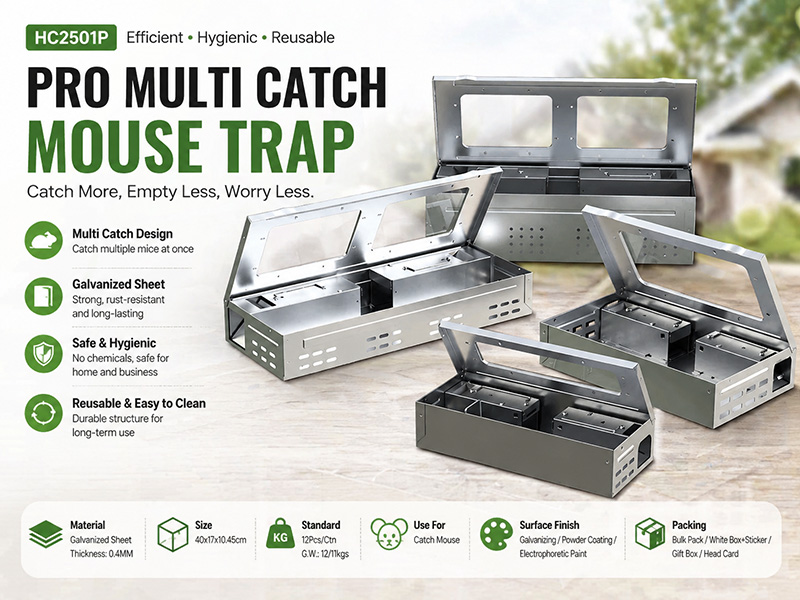
| [Zone 4: Critical Buffer] ──> Mechanical + Multi Catch Rodent Trap |
| (Zero-chemical structural barrier) |
+--------------------------------------------------------------------------+
Fixing trap failures requires a deliberate zone-by-zone rollout. You cannot drop the same cardboard sticky board across every room and expect clean audit logs. Follow this sequential operational plan.
Step 1: Map Temperature Gradients and Airflow Paths
Walk the facility with an infrared thermometer and an anemometer. Identify three primary microclimates:
- Zone 1 (Ambient Dock): 30°C to 48°C, heavy dust, high air turnover.
- Zone 2 (Chilled Staging & Anterooms): 2°C to 8°C, high condensation risk.
- Zone 3 (Deep Freeze Chambers): -18°C to -28°C, continuous dry airflow.
Never place an open board directly in the discharge cone of an industrial cooling unit. Air turbulence dries out adhesives prematurely and deposits ambient dust over the glue face.
Step 2: Select Formulations Matching Target Temperatures
For Zone 1, install a heavy-duty Rodent Glue Board Trap engineered with non-bleed polybutene adhesives that won't run at 50°C. For Zones 2 and 3, specify low-Tg (glass transition temperature) polymers. These specialized compounds maintain tack down to -25°C without freezing solid.
In transition zones subject to dripping condensation, switch from cardboard backings to high-impact polystyrene or wax-coated plastic trays. Plastic substrates prevent water absorption and structural warping.
CARDBOARD VS. POLYSTYRENE SUBSTRATE IN HIGH HUMIDITY
Cardboard Backing (Standard):
[ Air Moisture ] ===> [ Core Absorbs Water ] ===> [ Board Warps / Detaches ]
Polystyrene Tray (Cold-Chain Grade):
[ Air Moisture ] ===> [ Zero Absorption ] ===> [ Glue Remains Flat & Rigid ]
Step 3: Implement Tactical Placement Along Pest Runways
Position every Mouse & Insect Glue Board flush against wall-floor junctions. Rodents and crawling insects use wall perimeters for navigation.
- Maintain 5-meter intervals along perimeter walls in staging docks.
- Space units 3 meters apart near overhead bay doors and personnel entry points.
- Use folded tunnel designs or protective plastic stations to shield the adhesive face from airborne pallet dust.
- Fasten units securely if they're close to forklift paths. A kicked trap is a useless trap.
If your facility struggles with broad-spectrum pest pressures around exterior docking bays, integrate a rigid Black Rat Bait Station or a mechanical Multi Catch Rodent Trap right outside exterior walls. For interior dry runs where snap mechanics work best, pairing a Mouse Snap Trap alongside adhesive stations provides a failsafe redundancy.
Step 4: Establish a Documented Inspection and Turnover Cycle
Cold conditions hide insect activity because pest metabolism slows down. Pests move slower, meaning capture counts happen over longer intervals.
- Inspect Zone 1 boards weekly due to dust saturation.
- Check Zone 2 and Zone 3 boards every 14 days for moisture glazing or surface dust.
- Replace any board showing more than 25% dust coverage or visible adhesive crystallization immediately.
- Log date, zone number, and species counts on the trap border to stay compliant with CEPA and local municipality digital pest tracking logs.
Now let's examine the exact hardware specifications required to survive these demanding environments.
Product Options That Fit Cold Logistics
+--------------------------------------------------------------------------+
| ADHESIVE VISCOSITY VS TEMPERATURE PERFORMANCE |
| |
| Viscosity (cP) |
| ▲ |
| High│ /-- Standard Hot-Melt (Fails: Glassing) |
| │ / |
| │ / |
| │ ═══════════X═════════════════════════════════ Functional Tack |
| │ / |
| │ ┌────────/──────────────────────────┐ |
| Low│ │ FliesTrap Cold-Chain Formulation │ (Stable Tack Curve) |
| │ └───────────────────────────────────┘ |
| └────────────────────────────────────────────────────────► Temp |
| -25°C -10°C 0°C +25°C +45°C |
+--------------------------------------------------------------------------+
Cold-chain operations demand specific physical monitoring hardware. Relying on generic domestic boards leads to repeated audit failures and compromised cargo. At FliesTrap by Haierc, our 18-year manufacturing background guides how we formulate custom glue matrices for extreme GCC and Middle Eastern industrial environments.
| Specification | FliesTrap Commercial Standard | Industry Average Standard |
|---|---|---|
| Operating Temperature Range | -25°C to +55°C (thermal shock stable) | +5°C to +38°C (prone to freezing/bleeding) |
| Adhesive Base Material | High-tack synthetic polybutene polymer | Standard EVA hot-melt rubber |
| Substrate Construction | Waterproof virgin kraftboard or impact plastic | Recycled single-layer greyboard (absorbs moisture) |
| Glue Layer Thickness | 1.2 mm to 1.5 mm uniform coating | 0.6 mm to 0.8 mm uneven film |
| Regulatory Compliance | RoHS, REACH, CE physical monitoring ready | Basic non-certified commercial grade |
| Dust Resistance Lifespan | Up to 60 days under covered tunnel housing | 10 to 14 days before surface drying |
When dealing with crawling pest infestations in warmer dry-storage annexes, deploying a dedicated Glue Trap For Cockroaches with food-grade attractant matrices prevents stock migration into main cold vaults.
Exterior loading zones require equal physical exclusion vigilance. Pest managers frequently coordinate perimeter defense by pairing interior adhesive programs with structural barriers. Installing Nylon Bird Proof Netting across high eave canopies stops roosting pigeons from contaminating loading bays.
For roof parapets, our export teams frequently ship container volumes of UV-stabilized polycarbonate spike arrays. A bird spike systems procurement manager Australia handling cross-regional distribution or a Bird Spike Solutions distributor USA seeking high-volume output relies on identical ISO9001 factory standards: 304 stainless steel pins embedded in weather-proof polymer bases. Adding reflective deterrents like Holographic Reflective Ribbon Tape or visual units such as a Bird Scarecrow Fake Owl Decoy Sculpture keeps birds off loading canopies without recurring chemical inputs. Even when dealing with global export requests, whether supporting an established European pest network or a South American malla para aves importador, physical exclusion remains the foundation of food defense.
Let's address the operational blindspots that sabotage glue trap performance during active audits.
Mistakes to Avoid & Pro Tips for Facility Managers
+--------------------------------------------------------------------------+
| COMMON COLD STORAGE IPM ERRORS |
| |
| [ CRITICAL MISTAKE ] [ CORRECTIVE ACTION ] |
| |
| 1. Deploying traps directly below ──> Position boards 2m away from |
| evaporator blowers. air cones along floor joints. |
| |
| 2. Using standard cardboard boards ──> Switch to waterproof plastic |
| in high-condensation zones. trays with hydrophobic glue. |
| |
| 3. Spraying chemical aerosols near ──> Enforce strict physical-only |
| monitoring boards. monitoring in cold vaults. |
| |
| 4. Leaving old boards past 30 days ──> Enforce strict bi-weekly |
| without testing surface tack. glove-touch inspections. |
+--------------------------------------------------------------------------+
Avoiding simple operational errors keeps cold storage facilities fully compliant without inflating monthly budgets. Honestly, we see technicians make these mistakes all the time during mid-season facility audits.
- Placing traps directly in the path of evaporator blowers: Airflow cools the glue too fast and throws debris across the adhesive face. Always place traps parallel to airflow, mounted close to floor junctions where air velocity is lowest.
- Ignoring substrate saturation: Recycled paper backings absorb water from damp concrete floors. The board curls, lifts off the ground, and leaves a clear path underneath for pests. Always use plastic or wax-coated backing in washdown areas.
- Contaminating adhesive with chemical sprays: Applying pyrethroids or surface sprays near monitoring boards ruins the glue chemistry and repels insects from the trap. Physical IPM monitoring must rely strictly on clean attractants and proper mechanical positioning.
- Failing to test adhesive tack during routine audits: Don't just look at the board from standing height. Touch the corner of the adhesive with a gloved finger. If it doesn't grip the nitrile material instantly, replace the unit right then and there.
Let's answer the most common technical questions our engineers receive regarding low-temperature trap performance.
Frequently Asked Questions
Q: What temperature rating should I look for in cold storage glue boards?
A: Cold storage glue boards should feature a certified operational window between -20°C and +50°C. Standard commercial glues turn brittle below 0°C. FliesTrap manufactures low-Tg polybutene adhesive matrices that remain tacky in sub-zero freezers while resisting liquefaction on hot exterior loading docks.
Q: Why does moisture ruin the performance of an Insect Glue Trap?
A: Warm air entering cold facilities condenses on cold surfaces, forming a thin water layer over the adhesive. Insects walk over this liquid film without touching the glue. Using hooded plastic stations and hydrophobic adhesive formulations prevents moisture accumulation on the glue surface.
Q: How often should glue traps be replaced in cold-chain facilities?
A: Inspect boards every 7 to 14 days in high-traffic transition zones and replace them every 30 days under normal conditions. In dusty loading docks or blast chillers with heavy airflow, replace boards immediately if particulate matter covers more than 25% of the surface.
Q: Are plastic trays better than cardboard boards for cold storage?
A: Yes. Cardboard boards absorb floor condensation, curl at the edges, and fail to lay flat. High-impact polystyrene trays do not absorb moisture, maintain structural rigidity on damp concrete floors, and keep the adhesive layer level for consistent insect captures.
Q: Can glue traps replace mechanical snap traps in food facilities?
A: Glue boards and mechanical traps serve complementary roles. A Mouse & Insect Glue Board acts as a primary continuous monitor for crawling pests and juvenile rodents. Mechanical snap traps provide rapid knockdown for larger rodents without chemical attractants, meeting strict BRCGS food safety compliance.
Conclusion & Soft CTA
Maintaining unbroken pest defense in cold-chain logistics comes down to selecting hardware designed for severe thermal transitions. When adhesive formulas withstand the shock between blistering loading docks and sub-zero storage rooms, your facility stays clean, pest-free, and audit-ready.
FliesTrap by Haierc provides professional PCO operators and industrial facility teams with field-tested physical pest management hardware. Backed by 18 years of manufacturing expertise, ISO9001, CE, RoHS, and REACH certified production lines, our factory supports flexible 500-unit MOQ trial batches, private label OEM packaging, and fast 15-25 day delivery cycles worldwide.
Evaluate sample units or request technical specification sheets for your facility by visiting FliesTrap or reaching our engineering desk at sales@fliestrap.com.
- Share this:

-



Category
Trending Now