


 Bird & Pigeon Pest Control
 MOUSE & RAT Pest Control
 Fly Pest Control
 Cockroach Pest Control
 Mosquito Pest Control
 Mole Pest Control
 Wasp Pest Control
 Moth Pest Control
 Bed Bug & Flea Pest Control
 Ant & Termites Pest Control
 Spider Pest Control
 Other Insect Pest Control
 Snake Pest Control
 Snail & Slug Pest Control
 Wildlife Pest Control
 Garden Products
 Virus Control
 Smart AI Trap
 Insecticides


Introduction — Scenario Pain Point
Pests carry pathogens. In a 300-bed hospital or a long-term care home, a single German cockroach scurrying across a sterile prep counter triggers immediate emergency protocols. You can't just fog the floor with synthetic pyrethroids when respiratory patients sleep ten yards away. Facilities need reliable data before an introduction turns into an infestation. That's why establishing an airtight cockroach monitoring cadence for hospitals is a baseline operational requirement rather than an administrative afterthought.
Traps tell the truth. Without routine inspections, pests exploit warmth from autoclaves, commercial dishwashers, and patient food carts without detection. Technicians end up reacting to nurse reports instead of stopping harborages early. In commercial kitchens and central utility plants, flying insects present equal headaches. You'll often find a secondary glue board fly trap or a targeted fruit fly trap catching filth flies near floor drains while floor monitors track crawling vectors. Catching pests early keeps your audit scores intact and protects immune-compromised residents.
Root Cause: Why Hospitals Face Constant Pest Pressure
Healthcare structures run warm 24 hours a day, 365 days a year. Steam pipes, commercial laundry equipment, and continuous food service create tropical microclimates behind standard drywall. Cockroaches don't just appear out of thin air; they arrive by truck. Cardboard boxes carrying surgical gloves, fresh produce, and laundry linens enter through the loading dock every morning. German cockroaches (Blattella germanica) tuck into the fluting of corrugated boxes, slipping straight past exterior perimeters.
Plumbing chases create elevated risk. Vertical utility risers link basement boiler rooms directly to fifth-floor patient pantries. If moisture pools under a commercial ice maker or around an unsealed mop sink, roaches settle down and reproduce quickly. Nursing homes carry specific challenges because residents frequently store personal snacks in bedside drawers. Crumbs accumulate. Room temperatures hover at 72 degrees Fahrenheit. These conditions shorten the egg-to-adult lifecycle of domestic roaches, meaning a bi-monthly inspection schedule is often too slow to prevent a major population spike.
Facility layouts also invite diverse insect species into clinical perimeters. Loading bays left propped open during delivery shifts pull in exterior pests. A commercial UV fly killer mounted above the receiving door catches nighttime invaders, but crawling insects run straight along floor edges. When maintenance teams rely solely on quarterly pesticide treatments, they miss the localized breeding hot spots hidden beneath electrical panels, trash compactors, and nurse station coffee nooks.
What Determines a Cockroach Monitoring Cadence for Hospitals?
Inspection frequency cannot follow a generic template across an entire medical campus. Wards carry distinct risk profiles that dictate whether monitors need eyes every 7 days or every 30 days. High-risk zones demand weekly inspection cycles. Low-risk administrative suites operate fine on a monthly routine.
High-Risk Zones: Weekly Cadence
Dietary services, dishwashing pits, basement waste holding, and dialysis nourishment stations require weekly monitoring visits. In high-moisture rooms, organic debris builds up in floor drain corners within 48 hours. A technician should check every monitor weekly, logging counts and insect instars. Finding small nymphs on a monitor signals that an ootheca (egg case) hatched within a few feet of the trap. That demands immediate sanitation reviews and crevice inspections rather than waiting another three weeks for a scheduled monthly visit.
Medium-Risk Zones: Bi-Weekly (14-Day) Cadence
Soiled utility rooms, employee breakrooms, central laundry sorting rooms, and floor service pantries fall into a 14-day cycle. Staff bring lunch boxes and personal items into breakrooms constantly, making occasional pest introductions inevitable. Two weeks provides enough buffer to intercept adult roaches before second-generation nymphs spread through wall voids into adjoining patient wings.
Low-Risk Zones: Monthly (30-Day) Cadence
Patient suites, physical therapy gyms, administrative offices, and clean linen storage fit a 30-day monitoring rhythm. You still need active traps placed in these rooms, particularly behind bathroom plumbing fixtures and bedside heating units. However, checking these stations every 30 days keeps labor costs manageable while maintaining defensible records for accreditation inspections.
Step-by-Step Implementation of an Inspection Program
Setting up a facility-wide monitoring system takes systematic execution. Don't scatter traps haphazardly under sinks and walk away. Follow this standard operating procedure to build a structured, auditable pest monitoring workflow.
Step 1: Mapping and Site Stratification
Number every station. Walk the building with architectural prints and identify warm, dark, moist harborages. Mark exact trap placement locations on your facility map, assigning unique identification codes to each zone (e.g., KIT-01, LAUN-04). Keep stations out of direct footpaths so cleaning carts don't crush them. In loading dock corridors, technicians might also mount an electronic mosquito zapper fly traps repellent unit or a specialized fly trap overhead to catch flying insects, but floor-level monitors must stay dedicated to crawling pest interception along structural perimeters.
Step 2: Proper Monitor Placement
Cockroaches demonstrate thigmotaxis, meaning they travel with their bodies pressed against vertical walls and corners. Place monitors flush against wall junctions, behind motor housings, and right beside plumbing escutcheon plates.
- Fold the paper or plastic trap into its tented configuration to keep falling dust off the adhesive surface.
- Position the entry flush against the baseboard or cabinet interior wall.
- Write the placement date and station number directly on the trap housing using an indelible marker.
- Avoid placing monitors directly over heat vents or under active water leaks where excessive moisture degrades glue performance.
Step 3: Logging and Threshold Analysis
During each walkthrough, inspect every numbered station. Don't just glance and toss it. Count the specimens, identify the species, and note whether catches are early-stage nymphs or reproducing adults. Record these figures in your facility logbook or digital pest management portal. If a kitchen station captures a single German cockroach nymph, trigger an immediate deep-dive inspection within a ten-foot radius to find the localized harborage.
Step 4: Replacement and Maintenance Cycles
Replace paper-based monitors at least every 60 to 90 days regardless of catch counts, as ambient grease and airborne lint slowly foul exposed adhesive. Replace plastic-body traps according to environmental wear, simply swapping internal glue inserts when soiled. Always replace any trap immediately if it gets waterlogged during floor washdowns or if pest captures cover more than a third of the sticky surface.
Product Options That Fit Healthcare Hardware Requirements
Medical environments demand rugged, cleanable, and strictly non-toxic pest monitoring equipment. Traps must hold up to routine disinfectant moping without disintegrating into pulpy messes on the floor.
The Cockroach/Roach Glue Trap (HC4109) provides an efficient baseline monitor for patient areas, linen closets, and electrical closets. Constructed from paper and glue, it features high adhesion, non-toxic glue, and a PCO grade design. Its low profile allows technicians to tuck stations deep underneath low-clearance refrigeration units, nurse desk drawers, and pipe chases. The fold-over canopy keeps dust off the adhesive, ensuring the trap remains tacky over extended monitoring intervals.
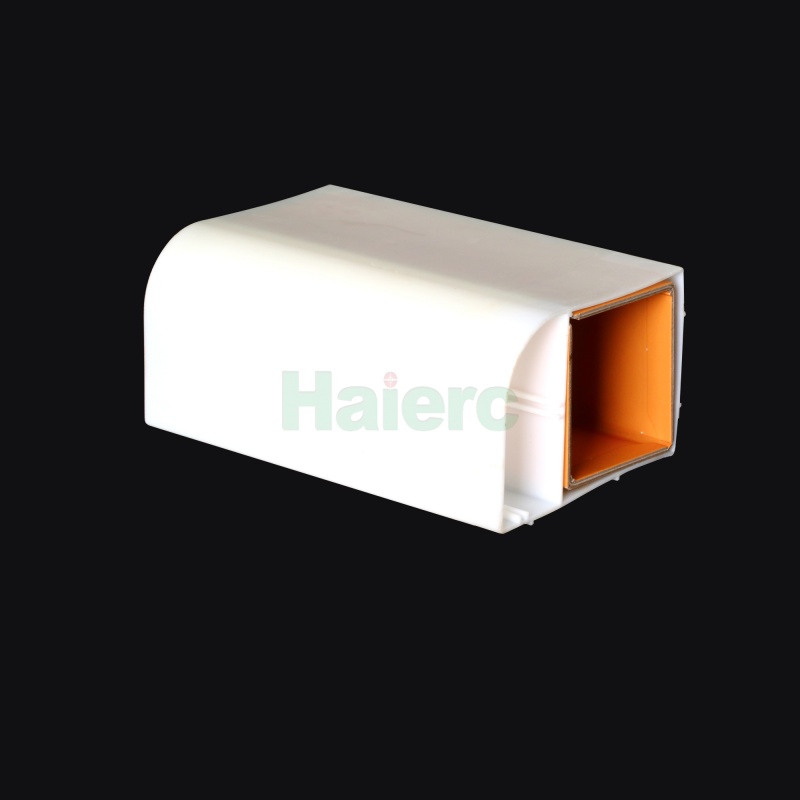
For wet, demanding environments like sculleries, boiler rooms, and loading dock mop sinks, plastic housing options offer better longevity. The Cockroach/Roach Trap (HC4115) utilizes a rigid PP and ABS plastic body combined with high adhesion, non-toxic glue, and PCO grade construction. Because the outer shell resists splashing water and direct physical impact from cleaning carts, it won't crush when placed along busy hospital corridors. Facilities can also deploy the Cockroach/Roach Glue Trap (HC4112) across dry storage closets to maintain a dense, uniform monitoring grid across non-clinical support spaces.
Common Failures to Avoid in Medical Facilities
Pest monitoring programs fail most often from poor maintenance discipline. The most common mistake? Leaving dusty, dried-out traps in place for eight months without replacement. Once an adhesive surface collects a fine layer of kitchen grease or laundry lint, roaches walk across the glue without sticking. A non-functional trap creates a dangerous false sense of security for infection control teams.
Another widespread error is placing traps out in the middle of open floors. Cockroaches rarely cross wide, well-lit floor tiles unless populations have reached massive, catastrophic levels. If a monitor sits two feet away from the wall, pests will bypass it entirely. Technicians must place monitors directly against vertical surfaces, right along wall-floor junctions, or inside equipment motor compartments where roaches naturally travel.
Finally, never use monitored pest counts as an excuse to delay physical exclusion. If an inspection log shows three consecutive weeks of captures near an unsealed pipe penetration behind a cafeteria steam table, sealing that penetration with cleanable backing material is mandatory. Traps are diagnostic tools designed to measure activity and pinpoint harborages; they do not replace structural maintenance and sanitation.
Q: How many cockroach glue monitors are needed in a hospital kitchen?
A: Placement depends on layout, but standard protocol requires stations every 10 to 15 linear feet along walls, cooking equipment lines, and dishwashing stations. A commercial hospital kitchen typically requires 20 to 40 monitors, such as Cockroach/Roach Glue Trap (HC4109), tucked behind motors, inside sink cabinets, and near floor drains.
Q: What should technicians do when a single nymph is found on a monitor?
A: Finding a nymph indicates localized reproduction rather than an isolated insect hitchhiking on a cardboard box. Technicians should immediately inspect cracks, hollow stainless legs, and electrical junction boxes within a 10-foot radius. Clean up organic residue and seal structural gaps rather than waiting for the next scheduled service visit.
Q: Can glue board monitors withstand daily wet mopping in hospital corridors?
A: Standard paper glue traps degrade quickly when soaked with mop water and floor cleaning solutions during corridor maintenance. To maintain a consistent cockroach monitoring cadence for hospitals, facility teams place rigid plastic hardware such as Cockroach/Roach Trap (HC4115) beneath service carts and counters. Its PP+ABS construction shields the non-toxic glue and high adhesion surface from incidental mopping splashes.
Q: How does cockroach monitoring interact with flying insect control?
A: Crawling and flying pests often share harborages near waste docks and food prep zones. While technicians monitor baseboards using roach glue traps, wall-mounted UV fly killer units capture houseflies, and targeted fruit fly trap stations manage drain-breeding gnats around prep sinks. Both datasets should feed into the facility's master pest log.
Q: Why are non-toxic glue traps preferred over pesticide sprays in healthcare wards?
A: Airborne chemicals, pyrethroid dusts, and aerosol sprays present respiratory and chemical-sensitivity risks to vulnerable patients. Physical adhesive traps like Cockroach/Roach Glue Trap (HC4109) provide reliable detection and ongoing pest capture with zero chemical volatilization, meeting strict healthcare safety standards.
Summary and Implementation
Controlling pests in healthcare environments requires proactive data collection, consistent routines, and durable hardware. By segmenting medical campuses into clear weekly, bi-weekly, and monthly inspection zones, facility teams catch pest introductions long before they threaten patient health or compromise sanitary audits. Simple adjustments to trap positioning, combined with rugged monitors that withstand commercial cleaning routines, keep baseline pest records clean and reliable.
Explore the full range of physical pest monitoring traps and request hardware specification sheets at https://www.fliestrap.com. For technical queries regarding trap dimensions or volume fulfillment, contact info@haierc.com or call +86 18602234188 to support an effective cockroach monitoring cadence for hospitals.
About FliesTrap / Haierc PCO
FliesTrap operates as the dedicated pest hardware brand of Haierc PCO (Tianjin), supporting pest control operators, healthcare facility managers, and distributors worldwide. The hardware selection includes professional monitoring devices such as the Cockroach/Roach Glue Trap (HC4109) and the Cockroach/Roach Trap (HC4115), engineered to assist technical teams in tracking pest activity throughout sensitive hospital wards, care homes, and commercial food preparation areas. Inquiries regarding technical hardware specifications, bulk distribution, or custom labeling can be sent directly to info@haierc.com or by calling +86 18602234188.
About FliesTrap by Haierc
FliesTrap is the fly and hygiene-insect brand of Haierc PCO, a Tianjin manufacturer with 18+ years of pest-control hardware experience and 1000+ items in production. Haierc holds ISO9001; products are offered to CE, REACH and RoHS requirements where applicable; the factory is BSCI and SEDEX audited. Commercial terms: MOQ from 100 pcs; OEM / private label from 500 pcs. Contact: info@haierc.com | +86 18602234188 | https://www.fliestrap.com
- Share this:

-


Category
Trending Now