


 Bird & Pigeon Pest Control
 MOUSE & RAT Pest Control
 Fly Pest Control
 Cockroach Pest Control
 Mosquito Pest Control
 Mole Pest Control
 Wasp Pest Control
 Moth Pest Control
 Bed Bug & Flea Pest Control
 Ant & Termites Pest Control
 Spider Pest Control
 Other Insect Pest Control
 Snake Pest Control
 Snail & Slug Pest Control
 Wildlife Pest Control
 Garden Products
 Virus Control
 Smart AI Trap
 Insecticides


Scenario Pain Point in Dry Storage
Dust ruins adhesives fast. In a dry ingredient room, airborne starch, cocoa powder, and grain dust settle across every flat surface within hours. If you hang the wrong monitoring trap, the sticky surface glazes over before it catches a single insect. You end up blind to emerging infestations of Indianmeal moths (Plodia interpunctella) or Mediterranean flour moths until larvae crawl across pallet wraps. That leads directly to ruined batches, customer complaints, and brutal audit non-conformances.
Choosing effective warehouse moth monitors for dry ingredient rooms isn't just a basic supply choice; it's the frontline defense against silent inventory destruction. Facility operators can't rely on chemical fogging inside sensitive dry mixing rooms where raw spices, flours, and powders sit in multi-wall bags. Clean audits demand early, physical detection. You need targeted monitoring hardware that protects the glue surface from heavy airborne debris while allowing pheromone plumes to disperse cleanly along storage aisles. When monitoring fails, commodity losses mount quickly. The right trap design keeps the adhesive active, holds up against industrial bumps, and gives quality assurance teams actionable catch data week after week.
Root Cause: Why Moth Infestations Explode in Dry Ingredient Rooms
Stored product moths don't appear out of nowhere. They sneak into commercial facilities tucked inside corrugated cardboard corrugations, raw ingredient sacks, or wooden pallet crevices. Once inside a climate-controlled room holding dry commodities, their reproductive cycle accelerates. A single female Indianmeal moth deposits between 100 and 400 eggs directly on or near food sources. In warm microclimates—often generated by ambient heat from forklift charging bays, overhead lighting, or processing machinery—eggs hatch in just a few days.
Air currents play a massive role in dry storage pest dynamics. Standard dry storage holding areas maintain positive pressure or rely on large overhead circulation fans to prevent stagnant air and condensation. These air currents carry pheromone trails across aisles. If your facility hasn't mapped airflow patterns, male moths get confused, or worse, pheromones disperse outside the monitored zones.
Seasonal shifts create severe population spikes. Between late spring and early autumn, fluctuating warehouse dock temperatures push outdoor pests inside while accelerating the life cycle of indoor populations. During these peak cycles, flour dust and milling residues settle continuously. If monitors sit directly in high-traffic forklift aisles without adequate structural shielding, fine particulates coat the adhesive layer. When the glue loses tackiness, moths bounce right off. You think the room is clean because the trap shows zero catch, yet larvae feed quietly inside torn ingredient bags on the lower pallet racks.
To avoid this blind spot, monitoring protocols must match the specific physics of dusty, dry-storage micro-environments.
Selecting Warehouse Moth Monitors for Dry Ingredient Rooms: Step-by-Step
Setting up an early-warning physical monitoring grid demands precise execution. Don't simply scatter cardboard traps randomly and hope for the best. A systematic approach ensures consistent data collection, preserves trap longevity, and minimizes false negatives.
Step 1: Map the Facility Airflow and Heat Zones
Begin by walking the ingredient storage perimeter with an anemometer or a simple smoke tube. Identify static air pockets, supply vents, and exhaust fans.
Moths avoid direct, high-velocity air drafts. They congregate in sheltered, calm spots behind structural support pillars, near pallet racking uprights, and around warm electrical control panels. Mark these low-velocity zones on your facility layout map. These specific coordinates serve as your primary monitoring stations.
Step 2: Choose the Correct Trap Profile for Dusty Environments
Open, flat glue sheets fail in dry ingredient rooms. The particulate load is simply too heavy.
Instead, select an enclosed delta-style or canopy trap design. A triangular profile shields the internal sticky liner from vertical dust fall while keeping two or three entry corridors open for insect flight paths. If the room undergoes periodic washdowns or experiences elevated humidity near adjacent wet processing rooms, swap standard paper housings for rigid polypropylene bodies that won't sag or warp.
Step 3: Calibrate Hanging Height and Spacing
Hang traps at heights between 5 and 7 feet from the finished floor. This matches the typical flight ceiling of mate-seeking male moths in industrial spaces.
Never hang monitors directly under intense warehouse lights or immediately adjacent to exterior loading dock doors where light competition or violent cross drafts distort pheromone plumes. Space traps across a grid of roughly 30 to 50 feet apart in open racking, tightening the grid around vulnerable commodities like cocoa, nut flours, or dried fruits.
Step 4: Establish a Rigorous Inspection and Replacement Cadence
Check glue boards weekly. Log every single insect capture by species, date, and exact grid location.
Replace the adhesive insert immediately if dust accumulation covers more than a third of the sticky surface, or replace it on a standard 30- to 60-day cycle as pheromone dispensers exhaust their attractant load. Handle pheromone lures with clean forceps or disposable gloves. Touching lures transfers human oils and cross-contaminates scent trails, which noticeably dampens trap pull.
Step 5: Integrate Monitoring Data with Target Sanitation
Traps alone don't eradicate populations. They show you where to clean. When a monitor registers a spike from zero to three moths in a single week, dispatch sanitation crews directly to the surrounding pallet bays. Look for ripped bags, accumulated dust behind baseboards, and product residues under pallet flow rails. Quick localized deep cleaning stops an outbreak cold.
Product Options That Fit This Job
Matching hardware specs to your room's environmental conditions determines monitoring success. Paper units handle low-dust, climate-controlled dry blending rooms well, while heavy industrial grain terminals demand rigid polymer shells.
| Model Name | Material Composition | Housing Form Factor | Best Facility Application |
|---|---|---|---|
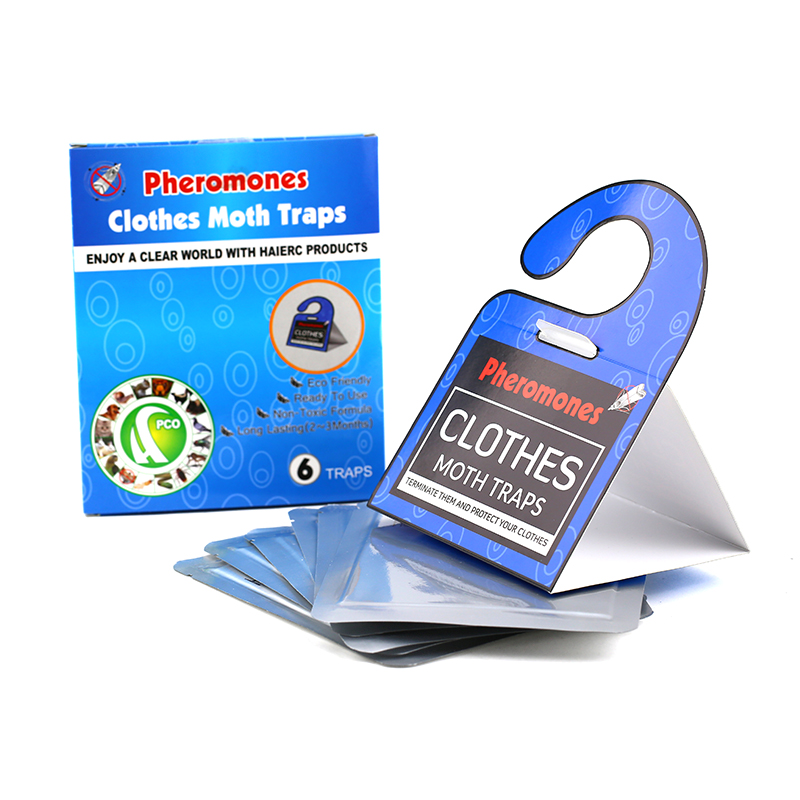
| Pantry Moth Trap (HC4301) | Paper+Glue | Folding triangular canopy | Clean dry-ingredient staging, spice rooms, retail packaging areas |
| Moth Delta Trap (HC4252) | PP+Glue Paper | Rigid polypropylene delta shell with replaceable glue insert | High-dust bulk dry storage, flour milling zones, high-humidity storage corridors |
For general dry-ingredient staging areas where dust is moderate, the Pantry Moth Trap (HC4301) provides an economical, rapid-deployment solution. The Paper+Glue construction folds into a sturdy triangular tent that deflects overhead dust. Its integrated sticky floor traps approaching pests without complex assembly.
When dealing with bulk flour storage, milling operations, or dusty processing lines, the Moth Delta Trap (HC4252) serves as an effective option among warehouse moth monitors for dry ingredient rooms. Its PP+Glue Paper design combines a durable polypropylene outer canopy with slide-in replaceable glue boards. The plastic exterior resists physical crushing from handling bumps and shields the sticky insert from heavy airborne starch fall.
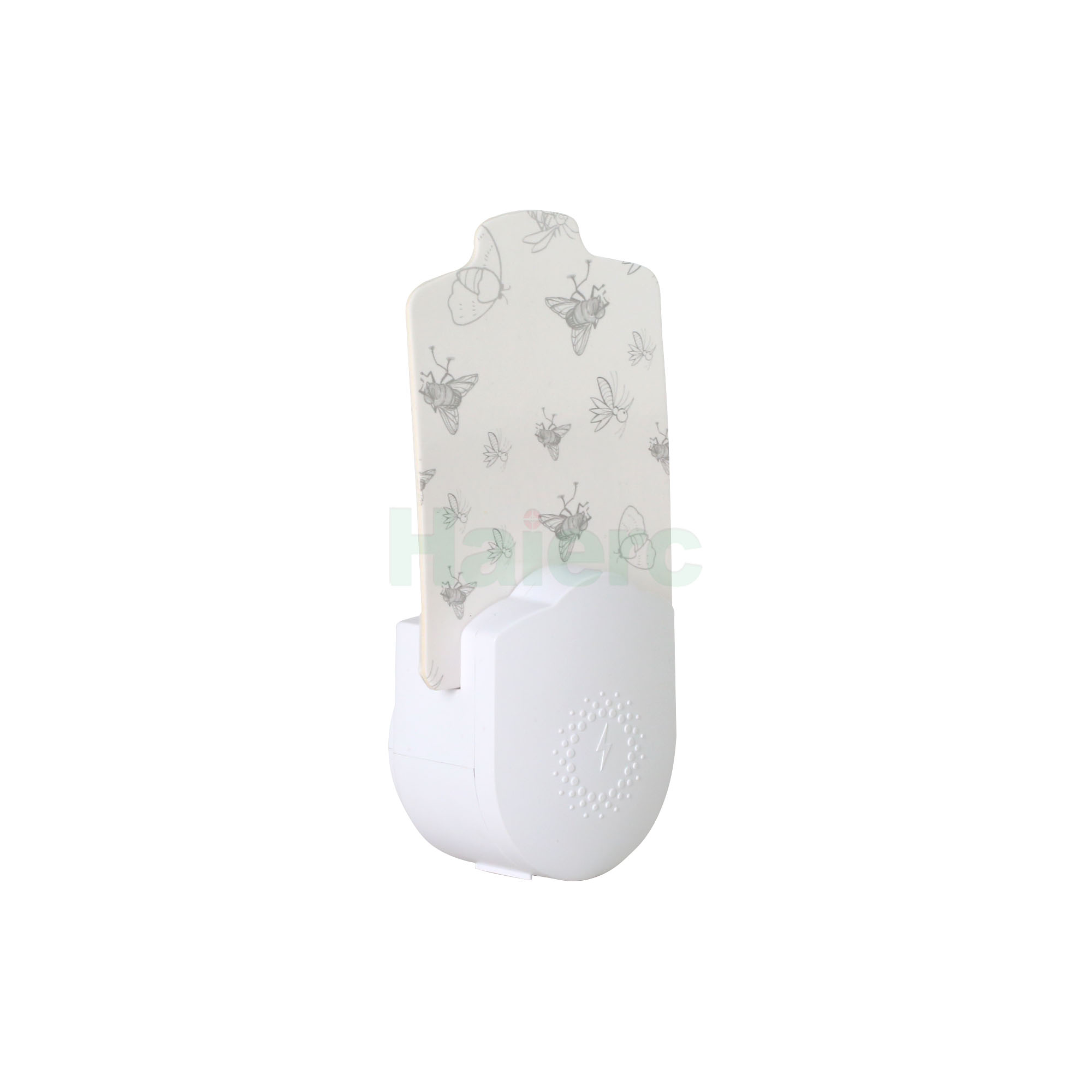
In exterior staging corridors and staging zones outside sealed dry ingredient doors, monitoring for secondary flying insects can also be supplemented with specialized equipment such as the Flies/Insect Trap Lamp (HC5115) to maintain perimeter vigilance.
Mistakes to Avoid & Pro Tips
Even veteran pest technicians slip up when managing large dry-storage facilities. Avoiding basic procedural errors saves hundreds of hours in wasted inspection labor.
- Pheromone oversaturation: Don't cluster traps too tightly together. Hanging three moth traps along a single twenty-foot rack creates a massive pheromone fog. When the entire room smells like attractant, male moths cannot locate the specific trap entrance. Stick to uniform grid spacing.
- Hanging directly beside dock roll-up doors: This common error draws wild outdoor moths straight into your clean warehouse. Position monitors at least thirty feet inside exterior entryways.
- Ignoring localized dust drift: Inspect the sticky liner surface angled toward the room's main airflow. If one side coats over with powder in three days, install a simple physical baffle or rotate the trap opening ninety degrees away from direct fan currents.
- Relying on chemical aerosols inside dry rooms: Broadcast insecticide sprays risk chemical adulteration of dry food products and do nothing to eliminate larvae buried deep inside bulk bags. Physical monitoring combined with targeted sanitation remains the industry standard.
- Failing to date-stamp replacement liners: Always write the deployment date directly on the non-sticky border of the trap insert. Without dates, technicians guess age, leading to dried-out glue boards remaining in service long past their operational lifespan.
Frequently Asked Questions
Q: How often should glue inserts be replaced in dry ingredient rooms?
A: Glue inserts should generally be swapped every 30 to 60 days under normal conditions. However, in rooms with heavy airborne starch or cocoa powder, inspect weekly and replace inserts as soon as dust covers more than a third of the sticky surface. Traps like the Moth Delta Trap (HC4252) allow technicians to swap glue liners quickly without discarding the durable plastic housing.
Q: Why are adult moths flying near the ceiling instead of entering monitors?
A: Adult moths respond strongly to temperature gradients and ambient airflow. During warmer months, heat gathers along warehouse roof trusses, creating thermal stratification that encourages flight high above pallet racking. In facilities with tall ceilings, operators should place some monitors at standard eye level and install an additional secondary tier on upper racking uprights to intercept high-flying males.
Q: Can pheromone moth traps eliminate an existing stored product pest infestation?
A: No, pheromone traps are physical monitoring and early-detection tools rather than eradication devices. They capture mate-seeking adult males to signal insect presence and track population density. Once a trap catches moths, facility staff must inspect nearby stock, isolate infested ingredient lots, and carry out targeted physical sanitation to eliminate breeding sites and larvae.
Q: What is the main structural difference between the HC4301 and HC4252 traps?
A: The Pantry Moth Trap (HC4301) utilizes a Paper+Glue structure suitable for enclosed dry storage zones. In contrast, the Moth Delta Trap (HC4252) features a PP+Glue Paper construction with a rigid polypropylene body, providing greater structural durability against routine physical impacts in active warehouse areas.
Q: How many moth monitors are needed across a dry storage warehouse floor?
A: Recommended spacing generally spans 30 to 50 feet between monitoring stations in uniform racking aisles, adjusting based on physical layout and airflow. High-risk zones containing loose organic flours, nuts, or seeds should use tighter spacing, while wide transit corridors can maintain wider intervals to balance monitoring coverage and inspection efficiency.
Practical Facility Action Plan
Physical pest monitoring in dry-ingredient rooms safeguards high-value stock, protects brand reputation, and keeps quality assurance programs fully audit-ready. By shifting from reactive chemical applications to structured physical detection, facility managers catch stored product pests before larvae compromise bulk ingredients.
Start by auditing your storage aisles: identify static air zones, assess dust fall rates, and replace fouled glue sheets with sheltered canopy profiles like the Pantry Moth Trap (HC4301) or the resilient, plastic-bodied Moth Delta Trap (HC4252). Consistent weekly trap counts paired with prompt sanitation solve infestations before they trigger costly inventory holds.
Explore professional pest control hardware, request comprehensive product specification sheets, or review commercial supply options for your facility grid by visiting [FliesTrap](https://www.fliestrap.com).
About FliesTrap by Haierc
FliesTrap is the fly and hygiene-insect brand of Haierc PCO, a Tianjin manufacturer with 18+ years of pest-control hardware experience and 1000+ items in production. Haierc holds ISO9001; products are offered to CE, REACH and RoHS requirements where applicable; the factory is BSCI and SEDEX audited. Commercial terms: MOQ from 100 pcs; OEM / private label from 500 pcs. Contact: info@haierc.com | +86 18602234188 | https://www.fliestrap.com
- Share this:

-


Category
Trending Now