


 Bird & Pigeon Pest Control
 MOUSE & RAT Pest Control
 Fly Pest Control
 Cockroach Pest Control
 Mosquito Pest Control
 Mole Pest Control
 Wasp Pest Control
 Moth Pest Control
 Bed Bug & Flea Pest Control
 Ant & Termites Pest Control
 Spider Pest Control
 Other Insect Pest Control
 Snake Pest Control
 Snail & Slug Pest Control
 Wildlife Pest Control
 Garden Products
 Virus Control
 Smart AI Trap
 Insecticides


Outdoor corridors, emergency bays, and garden paths connecting medical pavilions require constant vector management to protect vulnerable patients and visitors. Facility teams reviewing hardware often assess the effectiveness of mosquito catch lamps for hospital walkways, comparing active interception against passive containment methods like glued adhesive boards.
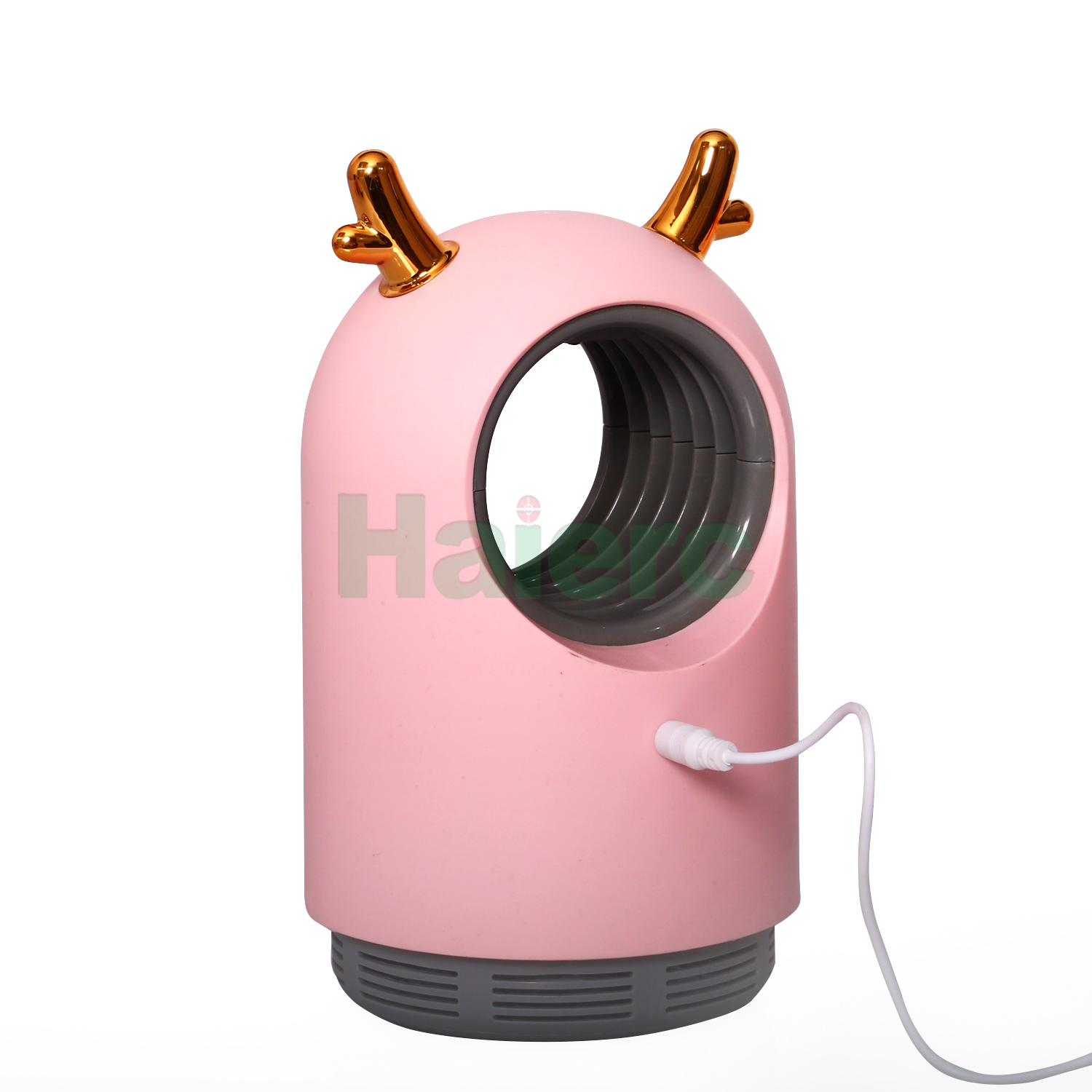
Deploying specialized hardware such as Mosquito Killer Lamp (HC6302) helps reduce night-flying pests along open breezeways without leaving exposed adhesive sheets in public view. The choice between outdoor UV light attraction to attract and catch mosquitoes and disposable sticky surfaces ultimately hinges on traffic levels, maintenance access, and ambient wind conditions.
How Mosquito Catch Lamp and Sticky Trap Compare
- Attraction and coverage: Traps like Solar Mosquito Catch Lamp Trap (HC6119) provide an easy way to kill mosquitos, whereas passive sticky boards capture only pests that collide directly with their surfaces or drift into tight corners.
- Maintenance and presentation: Glue traps require frequent visual inspections and surface replacements, particularly in dusty exterior thoroughfares where debris quickly coats adhesive panels. Outdoor units like Mosquito Killer Lamp (HC6302) use UV light attraction to catch mosquitoes with a chemical free, non-toxic design.
What to Assess Before You Choose
Selecting the right exterior insect control method requires evaluating how open-air corridors interact with building architecture, patient transit, and surrounding grounds.
Site Conditions
Evaluate ambient light levels, wind exposure, and distance from patient transfer doors. Covered breezeways shielded from rain allow standard grid-powered hardware, whereas exposed garden paths with zero wiring may require autonomous fixtures like Solar Mosquito Catch Lamp Trap (HC6119). High competing illumination from architectural spotlights can reduce trap effectiveness, making trap placement along dark vegetative perimeters practical compared to positioning directly beneath bright entry canopies.
Pest Pressure and Species
Identify whether the primary nuisance involves daytime biters, dusk-active mosquitoes, or general filth flies drifting from exterior waste containers. Open sticky sheets quickly saturate during peak emergence periods or collect airborne dust and fallen leaves, losing holding power within days. Heavy mosquito infestations around landscaped drainage features demand continuous attraction hardware such as Mosquito Killer Lamp (HC6302) to attract and catch mosquitoes using UV light attraction for outdoor use.
Access and Maintenance
Review the daily route of groundskeeping and facility teams to ensure servicing does not disrupt sensitive healthcare operations. Hardware mounted along busy outdoor ramps must permit quick inspection and catch-tray disposal without requiring ladders during patient transport hours. Adhesive boards demand frequent physical changes that create visible biowaste, whereas catch trays can be emptied discreetly during early morning custodial rounds.
Setup Step by Step
A methodical deployment process ensures that outdoor vector management supports sanitary perimeters without disrupting patient transport or staff movement.
Step 1: Survey the Site
Walk the entire pathway network at dusk to identify vector harborage zones, stagnant drainage points, and landscape irrigation zones. Map high-traffic pedestrian routes, ambulance bays, and patient transfer corridors, noting existing ambient lighting that might compete with UV wavelengths. Flag sheltered structural alcoves where flying insects rest during high-wind intervals.
Step 2: Select the Hardware
Match the vector pressure and mounting surfaces to suitable hardware units. Facilities often integrate Mosquito Killer Lamp (HC6302) along covered colonnades to draw pests away from open double doors. Solar Mosquito Catch Lamp Trap (HC6119) provides an easy way to kill mosquitos.
Step 3: Install and Position
Mount capture units between 1.5 and 2 meters above ground level to align with typical flight heights. Place units several meters away from primary access thresholds to intercept pests before they approach entry points, ensuring optimal positioning for mosquito catch lamps for hospital walkways to intercept pests without creating visual glare along patient footpaths.
Step 4: Inspect and Record
Establish a weekly inspection schedule to audit catch trays, replace adhesive surfaces, and clear debris from retention grids. Log catch counts and dominant species in the facility logbook to track population surges, seasonal changes, and localized moisture issues requiring grounds maintenance.
Common Mistakes to Avoid
- Positioning units directly over pedestrian traffic: Installing Mosquito Killer Lamp (HC6302) directly above patient transport paths risks loose insect debris falling near sterile transfers; units belong offset along perimeter greenery instead.
- Relying on adhesive boards in dusty perimeter zones: Ground-level sticky traps along unpaved walkways rapidly coat with dirt, leaf fragments, and environmental grit, exhausting the adhesive surface before catching biting pests.
- Ignoring daytime solar exposure: Operating standard electrical hardware without considering ambient light levels wastes power and reduces lure contrast, whereas deploying Solar Mosquito Catch Lamp Trap (HC6119) in perimeter landscape beds ensures independent collection without stretching power cords across footpaths.
- Neglecting servicing cycles during peak emergence: Leaving the hardware uninspected leads to overflow, allowing surviving insects to bypass the attraction zone and enter adjacent hospital entryways.
Frequently Asked Questions
Facility managers often evaluate maintenance requirements and procurement criteria when selecting vector control hardware for healthcare grounds.
Q: How often should the setup be inspected?
Exterior units along patient corridors generally require weekly visual checks to clear debris, empty collection trays, and replace saturated glue surfaces. High-traffic seasons may demand bi-weekly assessments to prevent overflow and ensure light sources function without obstruction.
Q: Can this hardware be combined with other control methods?
Integrated pest management protocols frequently pair adhesive boards with Mosquito Killer Lamp (HC6302) units alongside physical door sweeps, window screens, and landscape standing-water management. Combining structural barriers with mosquito catch lamps for hospital walkways creates multi-layered intercept points that reduce pest entry into medical pavilions.
Q: What should buyers check before ordering in bulk?
Procurement teams must review outdoor power access, pole or wall mounting compatibility, and seasonal inventory availability for replacement adhesive sheets or UV bulbs. It is also practical to consider the stainless steel construction of models like Solar Mosquito Catch Lamp Trap (HC6119) when selecting an easy way to kill mosquitos.
About FliesTrap by Haierc
FliesTrap is the fly and hygiene-insect brand of Haierc PCO, a Tianjin manufacturer with 18+ years of pest-control hardware experience and 1000+ items in production. Haierc holds ISO9001; products are offered to CE, REACH and RoHS requirements where applicable; the factory is BSCI and SEDEX audited. Commercial terms: MOQ from 100 pcs; OEM / private label from 500 pcs. Contact: info@haierc.com | +86 18602234188 | https://www.fliestrap.com
- Share this:

-


Category
Trending Now