


 Bird & Pigeon Pest Control
 MOUSE & RAT Pest Control
 Fly Pest Control
 Cockroach Pest Control
 Mosquito Pest Control
 Mole Pest Control
 Wasp Pest Control
 Moth Pest Control
 Bed Bug & Flea Pest Control
 Ant & Termites Pest Control
 Spider Pest Control
 Other Insect Pest Control
 Snake Pest Control
 Snail & Slug Pest Control
 Wildlife Pest Control
 Garden Products
 Virus Control
 Smart AI Trap
 Insecticides


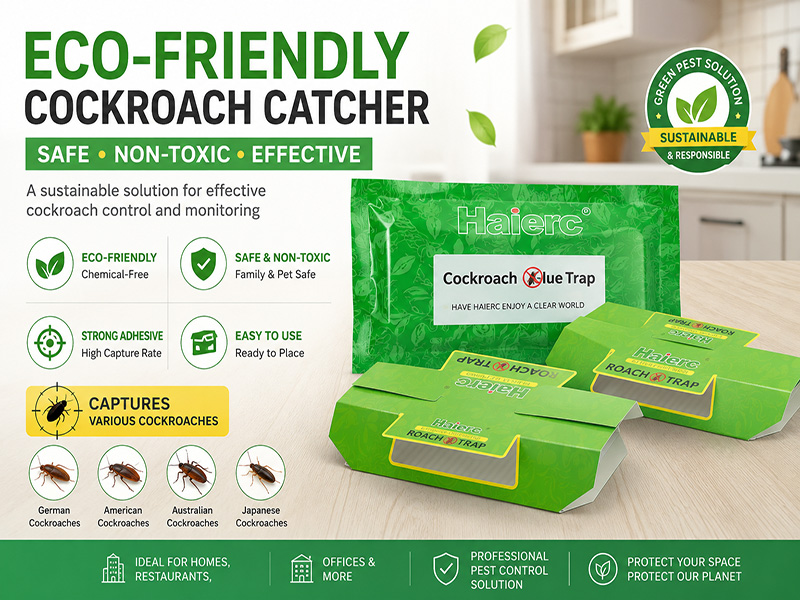
Multi-story hospitality properties face distinct pest vectors on every level, from basement boiler rooms to rooftop dining terraces. Implementing structured cockroach monitoring logs for hotels ensures engineering and housekeeping teams capture real-time activity trends instead of treating isolated sightings after guests complain.
Deploying reliable interceptors such as Cockroach/Roach Glue Trap (HC4109) across service landings, linen chutes, and dry pantries provides the baseline counts required for systematic auditing. When staff consistently record trap dates, hardware identifiers, and specific specimen counts by level, facility managers can isolate vertical utility pathways and direct targeted treatments before infestations spread between adjoining guestrooms.
Why How Hotel Teams Should Log Cockroach Glue-board Matters
Documenting trap counts by level isolates pest activity before insects migrate between guest rooms, service shafts, and dining facilities. Deploying Cockroach/Roach Glue Trap (HC4109) across utility corridors and tracking exact counts enables engineering staff to identify vertical travel routes via plumbing chases and electrical risers, preventing isolated sightings from developing into widespread infestations.
A structured recording habit also improves communication between night housekeeping crews and external technicians. Consistently inspecting stations such as Cockroach/Roach Trap (HC4115) pinpoints specific harborages on banquet or basement levels, ensuring corrective treatments target infested service zones without disrupting guest operations on accommodation floors.
What to Assess Before You Choose
Establishing a floor-by-floor tracking protocol requires evaluating the physical property layout, the operational environment, and the specific dynamics of insect activity before deploying monitoring stations.
Site Conditions
Review ambient moisture, temperature fluctuations, and exposure to cleaning chemicals across different facility zones. Basement mechanical rooms, commercial kitchens, and guest room plumbing chases present distinct physical environments that affect adhesive longevity and station stability. Deploying Cockroach/Roach Glue Trap (HC4109) beneath dishwashing stations or within floor drains requires accounting for daily washdowns, whereas hallway service risers remain dry and require dust mitigation to keep adhesive surfaces functional.
Pest Pressure and Species
Identify the primary targets, as behavioral differences between species dictate placement height and spacing. German roaches congregate tightly near heat-generating appliances, compressors, and motor housings in food service levels, demanding dense station grids. Larger perimeter invaders found on lower levels or near receiving docks move along foundational expansion joints and wall edges, necessitating perimeter-oriented tracking zones.
Access and Maintenance
Map out station locations based on routine inspection routes and the physical accessibility of discreet harborages. High-traffic hospitality zones demand hidden placements behind access panels, false baseboards, and luggage storage plinths. Positioning Cockroach/Roach Trap (HC4115) in service shafts or ceiling returns must balance concealment from guest view with rapid access for engineering teams during weekly scheduled audits.
Setup Step by Step
Establishing a floor-by-floor tracking protocol allows facility managers to locate localized harborage areas and prevent pest movement between guest levels.
Step 1: Survey the Site
Walk each floor to identify transit pathways, structural voids, and moisture access points. Concentrate on service elevator shafts, linen closets, housekeeping staging areas, and plumbing chases running between guest levels.
Step 2: Select the Hardware
Choose paper and glue solutions designed to monitor insect activity, such as Cockroach/Roach Glue Trap (HC4109). For tight pipe chases or beneath floor-level utility sinks, deploy Cockroach/Roach Trap (HC4115) to ensure continuous capture without blocking facility access.
Step 3: Install and Position
Place traps flush against baseboards and along corners where insects travel. Assign an identifier code to each unit that corresponds directly to the level and room number, ensuring every station integrates cleanly into cockroach monitoring logs for hotels.
Step 4: Inspect and Record
Examine each board on a set schedule to count nymphs and adults separately. Log counts per station, replace saturated or dusty capture pads immediately, and document any sudden increase to pinpoint plumbing leaks or structural openings on that specific floor.
Common Mistakes to Avoid
Lumping floor data into a single facility total: Recording catches under a generic building count hides localized activity, making it impossible to tell if nymphs are isolated to second-floor pantry risers or spreading from ground-level service docks.
Failing to log zero counts: Skipping stations with no captures removes baseline data, preventing facility managers from confirming whether an area is truly clear or if traps were simply overlooked during rounds.
Ignoring station service dates during trap swaps: Replacing units like Cockroach/Roach Glue Trap (HC4109) without noting the deployment interval skews population trend analysis and leads to premature or delayed hardware replacement.
Omitting micro-location details: Noting only the floor level without logging specific harborages—such as behind ice machines, under housekeeping linen chutes, or inside pipe chases—delays targeted mechanical exclusion.
Frequently Asked Questions
Facility managers often have operational questions when standardizing their pest detection protocols across multi-story hospitality properties.
Q: Can this hardware be combined with other control methods?
Yes, passive traps like Cockroach/Roach Glue Trap (HC4109) work effectively alongside targeted chemical baiting, dust applications in wall voids, and structural exclusion. The capture boards indicate precise activity clusters, allowing technicians to apply secondary treatments only where live populations exist.
Q: What should buyers check before ordering in bulk?
Procurement teams must evaluate adhesive stability under warm, humid conditions such as boiler rooms and commercial dishwashing areas. It is equally important to ensure the physical dimensions fit discreetly beneath guest-room furniture, behind service risers, and along tight wall-floor junctions.
About FliesTrap by Haierc
FliesTrap is the fly and hygiene-insect brand of Haierc PCO, a Tianjin manufacturer with 18+ years of pest-control hardware experience and 1000+ items in production. Haierc holds ISO9001; products are offered to CE, REACH and RoHS requirements where applicable; the factory is BSCI and SEDEX audited. Commercial terms: MOQ from 100 pcs; OEM / private label from 500 pcs. Contact: info@haierc.com | +86 18602234188 | https://www.fliestrap.com
- Share this:

-


Category
Trending Now