




 Bird & Pigeon Pest Control
 MOUSE & RAT Pest Control
 Fly Pest Control
 Cockroach Pest Control
 Mosquito Pest Control
 Mole Pest Control
 Wasp Pest Control
 Moth Pest Control
 Bed Bug & Flea Pest Control
 Ant & Termites Pest Control
 Spider Pest Control
 Other Insect Pest Control
 Snake Pest Control
 Snail & Slug Pest Control
 Wildlife Pest Control
 Garden Products
 Virus Control
 Smart AI Trap
 Insecticides


Industry News
How to Set Large Snap Traps for Mice/Rats in Storage Facilities | FliesTrap
 By
2026-10-01
read
By
2026-10-01
read

.jpg)
Introduction — The High-Stakes Reality of Commercial Rodent Pressure
Rats don't wait. When roof rats or house mice penetrate a distribution center in Hamburg or a food processing unit outside Lyon, the clock starts ticking against your hygiene score. How to stop an established rodent run without risking chemical cross-contamination in regulated zones is the central headache for facility managers across Europe. Under CEPA guidelines and BRCGS food safety standards, non-toxic mechanical barriers are no longer just an alternative; they're your frontline defense.
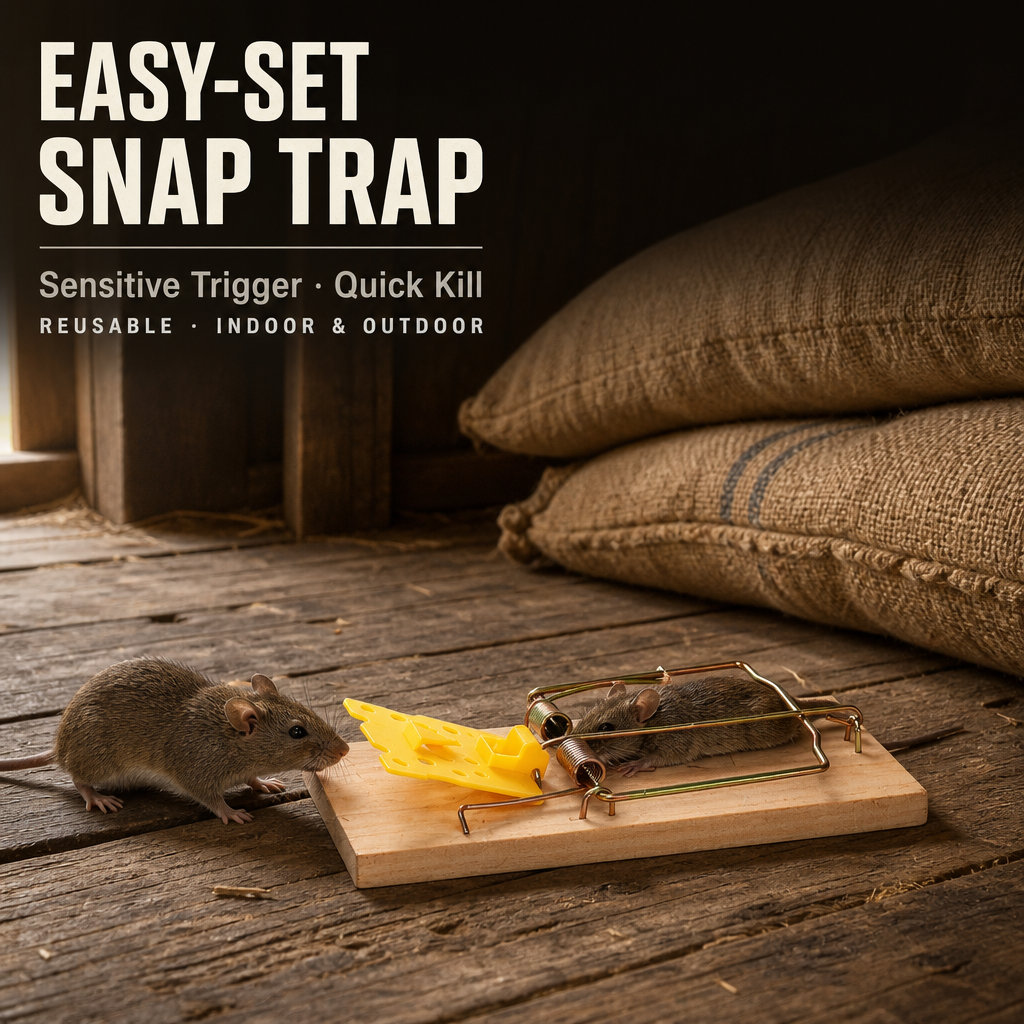
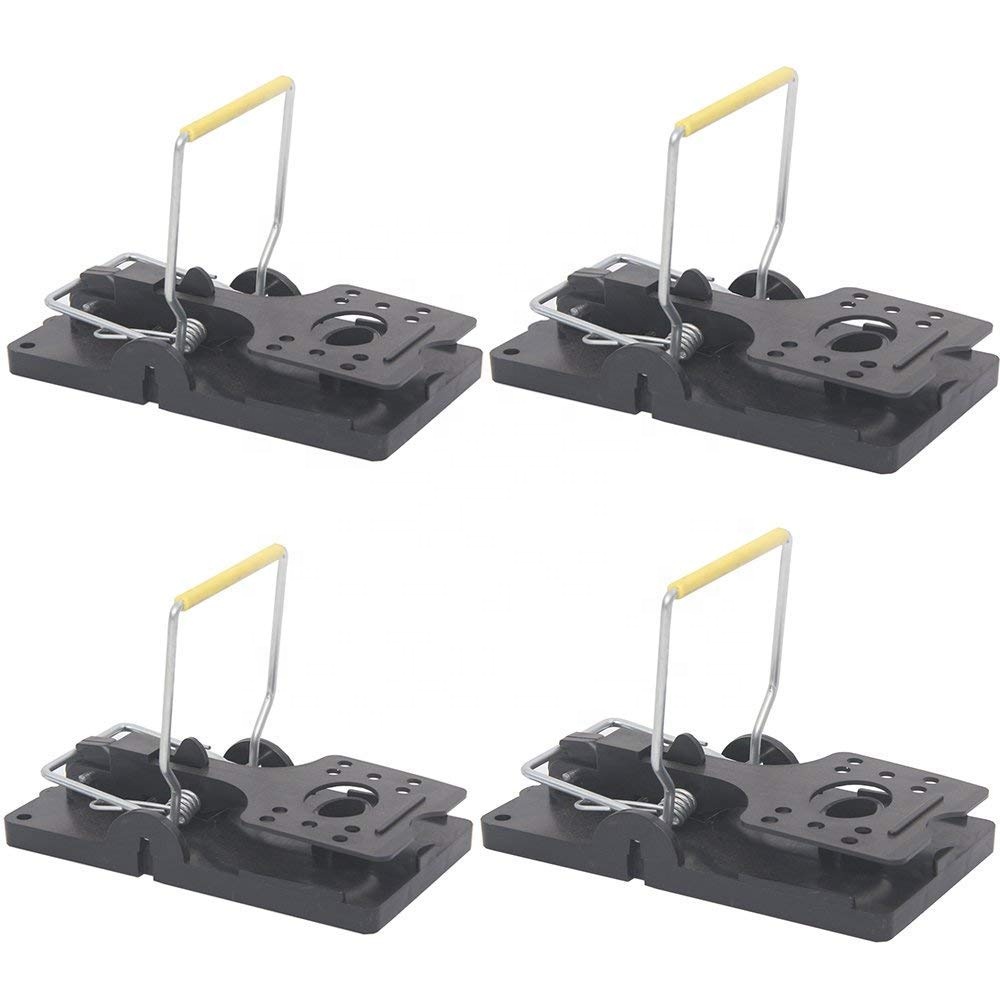
Deploying Large Snap Traps for Mice/Rats gives pest control operators an immediate knockdown tool that leaves zero chemical residues on packaging. You get a definitive capture count without dead rodents decaying behind insulated drywall. Still, simply placing a wooden trap against a wall won't cut it. Rodents are neophobic. They dodge sloppy hardware placements. We've seen entire pallets of dry goods written off because an operator set three undersized traps with the wrong bait tension along a high-traffic travel path. Let's fix that operational blind spot right now.
+-------------------------------------------------------------------+
| TYPICAL FACILITY PERIMETER TRAP GRID |
| |
| [ Loading Dock ] ===== Rodent Entry Run =====> [ Pallet Racks ] |
| | | |
| v v |
| Bucket Flip Lid Large Snap Traps |
| (Bulk Intercept) (Run Intercept) |
| | | |
| +-------------> [ Enclosed Stations ] <--------+ |
| (Tamper-Proof Perimeter) |
+-------------------------------------------------------------------+
Why Rodent Pressure Escalates in European Commercial Facilities
Rodent incursions aren't random accidents. As temperature levels drop across Central and Northern Europe during autumn, Rattus norvegicus and Mus musculus seek thermal pockets near compressor rooms, loading docks, and waste compactors. Tightening biocide restrictions under EU Regulation 528/2012 (BPR) have heavily curtailed permanent anticoagulant baiting outdoors. This regulatory shift means PCOs must manage heavier rodent loads right at the facility perimeter using mechanical hardware.
Structural gaps create immediate superhighways. A juvenile mouse can squeeze through a 6 mm gap under an overhead door seal, while a adult rat needs barely 12 mm. Once inside, they exploit expansion joints, cable trays, and false ceilings. In high-density environments like agricultural grain stores or e-commerce fulfillment hubs, food waste or cardboard glue provides an endless buffet.
Secondary pest vectors quickly compound the problem if left unmonitored. When rodents nest near open eaves, bird populations frequently settle nearby, prompting operators to install a Normal Mist Bird Net or contact bird deterrent system distributors Europe to seal upper structural beams. Similarly, moisture buildup in rodent harborages attracts summer insect surges that require an electric bug zappers mosquito trap repellent or targeted UV units alongside floor traps. If you manage perimeter entry points without a coordinated mechanical barrier program, you're constantly fighting yesterday's infestation.
Step-by-Step Guide to Deploying Mechanical Traps
Achieving zero-catch failure requires a methodical setup. Follow these five practical steps to establish an airtight mechanical barrier inside any commercial storage floor.
STEP 1: Map Runs ──> STEP 2: Bait Wells ──> STEP 3: 90° Placement ──> STEP 4: Tension Set ──> STEP 5: 24h Check
(UV / Rub Marks) (Hypoallergenic) (Trigger to Wall) (High Sensitivity) (Clear & Reset)
1. Identify Runway Lines and Neophobic Vectors
Never guess where rodents run. Inspect baseboards, pallet runner edges, and utility conduits for dark sebum grease marks, gnaw patterns, and fresh droppings. Use a high-output UV tracking flashlight during nighttime inspections to reveal urine trails across dusty floor surfaces.
2. Pre-Bait Without Setting the Striker Mechanism
Rats inspect new objects in their territory with extreme suspicion. Place Large Snap Traps for Mice/Rats directly along active runways for 48 hours loaded with bait, but leave the strike bar un-cocked. Let them feed freely. Once rodents accept the trap base as a safe feeding zone, cock the mechanism on night three for an immediate, high-probability capture.
3. Load Bait Wells with High-Calorie Attractants
Avoid running water-based baits in refrigerated zones or dry bread in arid warehouses. Use dense, non-allergenic aromatic pastes such as pure peanut butter blends, oat-tallow mixes, or commercial non-toxic protein gels. Pack the bait deep inside the central bait cup. If the rodent can lick the top surface without depressing the pedal, you'll get stripped traps with zero triggers. Keep the bait volume roughly the size of a green pea. Less is more.
4. Position Traps Perpendicular to Structural Walls
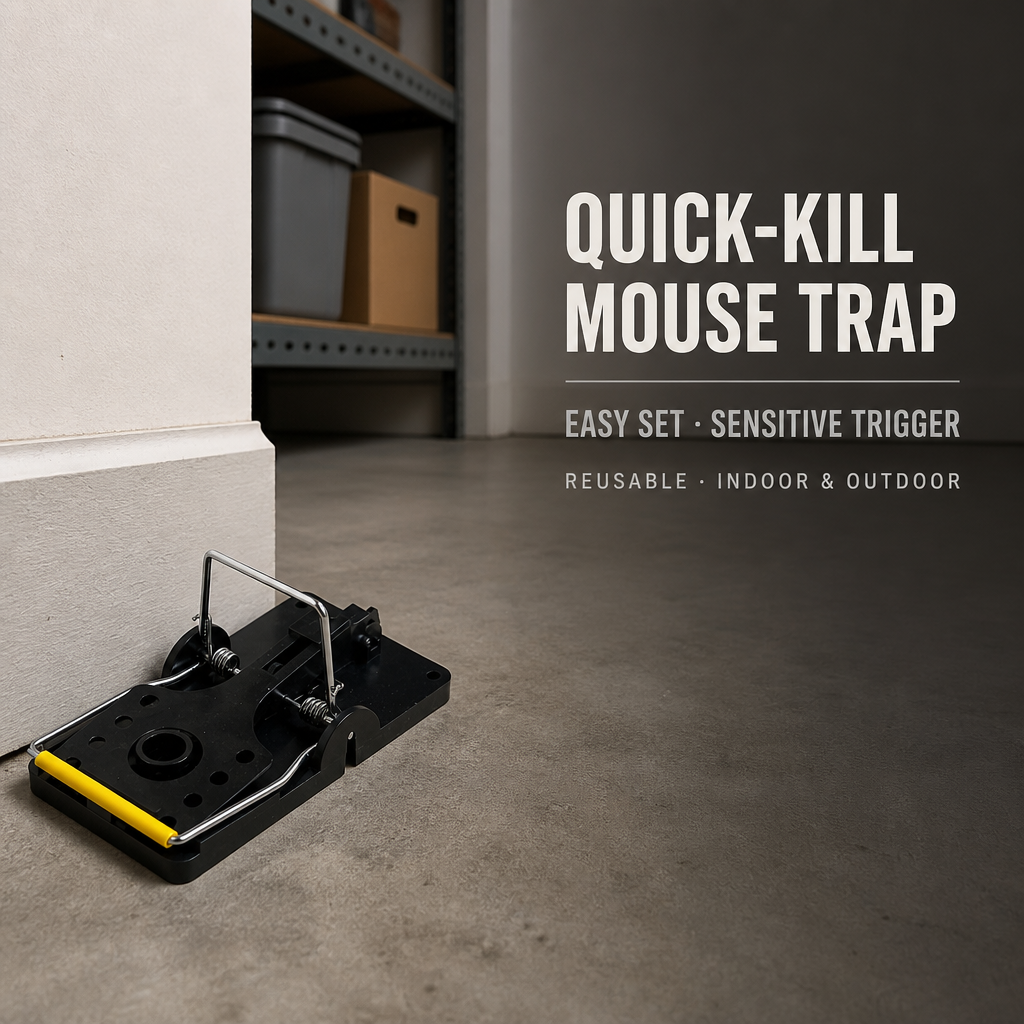
Place snap traps at a strict 90-degree angle to the wall, with the sensitive expanded trigger treadle facing directly against the skirting board. When a rat runs down the perimeter, it steps directly onto the trip pedal regardless of the direction it approaches. For high-volume transit zones, place traps in back-to-back pairs spaced 2 to 3 meters apart.
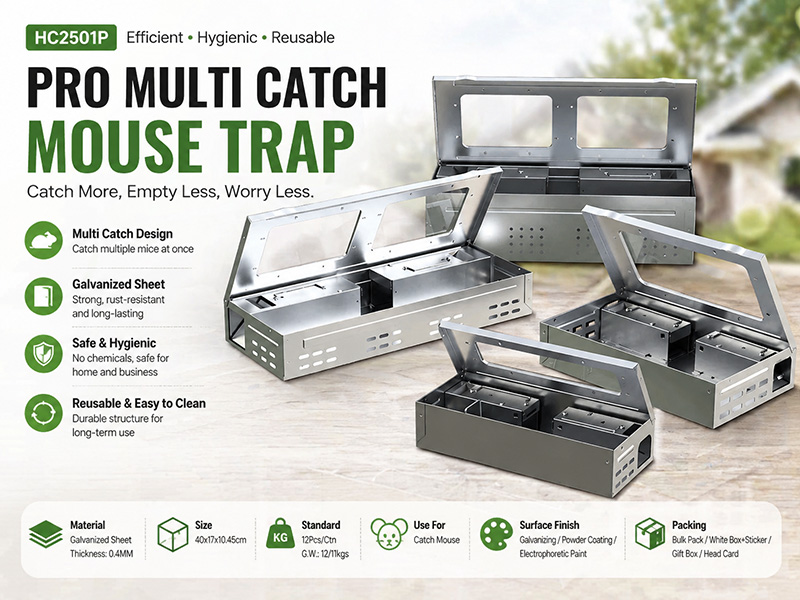
For severe, uncontrolled mouse populations around grain silos or bulk dry goods, pair snap lines with a Mice Mouse Rat Trap Bucket Flip Lid. Mounted on a standard 20-liter bucket, this continuous-catch counterweighted platform allows dozens of mice to be caught in a single shift without needing a manual reset.
[ Concrete Perimeter Wall ]
[Snap Trap] [Snap Trap]
| Trigger | | Trigger |
| Facing | | Facing |
| Wall | | Wall |
^ ^
<<< Rodent Run Line Direction >>>
5. Establish Inspection and Reset Cycles
Check traps every 24 hours in line with humane trapping codes outlined by the BPCA and CEPA standards. Carcasses must be removed immediately to prevent odor development and secondary dermestid beetle infestations. Use heavy nitrile gloves, bag the specimen securely, and sanitize the trap frame with an enzymatic, non-chlorine cleaner before resetting.
Trap Form Factors: Selecting the Right Unit for Your Facility
Different facility layouts call for distinct mechanical mechanisms. Matching the hardware footprint to your pest pressure level prevents equipment damage and wasted labor hours.
| Specification | FliesTrap Standard (FliesTrap) | Industry Average |
|---|---|---|
| Spring Composition | High-tensile tempered carbon steel with anti-corrosion coating | Standard zinc-plated wire spring (prone to fatigue) |
| Trigger Treadle Design | Enlarged sensitive ABS pedal with integrated bait reservoir | Small flat metal tongue requiring manual bait wrapping |
| Frame Construction | Heavy-duty impact-resistant virgin ABS / Polycarbonate | Recycled brittle polystyrene or soft untreated timber |
| Multi-Catch Capability | Counterweighted continuous-drop flip lids & collapsible multi-catch cages | Single-action snap mechanisms only |
| Regulatory Compliance | CE, REACH, RoHS compliant non-toxic mechanical hardware | Varying non-certified workshop production |
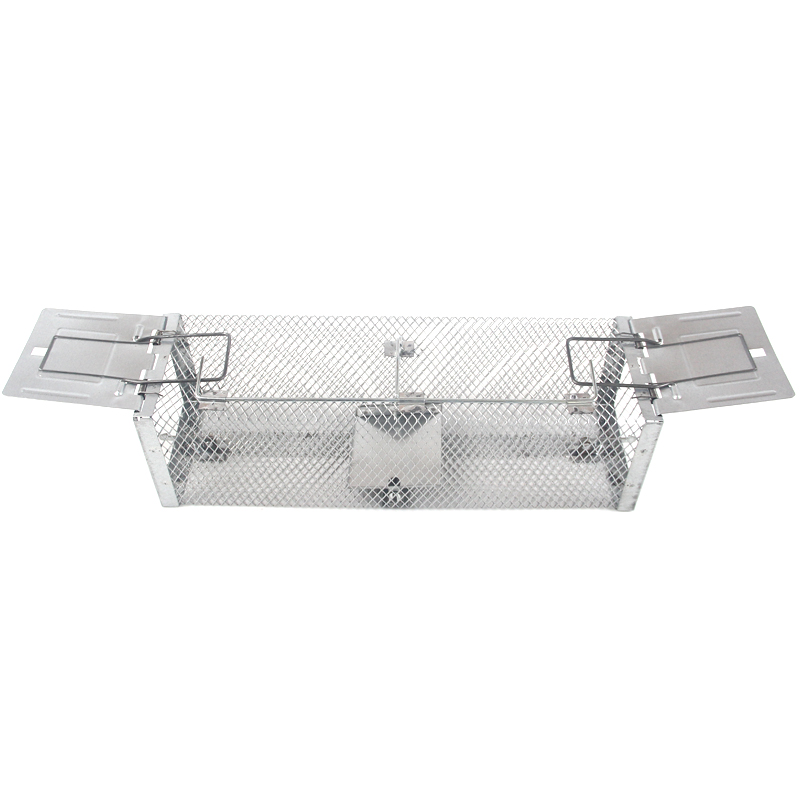
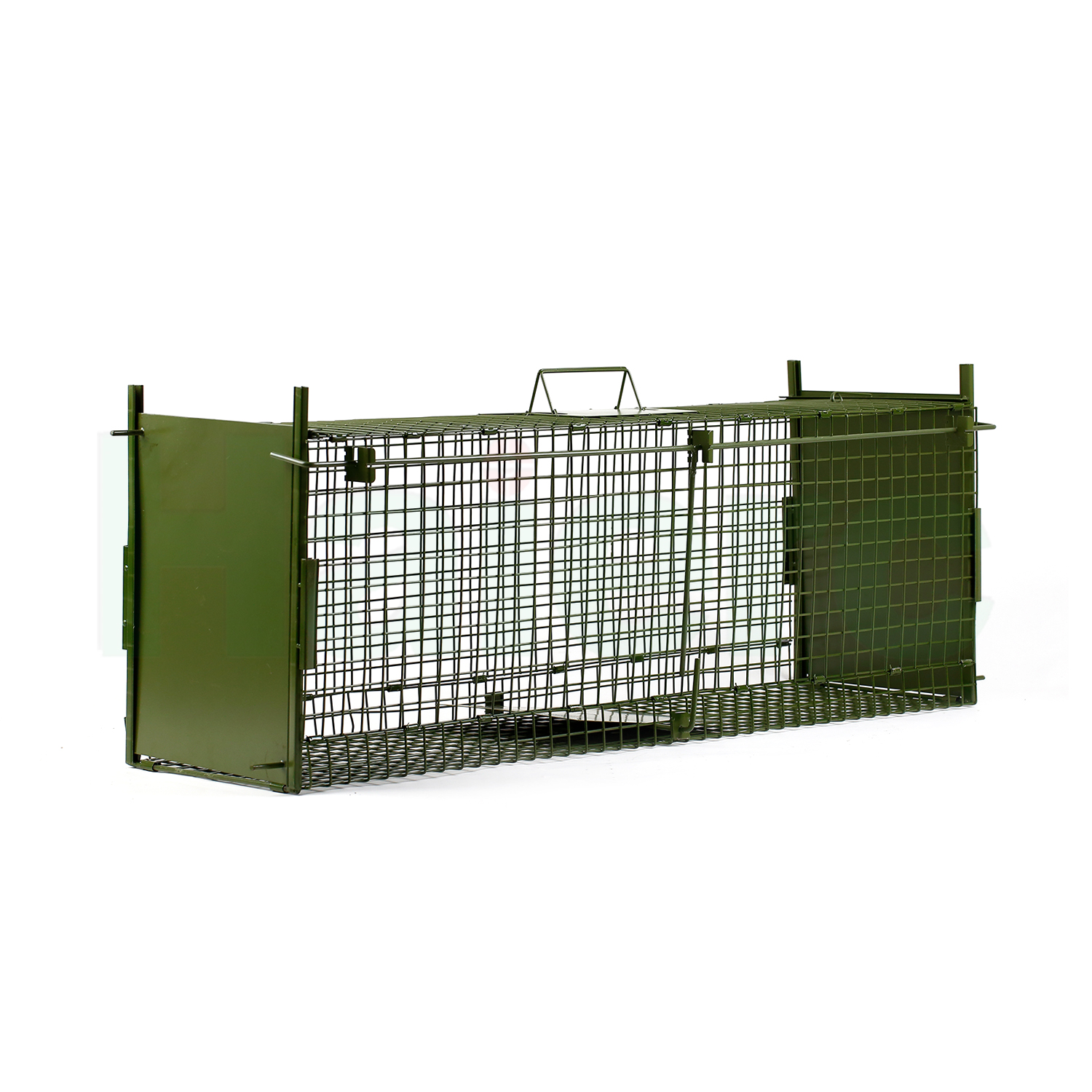
For structural exterior boundaries or narrow service voids where traditional snap units cannot fit securely, install a heavy-gauge One Way Door Trap over verified wall exits. This allows rodents to leave wall cavities while permanently blocking their return.
When sourcing your equipment inventory, partnering directly with an established foldable rodent exterminator factory ensures your warehouse maintains consistent hardware specs across all regional facilities. Standardized trap bodies fit neatly into locked Reusable Mouse Bait Stations, safeguarding non-target wildlife and meeting rigorous IFS food packaging audit criteria.
Are your trap lines fully protected against foot traffic? If technicians constantly kick traps out of alignment, secure the units inside low-profile stations with internal securing clips. In secondary utility corridors where flying pests also congregate near drains, combining floor traps with an Insect Glue Trap Lamp usb Charging station keeps your monitoring logs comprehensive across both insect and rodent vectors.
Our manufacturing facilities in Tianjin have produced high-durability physical control hardware for over 18 years. Every snap mechanism, live capture cage, and bucket drop system is precision-molded to withstand industrial washdowns, sub-zero warehouse conditions, and heavy continuous use by commercial PCO crews.
Operational Mistakes That Ruin Catch Rates
Even experienced technicians occasionally slip into bad habits during rushed service routes. Watch out for these four common field errors:
- Over-baiting the trigger platform: Piling large mounds of food over the entire pedal lets rodents feed from the edges without applying sufficient downward pressure on the fulcrum. Keep bait localized inside the designated bait well.
- Contaminating hardware with human or chemical scent: Handling traps with bare hands after smoking or applying synthetic pyrethroids leaves repellent residues. Always wear clean nitrile gloves when unboxing, baiting, and positioning traps.
- Setting insufficient trap density: Placing three traps in a 500-square-meter warehouse does not establish a control line. An active mouse infestation demands traps every 1.5 to 2 meters along identified walls; rat infestations require spacing every 3 to 5 meters.
- Neglecting secondary structural points: Placing hardware only on the floor while rats navigate overhead cable conduits guarantees failure. Mount traps securely to overhead beams using industrial zip ties or magnetic mounting brackets.
Where environmental factors complicate your pest management—such as open-air loading docks bordering agricultural land—remember that bird and rodent pressures often intersect. Facilities operating across overseas sister sites often consult with bird repellent solutions wholesale Canada vendors or install perimeter Bird Net and Bird Deterrent hardware to prevent bird flocks from dropping nesting debris that feeds floor-level rodent populations. When establishing your exterior line, ensure the dynamic Protect Area Dia For Choice matches the physical layout of your loading bay apron.
Frequently Asked Questions
Q: How do Large Snap Traps for Mice/Rats compare to chemical rodenticides in BRCGS audited plants?
A: Large snap traps provide instant physical capture with zero risk of chemical migration or toxic residues near food lines. Under BRCGS and IFS standards, non-toxic mechanical traps are strongly favored inside production and storage facilities because they allow exact capture logging and immediate carcass disposal without toxic contamination.
Q: When should I choose a Mice Mouse Rat Trap Bucket Flip Lid instead of single snap traps?
A: A bucket flip lid trap is ideal for high-density rodent populations in barns, feed mills, and large logistics hubs. While a standard snap trap catches one rodent per reset, a counterbalanced flip lid drops pests into a bucket continuously, resetting automatically to catch multiple rodents per night without technician intervention.
Q: What sensitivity setting should be used on commercial rat snap traps?
A: Set the trigger sear to high sensitivity for indoor warehouse environments. This requires less than 15 grams of force to release the high-tension strike bar, ensuring even juvenile rats or lightweight roof rats trigger the trap instantly when inspecting the bait cup.
Q: How can procurement teams verify build quality from a foldable rodent exterminator factory?
A: Look for ISO9001 factory certifications, heavy-gauge galvanized steel construction, robust spot-welding at stress joints, and compliance with CE and REACH material standards. FliesTrap by Haierc provides full factory test reports and batch-specific quality checks across all commercial metal and plastic pest control hardware.
Q: Can snap traps and multi-catch bucket lids be used outdoors in wet EU climates?
A: Yes, provided they are molded from UV-stabilized ABS or polycarbonate and feature tempered anti-rust springs. For outdoor deployment, always house snap traps inside tamper-resistant, lockable bait stations to protect mechanisms from rain, snow, and non-target animal access.
Conclusion & Strategic Procurement
Establishing robust physical rodent barriers protects both your client's inventory and your facility's regulatory compliance record. By mapping active runs, setting Large Snap Traps for Mice/Rats perpendicular to baseboards, and integrating automated Mice Mouse Rat Trap Bucket Flip Lid units across dense harborages, you build an efficient, poison-free exclusion zone.
FliesTrap by Haierc manufactures industrial-grade pest control hardware backed by 18 years of specialized production experience. From high-impact snap traps to multi-catch systems and Retail chain rodent prevention products, our complete product line is engineered for professional PCO operations and commercial facility managers worldwide. All products carry CE, REACH, and RoHS certifications, supported by rapid 15–25 day production lead times and low 500-unit baseline MOQs.
Need custom branding, private labeling, or bulk specification sheets for your upcoming facility tender? Reach out to our technical sales team directly at sales@fliestrap.com or explore our commercial catalog at https://www.fliestrap.com. Let's reinforce your facility defenses with proven, field-tested physical monitoring hardware.
- Share this:

-



Category
Trending Now