




 Bird & Pigeon Pest Control
 MOUSE & RAT Pest Control
 Fly Pest Control
 Cockroach Pest Control
 Mosquito Pest Control
 Mole Pest Control
 Wasp Pest Control
 Moth Pest Control
 Bed Bug & Flea Pest Control
 Ant & Termites Pest Control
 Spider Pest Control
 Other Insect Pest Control
 Snake Pest Control
 Snail & Slug Pest Control
 Wildlife Pest Control
 Garden Products
 Virus Control
 Smart AI Trap
 Insecticides


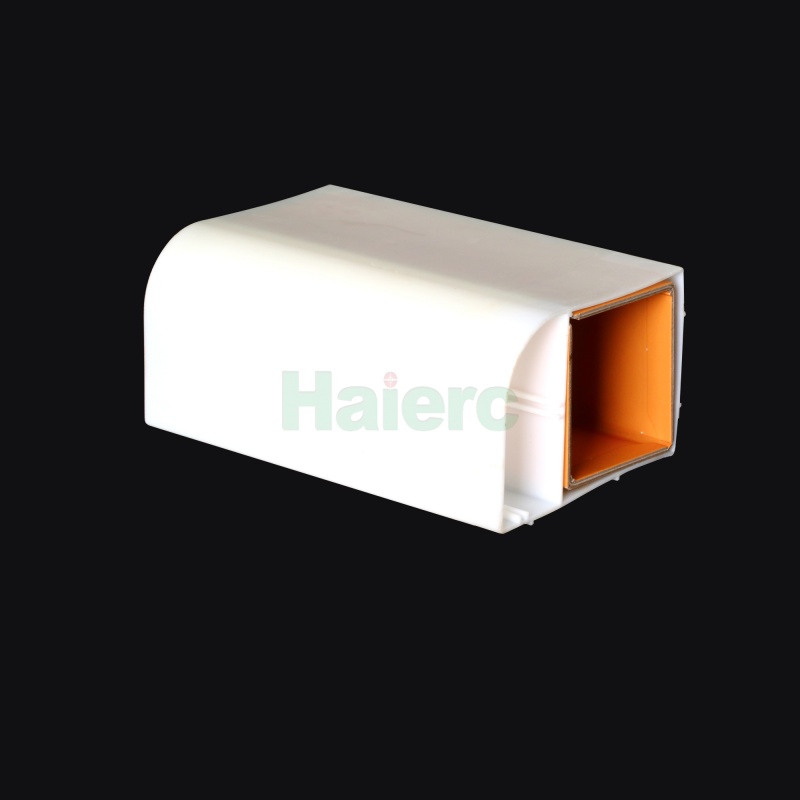
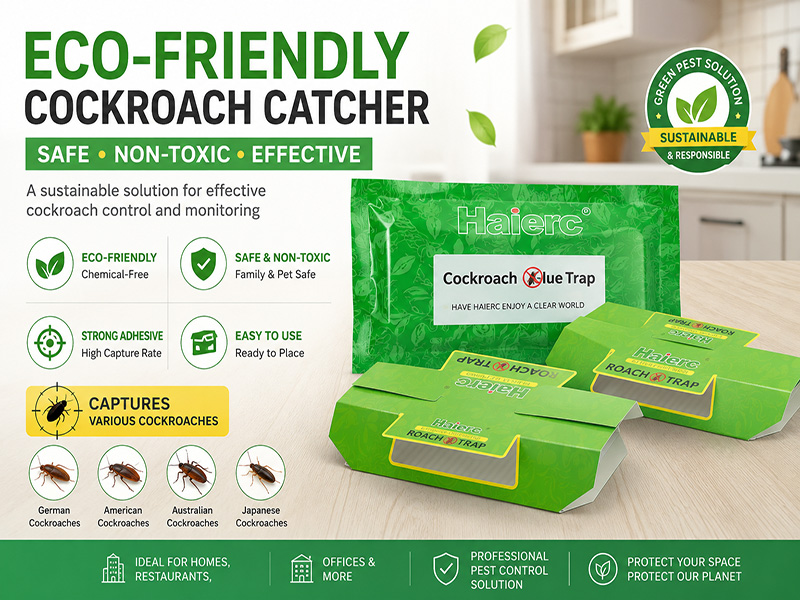
Commercial kitchens provide an ideal environment for pests due to constant warmth, moisture, and food residue. Implementing an effective monitoring program requires precise positioning of detection hardware along structural perimeters and behind heat-generating cooking equipment. Deploying dedicated hardware such as Cockroach/Roach Glue Trap (HC4109) allows facilities managers to identify early population movements before infestations spread into food preparation lines.
Achieving reliable data depends on maintaining systematic trap grids rather than scattering boards at random. When establishing protocols for cockroach monitor placement kitchen layouts demand thorough mapping near floor drains, dishwashing stations, and refrigeration motor housings. Technicians often place a Cockroach/Roach Glue Trap (HC4112) along these critical travel vectors to gauge harborage pressure and verify that facility sanitation practices are working effectively.
The Short Answer
Cockroach monitors should be installed directly along travel corridors, flush against walls and structural seams where warm equipment meets moisture. Priority zones include the undersides of stainless steel prep tables, behind refrigeration motor compressors, around dishwashing stations, and beneath cooking lines. Placing sticky boards flat against baseboards or inside service voids intercepts nymphs and adults as they forage along structural edges.
For early detection programs, hardware such as Cockroach/Roach Glue Trap (HC4109) provides discreet perimeter coverage when stationed under low-clearance sinks and behind cooking equipment. Utilizing high adhesion, PCO grade sticky boards like Cockroach/Roach Glue Trap (HC4112) secures crawling nymphs and adults even in high-moisture prep environments, giving technicians immediate visibility into population hot spots before pests spread into dining areas.
What to Assess Before You Choose
Mapping out detector stations requires an evaluation of the physical plant before laying down adhesive boards. Commercial culinary spaces present unique environmental stresses that can render sticky boards ineffective if locations are chosen without preliminary checks.
Site Conditions
High ambient heat, active grease mist, and direct moisture dictate trap survival. Stations placed directly in line with nightly wash-down hoses will soak cardboard housings and ruin adhesive beds. Evaluate wall junctions, floor slopes, and condenser pans to pinpoint ambient microclimates. Monitoring hardware such as the Cockroach/Roach Glue Trap (HC4109) should be positioned away from open floor drains yet adjacent to warmth-generating motor mounts where ambient relative humidity remains elevated without direct liquid exposure.
Pest Pressure and Species
Target species biology governs harborages and vertical movement across prep lines. German roaches cluster within narrow voids near prep tables and electrical chases, whereas larger peridomestic varieties favor floor sinks, grease traps, and basement pipe sleeves. Deploying a dedicated Cockroach/Roach Glue Trap (HC4109) featuring high adhesion, non-toxic glue, and PCO grade paper construction directly along these travel corridors ensures reliable capture rates across life stages, providing clear monitoring data rather than false-negative reads.
Access and Maintenance
Hardware must sit along actual foraging paths while remaining accessible for rapid weekly inspections. If a station demands moving heavy cooktops or disassembly of stainless line covers, staff skip audit checks. Keep monitors flush against structural corners, behind accessible kick-plates, or under false cabinet bottoms so technicians can visually inspect catch trays without disrupting daily kitchen operations.
Setup Step by Step
A methodical deployment process ensures detection devices capture insect activity early and provide actionable data for ongoing treatment programs.
Step 1: Survey the Site
Begin by conducting a thorough inspection of the facility during low-activity hours. Focus on moisture sources, warmth generators, and food accumulation zones such as floor drains, compressor motor housings, dishwashing lines, and shelving supports. Map out micro-climates where grease and humidity collect to determine prime monitoring targets.
Step 2: Select the Hardware
Match the trapping device to the environment and targeted species. For tight voids and perimeter wall runs, deploy Cockroach/Roach Glue Trap (HC4109), which features high adhesion, non-toxic glue, and PCO grade construction, or alternate with Cockroach/Roach Glue Trap (HC4112) to monitor activity along harborage points.
Step 3: Install and Position
Adhere strictly to proven principles of cockroach monitor placement kitchen layouts require, positioning units flush against baseboards, underneath prep tables, and behind major cooking equipment. Cockroaches navigate along structural edges via thigmotaxis, so traps positioned flat against vertical surfaces yield significantly higher catch rates than units placed in open floor areas.
Step 4: Inspect and Record
Establish a strict weekly audit schedule to examine each monitor. Note counts, species identification, and nymph-to-adult ratios on facility floor plans. Replace contaminated, wet, or full adhesive inserts promptly to maintain continuous surveillance, and shift monitor locations if surrounding sanitation adjustments alter pest movement patterns.
Common Mistakes to Avoid
A frequent error in commercial kitchens is positioning detection boards in wide-open, highly trafficked areas rather than tight flush corners, which ignores natural roach thigmotaxis and leads to accidental crushing by staff footwear. Setting units directly beneath active wash sinks where heavy water spray ruins the capture surface also invalidates catch records. Additionally, failing to inspect devices like Cockroach/Roach Glue Trap (HC4109) or Cockroach/Roach Glue Trap (HC4112) regularly or forgetting to replace saturated boards obscures rising infestation trends, while relying on compromised adhesive without maintaining fresh, high adhesion capture surfaces limits overall monitoring accuracy in spaces with competing food odors.
Frequently Asked Questions
Addressing common operational questions ensures glue boards provide reliable data and hold up against the daily demands of food service facilities.
Q: How often should the setup be inspected in a commercial kitchen?
Technicians should check boards weekly during active infestations and at least bi-weekly for routine surveillance. High-grease zones may require more frequent checks, as airborne cooking residues coat the sticky surface and degrade capture efficiency over time.
Q: Can this hardware be combined with other control methods?
Yes, sticky traps work alongside targeted gel baits, dusts, and insect growth regulators to form a cohesive management strategy. In fact, reviewing capture counts helps technicians evaluate whether surrounding bait applications are actively suppressing the population.
Q: What should buyers check before ordering in bulk?
Buyers should confirm that structural footprints suit equipment voids and verify whether glue traps feature high adhesion and non-toxic glue, such as Cockroach/Roach Glue Trap (HC4109) or Cockroach/Roach Glue Trap (HC4112). Selecting low-profile designs also simplifies ongoing cockroach monitor placement kitchen protocols around tight refrigeration lines.
About FliesTrap by Haierc
FliesTrap is the fly and hygiene-insect brand of Haierc PCO, a Tianjin manufacturer with 18+ years of pest-control hardware experience and 1000+ items in production. Haierc holds ISO9001; products are offered to CE, REACH and RoHS requirements where applicable; the factory is BSCI and SEDEX audited. Commercial terms: MOQ from 100 pcs; OEM / private label from 500 pcs. Contact: info@haierc.com | +86 18602234188 | https://www.fliestrap.com
- Share this:

-



Category
Trending Now