




 Bird & Pigeon Pest Control
 MOUSE & RAT Pest Control
 Fly Pest Control
 Cockroach Pest Control
 Mosquito Pest Control
 Mole Pest Control
 Wasp Pest Control
 Moth Pest Control
 Bed Bug & Flea Pest Control
 Ant & Termites Pest Control
 Spider Pest Control
 Other Insect Pest Control
 Snake Pest Control
 Snail & Slug Pest Control
 Wildlife Pest Control
 Garden Products
 Virus Control
 Smart AI Trap
 Insecticides


Industry News
How to Install Catching Bird Net Systems in Commercial Facilities | FliesTrap
 By
2026-09-30
read
By
2026-09-30
read

.jpg)
Problem Background: Bird Incursions in Commercial Sites
Birds ruin inventory. A flock of feral pigeons or common mynas nesting across structural steel rafters will drop kilos of corrosive guano over stock within days. In Australian logistics hubs, food processing units, and open-air canopies across New South Wales and Victoria, bird intrusion isn't just an eyesore. It is an immediate biosecurity violation under FSANZ standards and BRCGS food safety protocols.
We see this scenario every week. A warehouse manager calls because birds have nested above automated packing lines, triggering optical sensors and dropping feathers into pristine product cartons. Cleaning rafters with high-pressure washers only offers temporary relief, and chemical repellents face strict environmental restrictions under modern IPM programs. Facilities need physical exclusion. Implementing a heavy-duty Catching Bird Net combined with perimeter visual barriers like a Glass Windows Bird Proof Sticker stops the pest cycle at the structural threshold.
Physical barriers work without toxic chemicals. Recent reporting from NPMA/PestWorld highlights that physical exclusion remains the highest-rated long-term control method for commercial pest managers worldwide. If birds can't land, they can't roost. They move off-site.
When and Why Structural Bird Invasions Peak
Bird pressure follows clear seasonal and structural triggers. During spring and early summer across Australia, nesting pairs seek sheltered, elevated roosts that protect them from predators and extreme heat. High warehouse eaves, open-bay loading docks, and HVAC architectural ledges provide the exact microclimate birds want.
Structural architecture often invites the problem. Deep I-beams create sheltered pockets. Wide-span roof trusses offer flat resting perches directly above warm machinery. When architectural glass facades reflect open sky, birds fly straight into building envelopes, creating exterior safety hazards that require a specialized Glass Windows Bird Proof Sticker to break reflections. Meanwhile, nearby distribution centers dealing with agricultural exports or grain storage draw foraging flocks in the thousands.
+-------------------------------------------------------------------+
| FACILITY BIRD PRESSURE TIERS |
+-------------------+-----------------------+-----------------------+
| Low Pressure | Medium Pressure | Heavy Pressure |
| (Transitory Stop) | (Feeding/Day Roost) | (Nesting/Brooding) |
| - Visual decals | - Ledge spikes | - Catching Bird Net |
| - Window stickers | - Shock track systems | - Full structural rig |
+-------------------+-----------------------+-----------------------+
Facility managers often ask us why smaller deterrence gadgets fail during heavy pressure. When birds have active broods, sonic repellers won't displace them. A mother pigeon will endure loud ultrasonic noise to protect her eggs. That's just biology. BPCA technical guidance notes that high-pressure nesting zones require complete mechanical exclusion. You must build an impenetrable physical ceiling. Let's look at how to construct that barrier properly.
Step-by-Step Guide: Installing a Catching Bird Net System
Installing structural netting requires methodical rigging. Do not rush the anchor points. A loose net sags, traps debris, and eventually tears under wind shear. Follow these sequential steps for a professional installation.
Step 1: Site Survey and Mesh Sizing
Measure the total span including structural drop-downs. Calculate 10% extra netting material to account for corner fastening and truss transitions. Match the mesh aperture directly to your target bird species:
Step 2: Setting the Perimeter Anchor Cable
Install 304 stainless steel eye bolts or beam clamps at every structural corner. Run a 2mm or 3mm 7x7 stainless steel wire rope around the entire perimeter boundary.
[Corner Eyebolt] === (Turnbuckle) === [Perimeter Cable] === [Intermediate Fixings @ 500mm] === [Corner Eyebolt]
Step 3: Hoisting and Spreading the Catching Bird Net
Lay out your Catching Bird Net on a clean drop tarp to avoid snagging floor debris. Tie off the lead corners to your corner anchor points using temporary zip ties. Pull the net taut along the primary baseline, keeping the mesh squares running parallel with the building lines.
Step 4: Hog-Ringing to the Tensioned Cable
Fasten the outer perimeter mesh to the stainless steel wire rope using heavy-gauge hog ring staples.
1. Place a staple every single mesh square for 50mm netting.
2. Space staples no further than two mesh openings apart for 19mm netting.
3. Use a pneumatic or manual hog ring tool loaded with marine-grade 304 SS staples.
4. Trim excess netting neatly along the outer cable edge using an electric hot-knife or heavy shears.
Step 5: Reinforcing High-Transit Entry Points
Install weighted overlapping net curtains or magnetic zipper access ports where service technicians need to access overhead HVAC dampers, lighting ballasts, or roof access hatches.
If your facility sources components globally through a regional trade partner or a certified red anti-aves distribuidor, verify that all hardware lines—from wire turnbuckles to UV-treated twine—carry full material certification sheets.
Integrated Exclusion: Matching Products to Facility Scenarios
No single device solves every zone of an industrial site. Large facilities need layered IPM hardware across distinct architectural zones.
TYPICAL INDUSTRIAL FACILITY LAYOUT
+-------------------------------------------------------------------+
| [Canopy / Eaves] --> Heavy-Duty Catching Bird Net |
| [Glass Facades] --> Glass Windows Bird Proof Sticker |
| [Ledges / Signs] --> Bird Shock Tracker / Step Proof Cat Spikes |
| [Sub-Floor Waste] --> Steel Bait Station / Rat Snap Trap |
| [Internal Doors] --> Insect Trap Lamp with sticky pads |
+-------------------------------------------------------------------+
Roof Structures and Loading Canopies
High-span canopies demand knotted, UV-stabilized high-density polyethylene (HDPE). Whether you work with a regional installer or a malla para aves importador for large-scale agricultural projects, ensure the material contains a minimum 2% UV inhibitor package. In Australia's harsh climate, non-stabilized plastic net breaks down into micro-dust within eighteen months.
Glass Atriums and Office Windows
Large reflective glass panels cause constant bird strikes. Affixing a Glass Windows Bird Proof Sticker breaks up UV light patterns visible to birds while maintaining daylight clarity for human occupants.
Parapets, Girders, and Narrow Ledges
For narrow architectural cornices where full nets look unsightly, install a pulsed Bird Shock Tracker or physical ledge barriers. An experienced bird spike systems buyer Canada knows that high-rise ledge protection demands blunt mechanical spikes or low-profile electric tracks that comply with local animal welfare regulations.
Supplementary Pest Management Controls
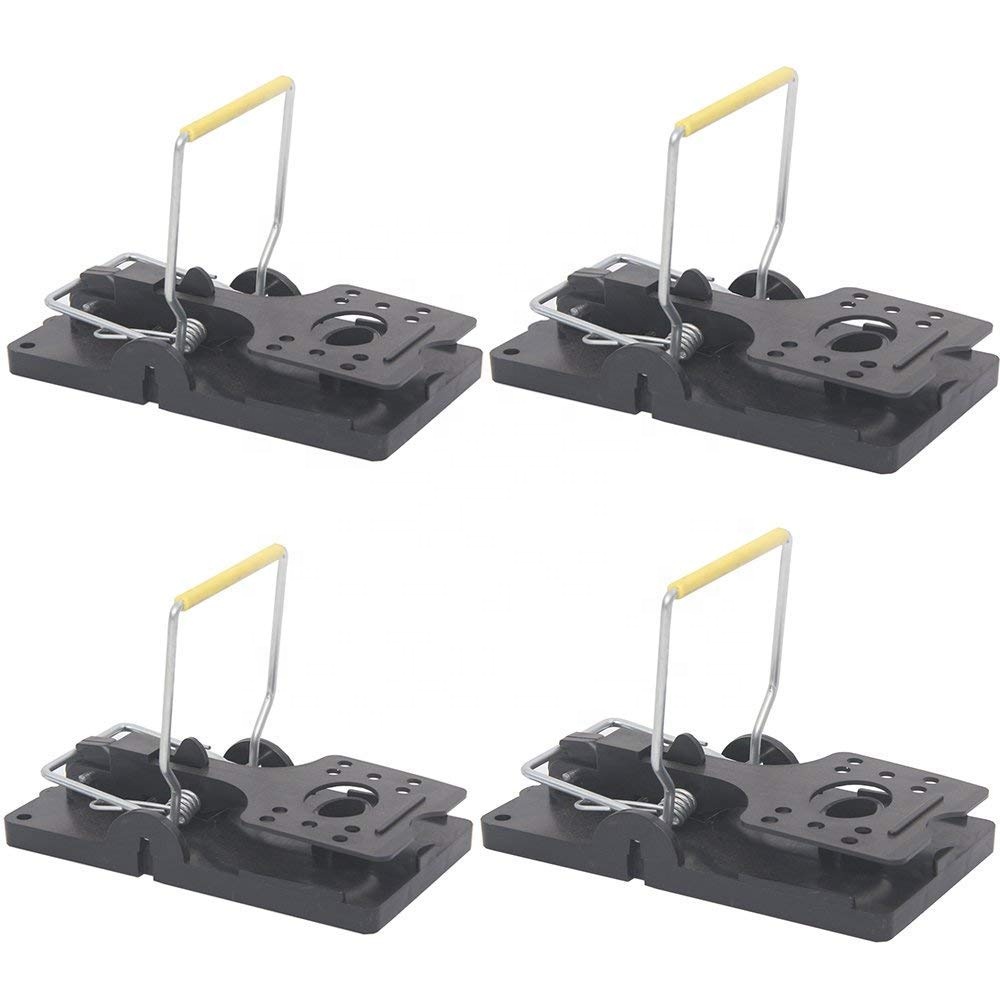
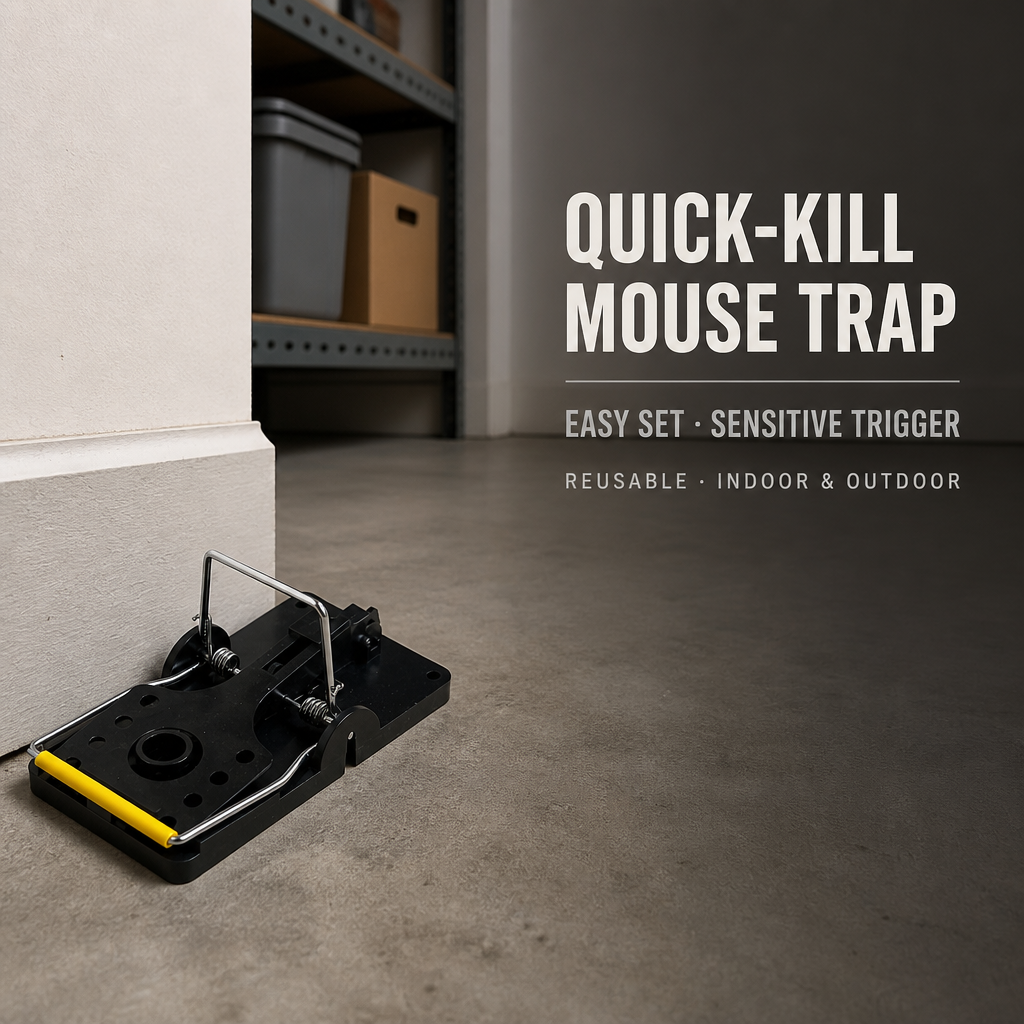
Birds bring secondary pests. Bird droppings and nesting debris attract beetles, moths, and rodents. Around ground-level waste disposal bays, deploy a tamper-resistant Steel Bait Station paired with a professional Rat Snap Trap to prevent secondary infestations. Inside adjoining warehouse doors, mount an Insect Trap Lamp with sticky pads/sticky board to monitor flies and dermestid beetles. Field technicians working near humid marsh zones can slip on a Mosquito repellent bracelet for simple personal safety. For indoor utility closets prone to rodent entry, an Ultrasonic Mice Repellent or physical Step Proof Cat Spikes can protect cable risers.
Below is a detailed technical comparison of structural bird netting materials:
| Specification | Haierc / FliesTrap Standard | Industry Average Standard |
|---|---|---|
| Raw Material | 100% Virgin High-Density Polyethylene (HDPE) | Recycled Polypropylene / Low-grade PE blends |
| UV Stabilization | Chemical UV-treated (300+ KLY resistance) | Minimal or unrated topical coating |
| Breaking Strength per Strand | > 23 kg per monofilament yarn | 12–15 kg per strand |
| Operating Temperature | -40°C to +120°C (Fire retardant available) | -10°C to +60°C (Prone to brittle snap) |
| Compliance & Certifications | ISO9001, CE, REACH, RoHS, EPA registered | Varies; limited third-party validation |
| Outdoor Lifespan | 10+ years under high UV exposure | 2 to 4 years before snapping |
Whether you buy direct or purchase through a specialized red anti-aves distribuidor, checking factory material sheets protects your installation warranty.
Mistakes to Avoid & Pro Tips
Rigging mistakes cost money. We've seen entire 2,000-square-meter warehouse installations pulled down because an installer tried to cut corners on rigging wire.
1. Insufficient Cable Tension: If the support wire sags by even 50mm, the netting drops. Heavy winds whip the slack net against sharp iron purlins, causing friction tears. Always use strain gauges or tight turnbuckles.
2. Skipping Corner Crimp Sleeves: Copper or aluminum crimps must be crimped twice with a calibrated swaging tool. Single-crimped wire rope slips over time under wind tension.
3. Ignoring FSMA 2026 and HACCP Rigging Standards: In food storage areas, net fasteners must be 304 or 316 stainless steel. Zinc-plated steel hardware corrodes from washdown chemicals, dropping rust particles into clean product zones.
4. Neglecting Expansion Joints: Buildings move. Large industrial warehouses shift under thermal expansion. Build distinct modular netting sections rather than one massive continuous sheet. If one section suffers damage, you can repair it without restringing the entire facility.
5. Forgetting Window Collisions: Installing nets under eaves while leaving glass facades untreated leaves half the building vulnerable. Always apply a Glass Windows Bird Proof Sticker system to clear exterior panes.
Are you dealing with an atypical structural frame? Take clear photos of your truss layout before ordering rigging hardware.
Frequently Asked Questions
Q: What mesh size should I choose for an industrial Catching Bird Net installation?
A: Match mesh size directly to the pest species. Use 19mm mesh for small birds like sparrows and swallows, 28mm for starlings and mynas, and 50mm for feral pigeons or gulls. FliesTrap manufactures heavy-duty virgin HDPE netting across all three apertures, ensuring precise structural exclusion for commercial sites.
Q: How does a Glass Windows Bird Proof Sticker prevent building collisions?
A: Glass Windows Bird Proof Sticker products utilize specialized UV-reflective patterns visible to avian eyes while remaining translucent to humans. They break up the reflection of open sky and trees on architectural glass, preventing birds from flying directly into commercial office facades and warehouse atriums.
Q: Can I source FliesTrap bird exclusion netting through a local red anti-aves distribuidor?
A: Yes. FliesTrap by Haierc supplies professional pest exclusion netting, wire hardware, and visual deterrents to certified distributors worldwide, including Latin America, Europe, and Australia. Qualified pest management firms can order direct or connect with a regional red anti-aves distribuidor carrying our certified product line.
Q: How long does UV-stabilized bird netting last in high-heat climates like Australia?
A: High-grade netting made from 100% virgin HDPE with chemical UV inhibitors lasts 10 years or longer under extreme sunlight. FliesTrap extrusion lines integrate high-grade UV stabilizers tested to withstand intense UV radiation without cracking, snapping, or losing tensile strength.
Q: Does commercial bird netting comply with 2026 BRCGS and HACCP food safety standards?
A: Yes. Physical bird exclusion netting is fully recognized under BRCGS, IFS, and FSANZ auditing standards as an approved non-chemical pest prevention barrier. Installing non-toxic physical barriers like Catching Bird Net stops animal contamination above food manufacturing lines without introducing chemical hazards.
Reliable Pest Exclusion Systems for Commercial Operations
Bird management requires strong hardware and sound installation. By securing structural eaves with high-tensile Catching Bird Net setups, reinforcing glass facades, and sealing perimeters, commercial facilities maintain full compliance with food safety audits.
FliesTrap by Haierc brings over 15 years of precision manufacturing experience to physical pest management solutions. From ISO9001, CE, and RoHS certified bird netting systems to LED sticky trap monitoring units and bait stations, our products protect industrial facilities worldwide.
Need technical documentation, tensile test reports, or custom-dimension netting for your next project? Request a product catalog and physical sample kit by visiting FliesTrap or contact our technical sales team at sales@fliestrap.com.
- Share this:

-



Category
Trending Now