




 Bird & Pigeon Pest Control
 MOUSE & RAT Pest Control
 Fly Pest Control
 Cockroach Pest Control
 Mosquito Pest Control
 Mole Pest Control
 Wasp Pest Control
 Moth Pest Control
 Bed Bug & Flea Pest Control
 Ant & Termites Pest Control
 Spider Pest Control
 Other Insect Pest Control
 Snake Pest Control
 Snail & Slug Pest Control
 Wildlife Pest Control
 Garden Products
 Virus Control
 Smart AI Trap
 Insecticides


Industry News
How to Trap Invasive Wildlife Humanely in EU Logistics Facilities | FliesTrap
 By
2026-09-29
read
By
2026-09-29
read

.jpg)
Introduction — Scenario Pain Point
A feral raccoon or stone marten loose in a food distribution depot halts operations immediately. You can't ignore it. Under strict European animal welfare laws and IFS/BRCGS audit frameworks, non-target vertebrate incursions threaten immediate shipment rejections. Facility teams frequently scramble, deploying undersized domestic traps that smart animals avoid or destroy within minutes.
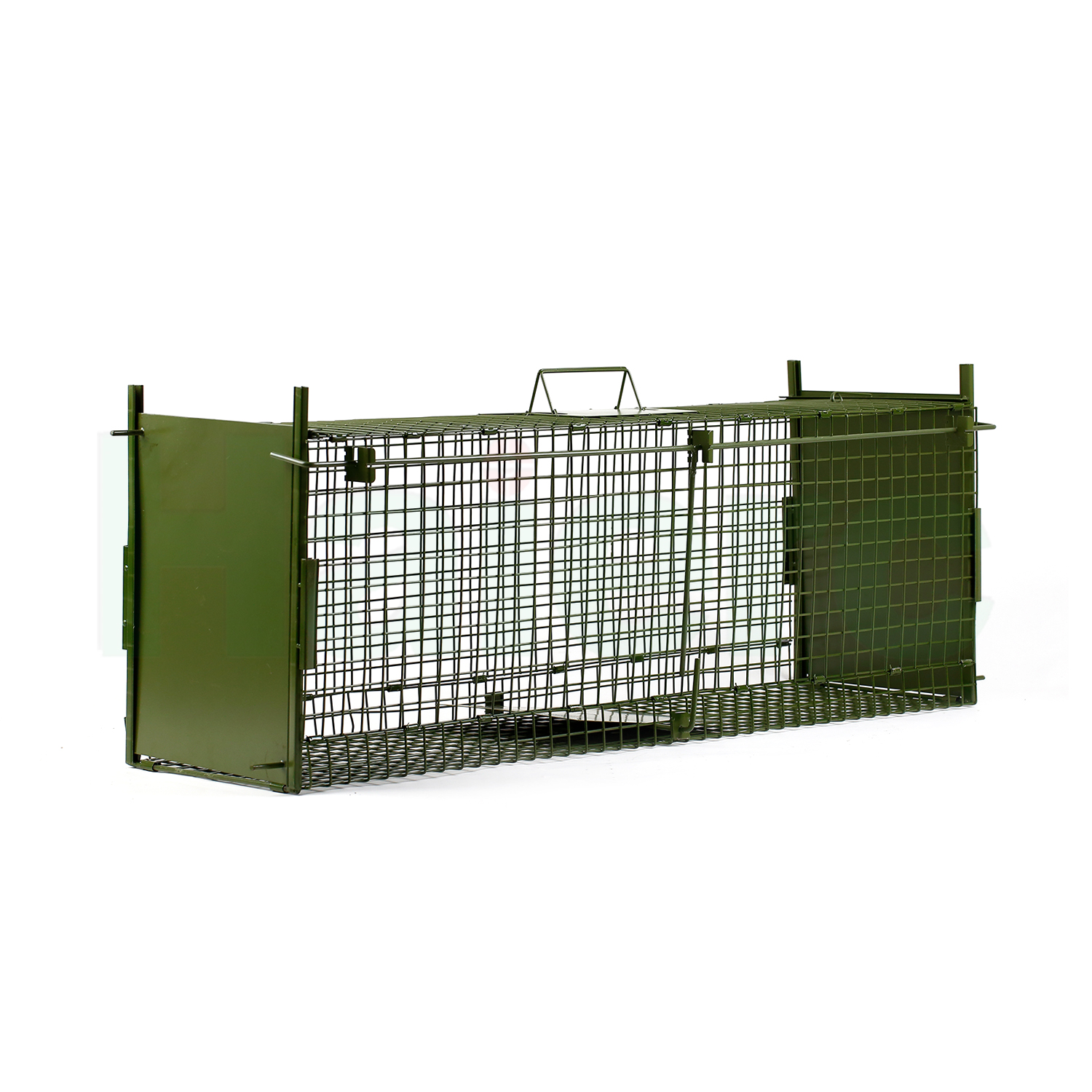
Solving this requires heavy-duty physical capture hardware that satisfies CEPA guidelines and local wildlife protection codes. For larger nuisance mammals like foxes, badgers, or stray cats around perimeter perimeters, using a Double Door Wildlife Animal Trap Cage provides an open visual runway that skittish animals enter far more willingly. The goal is rapid, non-lethal removal with zero chemical residues near stored inventory. Over our 18 years producing hardware in Tianjin for professional pest operators across Germany, the UK, and France, we've seen how improper trap mechanics waste weeks of technician labor.
Let's look at why these intrusions happen, how to prep your perimeter, and the exact steps to clear target animals swiftly.
[ Perimeter Entry / Vegetation ]
│
▼
[ Visual Runway Trap Line ]
(Double Door Wildlife Animal Trap Cage)
│
┌────────────┴────────────┐
▼ ▼
[Live Secure Capture] [Safe Release / Transfer]
│ │
└────────────┬────────────┘
▼
[Facility Integrity Maintained (BRCGS/IFS)]
Root Causes of Vertebrate Invasions in Commercial Hubs
Logistics hubs are magnets for wildlife. Large high-bay doors stay open during third-shift cross-docking operations, creating unmonitored pathways right past external barriers. Surrounding drainage swales, retention ponds, and suburban tree lines provide natural cover. Animals follow thermal drafts into heated floor areas during autumn and winter transitions.
Feed mills, pet food distribution centers, and dry food warehouses generate massive scent plumes. Even when secondary packaging remains intact, animals detect trace aromas from hundred-meter distances. Rodents establish initial nests beneath pallet racking; predatory species like stone martens (Martes foina) and foxes follow closely behind hunting those rodents. Once a marten enters ceiling voids or cabling trays, it tears into expensive data lines and insulation, causing electrical fires and costly downtime.
Recent data highlighted by PCT Online indicates non-chemical physical exclusion demands rose sharply heading into 2026. Why? Retailers refuse goods from facilities using broadcast toxins near consumable products. CEPA standards demand physical control methods first whenever vertebrate pests breach secondary building envelopes. If birds join the intrusion mix, technicians often deploy a Catching Bird Net overhead while anchoring ground traps below. Relying purely on an Ultrasonic Mice Repellent at high-traffic dock doors won't deter a hungry marten or feral raccoon determined to feed. You need structured, mechanical containment.
Step-by-Step Guide: Deploying Humane Live Capture Traps
Capturing trap-shy animals in high-traffic logistics environments takes patience and correct mechanics. Follow this operational sequence to maximize catch rates while protecting animal welfare.
+-------------------------------------------------------------------------+
| FIVE-STEP HUMANE CAPTURE SEQUENCE |
+-------------------------------------------------------------------------+
| [1. Site Survey] --> Map runs, scat, hair, entry gaps |
| [2. Pre-Baiting] --> Lock doors OPEN for 48h; build animal trust |
| [3. Live Setting] --> Arm sensitive pedal; disguise floor grid |
| [4. Active Check] --> Inspect every 8-12h (mandatory EU welfare) |
| [5. Transport] --> Cover cage with breathable canvas; relocate |
+-------------------------------------------------------------------------+
Step 1: Pre-Baiting Without Triggering
Never set a live trap to trigger on the very first night. Wild mammals inspect new metal objects with immense suspicion. Place the Pro Stronger Wildlife Animal Trap Cage directly against known travel runs, usually wall bases or between pallet rows.
Wire the trap doors firmly in the open position with cable ties. Place small amounts of bait—such as canned fish for carnivores or sweet maize paste for omnivores—leading up to and inside the cage. Let the target animal enter, eat, and leave safely for 48 hours. Once the food disappears consistently, the animal's natural wariness is gone.
TRAP ENTRY (DOOR TIED OPEN) TRIGGER PAN REAR BAIT
[ ===== OPEN DOOR ===== ] ───> [ • Scattered Bait ] ───> [ ★ Core Bait ]
Step 2: Optimal Trap Configuration and Camouflage
Cut a strip of untreated cardboard, plywood, or burlap to cover the wire mesh floor. Wildlife dislikes the feel of cold steel mesh under their footpads. Covering the floor grid also keeps the trigger pedal from snagging on litter or pallet debris.
When dealing with suspicious species in narrow aisles, set a Double Door Wildlife Animal Trap Cage. Opening both ends creates a clear line of sight, tricking the animal into thinking it is passing through an open tunnel rather than entering an enclosed box.
Step 3: Trigger Mechanism Calibration
Adjust the trigger sensitivity based on target weight. For lighter pests like juvenile martens, set the trigger rod on the absolute edge of the strike plate notch. Ensure the trip plate sits 2 to 3 centimeters above the floorboard.
For heavier animals like adult raccoons or badgers, deploy the Pro Stronger Wildlife Animal Trap Cage, which uses reinforced 2.5 mm to 3.0 mm steel wire. Test the spring-loaded slam doors manually before leaving the site. The release arm must slide freely without rubbing against bent wire struts.
Step 4: Monitoring Schedules and Welfare Protocols
Under BPCA and European welfare frameworks, live traps must be checked at least every 12 hours. Best practice for commercial interiors is checking every 8 hours. Captured animals suffer rapid dehydration, stress, and self-inflicted injuries if left exposed on warehouse floors under bright high-bay lighting.
If remote digital cameras are available, mount a cellular camera focused on the trap line to receive instant trip notifications.
┌────────────────────────┐
│ Remote Cellular Camera │
└───────────┬────────────┘
│ (Real-Time Alert)
▼
┌────────────────────────┐
│ Triggered Live Trap │
└────────────────────────┘
Step 5: Safe Transfer and Extraction
Approach the captured animal smoothly without sudden movements. Immediately drape a dark, breathable canvas sheet over the cage. Darkness calms the animal instantly, dropping heart rates and preventing frantic cage biting.
Transport the animal inside the covered cage to an approved outdoor release area or transfer crate, following local regional environmental authority guidelines. Wear heavy bite-proof Kevlar handling gauntlets throughout the entire process.
Selecting the Right Equipment: Cage Engineering & Material Specifications
Not all wire cages handle industrial demands. Cheap domestic cages made from thin spot-welded mesh buckle when a 10 kg badger thrashes against the door.
Look for heavy-gauge hot-dipped galvanized steel or powder-coated finishes that withstand chemical washdowns and acidic waste areas. Mesh openings must not exceed 25 mm x 25 mm to stop captured animals from reaching through the wire to snag wiring or pull outside debris into the mechanism.
While our factory manufactures wide selections of interior pest tools—from a specialized Plastic Mouse Tunnel for cleanroom runs to bird exclusion gear—heavy vertebrate intrusions demand structural rigidity above all else. When auditing your facility's physical defenses, compare the engineering benchmarks below.
| Engineering Specification | Haierc / FliesTrap Standard | Industry Average Baseline |
|---|---|---|
| Wire Diameter & Structural Grid | 2.5 mm – 3.0 mm high-tensile galvanized wire | 1.5 mm – 1.8 mm untreated mild steel |
| Door Locking Mechanism | Dual spring-loaded slam lock with anti-escape tabs | Single gravity drop bar (easily lifted from inside) |
| Corrosion Protection | Hot-dipped galvanization after welding (ISO 1461) | Basic electro-galvanized pre-welded wire |
| Trigger Plate Sensitivity | Precision rod with adjustable balanced counterweight | Stiff single-hook friction catch |
| Internal Safety Edges | Deburred internal welds to prevent animal laceration | Rough cut wire ends exposed inside cage interior |
For pest control companies managing diverse facilities, having reliable hardware ready makes all the difference. Beyond cages, multi-story logistics hubs often rely on partners working with an anti bird cage wholesaler or sourcing structural netting to tackle complex, combined pest invasions across floor and ceiling spaces.
Mistakes to Avoid & Regulatory Compliance Pitfalls
Pest management technicians often fail simply due to sloppy placement and poor understanding of animal behavior. Avoid these operational mistakes:
- Setting traps in open, high-foot-traffic centers. Wild animals navigate perimeter edges. Traps sitting out in open staging areas will be ignored.
- Leaving human scent on the trigger mechanism. Always handle traps with clean, mud-rubbed or scent-neutral work gloves.
- Neglecting secondary interior tools. Don't assume one cage fixes your whole site. If smaller rodents are active alongside larger wildlife, run protected exterior perimeter stations or interior glue boards (often sourced through a specialized placa de pegamento distribuidor or bulk bait station wholesale partner) to catch concurrent pest issues.
- Failing to secure bait. If you place loose meat or fruit behind the pedal, smart raccoons will reach through the mesh from the outside or nudge the cage until the bait rolls away. Fasten bait inside a central mesh pod or directly onto the trigger plate.
- Violating local wildlife legislation. In many EU jurisdictions, releasing certain invasive alien species (such as grey squirrels or raccoon dogs) back into the wild is illegal. Know your local conservation status requirements before trapping.
Our global clients—including a Bird deterrent system buyer Canada portfolio team and several rodent control supplies importer Canada partners—consistently emphasize that hardware durability and strict compliance adherence determine long-term project success.
Frequently Asked Questions
Q: Why should I choose a Double Door Wildlife Animal Trap Cage over a single-door model?
A: Double door traps provide a clear visual path straight through the cage. Skittish wildlife enter far more easily because they don't perceive a closed dead end. When the central pedal is stepped on, both spring-loaded doors snap shut simultaneously, guaranteeing secure capture.
Q: What bait works best for catching nuisance stone martens inside warehouses?
A: Fresh raw eggs, canned sardines in oil, or commercial fruit-scented pastes work exceptionally well. Martens rely heavily on scent. Pre-bait the area for two consecutive nights with the cage doors tied open to build trust before setting the live trigger.
Q: Can larger mammals bend or break out of the Pro Stronger Wildlife Animal Trap Cage?
A: No. The Pro Stronger trap uses 2.5 mm to 3.0 mm heavy-duty galvanized steel mesh reinforced with solid steel bracing rings and positive-locking slam doors. It's built specifically to withstand the chewing and clawing forces of powerful animals like foxes, badgers, and adult raccoons.
Q: How often must live wildlife traps be inspected under commercial pest standards?
A: Traps must be physically inspected at least once every 12 hours under European animal welfare guidelines, though an 8-hour cycle or live camera monitoring is recommended. Frequent checks minimize animal distress, prevent cage injuries, and maintain compliance with BRCGS and IFS audit standards.
Q: What is the best way to clean and decontaminate a trap cage after a successful catch?
A: Pressure wash the cage using a non-residual, enzymatic disinfectant to strip away blood, feces, and alarm pheromones. Avoid harsh chemical cleaners with lingering artificial odors that might repel the next target animal. Let the cage dry completely before redeployment.
Conclusion & Professional Sourcing
Humane wildlife management in commercial facilities isn't guesswork. It requires understanding animal runways, pre-baiting methodically, and deploying heavy-duty mechanical hardware built for industrial punishment. By implementing proper capture protocols and using reinforced cage designs, facility managers maintain spotless safety records while respecting strict regional animal welfare standards.
Whether you're an established PCO enterprise updating your equipment fleet or a facility safety director resolving an urgent warehouse intrusion, FliesTrap delivers field-tested physical pest management solutions. From precision-engineered live mammal cages to specialty Glass Windows Bird Proof Sticker supplies and broad-spectrum Mosquito Repellent monitoring tools, our factory supports commercial operators across international markets.
Explore complete product blueprints, request comprehensive technical spec sheets, or evaluate evaluation samples for your commercial inventory by visiting https://www.fliestrap.com or reaching our technical engineering team at sales@fliestrap.com.
- Share this:

-



Category
Trending Now