




 Bird & Pigeon Pest Control
 MOUSE & RAT Pest Control
 Fly Pest Control
 Cockroach Pest Control
 Mosquito Pest Control
 Mole Pest Control
 Wasp Pest Control
 Moth Pest Control
 Bed Bug & Flea Pest Control
 Ant & Termites Pest Control
 Spider Pest Control
 Other Insect Pest Control
 Snake Pest Control
 Snail & Slug Pest Control
 Wildlife Pest Control
 Garden Products
 Virus Control
 Smart AI Trap
 Insecticides


Industry News
How to Eliminate Mosquitoes and Wasps in Commercial Facilities | FliesTrap
 By
2026-09-27
read
By
2026-09-27
read

.jpg)
Introduction — Scenario Pain Point
Mosquitoes and aggressive wasps create immediate operational risks for commercial operations. A single yellow jacket swarm near a receiving dock can halt an entire loading shift. Meanwhile, blood-feeding mosquitoes in warehousing zones violate basic worker health mandates and trigger customer complaints. Historically, some overseas operations turned to hazardous organophosphate applications or looked for a chemical fornecedor de controle de mosquitos de clorpirifos. That approach doesn't work anymore. Regulatory restrictions, such as the EPA bans on chlorpyrifos in food-adjacent environments and stringent FDA FSMA 2026 mandates, require non-toxic physical barriers instead.
We see this daily. Facilities need reliable physical control equipment that works round the clock without leaving chemical residues on packing lines. Whether you run a distribution center in the humid Southeast or manage outdoor dining zones in California, relying on chemical fogging alone is an expensive mistake. You need a dedicated mosquito killer lamp supplier and physical monitoring partner who understands commercial exclusion. The goal is simple: capture insects before they reach sensitive zones, monitor population spikes, and maintain auditable compliance logs.
Here is the exact step-by-step physical control framework we recommend to field technicians and facility managers dealing with stubborn flying insect pressure.
Root Cause: When and Why Flying Insect Pressure Spikes
Flying insects do not enter your facility by accident. They follow distinct environmental triggers: warm air currents, elevated CO2 levels, standing moisture, and exterior lighting spectrums. In the United States, mosquito pressure intensifies from late spring through October, particularly when relative humidity exceeds 60% and nighttime temperatures stay above 50°F. Standing water in clogged roof gutters, retention ponds, or forklift wash bays serves as the primary breeding reservoir. A neglected 5-gallon bucket behind a dumpster can produce thousands of culicine mosquitoes every single week. That's a massive infestation waiting to happen.
Wasps and yellow jackets follow a different seasonal pattern. Queens emerge in early spring, building paper nests inside dock door hollows, outdoor conduit runs, and pallet racking overhangs. By late summer, their dietary needs shift from protein to carbohydrates. This makes open dumpsters, trash compactors, and beverage packaging zones prime targets for aggressive foraging.
+-------------------------------------------------------------------------+
| COMMERCIAL FLYING INSECT INGRESS MATRIX |
+-------------------------------------------------------------------------+
| Attraction Zone | Insect Target | Primary Driver |
+----------------------+----------------+---------------------------------+
| Dock Doors & Bays | Mosquitoes | Air exchange, humid microclimates|
| Dumpsters/Compactors | Wasps/Flies | Sugar/protein organic waste |
| Perimeter Wall Packs | Mixed Night-fly| Unshielded mercury/LED lights |
| Interior Staging | Mosquitoes | Pallet condensation, darkness |
+----------------------+----------------+---------------------------------+
Recent data from NPMA (PestWorld) shows that perimeter flying insect intrusions account for over 32% of all commercial pest audit non-conformances in food-adjacent logistics facilities. Furthermore, CEPA and BPCA standards have tightened lighting and trap zoning protocols, forcing operators to document clear spatial boundaries between exterior grounds and interior cleanrooms. If exterior vectors are ignored, interior fly traps become overwhelmed within days.
Let's look at how to systematically secure the perimeter, transition zones, and interior production areas.
Step-by-Step Guide: Deploying Physical Mosquito and Wasp Trapping Systems
Step 1: Exterior Perimeter Assessment and Source Reduction
Start by inspecting the property line up to 100 feet out from your building envelope. Eliminate standing water reservoirs in retention basins, discarded tires, and drainage ditches. For outdoor break rooms, grounds crews, and perimeter monitoring teams, deploying wearable personal protection like a PU Mosquito Bracelet gives workers immediate defense during early-morning field inspections.
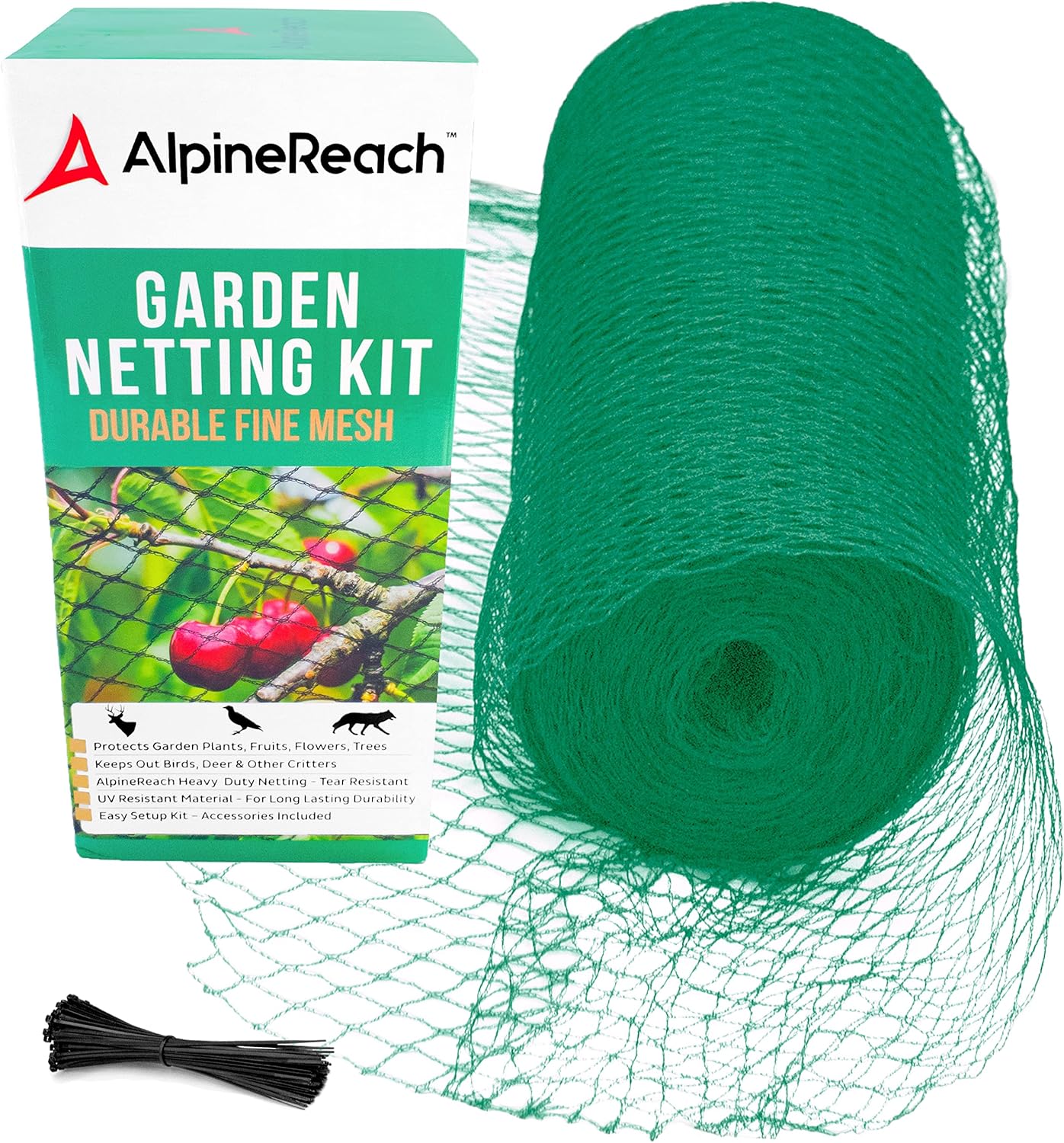
Next, inspect structural eaves and utility penetrations. While wasps prefer nesting in sheltered overhangs, birds often roost nearby, leaving droppings that attract secondary flies. Technicians often source from an anti bird spikes supplier or work with an experienced red anti-aves distribuidor to install Bird Repellent Spikes along perimeter beams, while deploying Bird Repellent Balloons around open waste yards to keep both avian and insect scavengers away. Keep structural entry points sealed with silicone-based sealants.
Perimeter Exclusion -> Transition Interception -> Critical Interior Capture
[Mechanical Spikes] [UV Strobe/Bait Bags] [Glueboard Trappers]
Step 2: Establish the Outer Trapping Buffer (30 to 50 Feet from Entrances)
Never place attractant traps right next to an entrance door. Doing that simply lures flying pests straight to your entry points. Instead, place outdoor wasp decoy traps and water-activated bag traps 30 to 50 feet away from exterior personnel doors and dock bays.
Position heavy-duty lure traps along the prevailing downwind property border. This intercepts wasps foraging from neighboring fields before they pick up food odors from your loading bays. For open grounds and large loading yards, selecting units with the right Protect Area Dia For Choice ensures your barrier traps cover the full linear perimeter without leaving unmonitored blind spots.
[Prevailing Wind Direction] ===>
( Trapping Buffer: 30-50 ft out ) -----> [Dock Doors / Bays]
- Water-activated lure bags - Air curtains active
- Pheromone interceptors - Dark threshold design
Step 3: Fortify Loading Docks and Transition Foyers
Dock bays represent your highest-risk transition point. Air curtains must be installed to blow air down and outward at an angle of 15 to 20 degrees, maintaining a minimum velocity of 1,600 feet per minute at floor level.
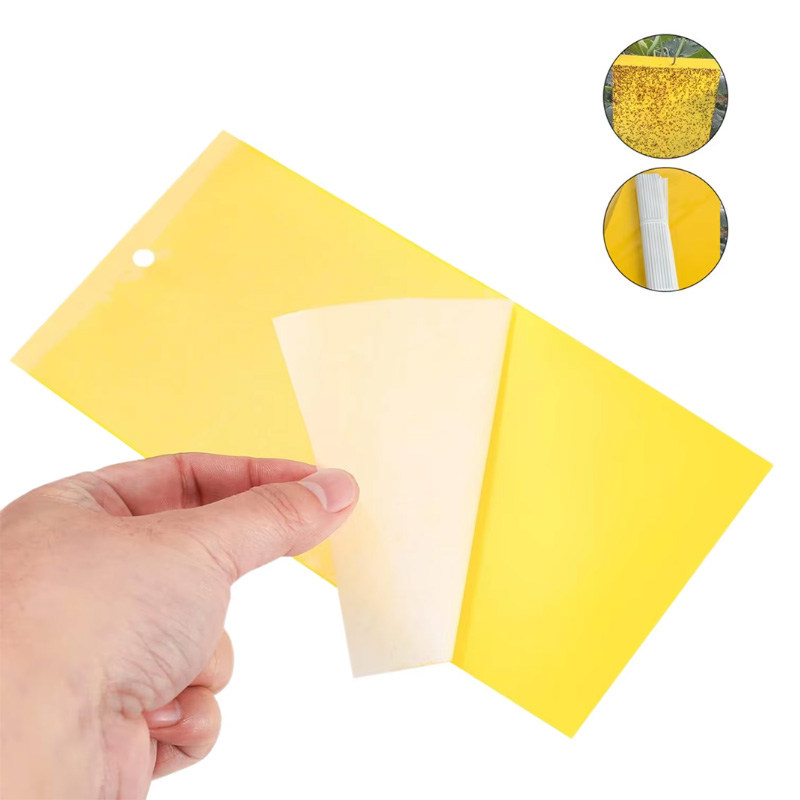
Just inside the dock vestibule, install wall-mounted UV sticky traps. Position the units 3 to 5 feet above the finished floor level, which matches the natural flight path of low-flying mosquitoes. Do not use high-voltage zappers here. Insect fragments can explode outward up to 7 feet, contaminating open cargo and violating basic HACCP sanitation guidelines. Always use glue-board-based units.
Step 4: Interior Monitoring and Cleanroom Placement
Inside processing, packaging, and high-cleanliness storage zones, install silent glue board monitoring stations. Avoid positioning traps directly above open product lines, conveyor tables, or clean pallet staging zones.
Instead, mount units perpendicular to dock entrances and near internal light breaks. Check glue boards every 14 days during peak summer months. Record every insect count by species in your IPM log to identify emerging breaches before an auditor spots them.
| Specification / Feature | FliesTrap (FliesTrap Standard) | Industry Average |
|---|---|---|
| UV Lamp Technology | 365nm high-efficiency shatterproof BL tubes / LED array | Standard non-shatterproof 350nm fluorescent |
| Housing Material | UV-stabilized Polycarbonate & 304 Stainless Steel | Recycled ABS plastic or untreated sheet metal |
| Effective Coverage Range | Protect Area Dia For Choice: 80m² to 200m² options | Fixed 40m² to 50m² limited coverage |
| Regulatory Compliance | CE, RoHS, REACH, EPA registered facility | Basic CE marking only; inconsistent RoHS |
| Glue Board Retention | Non-drying hot-melt adhesive (lasts up to 90 days) | Solvent glue boards (dry out within 30 days) |
| Mounting Flexibility | Wall sconce, ceiling suspended, or free-standing | Single-orientation wall mount only |
With these steps implemented, selecting the right hardware configuration ensures your facility stays fully protected.
Product Options That Fit the Job
Every commercial zone demands specific physical hardware tailored to its distinct hygiene requirements and airflow profiles. Using the wrong trap design in a sensitive food production bay will cause audit failures.
+------------------------------------------------------------------------+
| FACILITY ZONE EQUIPMENT SELECTION |
+------------------------------------------------------------------------+
| Zone Type | Primary Risk | Recommended Hardware |
+------------------------+--------------------+--------------------------+
| High-Care Food Prep | Product Spoilage | 304 SS Glue Board UV Traps|
| Loading Bays & Docks | Bulk Ingress | Wide-Spectrum Interceptors|
| Perimeter Waste Areas | Wasps & Blowflies | Outdoor Pheromone Bags |
| Pallet Storage Warehouses| Mosquito Harborage | High-Coverage UV Stations|
+------------------------------------------------------------------------+
1. Commercial UV Glue Board Units
For interior packaging lines and warehouse break areas, silent UV glue board systems are the industry standard. FliesTrap manufactures industrial units using shatterproof FEP-coated tubes encased in corrosion-resistant 304 stainless steel or UV-stabilized polycarbonate. These traps capture mosquitoes, fruit flies, and gnats without noise or insect fragmentation. Partnering with a proven mosquito killer lamp supplier ensures your facility gets units with stable 365nm UV wavelength outputs that maintain peak insect attraction for up to 9,000 continuous hours.
2. Outdoor Pheromone and Bait Interceptors
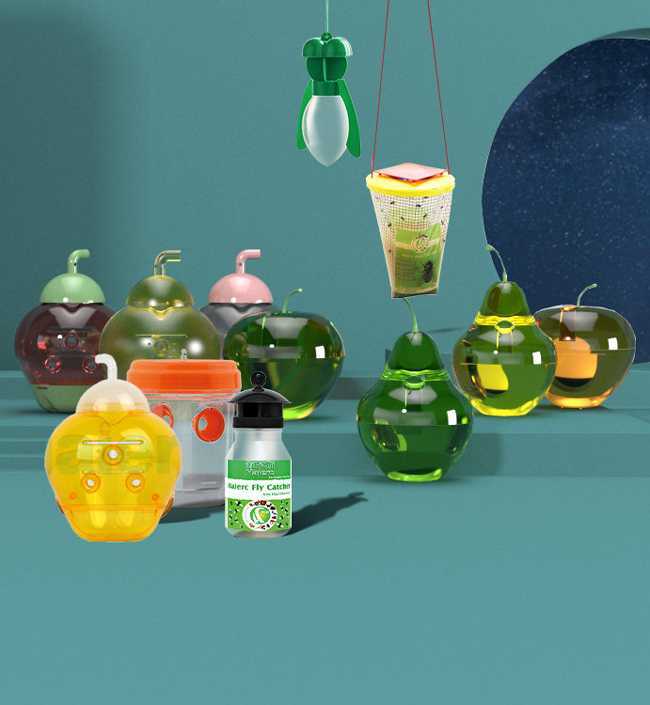
For exterior waste pads, compactor yards, and dock aprons, heavy-duty reusable or disposable outdoor wasp traps intercept social wasps and blowflies before they enter the building envelope. These traps utilize non-toxic, food-grade attractants that mix with water to create an irresistible olfactory trail. They remain active for up to 30 days in direct sunlight without releasing synthetic chemicals into the local ecosystem.
3. Comprehensive IPM Hardware Integration
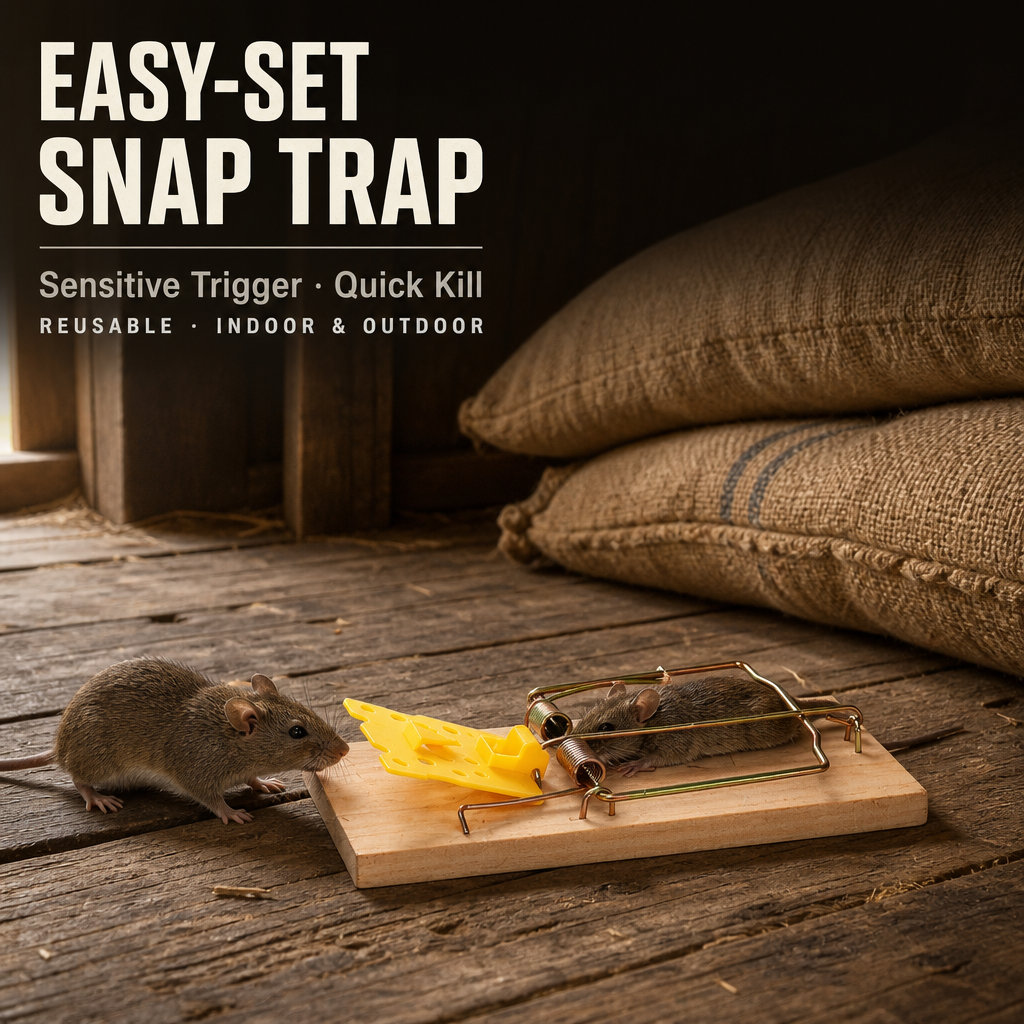
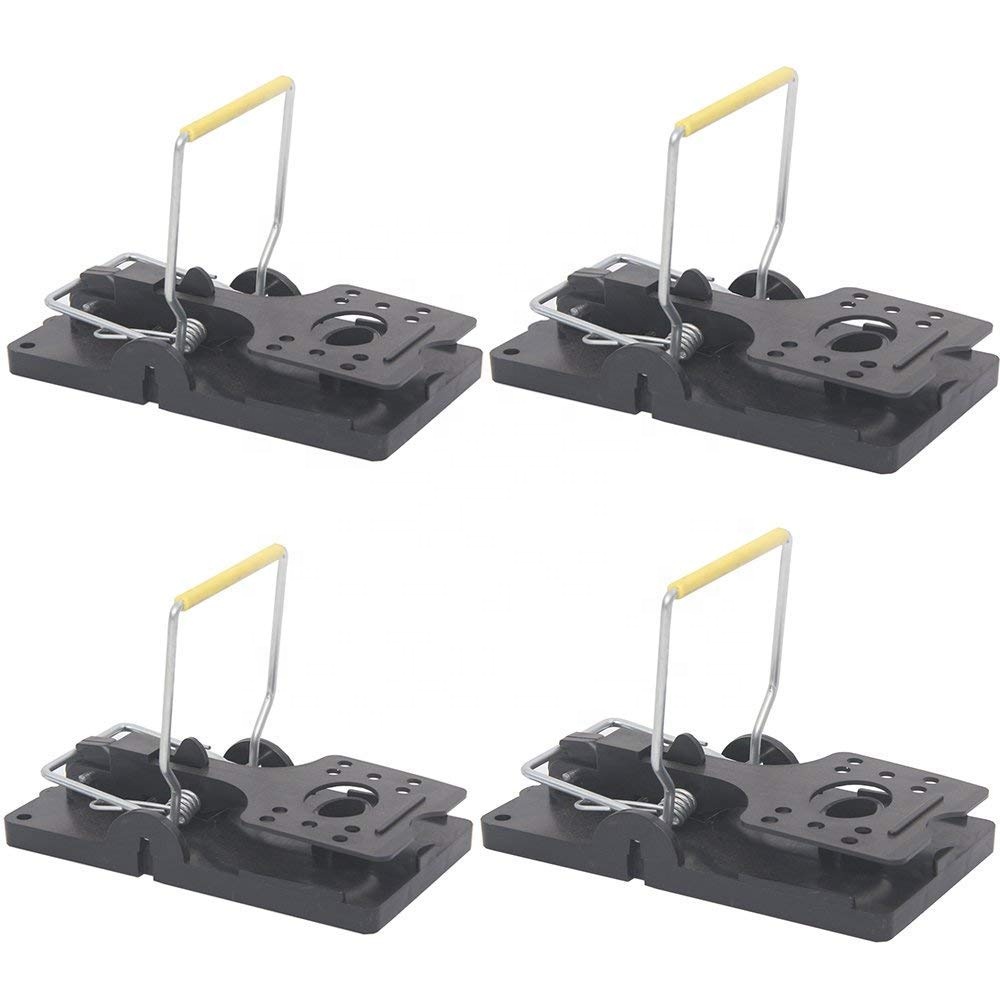
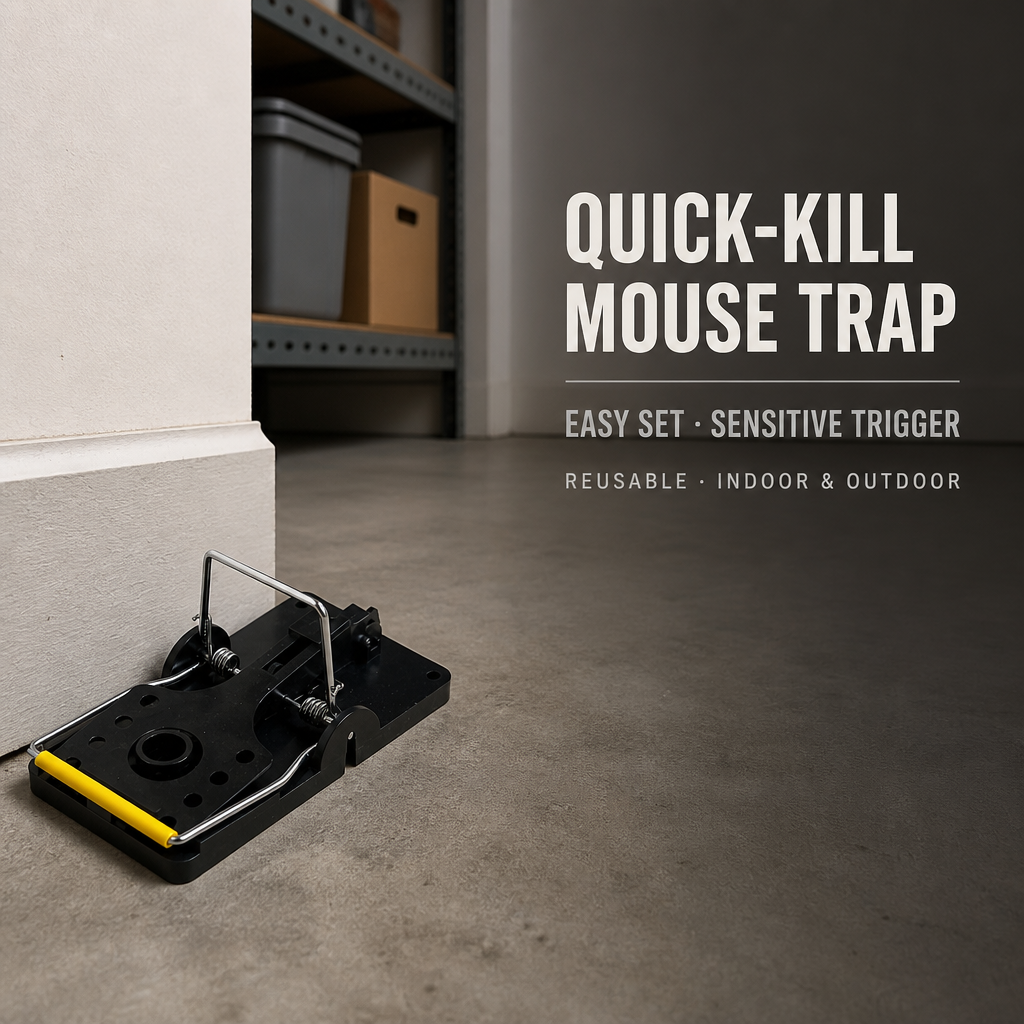
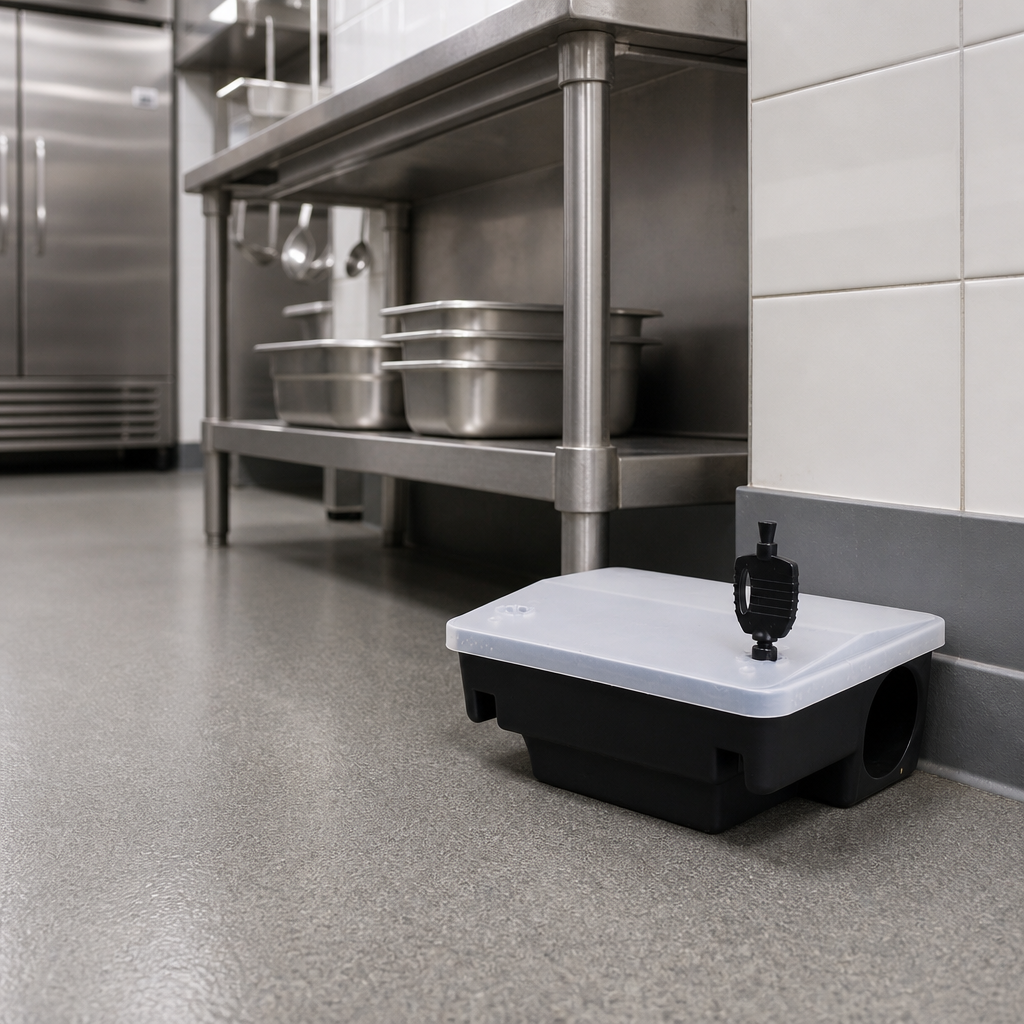
Complete pest exclusion requires a multi-layered approach. When securing perimeters, technicians frequently coordinate flying insect hardware alongside ground rodent stations and bird barriers. Combining high-impact Plastic Mouse Trap units inside a tamper-resistant Bait Station, integrating TINCAT TRAP WALL PARTS along staging runs, or deploying Mice Glue Trap sheets inside dry storage ensures comprehensive protection. Where avian nesting creates secondary mite and fly infestations, pairing Bird Net structural mesh with high-output mosquito repellent killer lamp stations creates a unified barrier against all common structural pests.
With your equipment selected, avoid common maintenance and operational mistakes that undermine trap efficiency.
Common Mistakes to Avoid and Pro Tips
- Mistake 1: Placing UV traps directly opposite exterior windows. Sunlight emits powerful natural UV radiation that easily overpowers interior trap lamps. Flying insects will ignore the trap and head toward the window. Always place traps so they are not visible from exterior glass doors or skylights.
- Mistake 2: Neglecting the lamp replacement schedule. UV lamps may continue emitting visible blue light for two to three years. However, their active insect-attracting 365nm UV-A output drops by nearly 50% after 12 months of continuous operation. Replace lamps every spring before peak emergence.
- Mistake 3: Relying on illegal or restricted chemical sprays. Sourcing unapproved formulations or searching for a legacy fornecedor de controle de mosquitos de clorpirifos for indoor food facilities invites heavy regulatory fines under FSMA and EPA guidelines. Stick to audited physical trapping methods.
- Mistake 4: Mounting traps too high above the floor. Mosquitoes fly low, often within 2 to 5 feet of the ground. Mounting an insect trap 12 feet up near the ceiling rafters leaves your lower work zones completely unprotected. Keep traps at a working height of 3 to 6 feet.
- Mistake 5: Using open zappers near food zones. High-voltage electric grid traps create microscopic insect particulate clouds. These scatter over clean packaging lines, leading directly to third-party audit failures under BRCGS and IFS standards. Always specify glue board units in food zones.
[ INCORRECT PLACEMENT ] [ CORRECT PLACEMENT ]
Window (Direct Sunlight) Blind Interior Wall (Indirect Light)
| |
[ UV Trap ] <-- Ignored by pests [ UV Trap ] <-- High Catch Rate
| |
Mounted 12 ft high (Too High) Mounted 4-5 ft high (Target Zone)
Pro tip: Use an adhesive date sticker on the bottom edge of every replacement glue board during your service rounds. When an auditor from AIB or SQF walks your floor, visible service dates demonstrate proactive, structured IPM compliance.
Here are the most common questions facility operators and pest technicians ask when configuring their commercial insect defense systems.
Frequently Asked Questions
Q: How often should UV fly trap glue boards and lamps be replaced in a commercial facility?
A: Glue boards should be inspected every 14 days and replaced at least once a month during peak warm seasons, or sooner if insect catch covers over 70% of the adhesive surface. UV lamps must be replaced every 12 months (typically in early spring), because the 365nm UV-A light degrades significantly even though the tube still glows visibly blue.
Q: Why are high-voltage insect zappers prohibited in commercial food processing areas?
A: High-voltage zappers cause electrocuted insect bodies to explode, scattering microscopic insect fragments, bacteria, and debris up to 7 feet away from the unit. Under FDA FSMA, BRCGS, and HACCP standards, this creates severe cross-contamination risks for exposed food and clean packaging. Silent glue board traps from FliesTrap must be used instead to safely contain intact specimens.
Q: Where is the best location to install outdoor wasp and yellow jacket traps?
A: Outdoor wasp traps should be positioned 30 to 50 feet away from building entrances, outdoor dining zones, and loading docks. Mount them 4 to 6 feet off the ground along the perimeter or near waste compactor zones, directly in the downwind path of natural air currents to intercept foraging insects before they reach your doors.
Q: How do physical mosquito traps comply with FDA FSMA 2026 requirements?
A: FDA FSMA mandates non-toxic, preventive controls that eliminate chemical contamination risks around food contact surfaces. Physical insect monitoring traps and UV glue board units from FliesTrap capture and log pests without the use of restricted pesticides, providing auditable count data required for third-party food safety verification.
Q: Can personal mosquito repellents be used alongside facility-wide physical traps?
A: Yes. For outdoor maintenance teams, groundskeepers, and dock workers operating during peak mosquito activity hours, wearable non-toxic options like a PU Mosquito Bracelet offer supplemental localized protection. These personal items work well alongside commercial perimeter UV glue board interceptors without interfering with trap lure effectiveness.
Conclusion & Soft CTA
Controlling mosquitoes and aggressive wasps across commercial facilities requires a disciplined, multi-layered physical barrier strategy. By eliminating exterior standing water, positioning interception traps 30 to 50 feet away from loading bays, and installing high-output shatterproof UV glue board units inside transition corridors, facility managers maintain pristine hygiene standards while easily passing rigorous FSMA and BRCGS food safety audits. Physical exclusion and reliable mechanical capture protect your brand, your workforce, and your bottom line without chemical risks.
FliesTrap by Haierc brings over 18 years of specialized factory manufacturing experience to professional pest control operators and commercial procurement managers worldwide. All our physical pest monitoring stations, commercial fly light traps, and exclusion accessories are manufactured under ISO9001, CE, RoHS, and EPA registered standards with a low 500-unit MOQ and fast 15-to-25-day fulfillment.
Need technical specification sheets, customized OEM housing branding, or test samples for your facility trials? Visit https://www.fliestrap.com or reach out to our engineering team at sales@fliestrap.com to request your product catalog today.
- Share this:

-



Category
Trending Now