




 Bird & Pigeon Pest Control
 MOUSE & RAT Pest Control
 Fly Pest Control
 Cockroach Pest Control
 Mosquito Pest Control
 Mole Pest Control
 Wasp Pest Control
 Moth Pest Control
 Bed Bug & Flea Pest Control
 Ant & Termites Pest Control
 Spider Pest Control
 Other Insect Pest Control
 Snake Pest Control
 Snail & Slug Pest Control
 Wildlife Pest Control
 Garden Products
 Virus Control
 Smart AI Trap
 Insecticides


.jpg)
Introduction — Scenario Pain Point
Birds don't belong inside food distribution centers. They bring noise, aggressive nesting behaviors, and toxic droppings that carry dangerous pathogens like Salmonella and Cryptococcus. A single flock of feral pigeons roosting in structural rafters can ruin entire pallets of export-ready grains or packaged goods overnight. That means failed hygiene audits, ruined inventory, and immediate regulatory headaches under FSANZ standards.
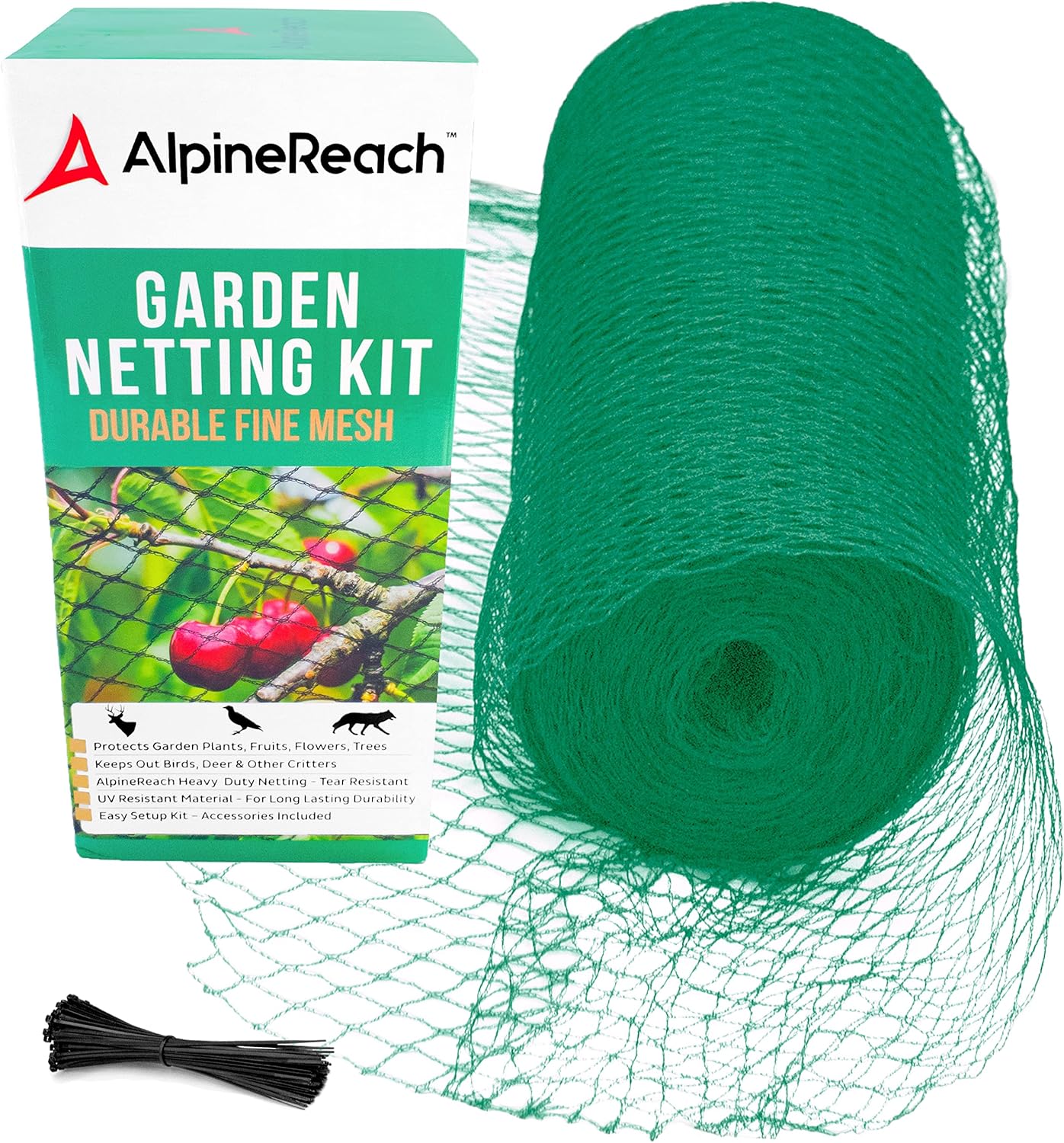
Using Bird Proof Netting creates an impassable, long-lasting barrier that keeps birds out of high-clearance structures without causing physical harm to wildlife. PCO technicians know that shooting or chemical baiting provides only temporary relief. Birds return as soon as the pressure drops.
Installing a heavy-duty Plastic Bird Net across structural steel or open loading docks delivers permanent exclusion. It works reliably when installed correctly. In this comprehensive guide, we'll walk through the exact field installation process we've refined over 18 years of manufacturing and job-site troubleshooting. You'll learn how to plan structural anchor points, run perimeter tension cables, hang the netting, and integrate complementary exclusion devices to achieve an airtight physical envelope for any Australian commercial property.
The Australian Bird Pressure: Root Causes and Regulatory Triggers
Birds look for three things when invading industrial spaces: warmth, elevated shelter, and easy access to high-protein food residue. In Australia, commercial facilities face distinct environmental pressures. During the scorching summer months across Queensland and Western Australia, large warehouse eaves offer cooler microclimates out of direct sunlight. In southern regions like Victoria, winter rains drive silver gulls, Indian mynas, and starlings directly under covered loading awnings and into high-bay racking systems.
Open dock doors make matters worse. Forklifts move in and out constantly, leaving massive gaps that allow swift avian entry. Once inside, birds exploit structural I-beams, purlins, and fire suppression pipes as safe perching sites far out of reach from floor-level deterrents.
+-------------------------------------------------------------------------+
| TYPICAL COMMERCIAL FACILITY BIRD ENTRY |
+-------------------------------------------------------------------------+
| |
| [Open Loading Bay] ---> [Overhead Steel Purlins] |
| | | |
| v v |
| [High-Level Roosting] [Nesting & Fecal Deposition] |
| | | |
| +------------> [Pallet Contamination] |
| | |
| v |
| [BRCGS / HACCP Audit Breach] |
+-------------------------------------------------------------------------+
Regulatory scrutiny is at an all-time high. Facility managers operating under Global Food Safety Initiative (GFSI) benchmarks, such as BRCGS Issue 9 and IFS Food v8, face zero tolerance for bird presence or droppings in processing zones. The 2026 enforcement push toward non-toxic physical barriers means Australian compliance officers heavily penalize pesticide reliance where physical exclusion should have been implemented.
Glass facades and warehouse clerestory windows present a secondary, often overlooked hazard: bird strikes. Disoriented birds strike clear glass pane reflective surfaces, causing mortalities or entering broken ceiling voids. Deploying a UV-reflective Glass Windows Bird Proof Sticker alongside perimeter mesh prevents these costly disruptions before they disrupt daily logistics.
Step-by-Step How to Install Bird Proof Netting
Proper installation requires rigorous attention to tension, anchorage, and seam closure. Loose netting sags under environmental load, snags forklifts, and allows small birds to slip through perimeter gaps. Follow this five-phase installation protocol for optimal field performance.
+-------------------------------------------------------------------------+
| 5-STEP BIRD NET INSTALLATION WORKFLOW |
+-------------------------------------------------------------------------+
| |
| [1. Site Survey] -> [2. Anchor Rigging] -> [3. Cable Tensioning] |
| | | |
| v v |
| [4. Net Deployment] ---> [5. Seam Fastening] |
| |
+-------------------------------------------------------------------------+
1. Site Survey and Mesh Sizing
Accurate measurements make or break your job budget. Inspect the entire ceiling envelope using an articulating boom lift. Measure the total length and width of the treatment zone, adding a minimum of 10% extra material to your total square meters to accommodate sag compensation, turn-ins, and anchor wraps.
Select your mesh aperture based strictly on target species:
19mm (3/4") mesh: Required for small birds including house sparrows, swallows, and silvereyes.
28mm (1-1/8") mesh: Standard for Indian mynas and European starlings.
50mm (2") mesh: Optimized for feral pigeons, cockatoos, and sea gulls.
If multiple species target your facility, always default to the 19mm Plastic Bird Net. It stops smaller nuisance species while handling heavier pigeon loads without structural strain.
2. Installing Perimeter Anchors and Hardware
Never attach the netting directly to structural beams with zip ties. You must construct an independent perimeter cable framework using 304 SS components.
Drill anchor holes into concrete walls or structural columns at 2.0-meter to 3.0-meter intervals.
Insert heavy-duty masonry eye bolts or beam clamps along the perimeter line.
Place heavy corner brackets at every directional change to absorb directional tension.
Position intermediate corner anchors where cable runs exceed 15 meters to prevent perimeter bow-in.
3. Running and Tensioning the Perimeter Cable
Thread a 2.0mm to 3.0mm 7x7 strand 304 stainless steel aircraft cable through all intermediate eyelets. Secure one end to a heavy-duty turnbuckle attached to a corner anchor using copper swage sleeves or wire rope grips.
Open the M6 or M8 stainless turnbuckles fully before tightening the cable.
Pull the cable hand-tight through the system and secure the opposite end.
Tighten the turnbuckle bodies until the perimeter cable produces a crisp, high-pitched twang when plucked.
Maintain a drum-tight cable run with less than 15mm deflection over a 10-meter span.
A taut perimeter prevents sag over time. Sagging netting creates pockets where debris accumulates.
4. Net Deployment and Hog Ring Fastening
Unpack your Bird Proof Netting inside the work area. Locate the factory corner markers. Commercial nets manufactured from UV-stabilized virgin high-density polyethylene (HDPE) feature colored identification tags to indicate correct orientation.
Hoist the net to rafter level using auxiliary pull ropes.
Fasten the four primary corners of the net to the corner anchors using temporary spring clips.
Using an automatic pneumatic or manual hog ring tool, staple the net outer edge to the perimeter cable.
Place a 304 SS hog ring every 50mm to 75mm (every mesh aperture for 50mm net, every second aperture for 19mm net).
Work along the length first, then across the width, smoothing out wrinkles as you progress.
+-------------------------------------------------------------------------+
| CABLE AND HOG RING ANCHOR DETAIL |
+-------------------------------------------------------------------------+
| |
| [Structural I-Beam] |
| | |
| +--> [Beam Clamp / Eye Bolt] |
| | |
| +===[ 304 SS Perimeter Cable ]===+ |
| | | | |
| (o) (o) (o) <- Hog Rings |
| |_________|____________| |
| [ Plastic Bird Netting ] |
| |
+-------------------------------------------------------------------------+
5. Access Hatches, Seaming, and Window Protection
Warehouse rafters carry lighting fixtures, HVAC damper motors, and fire suppression valves that technicians must reach for maintenance. Cutting random holes in your net ruins tension and destroys the exclusion envelope.
Install purpose-built zippered access ports (heavy-duty nylon outdoor marine zippers) around critical valves and junction boxes. Fasten zippers securely to the netting with stainless hog rings, then carefully cut the interior net line to create an easy-access flap.
For perimeter windows, apply a high-contrast Glass Windows Bird Proof Sticker array spaced no wider than 50mm apart across reflective panes. This prevents birds from darting toward glass reflection points near net transitions.
Technical Specifications: FliesTrap Industrial Exclusion Hardware
Our engineering facility manufactures physical pest control components tested against harsh UV conditions found in the Australian outback and coastal zones.
| Specification Parameter | BirdTrap Commercial Standard | Industry Average Standard |
|---|---|---|
| Base Material Polymer | 100% Virgin UV-Stabilized HDPE (Knotted Monofilament) | Recycled/Blended Polypropylene or Nylon |
| UV Stabilizer Package | Clariant Ciba UV Additives (3.5% concentration) | Generic Carbon/UV mix (<1.5% concentration) |
| Breaking Strength Per Strand | 23.5 kg certified breaking force | 12.0 to 15.5 kg breaking force |
| Environmental Temperature Rating | -40°C to +125°C (No melting or brittleness) | -10°C to +75°C (Prone to summer sagging) |
| Water Absorption Rate | 0.00% (Non-absorbent, rot-proof) | 3.50% - 7.00% (Absorbs moisture, rots over time) |
| Compliance Certifications | ISO9001, CE, REACH, RoHS, EPA Registered | Standard ISO or uncertified generic supply |
| Available Mesh Sizes | 19mm, 28mm, 50mm, 75mm custom squares | Standard 50mm only |
| Outdoor Service Lifespan | 10+ Years under harsh AU UV radiation | 2 to 4 Years before UV snapping occurs |
Integrated IPM: Complementary Exclusion Tools
A solid netting installation keeps birds out of high ceilings, but comprehensive pest bird control requires a multi-layered integrated pest management (IPM) approach. Facility perimeters often have architectural ledges, narrow pipes, and drainage troughs where netting isn't practical.
+-------------------------------------------------------------------------+
| INTEGRATED IPM PERIMETER EXCLUSION MATRIX |
+-------------------------------------------------------------------------+
| |
| Structural Rafters & Canopies ---> [Bird Proof Netting] |
| Parapets, Signage & Gutter Ledges -> [Humane Bird Spikes] |
| Window Panes & Glass Facades ---> [Bird Proof Stickers] |
| Loading Docks & Door Corridors ---> [Bird Scare Reflective Rods] |
| Trapped Interior Birds ---> [One Way Door Trap] |
| |
+-------------------------------------------------------------------------+
Narrow Ledges and Gutter Edges
For parapets, security cameras, and narrow signage brackets, install humane bird spikes. Built with a UV-stabilized Polycarbonate base and 304 SS blunt-tipped wire pins, these spikes deny pigeons and gulls a flat resting surface without puncturing or impaling them. Spikes work seamlessly along perimeter boundary fences where birds stage before attempting to enter loading docks.
Clear Glass and Reflective Facades
Exterior office glass, skywalk bridges, and distribution clerestory windows trigger sudden bird collision impacts. Applying a patterned Glass Windows Bird Proof Sticker configuration disrupts mirrored outdoor reflections. Birds perceive the visual grid as a solid wall, steering clear of the structure entirely.
Visual Deterrents for Breezeways
In dynamic loading docks where roller doors remain open for hours, suspend Bird Scare Reflective Rods. These spiral rods rotate continuously with minimal ambient airflow, reflecting localized sunlight at unpredictable angles. The shifting light patterns disorient approaching birds, preventing them from flying past open threshold curtains.
Removing Trapped Birds Safely
What happens if a bird gets trapped behind the net during the installation phase? Never leave birds locked inside ceiling bays. Install a One Way Door Trap in high corners where trapped birds gather. This trap permits birds to push through balanced, low-resistance non-return entry doors toward grain bait, while stopping them from returning back into ceiling voids.
PCO teams managing large sites often carry complementary monitoring equipment on their service trucks. Sourcing gear from a broad-line physical pest control factory means operations managers can consolidate procurement across lines—whether ordering an advanced bird net roll, a heavy-duty Plastic Rat Snap Trap, or reliable warehouse monitoring blocks. If you work with an established bait station importer or pest bird solutions distributor Europe, you already understand the logistical value of unified, ISO9001-certified hardware supply.
Common Field Mistakes and Compliance Pitfalls
Even experienced technicians make installation errors when working at heights under tight operational timelines. Avoid these common mistakes:
+-------------------------------------------------------------------------+
| COMMON NETTING ERRORS VS CORRECT METHOD |
+-------------------------------------------------------------------------+
| |
| [WRONG] Fastening net with plastic zip ties --> Breaks in 12 months |
| [RIGHT] Fastening net with 304 SS hog rings --> Lasts 10+ years |
| |
| [WRONG] Net attached directly to wall eyelets -> Massive center sag |
| [RIGHT] Net attached to a tensioned SS cable --> Uniform flat surface |
| |
| [WRONG] Leaving open corner gaps > 25mm --> Small bird entry |
| [RIGHT] Complete hog ring edge seal every 5cm -> Total bird exclusion |
| |
+-------------------------------------------------------------------------+
Inadequate Cable Tension
The most frequent issue is inadequate perimeter cable tension. If your perimeter cable isn't pulled tight with turnbuckles, the net will sag down under its own weight. Over time, that sag worsens as dust and ambient grease accumulate. A sagging net catches overhead forklift masts or gantry crane hooks, ripping thousands of dollars of work down in seconds. Keep turnbuckles torqued and locked with locknuts.
Substandard Fasteners in Corrosive Environments
Don't use indoor-rated zinc-plated hog rings or standard plastic zip ties outdoors. Australia's coastal salt air and industrial chemical fumes break down low-grade plastic ties within 12 months. When those ties snap, the entire net pulls away from the wall. Always specify 304-grade or 316-grade stainless steel hardware and hog rings for industrial applications.
Overlooking Thermal Expansion and Sprinkler Clearances
Australian steel buildings expand and contract significantly across seasonal 40°C temperature swings. Install your perimeter cable lines with enough structural clearance to prevent structural shearing.
Always check local building codes regarding automatic fire sprinkler clearances. In food and general storage warehouses, NFPA 13 and Australian Standard AS 2118 require unhindered water discharge patterns. If netting is installed below sprinkler heads, you must use 50mm mesh or obtain engineering approval verifying that water flow penetrates the mesh without deflection.
Frequently Asked Questions
Q: What mesh size should I choose for mixed sparrow and pigeon infestations?
A: Always select 19mm Plastic Bird Net for mixed bird infestations. While 50mm mesh successfully blocks feral pigeons and gulls, house sparrows and starlings can easily slip through larger openings. The 19mm HDPE net manufactured by FliesTrap stops all standard avian pest species in Australia while maintaining air circulation and light transmission.
Q: Will UV radiation degrade HDPE bird netting in the Australian climate?
A: Low-grade commercial netting degrades quickly under intense sun, but FliesTrap Bird Proof Netting is formulated with 3.5% UV stabilizer additives. It withstands prolonged high-UV exposure across Australia without strand brittleness, maintaining its certified 23.5 kg breaking strength for over a decade in outdoor conditions.
Q: How do we service lighting and fire valves installed above the netting?
A: Install marine-grade zipper access ports directly into the netting beneath each service zone. FliesTrap provides heavy-duty stainless hog rings and commercial zippers that attach securely to mesh strands, allowing maintenance crews to unzip an inspection portal without lowering the tensioned netting assembly.
Q: How do I prevent bird collisions on large warehouse windows adjacent to netted bays?
A: Apply a Glass Windows Bird Proof Sticker matrix on exterior glass surfaces spaced no more than 50mm apart. These stickers break up specular sunlight reflections that birds mistake for open flight paths, preventing fatal strikes near netted loading corridors.
Q: What is the lead time and MOQ for custom-sized commercial bird nets?
A: FliesTrap provides custom-dimensioned bird netting panels tailored to warehouse architectural drawings with an MOQ starting from 500 square meters or 500 units for standard packaged hardware. Standard production lead times are 15-25 days, backed by full ISO9001, CE, and RoHS factory quality certifications.
Conclusion
Protecting your facility from bird intrusion doesn't require harsh chemical baiting or endless cleanups. By installing high-tensile Bird Proof Netting over warehouse rafters and loading docks, you create a permanent barrier that satisfies strict BRCGS, IFS, and FSANZ food safety compliance audits. Follow the core installation fundamentals: build an independent stainless steel cable perimeter, tension turnbuckles until taut, fasten virgin HDPE mesh every 50mm, and seal your perimeters with high-grade hardware.
Do you need customized panel sizing, fire-retardant mesh certifications, or technical specifications for an upcoming commercial tender? Contact our engineering team at FliesTrap or reach out via email at sales@fliestrap.com to request material spec sheets, structural hardware guides, and free factory samples.
- Share this:

-



Category
Trending Now