




 Bird & Pigeon Pest Control
 MOUSE & RAT Pest Control
 Fly Pest Control
 Cockroach Pest Control
 Mosquito Pest Control
 Mole Pest Control
 Wasp Pest Control
 Moth Pest Control
 Bed Bug & Flea Pest Control
 Ant & Termites Pest Control
 Spider Pest Control
 Other Insect Pest Control
 Snake Pest Control
 Snail & Slug Pest Control
 Wildlife Pest Control
 Garden Products
 Virus Control
 Smart AI Trap
 Insecticides


Introduction — Scenario Pain Point
Facility floors in Dubai industrial zones routinely hit 45°C during summer unloading cycles. When high heat hits cheap adhesives, standard glue melts, runs down baseboards, and fails to hold even a single German cockroach. PCO technicians across the Middle East face this headache daily. Your audit is next Tuesday, the Dubai Municipality inspector is checking perimeter zones, and your monitoring boards are either completely dried out from desert dust or turned into useless puddle goo.
Physical pest control in the Gulf requires specialized hardware. You can't just toss a generic cardboard monitor under a prep table and expect it to hold up. Setting up a reliable Sticky Insect Trap Lamp along with industrial-grade glue boards solves this issue before an auditor writes a non-conformance report. Physical monitoring isn't just a backup plan anymore. Under modern FSMA 2026 rules and regional HACCP protocols, non-toxic physical barriers are the first line of defense. We've spent 18 years manufacturing pest monitoring systems in our factory, and we know that if your adhesive compound fails the thermal test, your entire IPM data log falls apart.
Let's look at why Gulf facilities present such a brutal challenge for commercial glue monitoring programs and what causes standard setups to fail so quickly.
+-----------------------------------------------------------------------------------+
| FACILITY THERMAL & PEST GRADIENT |
| |
| [EXTERIOR PERIMETER: 45°C - 50°C] |
| Dust Storms / Fly Pressure / Roof Rats |
| Hardware: Heavy-Duty Bait Stations + Bird Deterrents |
| │ |
| ▼ (Dock Doors & Air Curtains) |
| [TRANSITION ZONE: 30°C - 38°C] |
| Staging, Loading Docks, Waste Corridors |
| Hardware: High-Melt-Point Rodent Glue Trap Board + Fly Traps |
| │ |
| ▼ (Airlocks & Double Doors) |
| [CONTROLLED PRODUCTION: 20°C - 24°C] |
| Food Processing, Packaging, Cleanrooms |
| Hardware: Sticky Insect Trap Lamp + Roach Sticky Glue Trap Board |
+-----------------------------------------------------------------------------------+
What Causes Sticky Traps to Fail in Desert Climates?
High ambient heat breaks down standard polybutene adhesives. Most standard sticky boards use hot-melt glue rated only up to 35°C. Inside an Abu Dhabi logistics warehouse or a Sharjah commercial bakery, interior wall perimeters near baking lines or loading bays easily exceed 42°C. At that temperature, low-grade adhesive loses its tackiness, softens excessively, and allows insects to simply pull their legs free.
Fine desert dust makes things worse. The Middle East experiences frequent sandstorms, which carry micron-sized particulate into receiving bays and storage halls. Standard glue surfaces collect a layer of airborne silt within 48 hours. Once dust settles on the board, pests walk right across the surface without contacting the active adhesive layer. PCO technicians often blame trap placement when the actual failure is adhesive saturation from ambient dust.
Pest biology shifts under extreme heat as well. According to technical field reports from BPCA and PestWorld, German cockroaches (Blattella germanica) and American cockroaches (Periplaneta americana) alter their harborage routes when daytime wall cavity temperatures spike. They move deeper into electrical trunking, false ceilings, and motor housings. If your Roach Sticky Glue Trap Board sits flat on the open floor without a protective housing or tunnel design, roaches avoid it entirely while dust coats the glue surface.
Food safety audits have zero tolerance for failed physical monitors. Under BRCGS Issue 9 and updated 2026 FSMA physical monitoring guidelines, missing pest captures or unreadable, melted glue boards count against your facility score. Let's walk through the exact steps to select, place, and maintain these units for zero audit friction.
Step-by-Step Guide: Deploying Sticky Traps in Commercial Facilities
+-----------------------------------------------------------------------------------+
| 5-STEP COMMERCIAL TRAP DEPLOYMENT CYCLE |
| |
| [Step 1: Environmental Mapping] ──► Map thermal zones & dust entry points |
| │ |
| [Step 2: Selection & Temp Check] ──► Match board grade to ambient 45°C+ heat |
| │ |
| [Step 3: Strategic Wall Placement] ──► Install 1.8-2.2m for ILTs, baseboards |
| │ |
| [Step 4: Mechanical Integration] ──► Mount inside TINCAT & bait stations |
| │ |
| [Step 5: 14-Day Service Cycle] ──► Count, log, and swap before dust saturation|
+-----------------------------------------------------------------------------------+
Step 1: Map the Facility's Thermal and Dust Zones
Divide your floor plan into three clear risk tiers:
Zone A (High Heat / High Dust): Loading docks, exterior waste collection bays, compressor rooms.
Zone B (Controlled Ambient): Dry ingredient storage, packaging zones, secondary corridors.
Zone C (High Hygiene / Cool): Processing lines, cold storage airlocks, clean packaging rooms.
Mark airflow vectors from exterior overhead doors. Traps placed directly in the draft of an air curtain will collect dirt instantly and fail. Position traps 1.5 to 2 meters away from high-velocity drafts.
Step 2: Select High-Melt-Point Adhesives
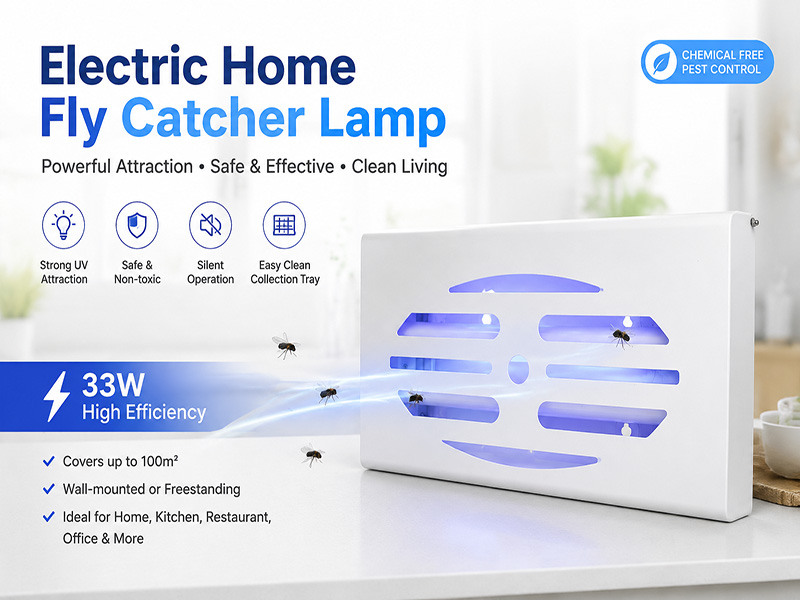
Never use standard consumer-grade paper boards in commercial facilities. Verify that the adhesive specification lists a melting point above 55°C. For flying insects, configure your Sticky Insect Trap Lamp units with UV-resistant glue boards that won't liquefy under continuous 365nm UVA exposure. For ground pests, choose a high-tack Rodent Glue Trap Board built on rigid, moisture-resistant plastic or heavy paraffin-coated cardboard backing.
Step 3: Execute Strategic Height and Perimeter Positioning
Placement errors kill trap efficiency. Follow these hard numbers:
Fly Trap Units: Mount your UV glue light traps 1.8 to 2.2 meters above finished floor level. This matches the natural flight path of houseflies (Musca domestica). Keep them away from competing sunlight from open dock doors.
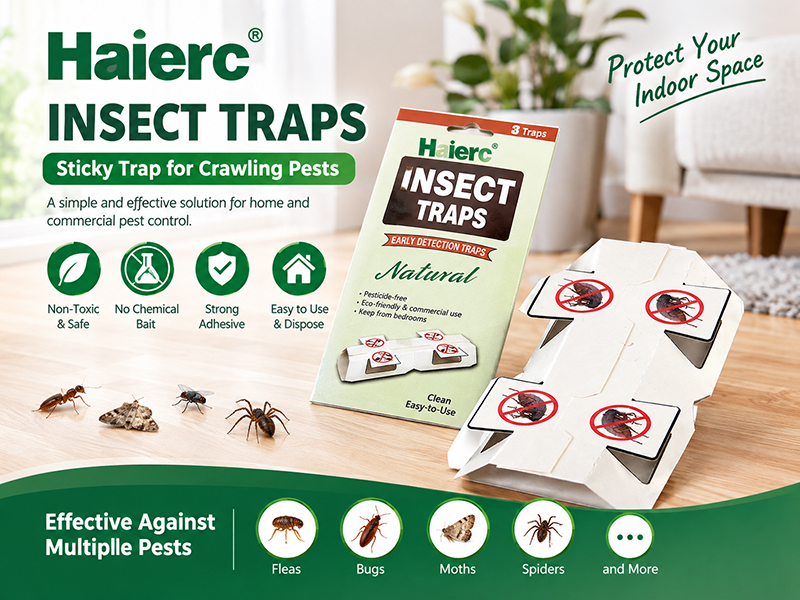
Cockroach Monitors: Place every Roach Sticky Glue Trap Board flush against wall-floor junctions, behind equipment legs, and directly adjacent to wet drains. Fold the board into a tent configuration. This shields the glue from falling debris and creates the dark, enclosed void that roaches seek.
Rodent Glue Trays: Install heavy boards along known travel paths between food sources and harborage points, spacing them every 5 to 8 meters in active zones.
Step 4: Integrate Physical Traps with Wall-Mounted Metal Enclosures
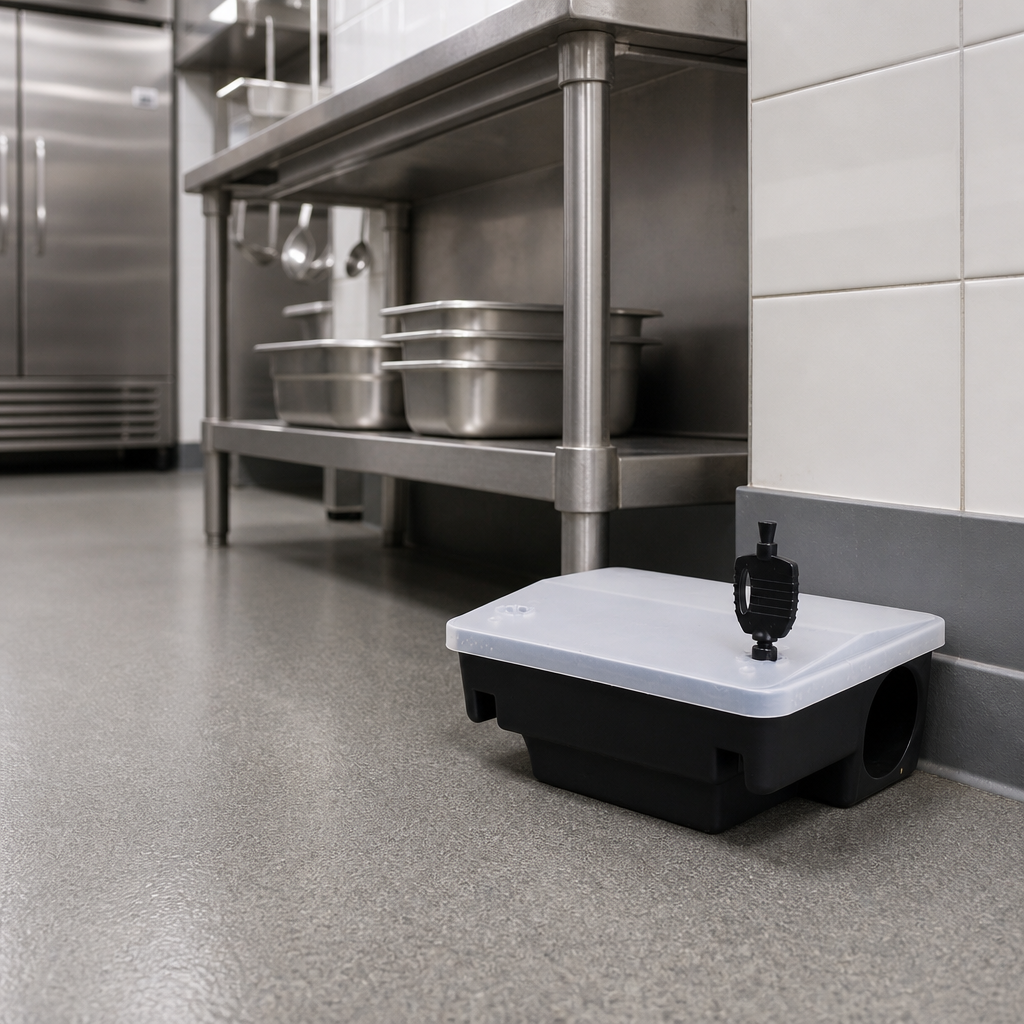
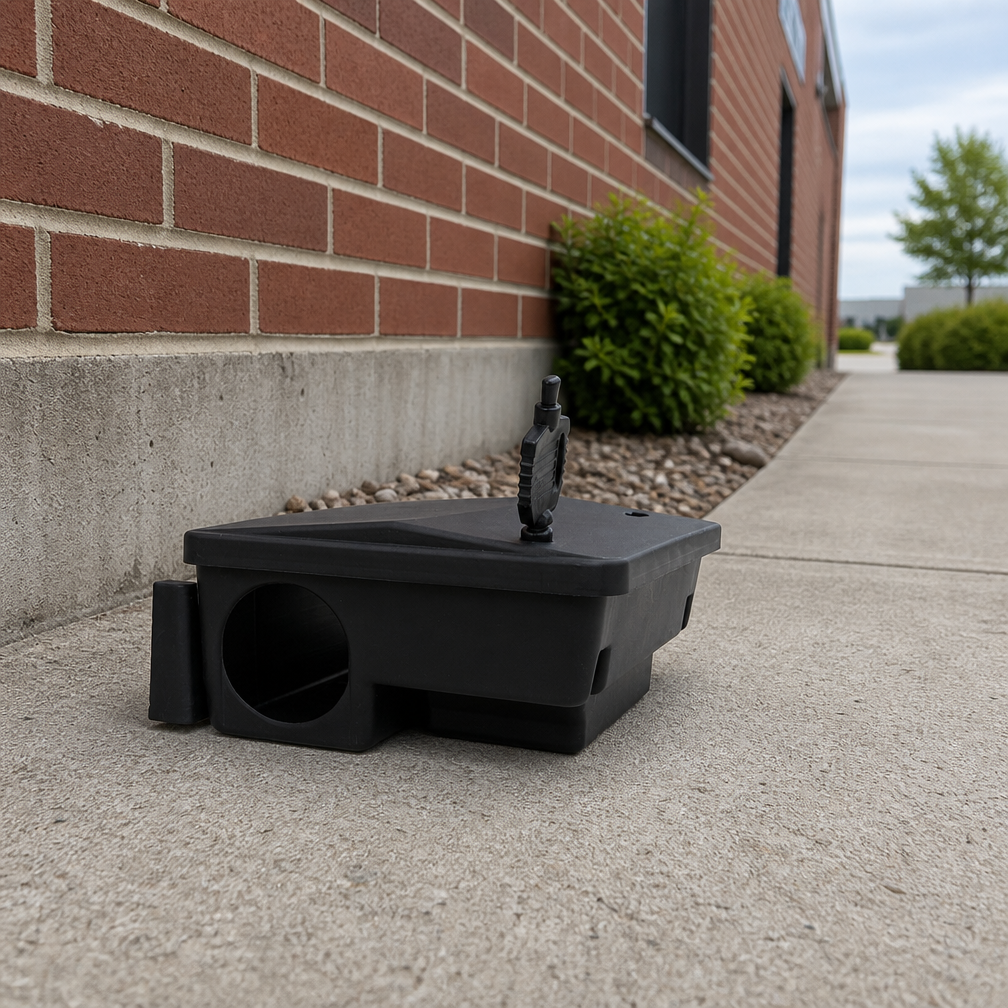
In heavy logistics and warehousing hubs, loose glue boards get crushed by pallet jacks. It happens all the time. Slide glue monitors inside sturdy metal housings. If your facility runs multi-catch mechanical boxes, ensure you use the correct TINCAT TRAP WALL PARTS and replacement clips to anchor the units firmly against wall skirting. When managing perimeter rodent lines, place a HEAVY DUTY Rat Bait Station loaded with a heavy-duty glue tray rather than chemical blocks whenever strict non-toxic FSMA rules apply.
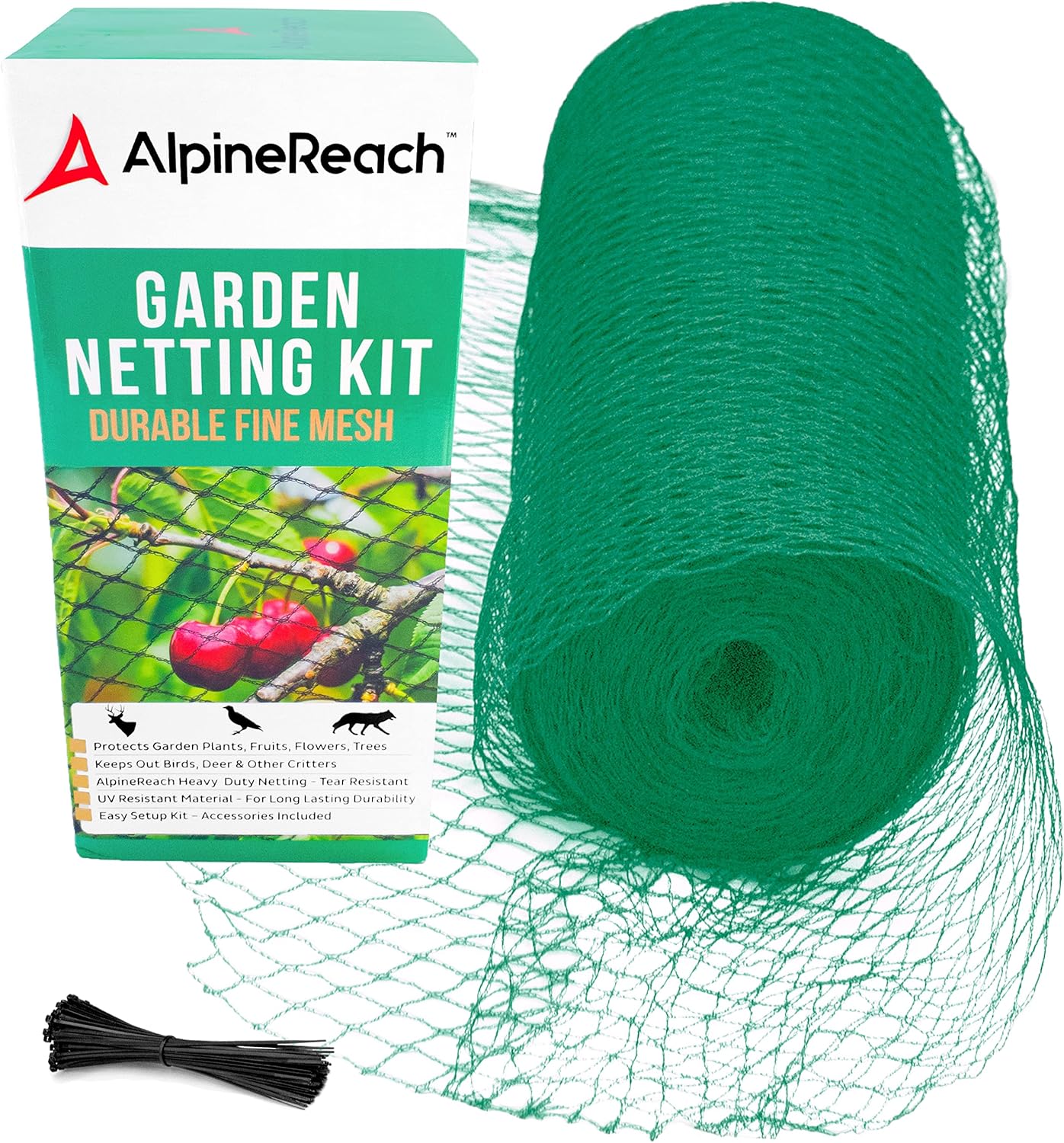
Outside the loading dock, outdoor pest pressure often ties directly to roosting birds. While maintaining interior glue programs, operators frequently install bird pest control spikes along roof parapets, or use a commercial Uitrasonic Bird Repeller Machine to prevent birds from contaminating dock staging zones. When sourcing exclusion netting for high-eaves warehouses, PCO contractors often consult a specialized red anti-aves distribuidor or order custom rolls of Normal Mist Bird Net to seal open rafters.
Step 5: Establish a 14-Day Audit and Swap Protocol
In temperate regions, monthly service cycles work fine. In the Middle East, that's too slow. Establish a strict 14-day service schedule between May and October. During inspections:
Count and classify all captured insects by species.
Log counts into your digital IPM trending software.
Inspect adhesive viscosity by checking for surface skinning or dust cover.
Replace boards immediately if dirt coverage exceeds 30% of the surface area.
Now, let's compare the hardware options available for these demanding commercial jobs.
Commercial Sticky Trap Solutions & Hardware Specs
Selecting the right physical hardware means matching your facility's exact environmental stresses to trap materials. We manufacture these monitoring tools using heavy-gauge 304 stainless steel, UV-stabilized polymers, and non-drying synthetic adhesives designed to hold up in harsh plant conditions.
| Hardware Feature | Haierc /InsectTrap Standard | Industry Average Standard |
|---|---|---|
| Adhesive Melt Point Rating | Stable up to 60°C (Non-runny) | Softens at 35°C – 38°C |
| UV Light Sticky Trap Housing | 304 Stainless Steel / Anodized Alum | Thin painted sheet metal (rusts) |
| Adhesive Base Material | Virgin Polybutene with Attractant | Recycled rubber resin blend |
| Dust-Resistant Tent Design | Interlocking structural fold tabs | Flat-only board (open to dust) |
| Rodent Board Plastic Tray | Impact-resistant thick polystyrene | Thin PVC (cracks easily) |
| Compliance Certifications | CE, RoHS, REACH, ISO9001 | Variable / Non-certified |
For fly management in sensitive food zones, pair your insect light hardware with high-output UVA lamps. Shatterproof lamp coatings are mandatory under glass-free facility policies. Where roaches concentrate around warm motors, deploy specialized Pheromone glue traps featuring food-grade attractants blended directly into the hot-melt matrix.
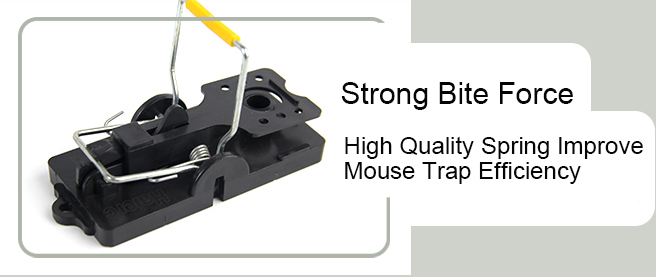
If you are dealing with complex facility perimeters that face mixed pest problems, glue boards work hand-in-hand with mechanical traps. A heavy-gauge Multi-Catch Live Mouse Trap holding an internal glue pad catches multiple invaders without rodenticides. For high-level bird pressure on exterior signage, combining glue-free mechanical barriers like a Bird Shock Tracker or a visual Plastic Owl Bird Control decoy alongside perimeter traps keeps your entire facility exterior compliant. If you need replacement hardware specs, you can check our catalog or email us regarding commercial supplies, just as buyers query a wholesale "Pigeon Spikes" Germany email thread for central European specs.
Understanding hardware is half the battle. Avoiding daily operational mistakes is the other half.
Common Operator Mistakes and Compliance Traps
+-----------------------------------------------------------------------------------+
| CRITICAL COMPLIANCE PITFALLS |
| |
| [FAIL] Placing Insect Lights Facing Open Exterior Doors |
| --> Draws outside desert insects into the building. |
| |
| [FAIL] Using Unprotected Flat Glue Boards in Dusty Corridors |
| --> Sand saturates adhesive in 48 hours; rendering trap useless. |
| |
| [FAIL] Skipping Trend Logging on Replaceable Liners |
| --> Audit failure under BRCGS Section 6.3 / FSMA 2026 guidelines. |
+-----------------------------------------------------------------------------------+
1. Mounting UV Traps Directly Opposite Windows or Dock Doors
This is the most common installation mistake we see in logistics facilities. If a Sticky Insect Trap Lamp is visible from the outside through an open dock or window, it draws night-flying insects directly inside. Always position light traps so they intercept flies after they enter, shielded from outside line of sight.
2. Placing Flat Glue Boards in High-Draft Dust Corridors
Leaving glue boards completely open on dusty warehouse floors ruins them. Always fold your Roach Sticky Glue Trap Board into a triangular box shape. The housing keeps dust off the glue while providing the 360-degree dark entry harborages that cockroaches prefer.
3. Neglecting Adhesive Expiry and Audit Logging
Auditors working under CEPA or BRCGS standards check whether your glue boards have service dates written on the back. If an auditor pulls a sticky board and finds three months of dried-up flies with no service initials, you will get a non-conformance flag. Write the service date on every board with a permanent marker during installation.
4. Cross-Contaminating Glue Traps with Insecticide Sprays
Technicians sometimes spray pyrethroid residual chemicals along baseboards and accidentally mist the glue traps nearby. Repellents ruin your monitoring data. If pests smell synthetic insecticide on the board surface, they avoid the trap entirely. Keep chemical sprays and glue monitors physically separated.
Frequently Asked Questions
Q: How often should we replace fly trap glue boards during the Middle East summer?
A: Replace glue boards every 14 to 21 days between May and October. High ambient temperatures and airborne dust reduce adhesive tack faster than in winter. FliesTrap boards use high-melt polymer adhesives stable up to 60°C, but dust coverage requires regular swap-outs to maintain peak capture efficiency.
Q: Will high-tack rodent glue boards melt or run in non-air-conditioned warehouses?
A: Standard consumer glue boards melt around 38°C, but FliesTrap commercial Rodent Glue Trap Board products are formulated with industrial polybutene that remains stable past 55°C. They do not run, bleed onto floors, or lose adhesive viscosity under severe warehouse conditions.
Q: Are sticky traps acceptable for cleanrooms under FSMA 2026 and BRCGS food safety standards?
A: Yes, non-toxic physical glue monitors are preferred under FSMA 2026, BRCGS, and HACCP rules. They introduce no chemical toxins into production zones and provide clear pest trend data for audit inspections.
Q: How do we prevent fine sand from ruining roach glue boards in Gulf facilities?
A: Always fold your Roach Sticky Glue Trap Board into its covered tunnel or tent shape before placement. Keep traps 2 meters away from external doors and place them inside protective tamper-resistant boxes or TINCAT housings in high-traffic zones.
Q: Can commercial insect light trap glue boards be custom-sized for third-party lamp units?
A: Yes, Haierc manufactures custom-sized OEM glue boards with custom grid prints, private labeling, and specific adhesive formulations. Standard factory MOQ starts at 500 units with a 15 to 25 day production lead time.
Conclusion & Professional Sourcing Support
Reliable pest monitoring in extreme climates comes down to using hardware built for the environment. By mapping your facility's thermal zones, choosing 60°C heat-rated glue compounds, and maintaining a tight 14-day service cycle, you protect your facility from pest infestations and audit penalties.
FliesTrap by Haierc brings 18 years of manufacturing experience to physical pest control. Our factory in Tianjin produces ISO9001, CE, and RoHS-certified pest management equipment for distributors and commercial service providers worldwide. Whether you need container-load orders or trial batches starting from our standard 500-unit MOQ, we provide durable solutions built for tough operating environments.
Visit https://www.fliestrap.com to request full technical data sheets, glue melt-point test reports, or free product samples for commercial evaluation. You can also reach our team directly at sales@fliestrap.com to discuss custom OEM private-label production.
- Share this:

-



Category
Trending Now