




 Bird & Pigeon Pest Control
 MOUSE & RAT Pest Control
 Fly Pest Control
 Cockroach Pest Control
 Mosquito Pest Control
 Mole Pest Control
 Wasp Pest Control
 Moth Pest Control
 Bed Bug & Flea Pest Control
 Ant & Termites Pest Control
 Spider Pest Control
 Other Insect Pest Control
 Snake Pest Control
 Snail & Slug Pest Control
 Wildlife Pest Control
 Garden Products
 Virus Control
 Smart AI Trap
 Insecticides


.jpg)
Introduction — Scenario Pain Point
Rats chew through electrical conduits, spoil dry goods, and trigger audit failures. If you run a commercial warehouse or food processing unit in the UK, an unmonitored brown rat (Rattus norvegicus) infestation will halt operations fast. A single gnawed cable can shut down an entire packaging line for 12 hours.
Under current BRCGS issue 9 standards and strict UK environmental guidelines, reaching for second-generation anticoagulant rodenticides inside a production hall is no longer acceptable. You need mechanical exclusion and immediate physical knockdown. Deploying a commercial-grade Rat Snap Trap inside tamper-resistant stations gives you instant kill confirmation without secondary poisoning risks.
At FliesTrap by Haierc, we've spent 18 years manufacturing physical pest management hardware for professional operators across the UK, Germany, and global markets. Mechanical trapping works when executed systematically. It fails when traps are scattered randomly across an open floor. We see technicians make simple mistakes every week: placing hardware parallel to runs instead of perpendicular, using the wrong attractant matrix, or failing to pre-bait trap triggers. This guide walks you through setting up, calibrating, and servicing a mechanical rodent grid that satisfies third-party auditors and stops infestations at the building envelope.
┌──────────────────────────────┐
│ Facility Perimeter Scan │
│ (Identify Runs & Rub Marks)│
└──────────────┬───────────────┘
│
▼
┌──────────────────────────────┐
│ Pre-Baiting Phase │
│ (Unset Traps, 48-72 hrs) │
└──────────────┬───────────────┘
│
▼
┌──────────────────────────────┐
│ Perpendicular Active Set │
│ (Sensitive Trigger Tuning) │
└──────────────┬───────────────┘
│
▼
┌──────────────────────────────┐
│ Daily Inspection & Logging │
│ (Digital / Manual Barcode) │
└──────────────────────────────┘
Root Causes of UK Rodent Ingress and Seasonal Behavior
Why do commercial facilities in Britain suffer heavy rodent spikes between September and November? The answer comes down to ambient temperature, harvest cycles, and drainage infrastructure.
Autumn crop harvesting across East Anglia and the Midlands destroys natural foraging habitats. As temperatures drop below 8°C, rodents track thermal plumes coming from commercial loading bays, waste compactors, and boiler rooms. British infrastructure presents unique vectors. Victorian-era sewer connections beneath older processing plants frequently collapse, creating direct subterranean pathways for juvenile and adult rats.
According to BPCA field surveys, food manufacturing plants experience a 40% jump in rodent ingress calls within 3 weeks of the first regional frost. Facility managers often mistake rat activity for minor field mice pressure. That's a costly error. A Norway rat requires distinct mechanical pressure to trigger a kill bar compared to a standard mouse snap.
Rats possess extreme neophobia. They avoid new objects in their territory for days. When a PCO places fresh hardware in a warehouse, rats skirt the perimeter for up to 72 hours before investigating. If the trap snaps shut without catching the rodent, that animal will avoid that footprint for months. High-traffic transit points like roller shutter doors, suspended ceiling voids, and cable trays require deliberate hardware placement. You must match the pest's natural wall-following behavior (thigmotaxis) rather than placing traps where they are convenient for your cleaning staff to sweep around.
Step-by-Step Guide: How to Build an Audit-Ready Snap Trap Grid
Executing a mechanical control program requires consistent field discipline. Follow these sequential steps to establish, bait, and service your grid.
+--------------------------------------------------------------------------+
| SNAP TRAP GRID PLACEMENT MATRIX |
| |
| [Loading Bay / Ingress Point] |
| │ |
| ├── Zone 1: Buffer Area (Exterior Stations) ──> Pre-baited Non-toxic |
| │ |
| ├── Zone 2: Threshold Barrier (Inside Roller Doors) ──> 3m Interval |
| │ |
| └── Zone 3: Storage Racks & Production Perimeter ──> 5m-8m Interval |
+--------------------------------------------------------------------------+
Step 1: Mapping Ingress Vectors and Establishing Run Lines
Start by inspecting the facility baseboards, service penetrations, and false ceiling voids with a high-lumen UV torch. Look for grease marks (sebum trails), dark cylindrical droppings with blunt ends, and gnaw patterns on wooden pallet corners.
Mark trap station locations on your facility CAD schematic. Space stations 3 to 5 meters apart along active walls in high-risk zones, and 8 to 10 meters apart in low-risk dry storage areas. Document each station with an individual barcode number to ensure audit tracking aligns with CEPA and BRCGS requirements.
Step 2: Station Selection and Pre-Baiting
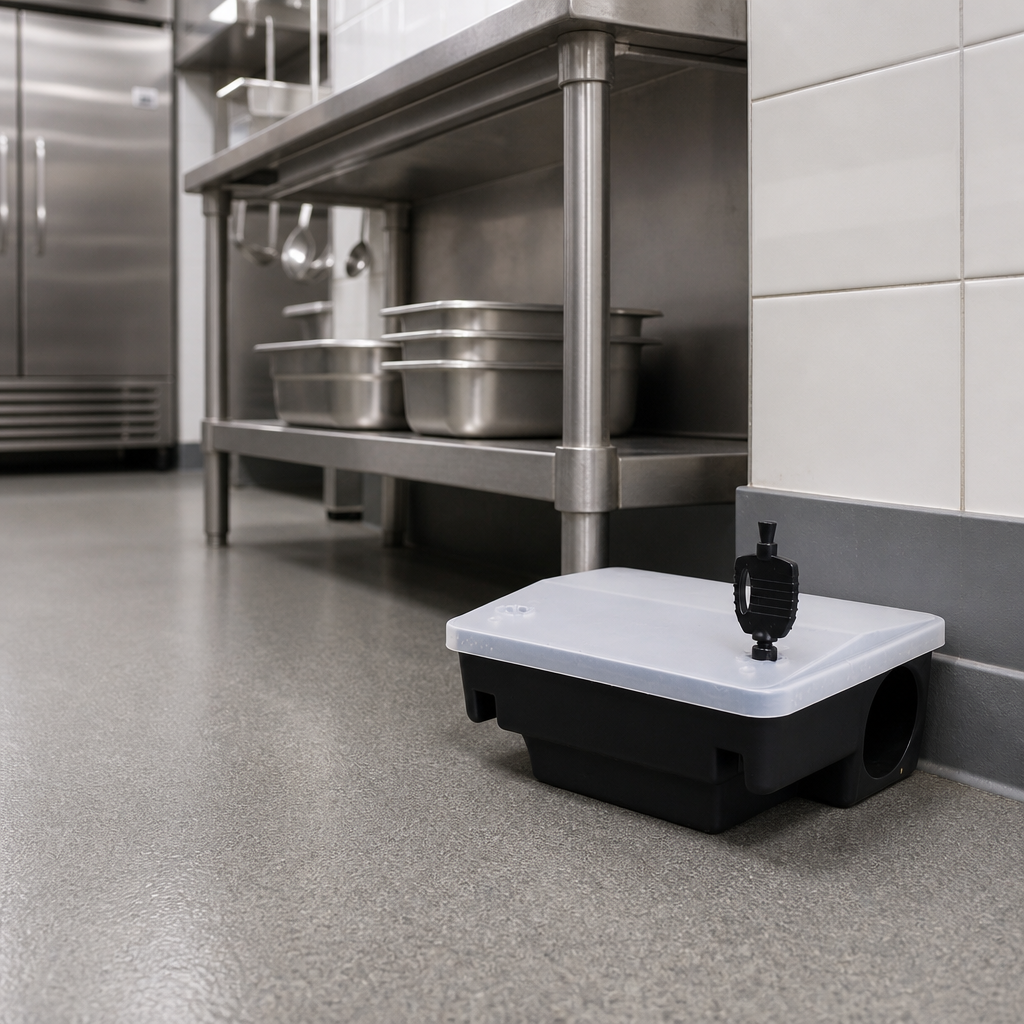
Never leave an open Rat Snap Trap exposed on a food plant floor. Place each unit inside an impact-resistant, lockable polypropylene station. This protects the kill mechanism from forklift impacts, moisture washdowns, and unauthorized tampering.
Before activating the strike bar, pre-bait the untriggered pan for 48 to 72 hours. Place non-allergenic, high-lipid paste or grain-based attractant directly on the bait cup. Let the local rodent population feed without mechanical consequence. This breaks down their natural neophobia. Once feed consumption is confirmed across 60% of your deployed stations, you're ready to set the triggers.
Step 3: Trigger Calibration and Perpendicular Placement
When loading the strike spring, adjust the sensitivity bar to the fine-release setting. A hair-trigger release ensures that light exploratory touches by younger, lighter rats still actuate the high-impact bar.
Position the station tight against the wall. The strike bar and bait cup must face perpendicular to the skirting board, not parallel. Rats run with their whiskers touching structural surfaces. A perpendicular placement forces the rodent's head directly over the expanded trigger treadle as it moves along its run line.
[ Facility Wall / Skirting Board ]
════════════════════════════════════════════════════════════════════════
▲ ▲
│ Run Direction │ Run Direction
▼ ▼
┌───────────────┐ ┌───────────────┐
│ █ █ █ █ █ █ █ │ │ █ █ █ █ █ █ █ │
│ [Strike Bar] │ │ [Strike Bar] │
│ [Trigger] │ │ [Trigger] │
│ (Bait Cup) │ │ (Bait Cup) │
└───────────────┘ └───────────────┘
(Station Box 1) (Station Box 2)
<───────────── 3="" 5="" to="" metres="">
Step 4: Daily Servicing, Sanitation, and Digital Logging
Inspect the grid daily during active clearance operations, switching to weekly checks during baseline monitoring phases. When a catch occurs, bag the carcass immediately according to local animal byproduct waste regulations.
Clean the station interior using an unscented, non-chlorinated sanitizer. Strong chemical smells cause avoidance. Check the high-tensile spring tension on the Rat Snap Trap before resetting it. If the spring shows fatigue or rust from chemical washdowns, replace the entire mechanical unit immediately. Record the catch location, species, estimated weight, and date in your integrated pest management log.
Hardware Selection: Engineering Specifications for Commercial Facilities
Commercial food plants demand hardware built to endure tough industrial environments. Standard retail traps made from cheap styrene plastics crack under cold-room conditions or when hit by warehouse dollies.
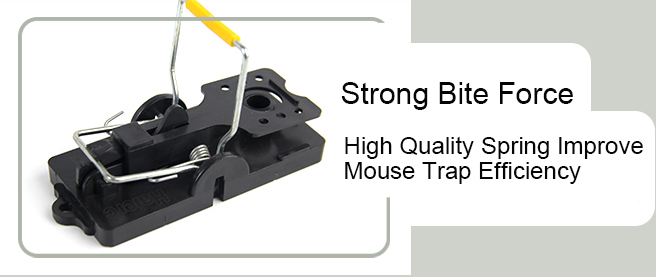
Professional pest management requires high-impact ABS polymer construction paired with tempered steel springs. The trigger mechanism needs an expanded strike treadle to prevent clean run-overs. In damp environments like vegetable processing areas or abattoirs, low-grade steel springs rust out within weeks, reducing striking velocity and leading to inhumane, non-lethal strikes.
| Specification | SnapTrap Standard (SnapTrap) | Industry Average |
|---|---|---|
| Body Construction Material | Virgin High-Impact ABS Polymer | Recycled Polystyrene / Brittle Plastic |
| Spring Composition | Tempered High-Tensile 65Mn Carbon Steel | Standard Mild Steel Wire |
| Corrosion Resistance Coating | Black Electrophoretic / Zinc Plating | Basic Oil Dip or Uncoated |
| Trigger Treadle Design | Expanded Sensitive Surface with Integrated Bait Cup | Small Narrow Metal Tongue |
| Kill Bar Velocity & Force | 1.85 J Kinetic Output / Instant Impact | < 1.20 J / Inconsistent Striking Force |
| Washdown & Chemical Durability | Resistant to Caustic & Acidic Sanitizers | Degrades, Cracks, and Discolors Fast |
| Compliance Suitability | BRCGS, IFS, FSMA, CEPA Compliant | Variable / Non-certified |
FliesTrap snap units are tested to maintain strike velocity across 10,000+ mechanical actuations. Our factory in Tianjin designs and tests every component under strict ISO9001 and CE quality management systems. This ensures your field technicians aren't wasting time swapping out warped bases or loose springs during routine maintenance rounds.
Critical Operational Mistakes to Avoid in Food and Logistics Sites
Even the most rugged trapping hardware fails if field technicians make basic operational errors. Audit inspections across UK logistics hubs reveal several recurring mistakes:
Placing Traps in Open Aisles: Rats rarely cross wide, well-lit spaces. Traps set in the middle of warehouse alleys yield near-zero catches and frequently get smashed by reach trucks.
Using Allergenic Baits: Smearing peanut butter or hazelnut spread on triggers inside an ambient bakery or confectionery warehouse can trigger a severe allergen recall. Use synthetic, hypoallergenic food-grade pastes instead.
Ignoring Odour Transfer: Handling traps with bare hands transfers human sweat, nicotine, and petrol smells onto the trigger mechanism. Always wear nitrile gloves during baiting and setting procedures.
Failing to Anchor Stations: A rat struck poorly by an unanchored trap can drag the station several meters under racking, making carcass retrieval difficult and causing foul odors. Anchor stations to the slab or racking legs with heavy-duty cable ties or masonry brackets.
Over-Baiting the Trigger Cup: Filling the bait cup to overflowing allows rodents to nibble the bait edges without exerting downward force on the treadle. Use a pea-sized bait deposit placed directly in the center of the cup.
Multi-Pest Facility Protection: Beyond Rodent Control
Rodent control does not operate in a vacuum. A comprehensive Integrated Pest Management (IPM) program addresses structural vulnerabilities across multiple vectors, combining mechanical barriers, bird exclusion, and flying insect monitoring.
┌────────────────────────────────────────────────────────┐
│ Comprehensive IPM Facility Grid │
└───────────────────────────┬────────────────────────────┘
│
┌─────────────────────────┼─────────────────────────┐
▼ ▼ ▼
[Ground Perimeter] [Airspace & Eaves] [Internal Openings]
• Rat Snap Traps • Bird Netting • UV Fly Killers
• Mice Traps Bait Boxes • Bird Spikes • Insect Sticky Traps
• One Way Door Traps • Reflective Tape • Door Brush Seals
Exterior Bird Management
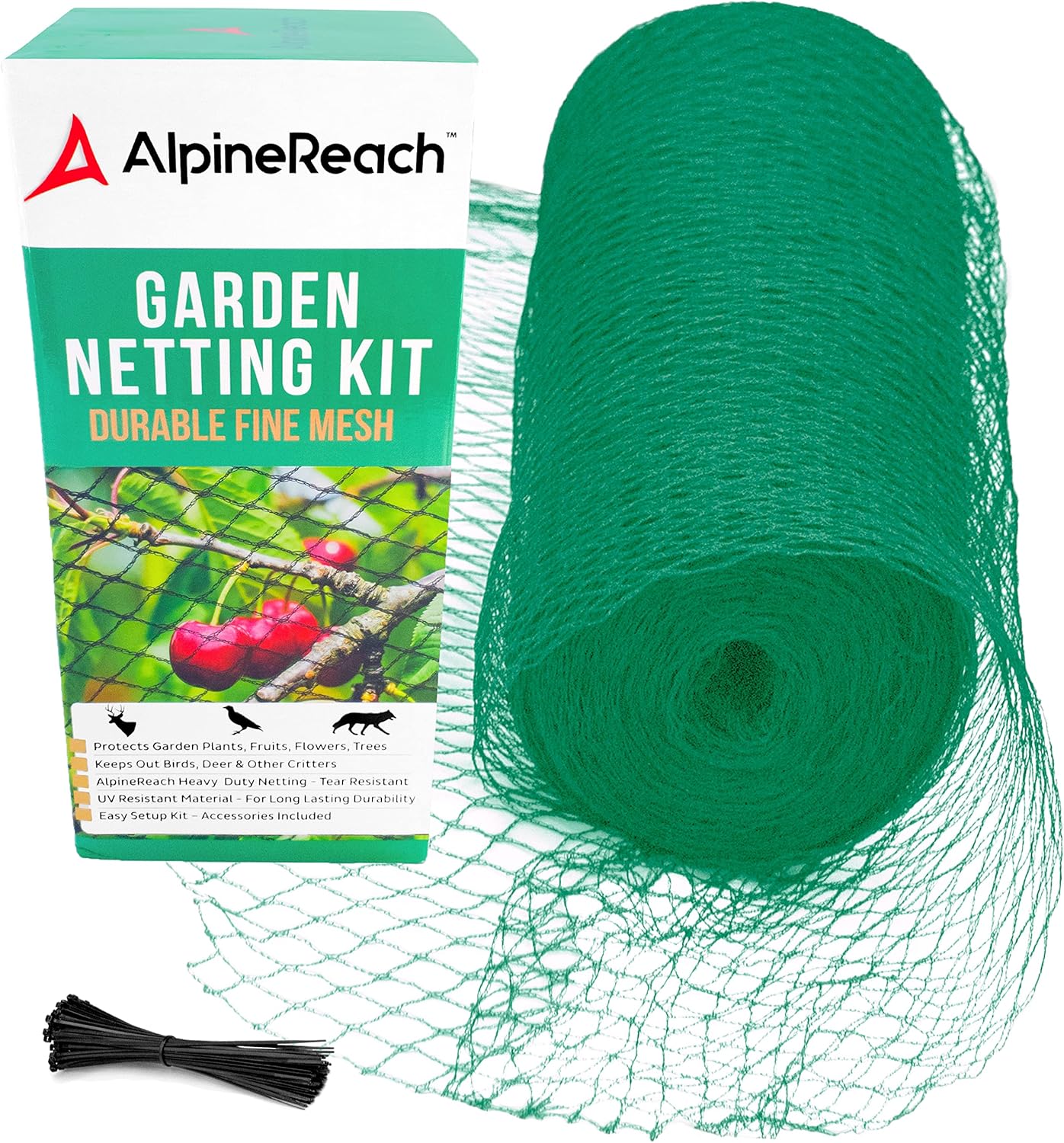
Pigeons and gulls nesting on loading bay canopies deposit acidic droppings that damage roofing and introduce bird mites. As a comprehensive bird spikes supplier, FliesTrap provides UV-stabilized Polycarbonate and 304 SS components that stop birds from landing without causing injury. For larger warehouse roof spans and plant rooms, installing industrial heavy-duty Bird Net systems seals off structural steelwork entirely. In agricultural holding bays, field managers also deploy visual deterrents like Holographic Reflective Ribbon Tape along open eaves to disrupt flight patterns.
Internal Rodent and Insect Defense
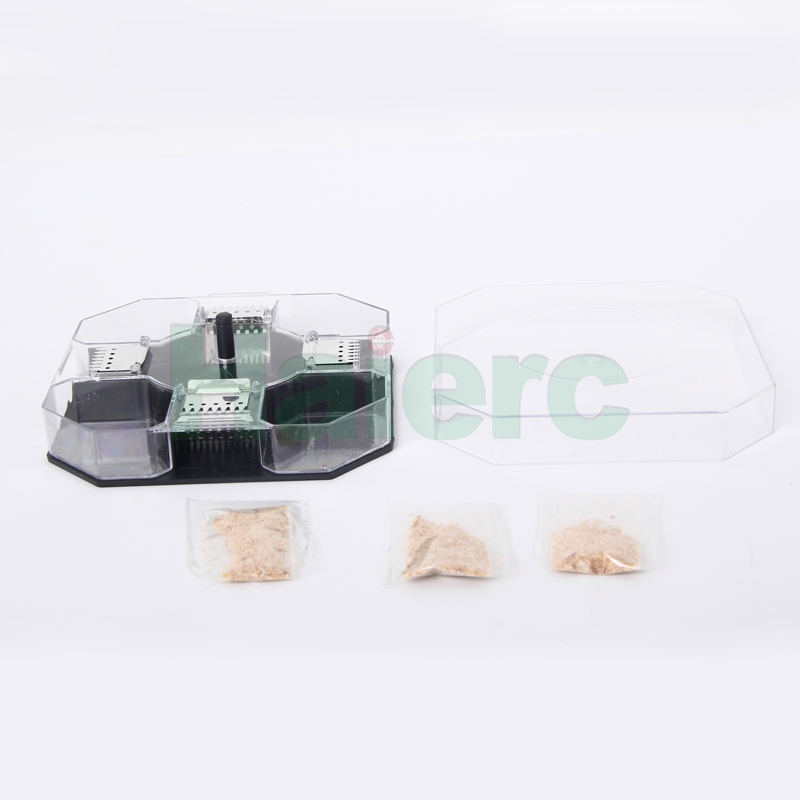
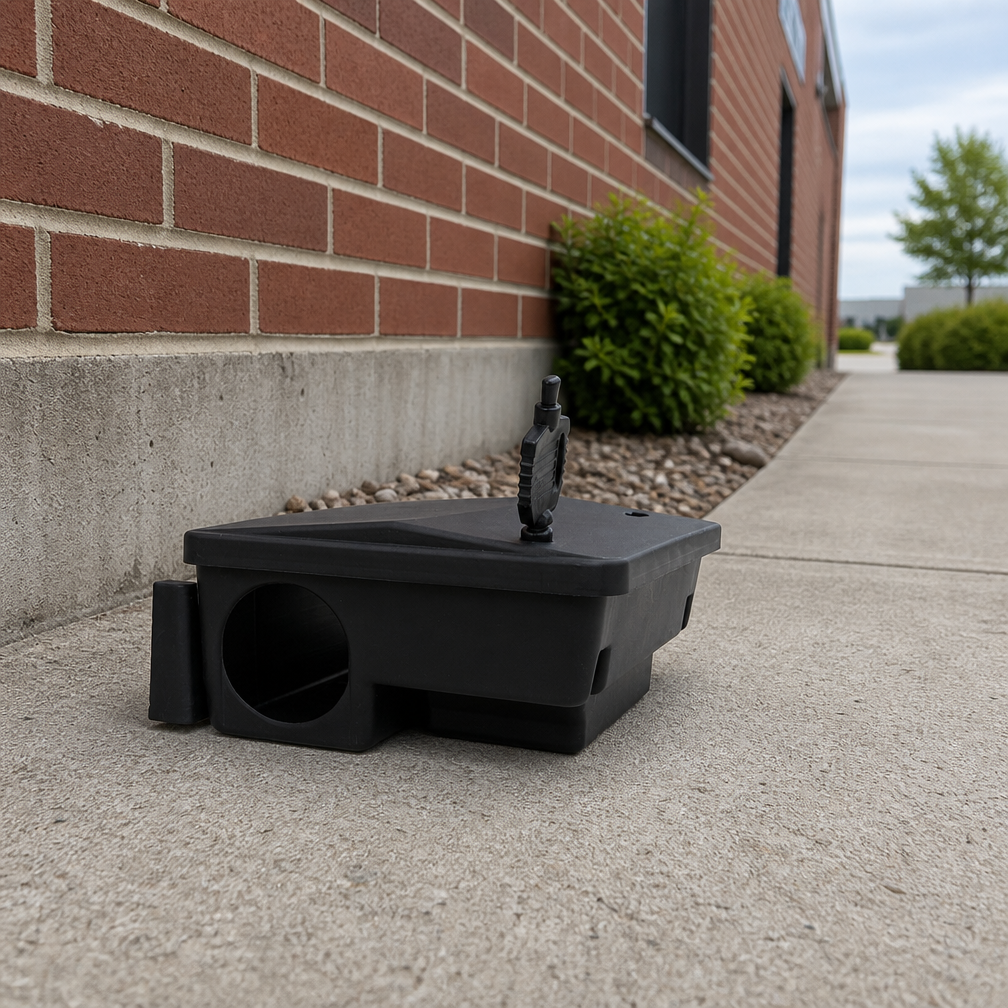
Inside intermediate staging areas where multiple pest pressures exist, technicians pair mechanical rat grids with Mice Traps Bait Boxes along secondary wall runs. If you need live-catch exclusion for sensitive retail environments, a multi-catch unit or a One Way Door Trap offers a non-lethal removal method.
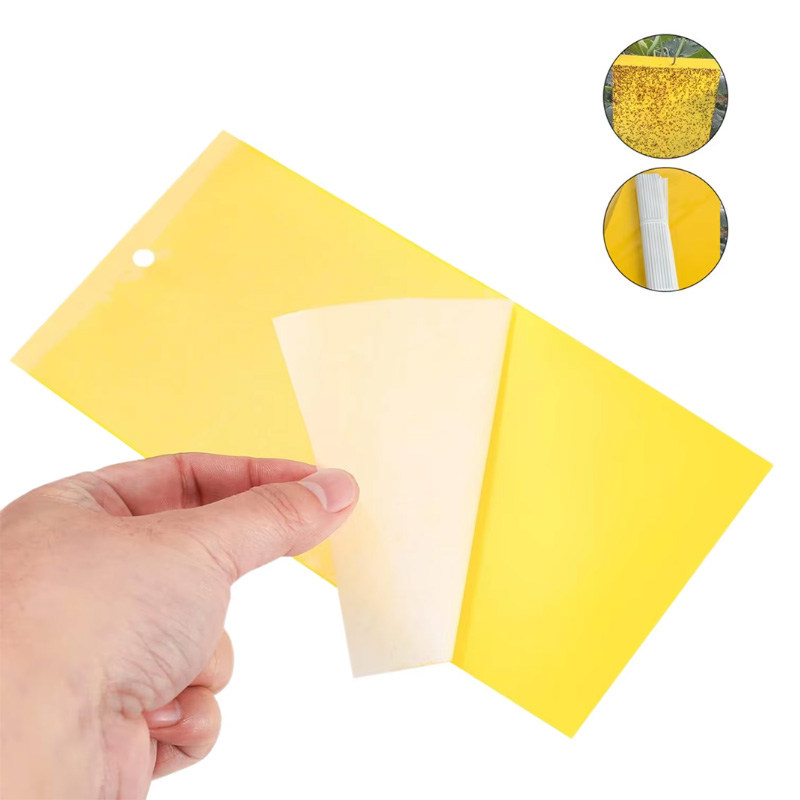
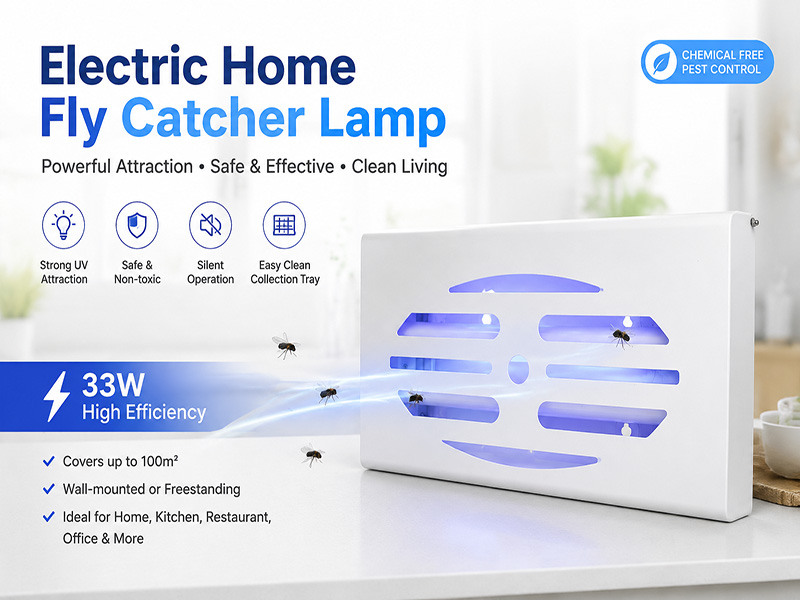
High-care production zones also require zero-chemical insect defenses. Placing a shatterproof UV fly unit or an insect sticky trap near pedestrian airlocks stops filth flies before they reach processing conveyors. By sourcing all your physical monitoring and exclusion equipment from a single manufacturing partner, facility operations maintain consistent quality and compliance across the board.
Frequently Asked Questions
Q: How often should we service rat snap traps in a BRCGS-audited food plant?
A: In active infestation zones, check traps daily to clear carcasses and update pest logs. For baseline monitoring, weekly or fortnightly inspections are standard. FliesTrap manufactures heavy-duty snap traps with inspection-friendly triggers that fit standard tamper-resistant bait stations.
Q: What is the best attractant to use on mechanical snap traps in food warehouses?
A: Use professional non-toxic, hypoallergenic lipid-based lures or clean oat pastes with bacon oil extract. Never use nut-based baits in food facilities where allergens are strictly controlled under BRCGS or FSMA guidelines.
Q: Why are rats running past our snap traps without setting them off?
A: Rats are neophobic and avoid new objects. Traps may also be set parallel rather than perpendicular to the wall. Pre-bait the station unset for 48 to 72 hours, ensure the strike bar faces the wall, and calibrate the trigger to a sensitive setting.
Q: Can commercial snap traps be washed down with caustic sanitizers?
A: FliesTrap snap traps are built with high-impact virgin ABS plastic and high-tensile coated springs that withstand standard food-grade chemical washdowns. Avoid using unwashed mild steel traps, which corrode rapidly in wet facilities.
Q: How do we prevent rat carcasses from causing secondary odor issues in hidden wall voids?
A: Always deploy snap traps inside designated, secured stations along mapped perimeter runs rather than leaving loose traps in ceiling voids. Anchor the stations directly to concrete slabs or steel columns so traps cannot be dragged out of reach.
Conclusion & Strategic Procurement
Establishing an audit-compliant mechanical rodent control grid takes the right hardware, proper placement, and strict field discipline. By shifting from toxic baits to calibrated Rat Snap Trap stations inside secure housings, UK facility managers can protect their stock, satisfy strict BRCGS audit criteria, and eliminate secondary contamination risks.
FliesTrap by Haierc backs professional PCO contractors, facility managers, and international pest control distributors with rugged, factory-direct mechanical pest solutions. With 18 years of manufacturing experience, an ISO9001-certified factory, and full CE/REACH compliance, we supply reliable rodent, bird, and insect hardware built for heavy commercial use.
To request product technical data sheets or evaluate sample units for your facility network, contact our technical sales team at sales@fliestrap.com or visit https://www.fliestrap.com. We support trial orders starting from a 500-unit MOQ with full OEM custom branding available.
- Share this:

-



Category
Trending Now