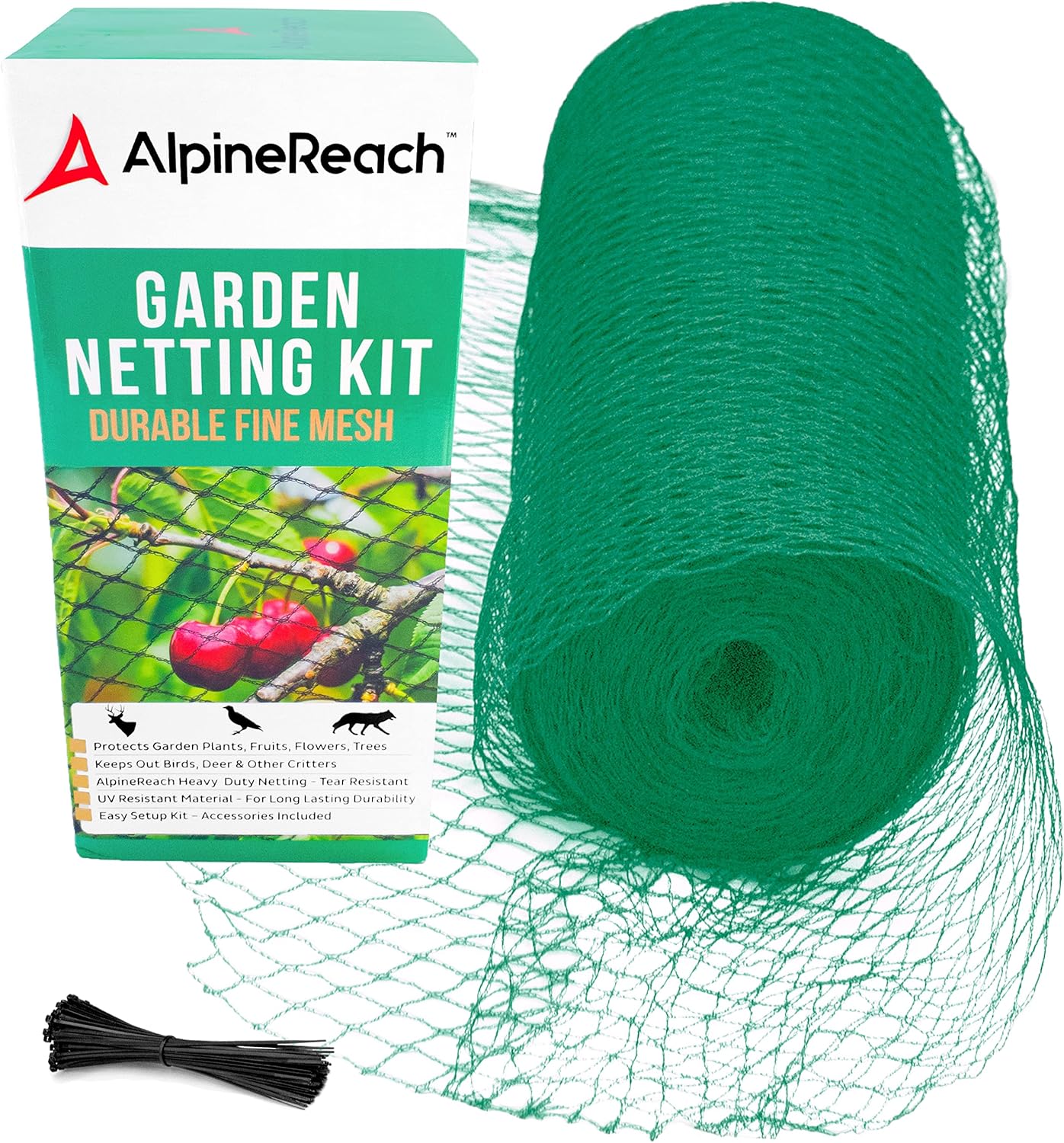





 Bird & Pigeon Pest Control
 MOUSE & RAT Pest Control
 Fly Pest Control
 Cockroach Pest Control
 Mosquito Pest Control
 Mole Pest Control
 Wasp Pest Control
 Moth Pest Control
 Bed Bug & Flea Pest Control
 Ant & Termites Pest Control
 Spider Pest Control
 Other Insect Pest Control
 Snake Pest Control
 Snail & Slug Pest Control
 Wildlife Pest Control
 Garden Products
 Virus Control
 Smart AI Trap
 Insecticides


.jpg)
Introduction — Scenario Pain Point
Rodents don't wait for your scheduled quarterly audit. When field mice or roof rats infiltrate a food distribution center or packaging warehouse, they contaminate inventory within hours. A single gnawed electrical harness can bring an automated sorting line to a complete halt.
Why do standard control programs fail? Most facilities rely on cheap, flimsy plastic boxes that crack under forklift impact or get dragged across the dock yard by raccoons. If your perimeter defense collapses, rodents migrate straight indoors.
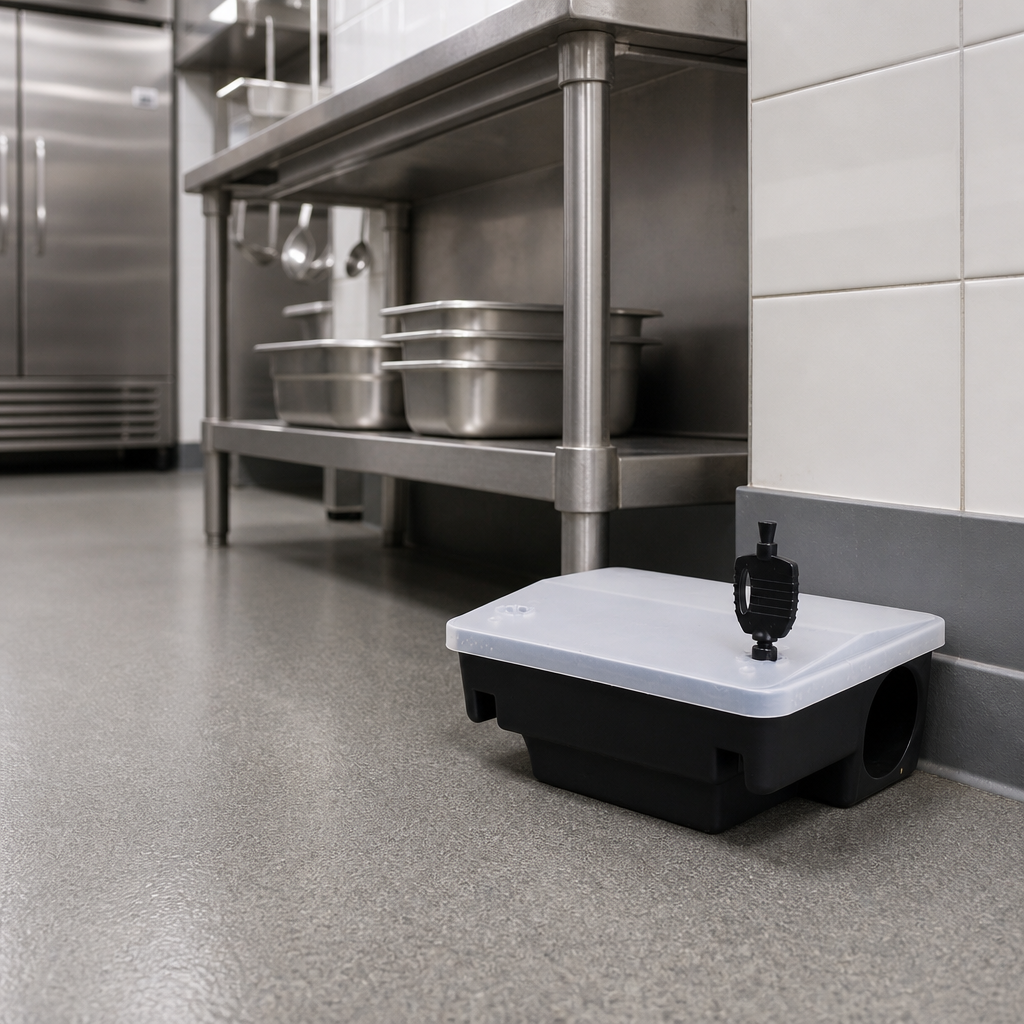
Securing a facility requires an industrial-grade Steel Bait Station deployment built around strict integrated pest management protocols. NPMA data indicates that over 40% of commercial pest emergencies originate at exterior loading docks and dumpster pads. We've spent 18 years engineering physical pest management hardware in our factory to withstand rough warehouse environments.
This guide walks you through mapping, installing, and maintaining an unbreachable perimeter defense using an exterior Mice Bait Station grid and interior Mice Traps Bait Boxes. You'll pass third-party audits without breaking a sweat.
+-----------------------------------------------------------------------------+
| COMMERCIAL PERIMETER LAYOUT |
| |
| [Fence Line] --- 50 ft Spacing ---> [ Steel Bait Station ] |
| | |
| [Exterior Wall] --- 20-30 ft Spacing ---> [ Mice Bait Station ] |
| | |
| [Loading Dock Door] --------------------> [ Multiple Catch Mouse Trap ] |
| | |
| [Interior Processing] ------------------> [ Mini Plastic Mouse Tunnel ] |
+-----------------------------------------------------------------------------+
Root Cause: Why Rodents Breach US Facilities
Rodents follow predictable thermal and scent trails. When autumn arrives across the American Midwest and Northeast, outdoor food sources dry up quickly. Field mice and Norway rats hunt for warm air escaping beneath rollup dock doors. Even a tiny quarter-inch gap under an overhead door seal acts like an open invitation.
Poor exterior sanitation creates immediate hotspots. Dumpster pads with loose grease bin lids provide unlimited calories, which triggers rapid colony reproduction. Once the outdoor population explodes, juvenile rodents get pushed outward toward building perimeters. If they encounter unbaited or damaged stations, they'll slip right past them.
+-----------------------------+
| Dumpster & Waste Zones |
| (High-calorie food source) |
+--------------+--------------+
|
v
+-----------------------------+
| Exterior Fence / Tree Line |
| (First nesting zone) |
+--------------+--------------+
|
v
+-----------------------------+
| Building Perimeter & Docks |
| (Thermal drafts & gaps) |
+--------------+--------------+
|
v
+-----------------------------+
| Interior Production Zones |
| (Severe audit non-compliance)|
+-----------------------------+
Facility design flaws make matters worse. Expansion joints, unsealed conduit penetrations, and unprotected weeping vents offer zero resistance against chewing incisors. According to recent research from PCT Online, urban rodent pressure in logistics corridors jumped significantly over the last two years. Facilities operating under updated FDA FSMA 2026 rules face severe penalties if non-target animals access rodenticides, or if interior processing spaces show signs of droppings.
High-traffic logistics yards face another headache: equipment collisions. Standard plastic housings shatter when bumped by pallet jacks or fleet trailers. A cracked Mouse Poison Bait Station is an immediate audit failure under BRCGS and IFS standards because loose rodenticide blocks pose direct contamination risks.
Exterior birds also complicate outdoor sanitation. Pigeons and sparrows roost on exterior rooflines and drop nesting debris right over bait stations, contaminating bait blocks with bird mites. While physical barriers like Plastic Bird Spikes, a Bird Shock Tracker, or Bird Repellent Disks solve roofline roosting, your ground-level perimeter still requires rugged, crush-resistant bait protection.
Let's look at how to properly deploy a reliable station network from the property line inward.
Step-by-Step Guide: Setting Up Mice Traps Bait Boxes
Building an audit-proof rodent barrier takes more than just dropping boxes randomly around a wall. Follow these practical field steps to establish full control.
Step 1: Conduct a Detailed Perimeter Risk Assessment
Walk the facility footprint with a high-lumen inspection flashlight. Map out high-risk zones:
Compactor pads and refuse storage areas
Dock leveling pits and dock seals
Overhead pipe racks and ground-level utility penetrations
Dense perimeter landscaping or retention ponds
Mark station locations on your facility blueprint. Maintain standard 30- to 50-foot intervals along exterior property fences, and tighten spacing down to 20 to 30 feet along exterior foundation walls near raw material intake doors.
Step 2: Anchor the Exterior Stations
Never leave an exterior station loose on the pavement. Wind, sweepers, and curious raccoons will displace them within days.
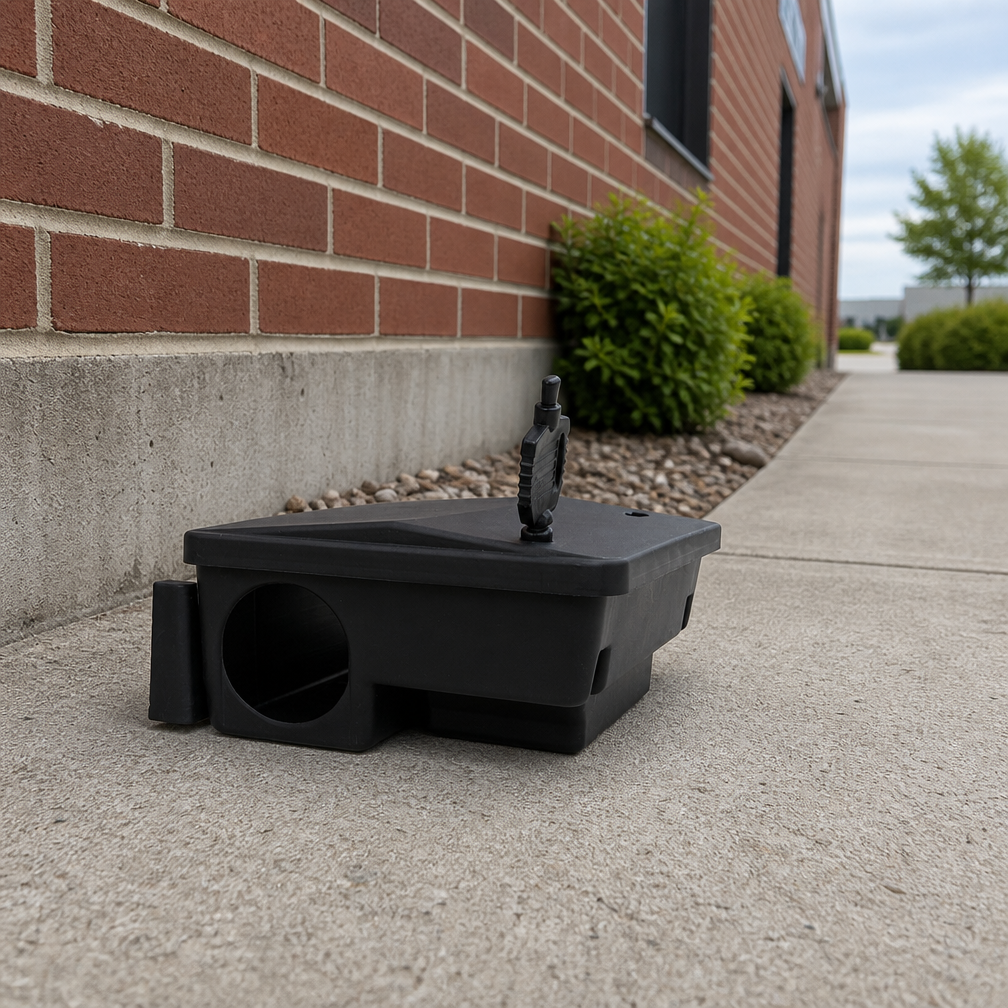
Secure each Steel Bait Station directly to a 2.5-inch concrete paver block using masonry anchors, or bolt the unit directly into the concrete apron along the building wall. For heavy-duty steel units, ensure the locking mechanism points away from the foundation wall so service technicians can insert the two-prong master key smoothly during rapid weekly routes.
+-----------------------------------------------------------------------+
| STATION ANCHORING & BAITING DETAIL |
| |
| +---------------------------------------------------------------+ |
| | [Dual-Lock Steel Lid] | |
| | | |
| | (Entry Hole) -> [ Internal Baffle ] -> [ SS Bait Rod ] | |
| | | | |
| | [ Wax Block Bait ] | |
| | | |
| | Bottom: Bolted to 12"x12" Concrete Paver | |
| +---------------------------------------------------------------+ |
+-----------------------------------------------------------------------+
Step 3: Bait and Secure Internal Rigs
Thread EPA-registered wax bait blocks onto the internal 304 SS horizontal bait rods. Push the blocks tight against the center partition. Rods prevent rodents from dragging bait chunks outside the station.
If your facility operates under organic certification or strict FSMA 2026 zero-rodenticide rules, swap chemical blocks for non-toxic monitoring blocks or install heavy snap traps inside the secure housing.
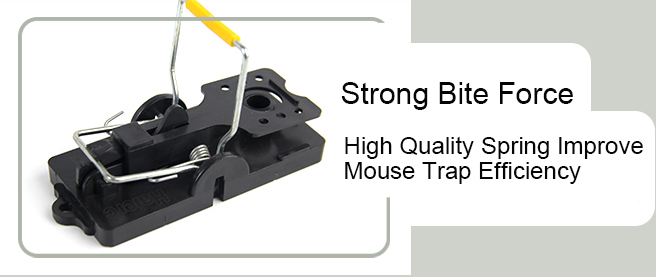
Inside food staging bays, chemical baits are prohibited. Transition immediately to non-toxic mechanical devices. Place a Multiple Catch Mouse Trap or a compact Mini Plastic Mouse Tunnel flush against interior walls along known rodent runways. For dust-sensitive zones, a clean Mice Glue Trap placed inside a protective tunnel stops small field mice without bait scatter.
Step 4: Establish a Routine Inspection Rhythm
Inspect your stations every 7 to 14 days during initial setup. Once activity levels stabilize, shift to monthly inspection cycles. Replace gnawed or moldy bait blocks immediately.
Clean out dust, cobwebs, and organic debris during every visit. Record all activity data in your electronic pest logbook to maintain clear BRCGS audit trails.
[Exterior Fence Line] [Exterior Wall Line] [Interior Processing Zone]
Steel Bait Stations Mice Bait Station Units Multiple Catch Mouse Trap
(Spacing: 40-50 ft) (Spacing: 20-30 ft) (Spacing: 15-20 ft along walls)
| | |
v v v
Block outdoor migration Intercept foundation runners Non-toxic capture / Zero bait
Now let's examine the hardware specifications required to keep this barrier functioning under tough conditions.
Product Options That Fit Commercial Operations
Choosing the right housing depends entirely on the traffic level, environmental exposure, and compliance requirements of each zone.
| Specification | RatTrap Standard (FliesTrap) | Industry Standard Average |
|---|---|---|
| Housing Material | Heavy-gauge galvanized steel / UV-stabilized PP | Standard recycled polypropylene |
| Locking System | Dual-key tamper-resistant locking mechanism | Single plastic snap latch |
| Internal Rods | Corrosion-resistant 304 SS vertical & horizontal rods | Plain iron wire or plastic pins |
| Impact Rating | Forklift wheel crush-resistant (Steel Series) | Cracks under light impact |
| Audit Readiness | FSMA, BRCGS, CE, EPA physical monitoring compliant | Basic domestic grade |
| Internal Versatility | Accommodates block bait, liquid attractant, or snap traps | Bait block only |
For heavy logistics hubs where yard hostlers and forklifts operate around the clock, our heavy-gauge Steel Bait Station delivers unbeatable longevity. The rugged steel shell prevents crushing, and the tamper-proof dual lock stops unauthorized human tampering.
In secondary perimeter zones where chemical bait is preferred, deploying a dedicated Mice Bait Station made from thick UV-stabilized polycarbonate guarantees years of sun exposure without cracking or fading.
When managing indoor storage lanes, you'll need versatile Mice Traps Bait Boxes that can safely hold mechanical snap traps away from foot traffic.
For facilities struggling with multi-pest pressures, combining rodent perimeters with comprehensive bird management keeps the entire building shell secure. Using a Catching Bird Net or Plastic Bird Net across loading bay canopies stops birds from roosting right above your rodent stations.
Our factory produces these systems under ISO9001 and CE standards, supporting commercial distributors and service companies with durable physical pest control hardware.
Let's review the critical operational mistakes you need to avoid during deployment.
Mistakes to Avoid & Compliance Pro Tips
+-------------------------------------------------------------------+
| COMMON DEPLOYMENT ERRORS |
| |
| [X] Unanchored Stations ---> Kicked, crushed, or stolen |
| [X] Loose Bait on Floor ---> Chemical contamination risk |
| [X] Over-spaced Stations ---> Rodents slip past blind spots |
| [X] Missing Service Logs ---> Failed third-party audits |
+-------------------------------------------------------------------+
1. Never Skip Mechanical Anchoring
Technicians sometimes set a station on bare gravel and walk away. Don't do this. Unsecured stations get flipped by high winds or pushed aside during snow removal. If a station moves, your 20-foot perimeter buffer breaks down immediately. Secure them to pavers or concrete every single time.
2. Avoid Loose Bait Inside the Chamber
Placing loose pellets or bait chunks inside a box without using securing rods is a serious compliance breach. Rodents hoard loose bait. They'll carry pellets out of the station and cache them inside wall voids or cardboard pallets. Always impale wax blocks securely on horizontal 304 SS rods.
3. Don't Mix Interior and Exterior Protocols
Never use rodenticide blocks inside food packaging, processing, or clean storage bays. European CEPA standards and North American FSMA rules strictly ban open toxins near food contact surfaces. Use mechanical traps inside tamper-resistant boxes for all interior work.
4. Watch for Secondary Structural Pest Openings
Pest control doesn't end at ground level. While you secure the perimeter with bait boxes, ensure overhead eaves and exhaust louvers are screened. If you operate facilities in the UK or export across Europe, sourcing integrated hardware like bird deterrent systems wholesale UK alongside rodent barriers ensures full-building compliance under IFS frameworks. Even outdoor zones like employee break patios can attract flying pests, where pairing perimeter traps with basic solutions like indoor mosquito repellent candles or fly bags keeps the whole facility running cleanly.
Frequently Asked Questions
Q: How far apart should exterior bait stations be placed around a commercial warehouse?
A: Exterior bait stations should generally be placed 30 to 50 feet apart along outer perimeter fences, and 20 to 30 feet apart along the immediate exterior building foundation. In high-pressure zones like dumpster pads and loading docks, reduce the spacing to 15 to 20 feet. FliesTrap heavy-duty stations feature dual entry baffles that guide rodents directly into feeding chambers regardless of placement spacing.
Q: What is the main advantage of a steel bait station over a plastic one?
A: Steel stations offer extreme crush resistance against forklifts, heavy yard hostlers, and commercial sweepers that routinely destroy plastic units. They also provide superior tamper resistance against non-target wildlife and vandalism. FliesTrap manufactured steel units feature galvanized coatings and secure locking mechanisms built for demanding industrial logistics centers.
Q: Can I use mechanical snap traps inside mice traps bait boxes for interior food facilities?
A: Yes. In food processing and pharmaceutical facilities subject to FSMA and BRCGS audits, chemical rodenticides are prohibited indoors. High-capacity bait boxes can house mechanical snap traps or non-toxic monitoring blocks, providing secure, dust-free containment that prevents accidental tripping by staff while keeping snapped pests hidden from view.
Q: How often do rodent bait blocks need to be replaced inside exterior stations?
A: Bait blocks should be inspected every 7 to 14 days during active infestations and at least monthly during routine monitoring. Replace any blocks showing signs of mold, insect infestation, or heavy feeding. In damp environments, using high-wax formulation blocks secured on stainless steel rods ensures the attractant remains palatable longer.
Q: Are FliesTrap rodent stations compliant with US EPA and third-party food audit standards?
A: Yes. FliesTrap stations by Haierc meet Tier 1 tamper-resistant standards, featuring child-resistant and animal-resistant dual-lock lids, secured internal bait rods, and heavy-duty physical construction. These design specifications fully support audit requirements under FDA FSMA, BRCGS, IFS, and NPMA commercial pest guidelines.
Conclusion & Next Steps
Building an impenetrable perimeter rodent barrier requires solid planning, disciplined inspection routines, and durable hardware that won't crack under commercial conditions. By deploying heavy-gauge exterior stations, anchoring every unit firmly, and utilizing non-toxic interior traps, your facility will easily satisfy strict FSMA 2026 inspection standards.
Don't let cracked boxes undermine your audit performance. Explore the complete range of heavy-duty steel and polymer bait housings at FliesTrap. Contact our technical team at sales@fliestrap.com to request product spec sheets, mechanical drawings, or trial samples for your commercial facility network.
- Share this:

-



Category
Trending Now