




 Bird & Pigeon Pest Control
 MOUSE & RAT Pest Control
 Fly Pest Control
 Cockroach Pest Control
 Mosquito Pest Control
 Mole Pest Control
 Wasp Pest Control
 Moth Pest Control
 Bed Bug & Flea Pest Control
 Ant & Termites Pest Control
 Spider Pest Control
 Other Insect Pest Control
 Snake Pest Control
 Snail & Slug Pest Control
 Wildlife Pest Control
 Garden Products
 Virus Control
 Smart AI Trap
 Insecticides


Industry News
How to Eliminate Commercial Kitchen Flies Under FSMA 2026 | FliesTrap
 By
2026-09-09
read
By
2026-09-09
read

.jpg)
Introduction: The Zero-Tolerance Reality in Commercial Kitchens
Flies ruin reputations. A single house fly hovering over a prep station can trigger a failed health audit or a ruined brand reputation overnight.
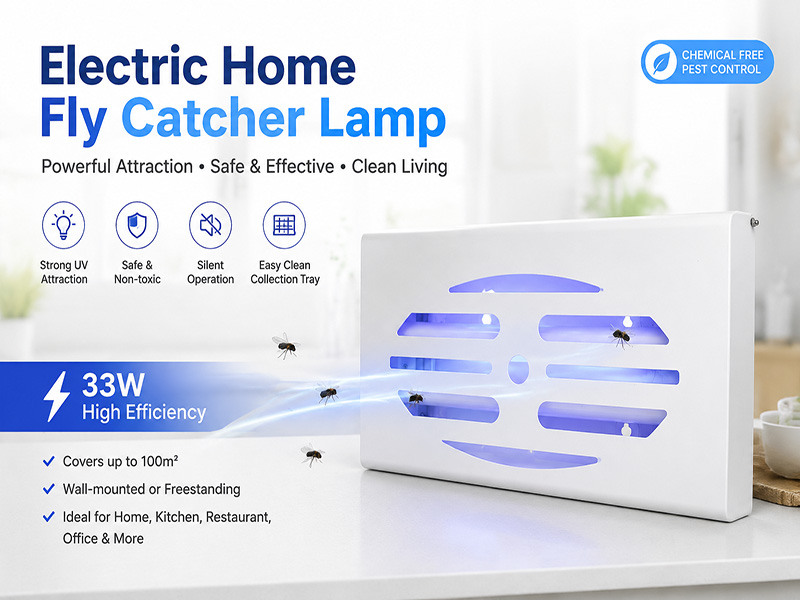
Food facilities across the United States operate under tighter regulatory oversight than ever. Pest control operators (PCOs) and sanitation managers deal with aggressive inspection routines where flying insect contamination brings immediate citations. Implementing an Electric Flying Insect Trap alongside non-toxic monitoring stations isn't just a best practice; it's your primary defense line.
Facilities often make the mistake of deploying random retail traps or spraying chemical knockdowns that violate sanitation protocols. That approach fails audits. You need an integrated, physical pest management protocol that stops filth flies, fruit flies, and drain flies at entry points and prep zones. Whether you operate a single high-volume restaurant or work as a regional distributor sourcing from a specialized atrapamoscas importador, having reliable hardware makes all the difference.
We've spent 18 years engineering physical pest control hardware for commercial facilities. We know what works on the floor when the Saturday evening dinner rush hits. Let's walk through the actual root causes of commercial fly pressure and how to systematically eradicate them using commercial-grade physical capture systems.
[ OUTDOOR / DUMPSTER ZONE ]
│
(High-Power Fly Bags / Baits)
▼
[ DOCK & SERVICE DOORS ]
│
(Air Curtains & High-Output ILTs)
▼
[ DRY STORAGE & DISH WASHING ]
│
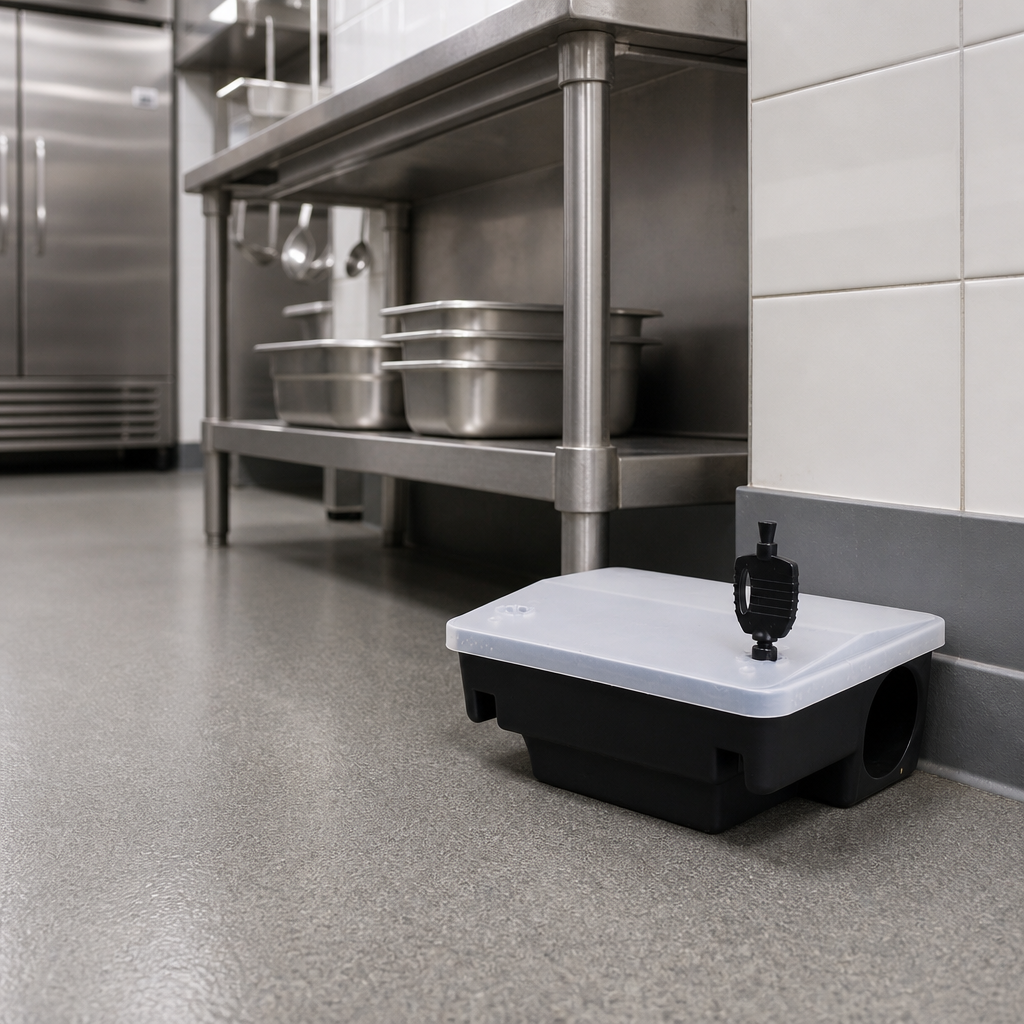
(Plastic Mouse Tunnel + Rodent Glue Trap Board)
▼
[ FOOD PREPARATION LINES ]
│
(Shatterproof Glue-Board Fly Traps)
▼
[ BAR & DRAIN AREAS ]
│
(ECO-Friendly Fruit Fly Trap Units)
Root Causes: Why Flying Pests Breach Commercial Defenses
Flies don't appear out of thin air. They follow air currents, organic decay odors, and thermal signatures straight through your delivery docks and customer entryways.
According to data tracked by NPMA and PCT Online, commercial kitchen fly incidents spike by over 45% during warm weather shifts. The combination of high ambient humidity, rapid grease accumulation in line drains, and constant delivery door cycles creates an ideal breeding ground. A female house fly (Musca domestica) deposits up to 500 eggs in decaying matter within a 4-day window. If your sanitation crew misses a single floor drain or trash compactor corner, you're looking at thousands of emerging adults within a week.
Three specific vulnerabilities compromise US food facilities:
Negative Air Pressure: When kitchen exhaust hoods run without balanced makeup air units, the building pulls outside air through every unsealed crack. Flies ride these intake drafts straight inside.
Organic Sludge Buildup: Small flies like Drosophila melanogaster and phorid flies exploit the micro-layer of sugar and yeast under bar taps, beverage stations, and floor tiles with damaged grout.
Improper Interception Lighting: Flying insects orient using natural light. If your interior fly lights are positioned incorrectly or compete directly with open windows, their attraction efficacy drops drastically.
Physical barriers and targeted capture devices form the core of modern Integrated Pest Management (IPM). With FDA FSMA 2026 standards demanding verifiable, non-chemical preventative controls, facilities are eliminating toxic aerosols near open food contact surfaces. Instead, they rely on physical traps that capture, hold, and allow technicians to count insect fragments during weekly verification logs.
Understanding the underlying attractant points lets you set up an interception grid that catches pests before they ever reach a prep table.
Step-by-Step Guide: How to Build a FSMA-Compliant Fly Control Barrier
Solving a commercial fly issue requires a systematic, multi-zone approach. Don't just throw up a single light and hope for the best. Follow these five practical steps to lock down your facility.
Step 1: Conduct a Threshold & Route Audit
Start at the exterior perimeter. Inspect dumpster enclosures, delivery bays, and grease recycling stations. Look for standing moisture and unsealed trash bins. Move indoors along the natural pathway of delivery carts. Map out high-risk zones: raw receiving, dry storage, cold storage airlocks, dishwashing stations, and front-of-house service bars. Check the floor drains with a flashlight. Is there gelatinous biofilm inside? That's your breeding site.
Step 2: Establish Exterior Interception (Zone 1)
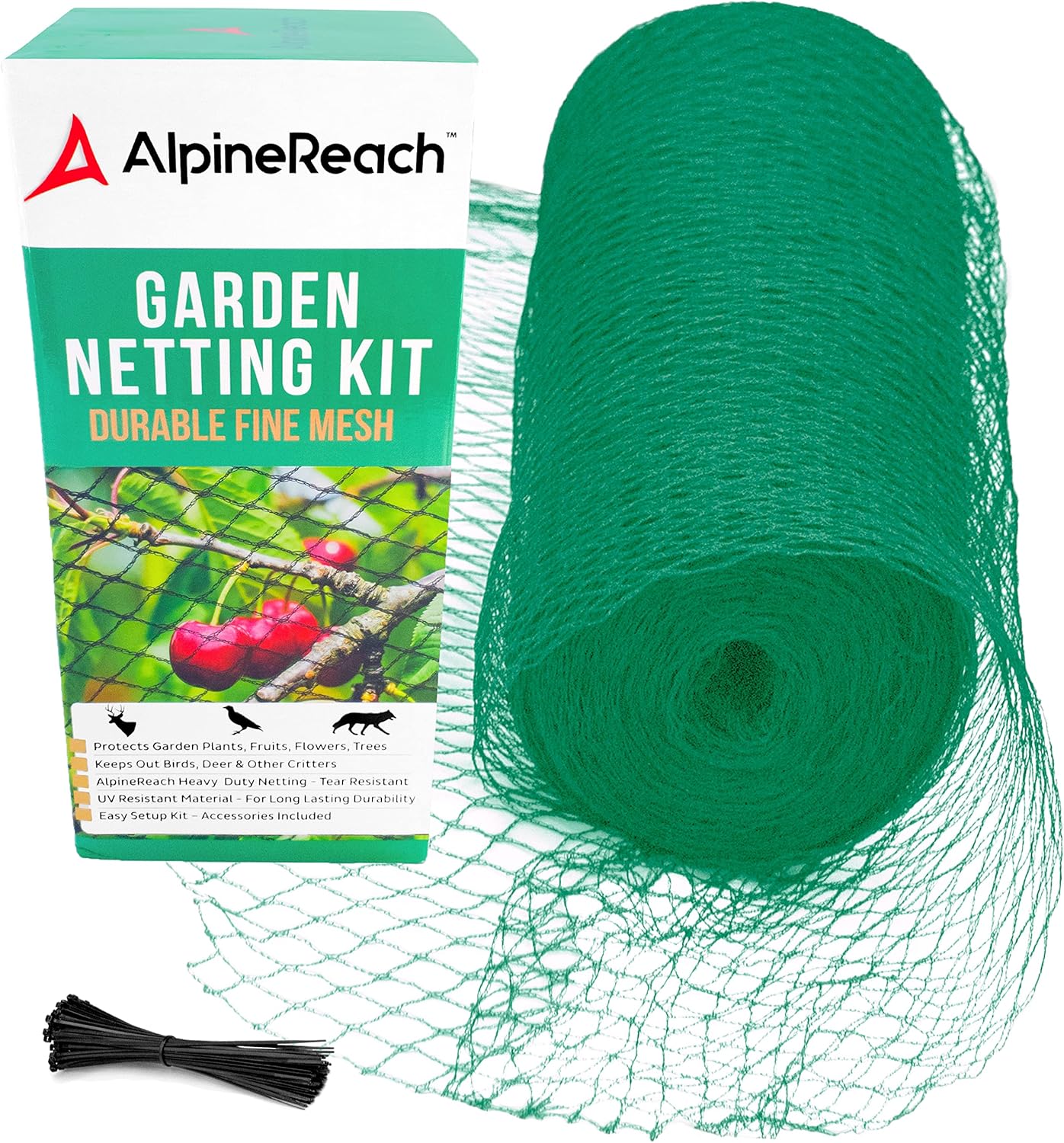
Trap flies before they hit your doors. Mount heavy-duty fly capture bags or outdoor liquid bait stations 20 to 30 feet away from exterior entryways. The goal is drawing active populations away from the building envelope, not toward it. If your facility has loading docks with pest birds roosting above the doors, install stainless steel bird spikes or an Anti Bird Net to keep droppings from attracting secondary fly infestations. You don't want bird droppings right outside your clean loading bays.
Step 3: Secure Delivery Entryways with High-Output Traps (Zone 2)
Your receiving dock is ground zero. Mount an industrial Electric Flying Insect Trap inside the door, positioned 90 degrees away from the direct line of sight to the outside. This prevents drawing outdoor insects inward.
Place the unit 3 to 5 feet above the floor—filth flies fly low.
Keep it running 24/7.
Ensure bulbs are shatterproof to comply with food safety glass-prohibition rules.
Step 4: Deploy Targeted Traps at Processing & Prep Lines (Zone 3)
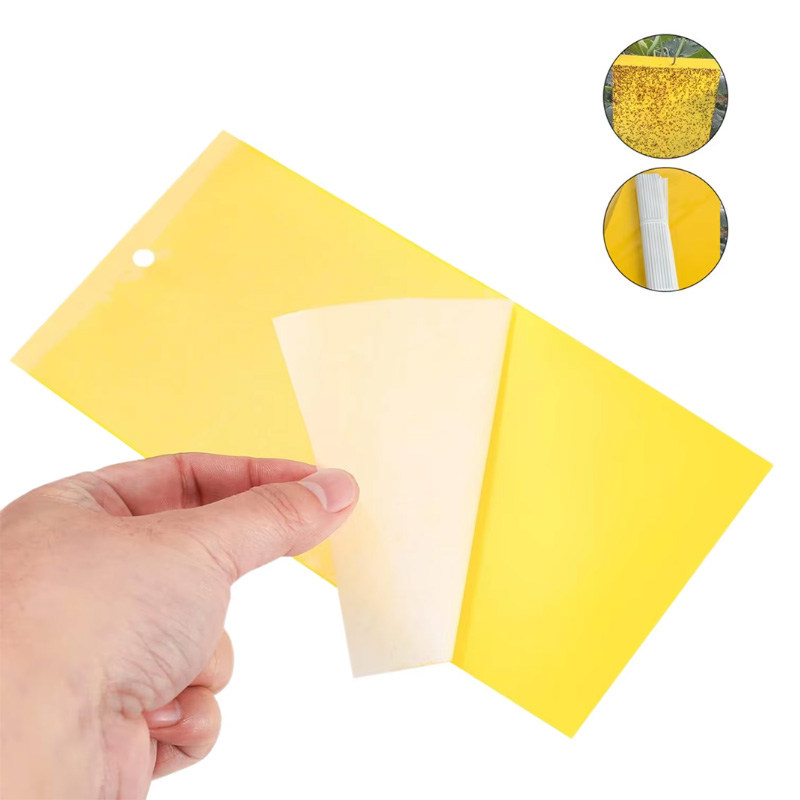
Inside food handling areas, high-voltage zappers are strictly prohibited because insect fragments can explode into the air and land on food. Instead, use discreet front-mounted glue board insect light traps (ILTs). The UV-A light draws the insect onto a high-tack adhesive board without fragmentation. For localized fruit fly activity near prep sinks, place an ECO-Friendly Fruit Fly Trap loaded with food-grade attractant directly under counters or near produce racks.
Step 5: Establish Drain Maintenance and Sticky Monitoring Routines
Clean every drain using an enzymatic bio-foam once a week. This digests the organic scum layer where drain flies breed. Replace the adhesive boards inside your insect light units every 30 to 45 days. Why? Dust coats the glue, and UV lamps lose their peak 365nm attraction spectrum after roughly 3,000 hours of continuous use—even if the bulb still looks bright blue to human eyes. Record your insect counts on the back of each board for audit logs.
[ STEP-BY-STEP IMPLEMENTATION TIMELINE ]
Day 1: Facility Mapping & Drain Deep Clean
Day 2: Exterior Interception (Fly Bags + Anti Bird Net at Bays)
Day 3: Mount Electric Flying Insect Trap units at Docks
Day 4: Install Glue-Board Units & ECO-Friendly Fruit Fly Trap arrays
Day 30+: Log Counts, Replace Glue Boards, Refresh Attractants
Once this system is active, your facility forms a continuous barrier that intercepts flying pests at every stage of entry.
Hardware Selection: Matching Trap Types to Critical Facility Zones
Not all insect traps perform the same role. A unit engineered for an open warehouse dock will fail or violate health codes if placed inside an intimate dining room or above a sushi prep counter.
Professional pest managers categorize trap hardware based on wavelength output, capture mechanism, and containment safety. For loading docks and waste management rooms, high-capacity UV-A grid units provide rapid knockdown power over large open spaces. However, in cleanrooms, packaging lines, and commercial kitchens certified under BRCGS or IFS, glue board units are mandatory.
Our factory manufactures insect control hardware using UV-stabilized polycarbonate housings and food-grade 304 stainless steel brackets. Whether you're working with a regional hardware distributor or an international atrapamoscas importador, verify that the equipment matches the specific requirements of each zone in your facility.
| Specification / Feature | Haierc / FliesTrap Standard | Industry Average Standard |
|---|---|---|
| UV Lamp Lifespan & Output | 9,000 hrs (Peak 368nm UVA, Shatterproof FEP coating) | 3,000–5,000 hrs (Standard glass, non-coated) |
| Housing Material | Fire-retardant ABS / Corrosion-resistant 304 Stainless | Recycled brittle plastic / Basic sheet metal |
| Capture Mechanism | High-tack UV-resistant glue board (No fragmentation) | Open electrocution grid (Blowout fragmentation risk) |
| Attractant Options | Non-toxic food-grade attractant + Pheromone matrix | Basic apple cider vinegar or chemical lure |
| Coverage Area Capacity | Protect Area Dia For Choice: 40m² to 180m² models | Fixed ~30m² rating with rapid light decay |
| Compliance Standards | CE, RoHS, REACH, EPA registered, FSMA 2026 ready | Basic electrical safety only |
When designing a comprehensive facility IPM program, technicians often bundle flying insect control with ground-level monitoring tools. In dry storage corridors, pairing your insect light traps with a tamper-resistant Plastic Mouse Tunnel and a heavy-duty Rodent Glue Trap Board ensures zero ground or aerial blind spots. Comprehensive physical protection is what auditors want to see when reviewing your facility pest logs.
Mistakes to Avoid & Pro Tips for Audit Readiness
Pest control technicians see the same preventable errors over and over. Avoiding these common traps saves money, reduces labor, and prevents embarrassing inspection write-ups.
Common Placement and Maintenance Mistakes:
Mounting ILTs Above Open Food Prep Surfaces: Never place an insect light directly over cutting boards, cooking vats, or packaging belts. Even with glue boards, a dislodged fly can fall directly into open food. Mount them at least 8 to 10 feet away from exposed product.
Ignoring Light Competition: Placing an Electric Flying Insect Trap directly facing an exterior glass window or under intense fluorescent warehouse fixtures ruins its drawing power. The trap must be the brightest UV source in its immediate radius.
Using High-Voltage Zappers in Sanitary Zones: Electrocution traps cause microscopic insect fragments to blow out up to 7 feet from the unit. In US food processing plants, this is an automatic audit non-conformance. Stick to glue boards in clean zones.
Neglecting Seasonal Spectrum Changes: Just because a lamp lights up blue doesn't mean it attracts insects. The UV phosphor coating degrades steadily. If you don't swap bulbs every spring before the seasonal peak, your catch rates plummet.
[ DO NOT DO THIS ] [ CORRECT PLACEMENT ]
┌─────────────────────────┐ ┌─────────────────────────┐
│ [Open Prep Table] │ │ [Open Prep Table] │
│ ▲ │ │ │
│ │ (Risk) │ │ 10+ Feet Buffer Zone │
│ [Fly Light Directly │ │ ◄─────────────────────► │
│ Overhead] │ │ [Fly Light on Side Wall]│
└─────────────────────────┘ └─────────────────────────┘
Pro Tips for FSMA & BRCGS Audits:
Date Every Glue Board: Write the installation date on the edge of the glue board with a permanent marker. Inspectors check this to verify routine servicing.
Keep an Insect Trending Log: Count and classify caught flies (filth vs. fruit vs. phorid). A sudden spike in phorid flies signals an under-slab pipe break, while a spike in house flies points to an air curtain failure at the receiving dock.
Clean Trap Catch Trays: Wipe down the chassis during every board change. Dead insect accumulation inside a trap frame attracts carpet beetles and secondary museum pests.
Pairing quality maintenance with proper trap positioning guarantees smooth health inspections every single quarter.
Integrated Multi-Pest Protection: Beyond Fly Management
A truly secure food facility manages multiple pest vectors simultaneously. While flying insect traps handle airborne contaminants, your structural exterior requires defensive hardware to stop rodents and birds from introducing parasites and secondary fly populations.
[Exterior Perimeter] -> Bird Spikes / Bird Netting / Rodent Bait Stations
│
[Building Entry] -> Electric Flying Insect Traps / One Way Door Traps
│
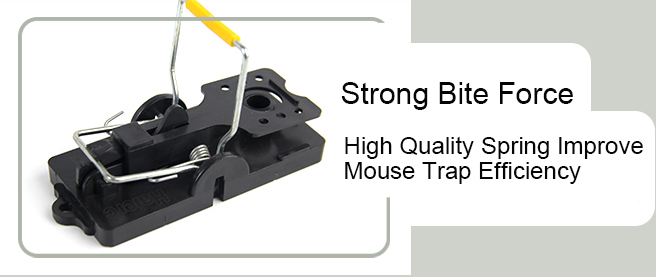
[Storage / Hallways] -> Plastic Mouse Tunnels / Wooded Mouse Snap Traps
│
[Kitchen / Service] -> Glue-Board Fly Traps / ECO-Friendly Fruit Fly Traps
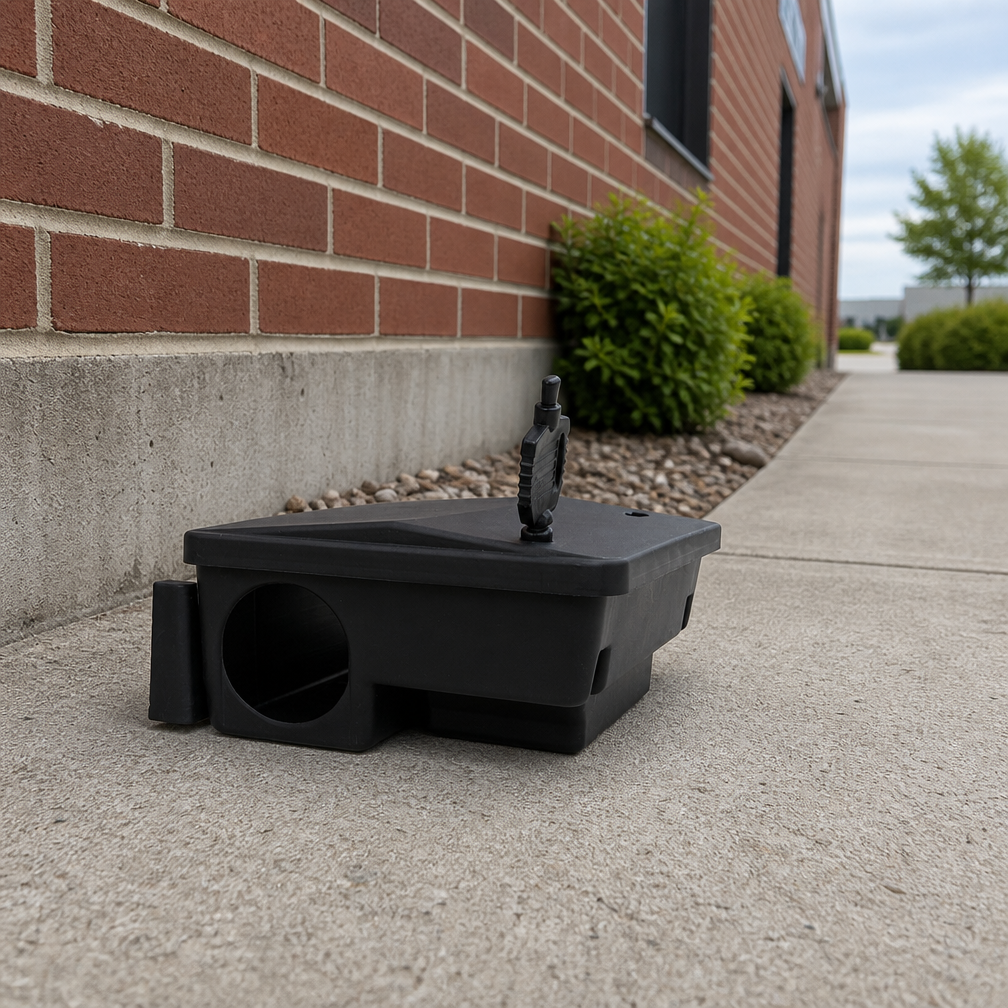
At the loading dock eaves, installing a Pigeon Outdoor Deterrent Device or durable Plastic Bird Net prevents nesting above open trailers. For exterior fence lines, commercial pest programs deploy a Large Rodent Bait Station with Key alongside stainless Bird Shock Tracker systems on roof parapets.
Inside distribution warehouses, technicians place the classic Wooded Mouse Snap Trap or a mechanical One Way Door Trap inside perimeter raceways. You can even source high-volume spikes at a bird spike cheap price or connect with a dedicated bird spike distributor Germany for heavy-duty Polycarbonate spikes and Reflective Double-Sided Bird Reflectors. Building an interconnected hardware network ensures that when flies, birds, or rodents test your facility, they hit a solid wall of physical defenses.
Frequently Asked Questions
Q: What is the optimal mounting height for commercial kitchen fly traps?
A: For common filth flies and house flies, mount glue board fly traps between 3 to 5 feet (0.9 to 1.5 meters) above floor level. Filth flies typically search for food sources close to the ground. For fruit flies and drain flies around bar areas, install an ECO-Friendly Fruit Fly Trap at counter height or slightly below prep sinks where fermentation odors concentrate.
Q: How often do UV insect light trap bulbs need replacement?
A: UV-A bulbs should be replaced every 10 to 12 months, ideally at the start of spring. While the human eye still perceives blue illumination after a year, the critical 365–368nm ultraviolet light output degrades by up to 50% after 3,000 to 5,000 hours of continuous use, drastically reducing insect attraction rates.
Q: Why are high-voltage zapping traps banned in food prep areas?
A: High-voltage electric insect killers cause electrocuted insect bodies to explode, scattering microscopic body parts, bacteria, and pathogens up to 7 feet from the unit. Food safety standards like FSMA, BRCGS, and HACCP require silent, adhesive-based glue board fly units near food preparation, handling, and packaging stations.
Q: What attractant works best inside an ECO-Friendly Fruit Fly Trap?
A: Non-toxic liquid mixtures containing fermented apple cider vinegar, natural fruit esters, and food-grade ethanol work best. Adding a single drop of surfactant or dish soap breaks the surface tension, causing attracted fruit flies to sink and drown immediately upon contact without using harmful synthetic chemicals.
Q: How do I choose the right coverage area for our warehouse fly traps?
A: Select models featuring our Protect Area Dia For Choice specifications based on clear room dimensions. Standard kitchens require 40m² to 80m² coverage per unit, while large loading docks, food processing floors, and beverage packaging plants require industrial units rated for 120m² to 180m² unobstructed line of sight.
Summary & Technical Support
Controlling flies in commercial kitchens isn't about luck. It's about establishing clear physical interception zones, maintaining regular drain sanitation, and selecting high-performance trapping hardware that complies with modern safety standards.
When you replace outdated zappers with high-tack glue board units and deploy targeted fruit fly monitoring arrays, you eliminate the contamination vector entirely. Your staff stays focused on food production, and your facility stays fully audit-ready 365 days a year.
We've supported pest control operators, food processing plants, and commercial distributors worldwide for 18 years from our ISO9001-certified manufacturing facility. Our physical fly management products—including high-output electric fly traps, eco-friendly monitoring units, and custom-branded glue boards—are engineered for rigorous daily field performance.
Looking to upgrade your facility hardware or evaluate sample units for your pest control route? Reach out to our technical team at sales@fliestrap.com or explore our complete commercial catalog at FliesTrap to request full technical spec sheets and trial units today.
- Share this:

-



Category
Trending Now