




 Bird & Pigeon Pest Control
 MOUSE & RAT Pest Control
 Fly Pest Control
 Cockroach Pest Control
 Mosquito Pest Control
 Mole Pest Control
 Wasp Pest Control
 Moth Pest Control
 Bed Bug & Flea Pest Control
 Ant & Termites Pest Control
 Spider Pest Control
 Other Insect Pest Control
 Snake Pest Control
 Snail & Slug Pest Control
 Wildlife Pest Control
 Garden Products
 Virus Control
 Smart AI Trap
 Insecticides


Industry News
How to Trap Intrusive Wildlife Using a Single Door Wildlife Animal Trap Cage
 By
2026-09-08
read
By
2026-09-08
read

.jpg)
Introduction — Scenario Pain Point
Wildlife intrusions cause immediate chaos in commercial food storage, agricultural plants, and logistics hubs. When a raccoon, stone marten, or feral cat slips past your loading bay curtains, production stops cold. You can't spray chemicals. European Union biocidal regulations and strict animal welfare directives forbid toxic baits for non-target mammals.
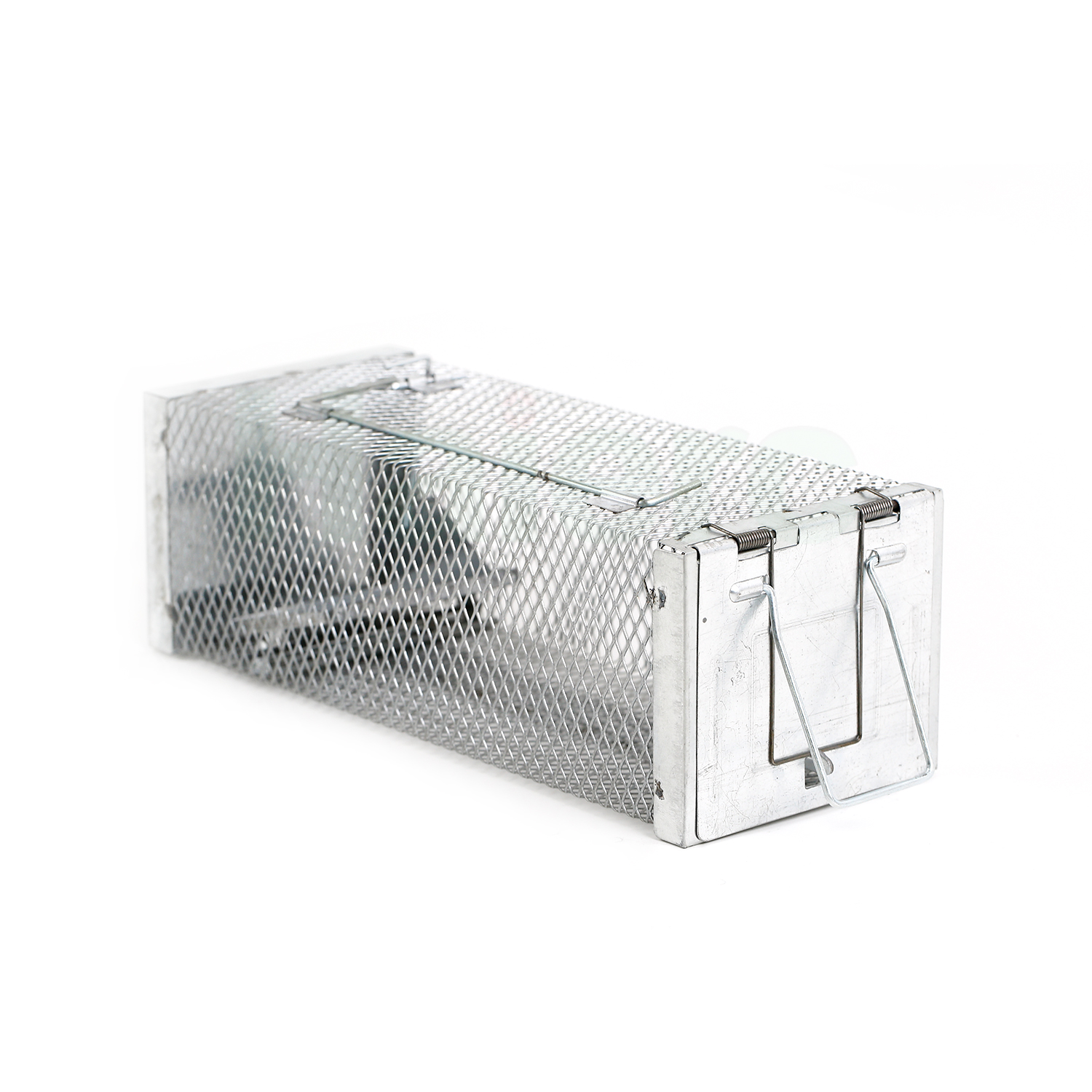
A heavy-duty Single Door Wildlife Animal Trap Cage provides an immediate, non-lethal solution that keeps your facility compliant with IFS and BRCGS food safety standards. It catches the animal without injury. Then you relocate it according to regional conservation laws.
Trapping wary animals isn't just about dropping a metal box on the concrete and walking away. Wild animals possess keen senses. They avoid unfamiliar metallic objects unless you prepare the site properly. We've seen hundreds of field technicians fail simply because they placed the trap in direct drafts or forgot to mask human scent. This practical guide covers the exact operational steps to bait, trigger, and inspect single-door live capture cages in industrial environments.
[ ENTRY DOOR ] ---- (Trigger Wire / Overhead Rod) ---- [ TRIP PLATE ]
| |
(Animal Enters) ----------------------------------------> (Steps on Pan)
| |
[ Spring Locks Door Shut ] <-------------------------- [ Mechanism Releases ]
Root Cause: Why Wildlife Invades EU Facilities and Loading Docks
Why do wild mammals risk entering busy distribution centers? The answer comes down to three operational triggers: thermal plumes, feed residue, and structural voids.
During autumn and winter across Germany, France, and Poland, exterior temperatures plummet. Warehouses emit steady thermal drafts from automated roll-up doors and HVAC exhausts. Small mammals follow these heat gradients directly into pallet storage aisles. Outdoor waste compactors and unsealed grain hoppers provide an easy calorie source. PCT Online studies show that suburban sprawl has forced omnivores to adapt rapidly to commercial logistics parks.
Exterior Cold (Autumn/Winter)
│
▼
[HVAC Drafts & Roll-Up Doors] ──> Draws Urban Wildlife (Foxes, Martens, Raccoons)
│
▼
[Unsealed Food / Waste Piles] ──> Establishes Feeding Routine Inside Facility
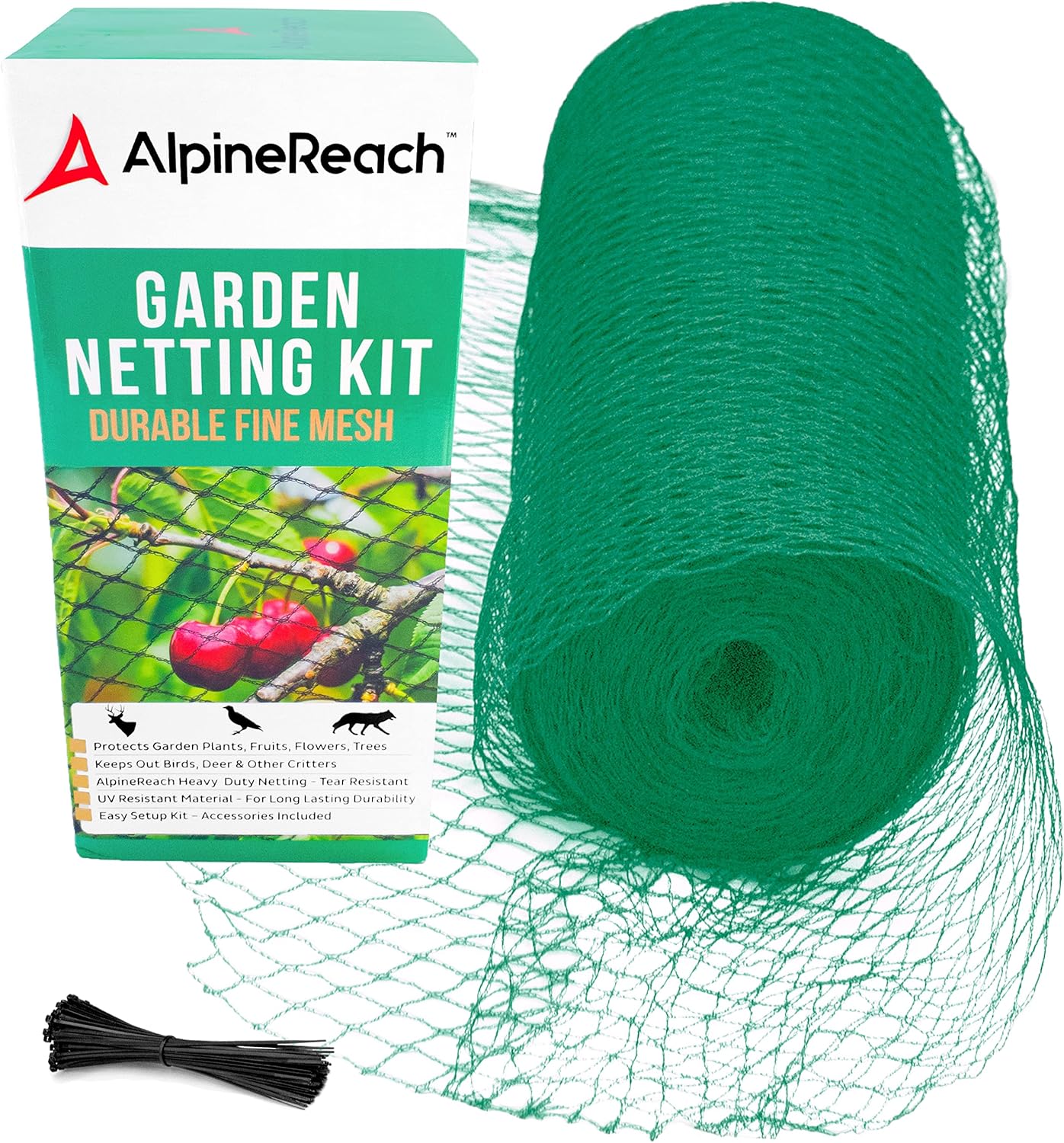
According to CEPA (Confederation of European Pest Management Associations), physical exclusion and non-chemical capture are the mandatory first line of defense under modern IPM frameworks. When birds nest in the roof rafters, operators often source a Catching Bird Net or install Bird Spikes for Sale to clear overhead beams. But ground-level pests require physical containment. If a marten chews through electrical wiring inside a forklift charging bay, the downtime costs thousands of euros per hour. Catching that animal quickly without violating the EU Habitats Directive requires a mechanical capture protocol that works on the first night.
Step-by-Step Guide: Deploying a Single Door Wildlife Animal Trap Cage
Successful trapping requires methodical execution. Follow these five operational steps to maximize your catch rate while maintaining high animal welfare standards.
+-------------------------------------------------------------------------+
| STEP 1: Scout Activity Routes (Inspect runs, rub marks, entry gaps) |
+-------------------------------------------------------------------------+
│
▼
+-------------------------------------------------------------------------+
| STEP 2: Position and Stabilize (Flush against walls, cover mesh floor) |
+-------------------------------------------------------------------------+
│
▼
+-------------------------------------------------------------------------+
| STEP 3: Pre-Bait the Mechanism (Keep door open 48h to build trust) |
+-------------------------------------------------------------------------+
│
▼
+-------------------------------------------------------------------------+
| STEP 4: Arm the Trigger Mechanism (Set pan sensitivity precisely) |
+-------------------------------------------------------------------------+
│
▼
+-------------------------------------------------------------------------+
| STEP 5: Routine Inspection & Relocation (Check every 8 to 12 hours) |
+-------------------------------------------------------------------------+
Step 1: Perimeter Scouting and Run Identification
Don't guess where the animal walks. Inspect the perimeter walls for grease marks, scat, disrupted insulation, and tracks in dust layers. Most wildlife species are thigmotactic; they travel tightly along structural walls rather than crossing open warehouse floors. Identify the specific pinch point between pallet racks or behind waste containers where travel signs are freshest.
Step 2: Cage Positioning and Camouflage
Place your Single Door Wildlife Animal Trap Cage directly parallel to the wall, with the single open entrance facing the direction of incoming tracks.
Ensure the cage sits completely flat on the floor. If it wobbles when an animal steps onto the threshold, the animal will dart backwards instantly.
Line the interior wire floor with cardboard, burlap, or surrounding dirt. Animals hate walking on bare, cold galvanized wire mesh.
Wear clean nitrile gloves during handling. Human skin oils alert wary predators immediately.
Step 3: Pre-Baiting Strategy
Here is a field secret many technicians skip: don't arm the trap on night one. Tie the single gravity door open with zip-ties for 48 hours. Place small amounts of bait at the cage entrance, just inside the mouth, and behind the trip plate. Let the target animal walk in, eat, and leave safely. Once the animal considers the metal tunnel a safe feeding station, cut the zip-tie and set the trigger.
[ FRONT ENTRANCE ] [ INSIDE MESH ] [ BEHIND TRIP PLATE ]
Small Bait Trail --> Leading Smear --> Target Feeding Pile
(Builds Confidence) (Draws Animal Inside) (Forces Weight on Trigger Pan)
Step 4: Setting the Trigger Mechanism
Set the trigger rod onto the door catch with minimal engagement for lightweight pests like martens, or deeper engagement for heavy raccoons. The bait must sit behind the trip pan, never directly on it. This geometry forces the animal to step firmly onto the footplate with its full body weight while reaching for the food. If you put food on the plate itself, clever animals often flick it off without tripping the spring door.
Step 5: Mandatory Inspection Intervals
Check live traps at least every 12 hours. In extreme hot or cold warehouse sectors, check them every 8 hours. Leaving a live mammal trapped without water causes severe stress and violates European animal welfare mandates. When transporting the captured animal for release, drape a dark canvas sheet over the cage. Darkness calms wild animals instantly and prevents self-inflicted injuries against the wire mesh.
Selecting the Right Physical Trapping & Exclusion Hardware
Commercial facilities need durable physical monitoring and trapping hardware that resists corrosion, animal bites, and washdown chemicals. Lightweight retail traps buckle when a 10 kg badger thrashes inside.
A professional Single Door Wildlife Animal Trap Cage built with heavy-gauge galvanized steel ensures the animal stays secured without escaping. The integrated handle guard plate shields the technician's fingers from bites during transport.
[ Solid Sheet Metal Hand Guard ]
┌──────┐
======================│ Handle │======================
│ └──────┘ │
│ Heavy-Gauge Galvanized Wire Mesh Framework │
│ (Resists biting, chewing, and high-impact kicking)│
│ │
[ Spring-Loaded Single Door ] ──────────────> [ Protected Rear Base ]
When building a full IPM physical perimeter, animal traps represent only one component. Facilities facing multi-pest pressures often combine ground cages with overhead bird exclusion and rodent monitoring stations. Technicians frequently integrate deterrents like Pigeon Defender Spikes on roof beams or Reflective Pinwheels Scare Birds Away near open loading dock bays. In lower-clearance areas, hanging a Reflective Eye Bird Scare provides added deterrence against nesting birds.
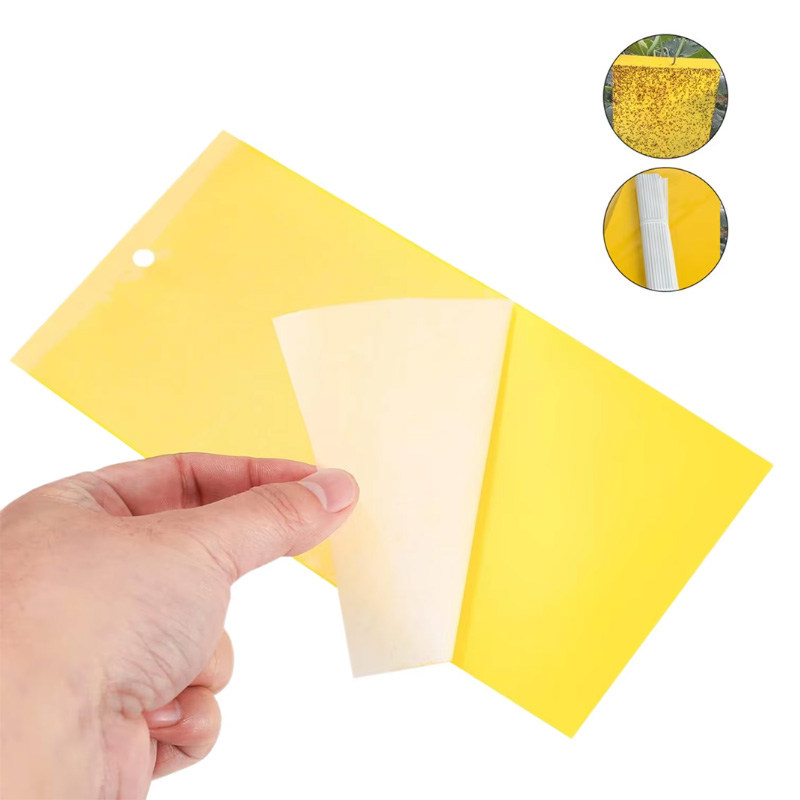
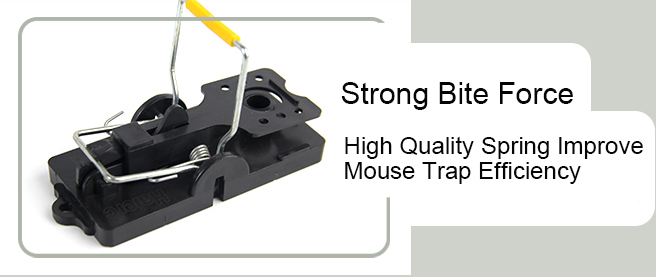
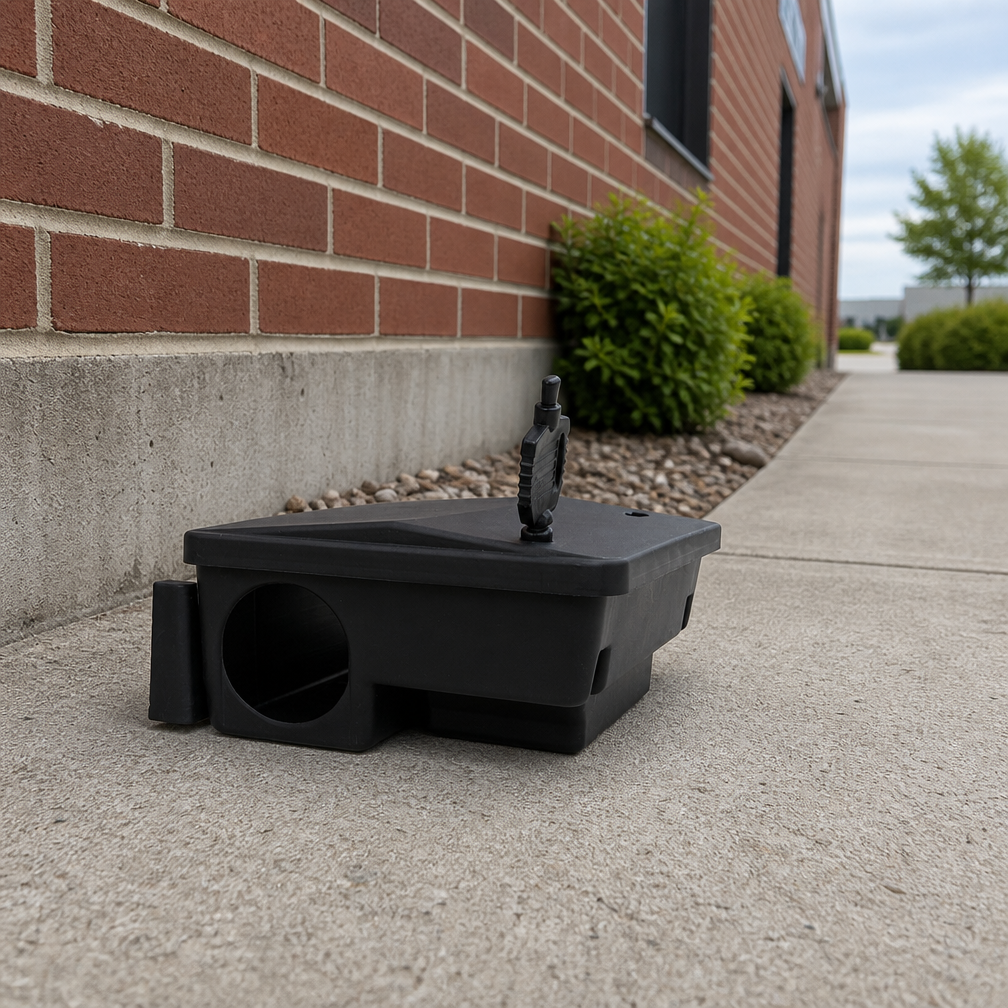
Inside the warehouse, keep high-risk zones monitored with a tamper-resistant Mouse Poison Holder along external foundations, paired with a mechanical Mouse Snap Trap or a clean Non-Toxical fly Glue Trap along interior perimeter walls. For cross-border procurement managers sourcing in southern Europe, pairing these setups with a regional malla antipájaros mayorista or trampa roedores mayorista strategy ensures all entry points remain protected under unified audit documentation.
| Specification | MouseTrap Professional Standard | Industry Average Standard |
|---|---|---|
| Wire Mesh Material | 2.5 mm – 3.0 mm High-Tensile Galvanized Steel | 1.5 mm – 1.8 mm Low-Carbon Wire |
| Surface Finish | Hot-Dip Galvanized / Powder Coated (Rust Resistant) | Basic Electro-Galvanized (Prone to Rust) |
| Trigger Mechanism | High-Sensitivity Gravity Trip Plate + Safety Lock | Direct Wire Hook (Prone to False Triggers) |
| Safety Features | Solid Steel Hand-Guard Plate on Handle | Exposed Wire Handle (Bite Risk) |
| Door Action | Reinforced Spring-Loaded Single Door with Lock Ring | Gravity Drop Door without Anti-Backout Lock |
| Compliance Suitability | CE, REACH, IFS, and BRCGS Non-Toxic IPM Programs | Inconsistent structural integrity for audits |
FliesTrap products are engineered in our certified factory to withstand harsh industrial cleaning cycles and continuous field use. You get consistent mechanical tolerances that trip smoothly under proper target weights.
Mistakes to Avoid & Pro Tips
Field trapping looks straightforward until you encounter an empty, sprung trap or a trap that sat untouched for two weeks. Avoid these common operational errors:
Using the wrong bait profile: Carnivores like martens and feral cats respond to fish oil, canned sardines, and meat scraps. Herbivores and rodents prefer peanut butter, oats, or fresh fruit. Don't use dry dog kibble if local rodents have already contaminated it with competing smells.
Forgetting to anchor the cage: A large animal can roll an unanchored cage from the outside to spill the bait. Stake the cage base into soil or secure it to pallet racking with heavy-duty bungee cords.
Leaving human scent behind: Always wash traps with unscented, hot water between catches. Never spray chemical disinfectants directly onto the trap before setting it out, because the harsh chemical odor repels wild mammals immediately.
Neglecting the door clearance: Ensure the single drop door has full clearance to swing shut. If a stray piece of pallet wood, loose gravel, or plastic wrapping blocks the door path by even 2 centimeters, the locking ring won't engage. The animal will simply push its way out.
Ignoring localized wildlife protection laws: In the EU, certain marten species and wild mammals have seasonal closed hunting/trapping seasons. Always confirm local release guidelines with regional forestry or environmental agencies before moving animals off-site.
Frequently Asked Questions
Q: What is the primary advantage of a single door trap cage over a double door design?
A: A Single Door Wildlife Animal Trap Cage allows you to place the bait far behind the trigger pan at the very back of the closed end. This forces the target animal to fully step onto the trip plate with its entire body weight to reach the food, dramatically reducing false triggers compared to open-ended designs.
Q: How do you eliminate human scent from a new metal wildlife trap?
A: Wash the entire cage with hot water and unscented soap, rinse thoroughly, and let it dry completely outdoors. Before setting it in the facility, rub the interior wire with local leaf litter, dry soil, or warehouse dust while wearing clean nitrile gloves to neutralize any residual manufacturing or handling odors.
Q: Can this animal trap cage withstand aggressive, biting pests like badgers or raccoons?
A: Yes. Professional cages from FliesTrap utilize heavy 2.5 mm to 3.0 mm high-tensile galvanized steel mesh. The welded joints and reinforced door locking rings prevent strong animals from bending the wire mesh or forcing the single entry door open from the inside.
Q: Is it necessary to camouflage the metal mesh floor inside industrial buildings?
A: Yes. Wild animals are sensitive to tactile changes under their paws. Covering the cold, metallic wire floor with cardboard, fine dirt, or flat wooden slats encourages the animal to step forward without hesitation, increasing your trap catch rate significantly.
Q: How often must live wildlife traps be checked according to European standards?
A: Live capture cages should be inspected every 8 to 12 hours at minimum. Routine checks prevent captive animal exhaustion, dehydration, and hypothermia, keeping your facility fully compliant with CEPA guidelines and national animal welfare regulations.
Conclusion & Soft CTA
Managing unwanted wildlife requires patience, strict hygiene protocols, and dependable hardware. By mapping travel paths, pre-baiting effectively, and positioning a sturdy Single Door Wildlife Animal Trap Cage along quiet facility runs, you can resolve animal intrusions quickly without resorting to hazardous chemical treatments.
FliesTrap brings over 18 years of specialized factory manufacturing experience to the pest control market. We supply professional-grade physical traps, rodent stations, and pest exclusion products to distributors and service companies worldwide.
If your team needs durable, audit-ready physical pest hardware with reliable lead times and custom OEM packaging, contact our technical sales team at sales@fliestrap.com or visit https://www.fliestrap.com to request product technical sheets and evaluation samples.
- Share this:

-



Category
Trending Now