




 Bird & Pigeon Pest Control
 MOUSE & RAT Pest Control
 Fly Pest Control
 Cockroach Pest Control
 Mosquito Pest Control
 Mole Pest Control
 Wasp Pest Control
 Moth Pest Control
 Bed Bug & Flea Pest Control
 Ant & Termites Pest Control
 Spider Pest Control
 Other Insect Pest Control
 Snake Pest Control
 Snail & Slug Pest Control
 Wildlife Pest Control
 Garden Products
 Virus Control
 Smart AI Trap
 Insecticides


What Attracts Mosquitos and Wasps to Commercial Facilities
Pests follow basic biological drivers. They want moisture, sugar, protein, and shelter.
Mosquitoes breed in microscopic puddles. Think about HVAC condensation pans on your flat roof, uncleaned drain channels behind the bar, or over-irrigated landscaping mulch. Female Culex and Aedes mosquitoes need standing water for only 72 hours to complete a breeding cycle. Once adults emerge, they hunt via carbon dioxide plumes and thermal heat signatures emitted by your staff and patrons.
Wasps operate on a distinct seasonal shift. In late spring and early summer, workers search for high-protein food sources to feed developing larvae in the nest. They swarm outdoor trash cans containing discarded meat scraps and grease. Come August and September, the colony queen stops laying eggs. Suddenly, millions of worker wasps switch their diet entirely to simple carbohydrates and fermented sugars. They swarm soda fountains, beer taps, cocktail garnishes, and outdoor fruit storage bins.
Is your facility accidentally rolling out the red carpet for them? Usually, yes. Open dumpsters without tight-fitting lids act as massive pest beacons. Grease traps left unsealed provide endless nourishment. Bright unshielded mercury vapor lights over loading bays draw nocturnal insects from hundreds of yards away. When flying pests gather near exterior entry points, every opening of an automatic door pulls dozens of insects directly into your interior staging zones.
Understanding these harborages lets you set up an interception grid that catches pests out at the property line.
How to Set Up an Outdoor Flying Pest Interception Grid
Physical pest control isn't about setting one unit in a corner and hoping for miracles. It requires a tiered perimeter defense. You have to trap insects at the boundary, zap them at entry transitions, and clear stragglers within the active customer or worker zone.
[ Outer Boundary: 30-40 ft ] --> Bee Trap Bottle Line (Sugary/Protein Lures)
│
[ Mid-Transition: 10-20 ft ] --> Electrical Mosquito Killer Zapper (UV Attraction)
│
[ Active Occupied Zone ] --> Rechargeable Mosquito Trap (CO2 / Thermal Grid)
Follow this 5-step deployment protocol to establish an airtight physical barrier.
Step 1: Map Airflow Vectors and Micro-Harborages
Inspect your exterior zones at dusk. Walk the entire property line. Identify prevailing wind patterns; mosquitoes fly upwind along CO2 trails to reach hosts.
Pinpoint standing water reservoirs within 100 feet of dining or staging patios. Look at plant saucer trays, gutter elbows, and landscape drainage basins. For wasps, inspect building eaves, hollow metal fence posts, and underside railings for paper nest starters.
Step 2: Establish the Outer Perimeter Wasp Intercept Line
Hang your passive traps along the property border, exactly 20 to 30 feet away from human seating areas.
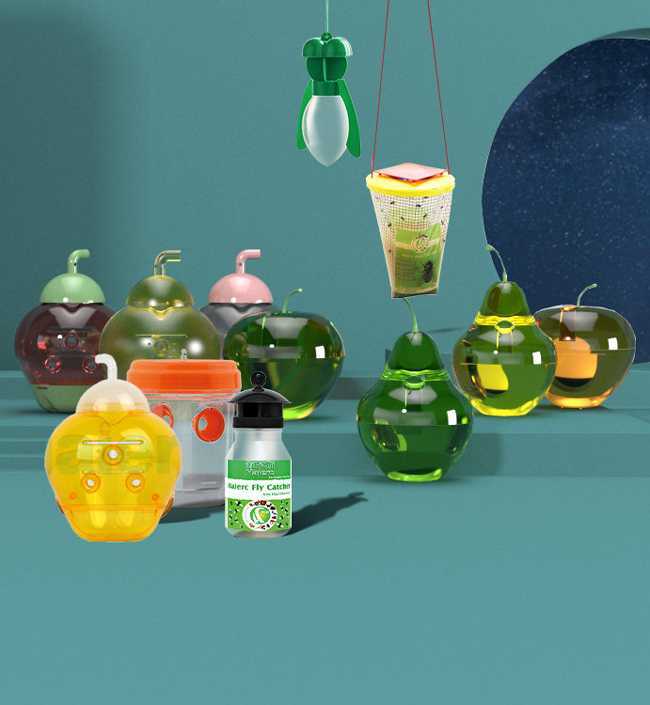
Using a specialized Bee Trap Bottle loaded with species-specific liquid bait intercepts foraging scouts before they locate your dining tables. Place traps 4 to 5 feet above the ground in semi-shaded tree branches or fence perimeters.
Early Season Bait: Mix water, sugar, and protein scrap (cat food or tuna broth) to catch early queens.
Late Season Bait: Use sweet apple juice, beer, or specialized pheromone attractants to trap scavenging workers.
Clean and rebait these bottles every 14 days. If the liquid fills with dead yellowjackets, empty it immediately. Decomposing wasps emit alarm pheromones that can deter new pests from entering the trap.
Step 3: Mount Transition-Zone UV Electrocutors
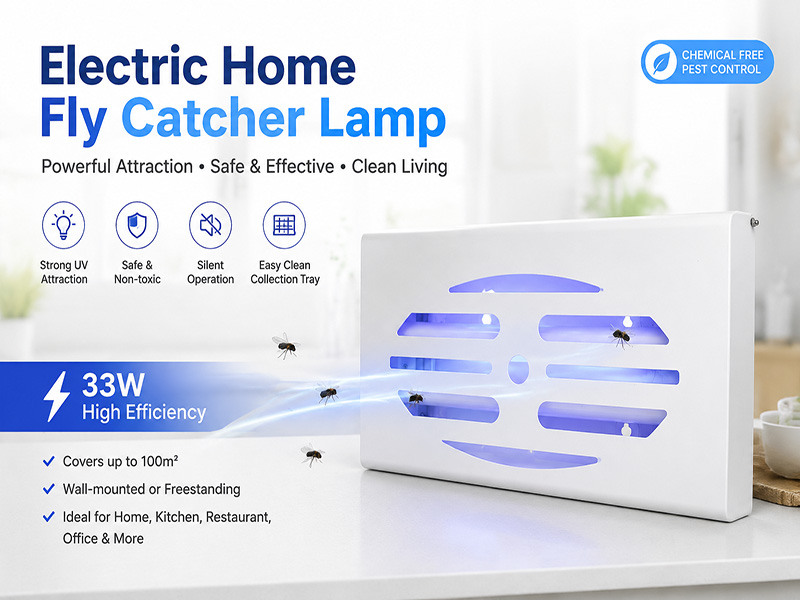
Position an Electrical mosquito killer zapper near exterior service doorways, kitchen delivery corridors, and dumpster pads.
Mount the unit 6 to 8 feet high on exterior walls. Never place an open-grid zapper directly over an outdoor dining table or food prep surface. Electrical arcs can cause insect fragmentation, throwing microscopic debris up to 7 feet. Keep the zapper angled so the UV light is visible to incoming pests from the yard, but shielded from direct line-of-sight of dining customers.
Inspect the collection tray every 7 days. Dump the insect debris and brush down the high-voltage grid with an insulated non-conductive brush.
Step 4: Position Low-Level Mobile Traps in Occupied Areas
For spot-clearing patio corners, cabanas, and outdoor host stands, use a rechargeable mosquito trap.
Mosquitoes naturally fly low to the ground, usually under 3 feet, hunting for ankles and lower legs. Position mobile rechargeable traps underneath bench seating or tucked inside decorative planters. Cordless units eliminate dangerous tripping hazards across busy walkways. You can run them on internal lithium batteries during the 4 to 6 hour peak evening rush without running extension cords across guest areas.
Select units featuring 365nm UV LEDs combined with non-toxic attractant lures (like octenol or lactic acid packs) to simulate human skin scent markers.
Step 5: Implement Integrated Pest Verification and Maintenance
Check your physical monitoring hardware weekly. Track catch counts on an inspection log sheet.
If you notice a sudden spike in wasp counts inside a specific Bee Trap Bottle, trace 50 feet back into the landscaping to locate the hidden subterranean or aerial nest. Clean the UV lamps with a micro-fiber cloth monthly. Dust and grease coat light bulbs, cutting effective UV-A transmission by up to 40% over 90 days. Replace UV bulbs every 12 months, even if they still appear to light up, because the bug-attracting phosphor wavelength degrades over time.
Commercial Hardware Comparison for Facility Managers
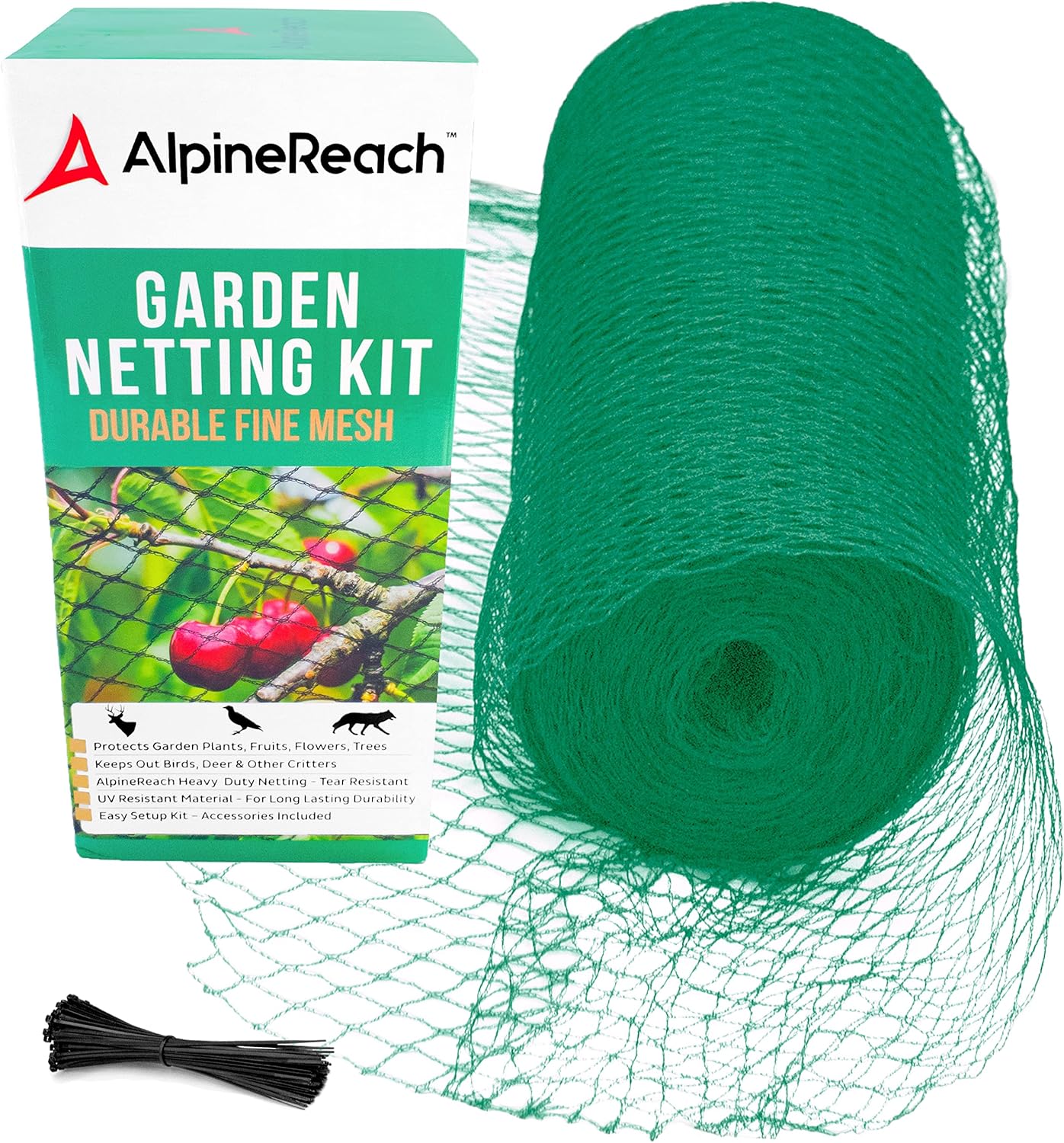
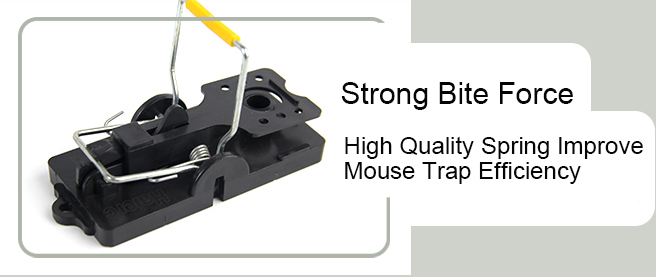
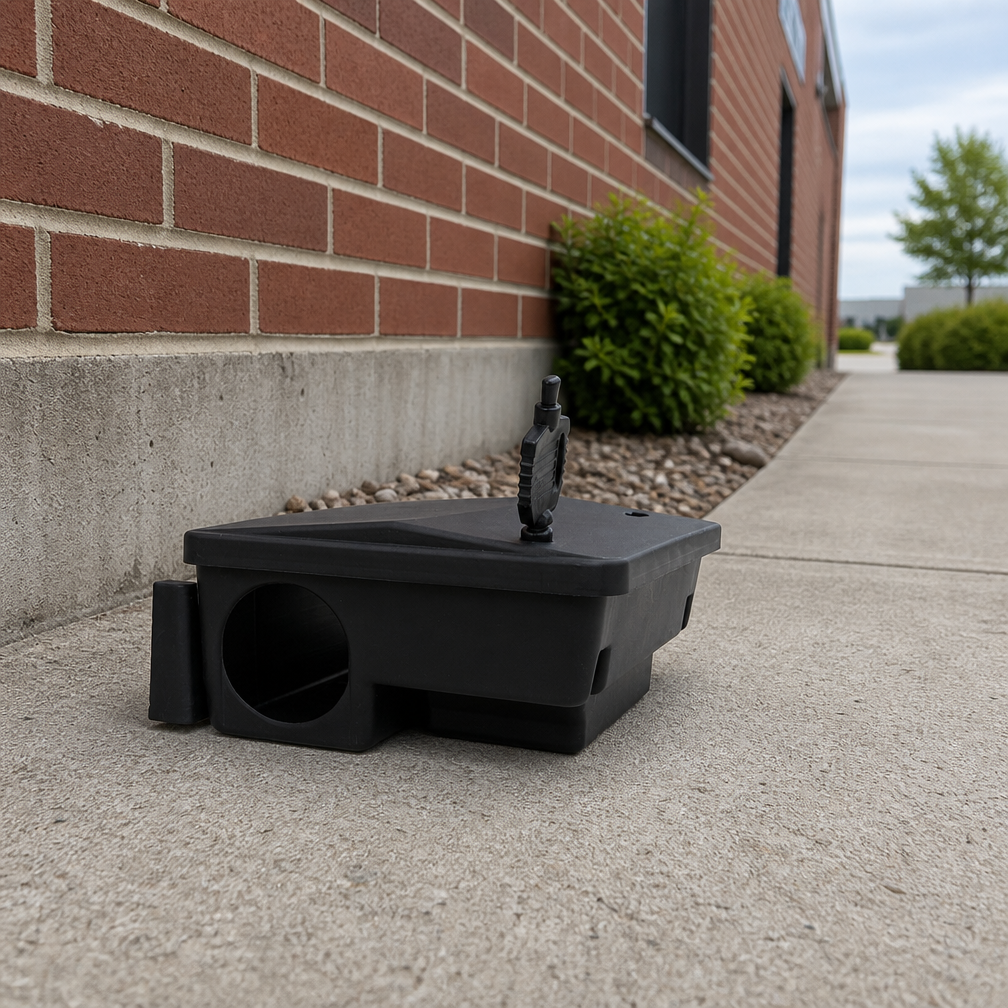
Choosing the right equipment depends on the specific zone, power availability, and safety requirements. Facilities often balance physical fly and mosquito traps alongside broader exterior solutions like a Multi Catch Rodent Trap or a Reflective Bird Deterrent to maintain audit-ready exteriors.
The table below outlines mechanical and operational parameters for professional-grade flying insect traps:
| Hardware Specification | Haierc / FliesTrap Standard | Commercial Industry Average |
|---|---|---|
| Housing Material & Durability | UV-stabilized Polycarbonate & 304 SS components | Standard ABS plastic (prone to UV cracking) |
| Grid Voltage Output | 2,500V – 4,000V high-efficiency continuous transformer | 1,500V – 2,000V intermittent capacitor grid |
| Power & Portability Options | Cordless Li-ion (rechargeable mosquito trap) + AC Mains | AC corded only (limits patio placement) |
| Coverage Area Parameter | Protect Area Dia For Choice (50m² to 200m² scalable) | Fixed footprint (often under 30m²) |
| Lure Compatibility | Universal bait bay (octenol, yeast CO2, liquid baits) | Proprietary cartridges only |
| Waterproof / Outdoor Rating | IPX4 to IPX6 all-weather industrial rating | IPX2 indoor / damp location only |
| Regulatory Approvals | CE, RoHS, REACH physical monitoring compliant | Basic CE marking without chemical compliance |
When designing a comprehensive facility IPM program, technicians often look across multiple pest vectors. Sourcing reliable bird deterrent hardware or looking for bird repellent solutions wholesale Canada vendors trust involves checking the exact same UV-resistance metrics you check on insect traps. The same applies when sourcing from a red anti-aves distribuidor for structural netting. Build quality matters across all physical pest gear.
4 Costly Mistakes That Ruin Flying Insect Control
Even high-end traps fail if used incorrectly. Over our 18 years in physical pest management manufacturing, we've seen operators make the same four mistakes repeatedly.
WRONG PLACEMENT RIGHT PLACEMENT
+--------------------------+ +--------------------------+
| [Zapper] | | [Zapper] |
| │ (Directly Above) | | │ |
| ▼ | | ▼ |
| [Dining / Staging Area] | | [Dining Area] [Buffer] |
| Bug fragments fall on | | Traps intercept pests |
| food and tables! | | 20 ft away from food |
+--------------------------+ +--------------------------+
1. Placing Traps Directly Over Dining or Preparation Tables
This is the most common disaster. Hanging an Electrical mosquito killer zapper directly above an outdoor bar or prep table lures insects straight toward your guests. Furthermore, when the grid fires, exploding insect fragments contaminate uncovered plates and beverages.
The Fix: Always install zappers 12 to 20 feet away from open food zones to draw pests away from people.
2. Neglecting Trap Servicing Schedules
Traps fill up. When a Bee Trap Bottle is packed with dead wasps, incoming pests simply land on the floating raft of carcasses, feed on residual bait, and fly away safely.
The Fix: Assign a technician or steward to clean and recharge baits every Tuesday morning before opening. Routine prevents failure.
3. Using the Wrong Light Spectrum
Insects respond specifically to narrow wavelengths. Standard blue household LED lights illuminate the area, but they don't trigger the insect phototaxis response.
The Fix: Ensure your traps run verified 365nm to 368nm UV-A lamps. Swap the bulbs annually to keep light emission in the target biological attraction zone.
4. Ignoring Integrated Environmental Controls
No trap can keep up with an open, rotting garbage can sitting five feet away. The scent of warm trash will overpower any lure inside your traps.
The Fix: Clean exterior garbage cans with enzymatic digesters. Install tight rubber gaskets on dumpster lids. Clear floor drains weekly to remove organic biofilm.
Frequently Asked Questions
Q: How many mosquito and wasp traps does a typical 1,000 sq ft patio require?
A: A standard 1,000 sq ft commercial patio usually requires two perimeter Bee Trap Bottle units along the fence line, one wall-mounted Electrical mosquito killer zapper near service doors, and one central rechargeable mosquito trap placed discreetly at ground level.
Q: Will an Electrical mosquito killer zapper bother dining guests with loud noise?
A: High-quality commercial zappers produce a brief snap when clearing pests. By mounting them 15 to 20 feet away from seating zones in transition corridors, the sound remains unobtrusive while keeping the dining area completely pest-free.
Q: What is the battery life on a commercial rechargeable mosquito trap?
A: Most commercial-grade FliesTrap rechargeable mosquito trap units operate continuously for 8 to 12 hours on a single charge. This allows full coverage through the evening dinner shift without running power cords across customer walkways.
Q: Are physical wasp and mosquito traps compliant with FDA FSMA standards?
A: Yes. Non-toxic physical traps and enclosed catch systems fully comply with FSMA and BRCGS food safety standards because they do not introduce chemical pesticides or airborne sprays into food-handling environments.
Q: What attractant liquid works best in a commercial Bee Trap Bottle?
A: During early summer, use sugar water mixed with a light protein base (such as tuna water). In late summer and autumn, switch strictly to fermented sweet liquids like apple cider, dark beer, or commercial non-toxic wasp lures.
Building a Zero-Tolerance Physical Pest Perimeter
Controlling flying pests requires consistent execution. Stop spraying temporary chemical mists that wash away with the next rainstorm. Build an active physical barrier instead. Start by mapping your facility's exterior air drafts, eliminate hidden pools of standing water, and deploy durable physical hardware around the boundary.
Combine intercept lines using a Bee Trap Bottle at your property border with an Electrical mosquito killer zapper at transition points. Add a rechargeable mosquito trap within occupied spaces for reliable, all-season pest control.
FliesTrap by Haierc engineers and manufactures physical pest control solutions with over 18 years of factory expertise. From UV-stabilized wasp bottles to IPX-rated commercial mosquito traps, our products protect hospitality venues, food logistics centers, and agricultural operations across the globe.
To evaluate technical specification sheets or request free physical test samples for your facility distribution network, contact our technical sales team at sales@fliestrap.com or visit FliesTrap.com. Let's build a cleaner, safer, pest-free exterior for your business today.
- Share this:

-



Category
Trending Now