




 Bird & Pigeon Pest Control
 MOUSE & RAT Pest Control
 Fly Pest Control
 Cockroach Pest Control
 Mosquito Pest Control
 Mole Pest Control
 Wasp Pest Control
 Moth Pest Control
 Bed Bug & Flea Pest Control
 Ant & Termites Pest Control
 Spider Pest Control
 Other Insect Pest Control
 Snake Pest Control
 Snail & Slug Pest Control
 Wildlife Pest Control
 Garden Products
 Virus Control
 Smart AI Trap
 Insecticides


Industry News
How to Position and Maintain UV Fly Killers in UK Food Plants | FliesTrap
 By
2026-09-25
read
By
2026-09-25
read

.jpg)
Problem Scenario: Fly Incursions and UK Audit Failures
Flies don't negotiate. A single bluebottle (Calliphora vicina) landing on a high-care packing line can shut down production, trigger an audit non-conformance, and cost your facility thousands of pounds in wasted inventory. UK food processing facilities, commercial bakeries, and cold storage sites battle heavy fly pressure from May through October. The real headache isn't just killing flies. It's capturing them silently without spreading micro-fragments across your clean zones.
Facility managers often struggle to pass strict third-party inspections under BRCGS Issue 9 and Food Standards Agency hygiene directives. Traditional high-voltage zappers blow insect fragments up to two metres away from the unit, directly contaminating open ingredient tubs. That's a direct failure. Modern pest management programs demand silent, glue board-based systems equipped with calibrated UV-A output. Sourcing managers and pest control operators (PCOs) look to trusted partners when seeking a reliable lámpara LED insectos distribuidor or expanding inventory through smart insect light wholesale supply chains.
Catch rates drop when traps sit in dead zones. Worse yet, tubes lose their attracting frequency long before the visible blue light burns out. If your technicians don't understand UV-A wavelength degradation, your fly control strategy is effectively blind.
Let's look at why these fly incursions spike and how British weather patterns influence insect behaviour inside industrial facilities.
Root Cause: UK Seasonal Vectors and Facility Entry Dynamics
Why do flies surge inside clean production environments even with closed roller doors? The British climate creates distinct operational microclimates. Outside ambient temperatures in the UK average 16°C to 22°C during summer, but processing floors, wash bays, and industrial ovens run consistently warmer. Flies follow thermal plumes, yeast odours, and sugar traces straight through negative-pressure intake vents, dock levellers, and pedestrian doors.
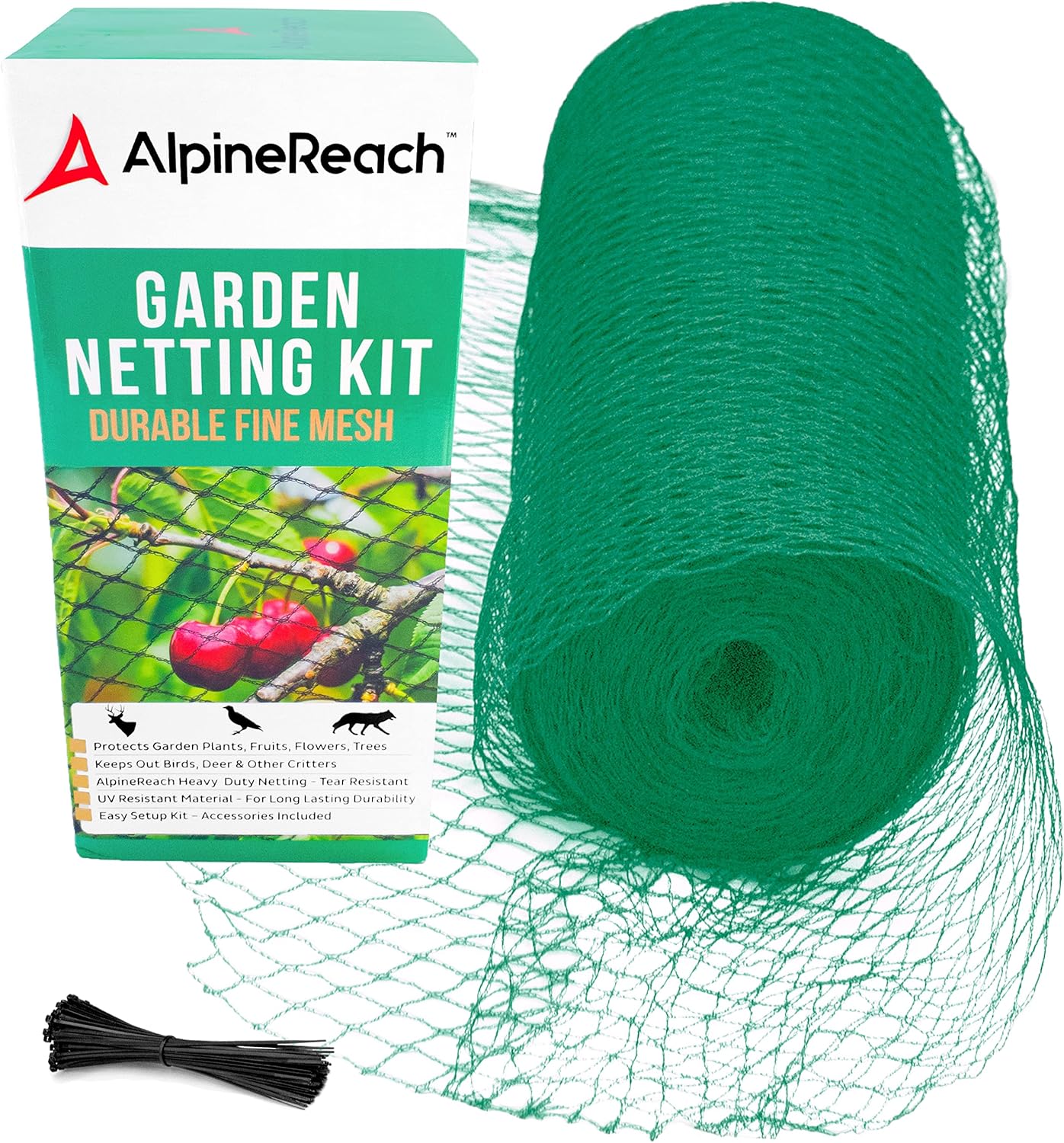
Research published across BPCA (British Pest Control Association) technical bulletins shows that houseflies (Musca domestica) and fruit flies (Drosophila melanogaster) exploit structural gaps as narrow as two millimetres. The problem compounds when external perimeter barriers fail. If your facility perimeter lacks comprehensive physical exclusion—such as Stainless Bird Spikes with Plastic Base installed on roof ledges or robust Bird Proof Netting blocking external eaves—birds roost near exhaust louvres, creating secondary reservoirs of blowflies, bird mites, and beetles.
[Exterior Perimeter] ──> [Dock Loading Bays] ──> [Intermediate Corridors] ──> [High-Care Food Prep]
• Bird Proof Netting • Holographic Tape • LED Glue Board Units • IP65 Rated UV Traps
• Rat Bait Stations • Air Curtains • Cockroach Sticky Boards • Shatterproof Bulbs
When exterior vectors aren't controlled with physical tools like Bird Shock Tracker tracks, Holographic Bird Scare Reflective Tape, or external Rat Bait Station hardware, insect pressure on external walls skyrockets. Pests build up around compactor bays, then enter whenever a high-speed door opens for pallet transfers. Once inside, insects navigate via natural daylight and artificial light sources. If your UV light traps don't output a stronger 365nm to 370nm attraction curve than adjacent windows or overhead high-bay fixtures, flies bypass the traps completely.
Understanding this spatial behaviour allows you to engineer an interception grid that catches pests before they ever reach exposed product.
Step-by-Step Guide: Deploying and Calibrating Commercial UV Fly Units
Achieving consistent, audit-ready fly suppression requires a structured engineering approach rather than random wall mounting. We've refined this four-step deployment protocol over 18 years of pest control equipment design.
Step 1: Conduct a Line-of-Sight and Lux Assessment
Map every pedestrian entrance, roller shutter, and waste exit on your site schematic. Units must intercept insects before they reach raw materials.
- Mount units at a height of 1.8 to 2.2 metres from the finished floor level. Flies fly low; ceiling-mounted units lose up to 60% of their capture efficacy.
- Position traps at 90-degree angles to ambient daylight sources. Never mount a fly killer directly opposite an exterior window, or daylight will drown out the UV-A spectrum.
- Keep units at least 3 metres away from exposed food preparation surfaces to eliminate any risk of falling debris during glue board changes.
Step 2: Select the Correct Trap Technology for Each Hygiene Zone
Match your hardware to the moisture, dust, and washdown requirements of the specific room.
- High-Care / Wet Washdown Areas: Install IP65-rated 304 SS components fitted with shatterproof, FEP-sleeved lamps or encapsulated LED bars.
- Dry Packaging and Warehousing: Deploy high-capacity glue board units with expansive grid-printed capture surfaces for simplified counting.
- Public Dining / Front-of-House: Use decorative, up-lighting sconce designs that hide captured insects from customer view.
Specialist operators looking for a reliable lámpara LED insectos distribuidor or securing smart insect light wholesale shipments must verify that LED chipsets maintain a stable 365nm peak output rather than generic blue light diodes.
+-----------------------------------------------------------+
| RECOMMENDED MOUNTING HEIGHT MATRIX |
+-----------------------------------------------------------+
| Ceiling (3.5m+) [INCORRECT - Trap mounted too high] |
| |
| Optimum Band: ======================================= |
| 1.8m - 2.2m | [FliesTrap Commercial UV Unit] | |
| ======================================= |
| |
| Floor (0.0m) [Floor-level monitoring traps / Glue] |
+-----------------------------------------------------------+
Step 3: Implement Scheduled Glue Board Auditing and Replacement
A glue board loaded with dust or insect bodies loses tackiness rapidly. Under BPCA and CEPA guidelines, follow a strict inspection cycle:
- Inspect glue boards every 14 days during peak season (April through October).
- Switch to 30-day inspection cycles during winter dormancy (November through March).
- Log insect counts by species (housefly, blowfly, midge, fruit fly) on the board's printed grid system to identify trending ingress points.
- Replace the glue board immediately when 50% of the surface area is covered.
Step 4: Monitor UV-A Output and Tube Replacement Cycles
Visible light output does not equal insect attraction. Standard fluorescent UV tubes experience a 50% drop in UV-A output after 8,000 hours (roughly 11 months of continuous use), even though they still emit a bright blue glow.
Modern LED insect units extend this lifespan significantly, running for up to 25,000 to 50,000 hours while reducing electrical energy consumption by over 60%. Use a calibrated UV-A radiometer during quarterly IPM reviews to verify minimum output thresholds (microwatts per square centimetre). Replace conventional lamps annually every spring, prior to the seasonal fly emergence.
| Specification | FliesTrap Commercial LED Standard | Industry Average / Legacy Units |
|---|---|---|
| UV Attraction Peak | Calibrated 365nm–370nm UV-A LED Array | 368nm Linear Fluorescent Tube |
| Luminous Decay (Lifespan) | L70 rated at 30,000+ operating hours | 50% decay at 8,000 operating hours |
| Energy Consumption | 12W – 18W high-efficiency driver | 36W – 45W magnetic ballast |
| Chassis Construction | 304 Stainless Steel & UV-Stabilized Polycarbonate | Mild painted sheet steel / Recycled ABS |
| Ingress Protection | Available IP65 sealed washdown units | Standard IP20 dry indoor only |
| Compliance Standards | CE, RoHS, REACH, BRCGS & FSMA ready | Basic CE marking |
| Factory MOQ & Samples | 500-unit MOQ, fast OEM prototyping | 1,000+ rigid unit minimums |
With proper placement and calibrated hardware established, selecting the right hardware configuration ensures your facility stays ahead of operational wear and tear.
Hardware Selection: Matching Traps to Industrial Operational Zones
Selecting pest hardware isn't a one-size-fits-all exercise. Facilities across the UK span Victorian brick conversions, modern temperature-controlled distribution hubs, and high-throughput abattoirs. Each environment demands specific hardware specs.
+---------------------+--------------------------+-------------------------+
| FACILITY ZONE | RECOMMENDED HARDWARE | KEY MATERIAL SPEC |
+---------------------+--------------------------+-------------------------+
| Processing & Wash | IP65 Sealed LED Glue | 304 SS, Shatterproof |
| Packaging / Storage | High-Area Wall Mount | UV-Stabilized PC Chassis|
| Loading Bays | High-Attraction Arrays | Wide-Angle Open Housing |
| Sub-Floor & Basements| Perimeter Trap Grids | Combined Sticky Boards |
+---------------------+--------------------------+-------------------------+
FliesTrap designs physical pest management systems backed by our 18 years of factory production experience. When facility procurement teams review quotes from a lámpara LED insectos distribuidor or source bulk inventory through a smart insect light wholesale distributor, build quality matters just as much as optical spectrums. Traps deployed in washdown zones must feature high-grade 304 stainless steel housings that resist caustic cleaning chemicals, chlorine sanitizers, and pressurized hot water sprays.
Industrial warehouses require broad coverage zones. Large-format units covering 150 to 200 square metres should be placed near rapid-rise loading bay doors. Complement these indoor traps with comprehensive physical barriers across external dock seals. Using Holographic Bird Scare Reflective Tape and Bird Proof Netting around loading canopy eaves keeps birds from nesting directly above dock curtains.
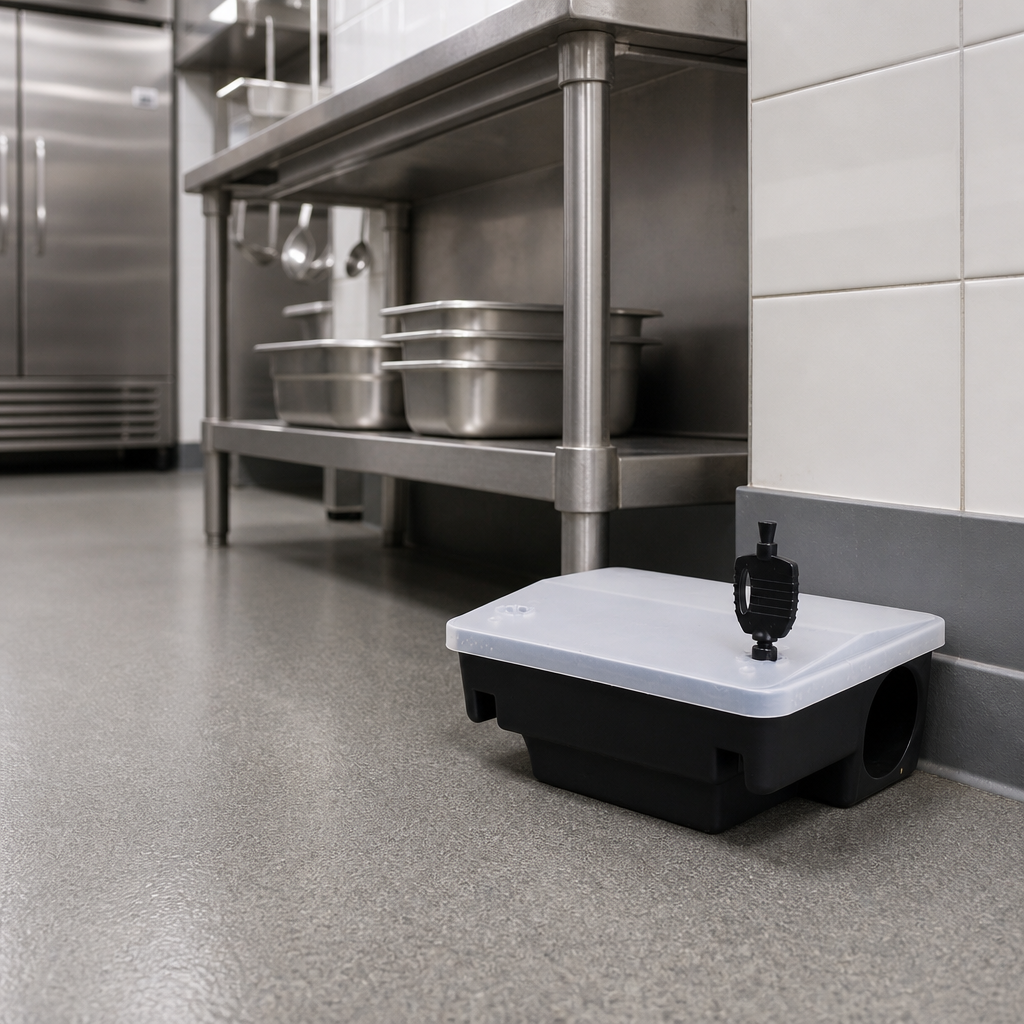
In secondary utility rooms, dry storage corridors, and sub-floor areas, flies aren't the only pest. Operators frequently combine UV fly traps with a multi-catch Rat Trap Cage, Cockroach Sticky Glue Board monitors, and tamper-resistant Rat Bait Station units along perimeter walls. When your physical exclusion and trapping gear work in unison, the pressure on your cleanrooms drops dramatically.
Critical Operational Mistakes and Audit Pitfalls to Avoid
Pest audits fail because of simple oversight. Facility teams frequently make avoidable placement mistakes that compromise an otherwise solid pest management plan.
One common error is positioning fly units directly above open production lines or packaging staging tables. Even glue board units can shed dust particles if left unserviced. An auditor inspecting against BRCGS Issue 9 standards will flag this as a critical hygiene hazard. Always offset units by at least three metres from exposed product streams.
Another widespread mistake is running high-voltage zappers in flour mills, sugar packing rooms, or bakeries. High-voltage grids cause micro-explosions upon insect contact, vaporizing insect body fluids and blasting contaminated chitin fragments straight into processing air currents. In dusty atmospheres, electrical arcs can even create an ignition risk. Swap zappers for glue board traps immediately.
(Let's be honest, we've all seen a unit mounted right next to an open bay door where it attracts every midge in a five-mile radius.)
Don't do that. Traps positioned directly at an open external door pull outdoor insects into the facility. Instead, mount units inside the building, angled away from the opening so they catch insects that have already crossed the threshold without drawing new swarms inside.
INCORRECT:
[Open Roller Door] <---- (Light shines outside) ---- [UV Unit Facing Outward]
Result: Pulls outdoor flies directly into the building.
CORRECT:
[Open Roller Door]
|
v (Flies enter)
[Corner / Dog-Leg Wall] ----> [UV Unit Facing Inward]
Result: Intercepts indoor flies without luring outside pests.
Pay close attention to cross-category IPM protocols. Facilities battling multi-pest pressures should ensure their bird deterrent system wholesaler UK contracts and physical barrier installations—like Stainless Bird Spikes with Plastic Base on parapets or bulk malla antipájaros mayorista sourcing—are fully integrated with their interior light trapping program. Complete barrier integrity preserves high hygiene ratings.
Frequently Asked Questions
Q: What is the optimal replacement interval for commercial UV LED fly trap modules?
A: Commercial UV-A LED modules from FliesTrap operate efficiently for 25,000 to 30,000 hours before output drops below effective attraction levels. Unlike traditional fluorescent tubes that require annual replacement every 8,000 hours, high-grade LED arrays last roughly three to four years under continuous 24/7 industrial operation, lowering maintenance overhead.
Q: Why are traditional electric grid zappers prohibited in high-care food production zones?
A: High-voltage electric zappers cause insect bodies to rupture on impact, aerosolizing bacteria and throwing insect fragments up to two metres away. Food safety standards like BRCGS, IFS, and FSMA mandate glue board capture systems in food prep zones to ensure insects are contained whole and without contamination risks.
Q: How many commercial fly units are needed for an industrial food packing room?
A: As a rule of thumb, one commercial 15W–18W LED fly killer covers approximately 100 to 150 square metres of unobstructed floor space. Rooms with tall racking, internal partition walls, or heavy airflow require higher unit density to maintain direct line-of-sight attraction from every entry point.
Q: Can commercial UV fly traps be powered down during winter months to save electricity?
A: No. Commercial food facilities maintain constant indoor temperatures that support year-round pest breeding. Overwintering cluster flies, fruit flies, and drain flies remain active indoors throughout British winters. Keeping LED units powered 24/7 provides continuous IPM monitoring data and prevents unobserved population spikes.
Q: What certifications should procurement teams verify when sourcing smart insect light wholesale units?
A: Look for complete CE, RoHS, and REACH compliance certifications, alongside shatterproof lamp sleeves and IP65 waterproof ratings for wet areas. FliesTrap by Haierc provides certified physical pest control equipment manufactured under ISO9001 and BSCI factory standards, supported by full technical compliance documentation for B2B distributors.
Technical Summary & Procurement Next Steps
Maintaining an audit-ready facility requires the right hardware, strategic placement, and rigorous monitoring cycles. By transitioning from legacy fluorescent zappers to calibrated 365nm LED glue board systems, UK food processors and PCOs reduce energy overhead, eliminate food contamination hazards, and pass hygiene audits with confidence.
FliesTrap by Haierc manufactures industrial pest control hardware, insect light traps, and physical barrier solutions backed by 18 years of manufacturing expertise. Operating from our production facilities in Tianjin, China, we supply distributors, commercial pest control brands, and facility supply houses across the UK, Europe, and global markets.
Whether you need a specialized lámpara LED insectos distribuidor partnership, a bulk smart insect light wholesale supply agreement, or tailored private-label manufacturing with custom packaging and low 500-unit MOQs, our engineering team delivers standard orders within 15 to 25 days. Qualified commercial distributors can request free evaluation samples and complete technical specification sheets directly at https://www.fliestrap.com or by contacting our B2B team at sales@fliestrap.com.
- Share this:

-



Category
Trending Now