




 Bird & Pigeon Pest Control
 MOUSE & RAT Pest Control
 Fly Pest Control
 Cockroach Pest Control
 Mosquito Pest Control
 Mole Pest Control
 Wasp Pest Control
 Moth Pest Control
 Bed Bug & Flea Pest Control
 Ant & Termites Pest Control
 Spider Pest Control
 Other Insect Pest Control
 Snake Pest Control
 Snail & Slug Pest Control
 Wildlife Pest Control
 Garden Products
 Virus Control
 Smart AI Trap
 Insecticides


Industry News
How to Deploy a Rat Snap Trap in UK Commercial Facilities | FliesTrap
 By
2026-09-21
read
By
2026-09-21
read

.jpg)
Introduction — Scenario Pain Point
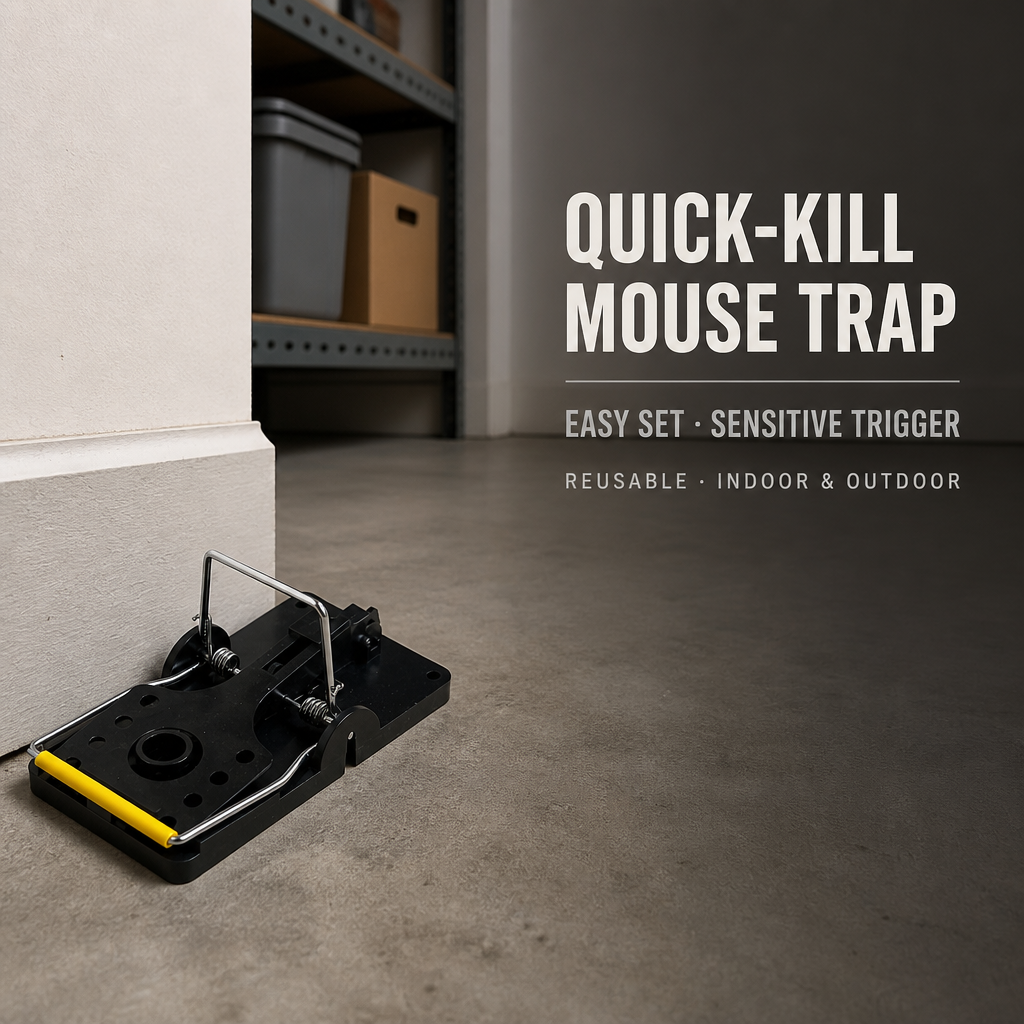
Rats don't wait. When a brown rat (Rattus norvegicus) slips past a loading dock seal and enters a food packaging line, you've got roughly forty-eight hours before droppings or chew marks trigger an internal audit failure. Solving this requires mechanical precision. Deploying a professional Rat Snap Trap inside an enclosed station stops rodent traffic immediately without introducing toxic baits into sensitive production zones.
UK environmental health officers and third-party auditors want proof of proactive, non-chemical trapping programs. Rodenticides face heavy regulatory scrutiny under the Campaign for Responsible Rodenticide Use (CRRU) code, so facility managers must rely on physical snap traps for indoor knockdown. A single misplaced trap wastes labor hours, leaves rats trap-shy, and risks product contamination. We've seen facility operators struggle with false triggers, poor bait selection, and improper alignment against perimeter walls for over 18 years. Let's look at how commercial operators eliminate rat activity using proven mechanical capture protocols.
Why Rodent Incursions Surge in UK Commercial Facilities
Britain's damp, temperate climate creates severe seasonal rodent pressure. Between October and February, outdoor temperatures drop toward freezing, driving rats from agricultural land, canal banks, and subterranean sewer networks directly toward heated commercial buildings. Ingress happens fast. A standard mature brown rat needs an opening of just 20 mm to squeeze beneath a faulty roller shutter or through an unsealed pipe penetration.
+-----------------------------------------------------------------------+
| TYPICAL RODENT INGRESS TIMELINE (UK COMMERCIAL WAREHOUSES) |
| |
| Outdoor Temp Drops (<8°C) --> Ingress via Loading Docks/Drains |
| │ |
| ▼ |
| Wall-Run Establishment -----> Food/Pallet Nesting (48-72h) |
| │ |
| ▼ |
| Structural Chewing & Risk --> BRCGS / BPCA Non-Compliance Failure |
+-----------------------------------------------------------------------+
High-risk sectors—including food processing, cold storage logistics, and contract packaging—face dual challenges. First, older brickwork and timber dock shelters common across industrial parks in Manchester, Birmingham, and London offer countless entry routes. Second, BRCGS Issue 9 and IFS food safety standards prohibit toxic rodenticide blocks inside raw material storage rooms. When rodents gain access, they navigate structural wall runs, chew electrical conduits, and leave greasy sebum marks across lower baseboards.
Physical trapping represents your primary defense line. Mechanical traps offer instantaneous dispatch and immediate carcass recovery, which eliminates the odor issues associated with slow-acting anticoagulant baits hidden behind drywall. Why risk poison tracking onto cleanroom floors when mechanical capture gives instant verification? Setting a heavy-duty Rat Trap inside a secure perimeter station remains the most reliable method for passing rigorous supermarket customer audits.
Step-by-Step Guide: How to Deploy and Calibrate a Rat Snap Trap
Mechanical trapping success depends on placement geometry, trigger sensitivity, and structural integration. Follow this five-step workflow on your next facility service run.
+-----------------------------------------------------------------------+
| 5-STEP MECHANICAL TRAP DEPLOYMENT WORKFLOW |
| |
| [1. RUN INSPECTION] --> Grease marks, droppings, chewed pallets |
| │ |
| [2. STATION PLACEMENT]-> Perpendicular to wall, trigger facing brick |
| │ |
| [3. NON-TOXIC BAIT] --> High-protein paste / peanut butter anchor |
| │ |
| [4. TRIGGER TENSION] --> Calibrate bar to 1.2 cm strike travel |
| │ |
| [5. INSPECTION LOG] --> Record on digital IPM app every 24-48 hours |
+-----------------------------------------------------------------------+
1. Identify Runway Intersections and Harborages
Rats rely on kinesthesis. They memorize pathways and travel almost exclusively along vertical surfaces to stay hidden. Inspect lower wall perimeters for dark smudge marks, small wood shavings, and 10–14 mm spindle-shaped droppings. Focus attention on corners behind pallet racking, raised motor control boxes, and compressor drainage trenches.
Do not place traps randomly in open floor spaces. Rats will skirt open areas entirely, rendering your hardware useless.
2. Pair with Enclosed Stations and Runways
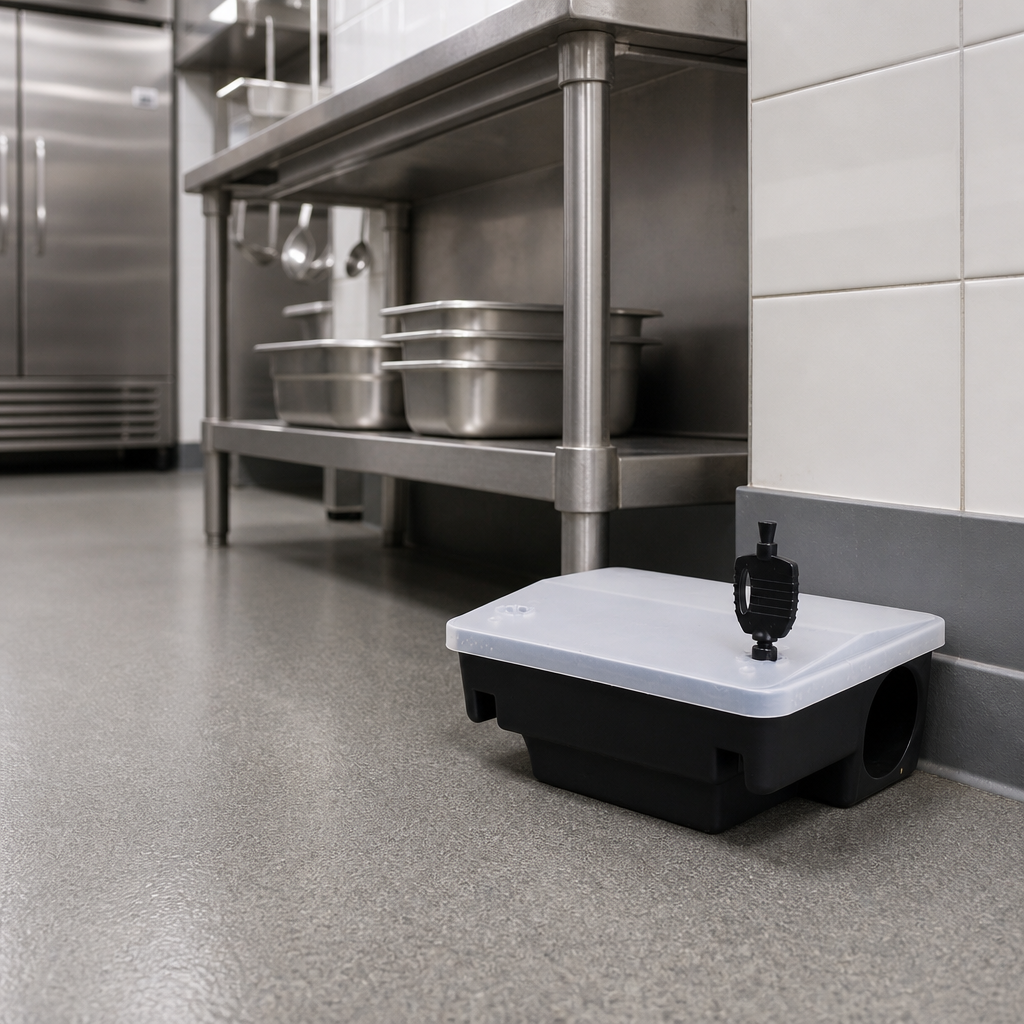
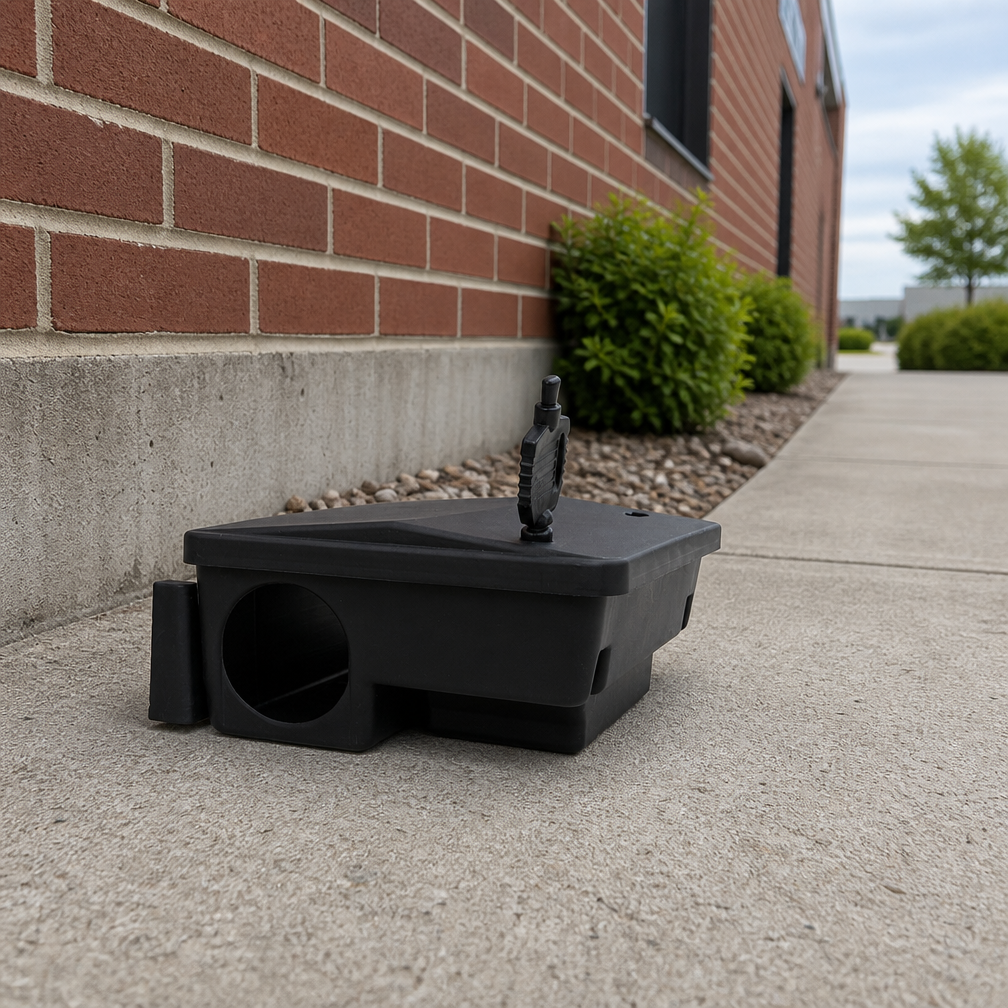
Exposed traps create liability issues in commercial facilities. Snap hardware must be enclosed inside a lockable, tamper-resistant Mouse Bait Station or heavy-duty rat enclosure to comply with BPCA guidelines and the UK Animal Welfare Act 2006.
Position the station parallel to the structural wall. Place the Rat Snap Trap inside the station chamber with its oversized bait pedal facing directly toward the entry portal. When expanding indoor perimeter monitoring along multi-tiered logistics mezzanines, engineers often integrate modular brackets like TINCAT TRAP WALL PARTS alongside a low-profile Mini Plastic Mouse Tunnel to capture mice and rats along identical structural runners.
3. Apply High-Aromatics, Non-Toxic Lures
Never overload the bait trough. Heavy bait deposits allow clever rodents to lick the lure clean without exerting the downward pressure needed to trip the sear.
Use a pea-sized dab (roughly 1.5 grams) of high-protein attractant such as smooth peanut butter, bacon tallow, or professional non-allergenic synthetic paste. Press the lure firmly into the deep recess of the trigger pedal. For facilities storing dry grains, smear a micro-drop of oat-scented lure on the underside of the trip plate to force the rat to lift or aggressively nose the pedal.
4. Arm and Test Trigger Resistance
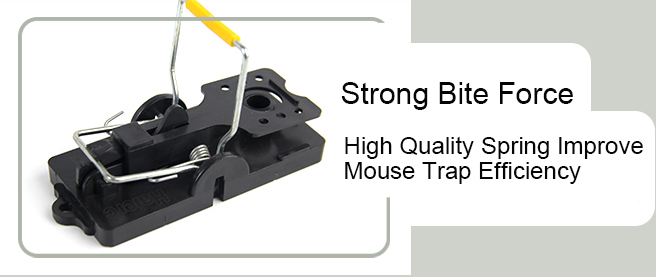
Modern commercial snap traps feature high-tension tempered steel springs and heavy-duty ABS or polyacetal frames. Pull the strike bar back until the engagement bar locks firmly into the rear notch.
Ensure the trap sits completely flat on the baseplate inside the enclosure. A wobbly trap dissipates strike force and can cause misfires. Our factory tests require a 1.2 cm trigger travel distance under a 15–20 gram trip threshold, delivering an instant, humane dispatch that exceeds European humane trapping standards.
5. Establish Daily Inspection and Clearing Cycles
Audit standards require rapid removal of dispatched pests. Log each station into your digital facility IPM portal. Under BRCGS guidelines, active snap traps in food handling zones must be inspected every 24 hours during an active infestation.
When servicing, inspect the trap for bio-residue. Remove the carcass using industrial nitrile gloves, spray the trap with an enzymatic disinfectant, and reset. If a trap stays untouched for 5 days despite active droppings nearby, relocate the box 2 meters down the run. Rats exhibit strong neophobia; changing the access angle often breaks their hesitation.
Mechanical Trap Selection and Facility Hardening Specifications
Commercial pest control operations cannot rely on cheap wooden traps. High-humidity environments, steam washdowns, and pallet jack impacts quickly crack wooden bases and rust ordinary springs. Professional contractors standardize on industrial-grade polymer traps built for repeated sanitisation.
+-------------------------------------------------------------------------+
| MULTI-LAYER INTEGRATED PEST MANAGEMENT (IPM) HARDENING MATRIX |
| |
| Zone 1: External Perimeter (Eaves & Rooftops) |
| - Bird Shock Tracker / Bird deterrent spikes / Plastic Bird Net |
| - Scare Birds Fake Owl on HVAC frames |
| |
| Zone 2: Building Envelope (Windows & Loading Bays) |
| - Glass Windows Bird Proof Sticker |
| - Heavy-duty brush strips on dock levelers |
| |
| Zone 3: Indoor Primary Runs (Baseboards & Pallet Runs) |
| - Rat Snap Trap inside lockable station |
| - Mini Plastic Mouse Tunnel for smaller entry runs |
| |
| Zone 4: Processing Rooms (Targeted Pests) |
| - Pantry moth glue trap with pheromones |
+-------------------------------------------------------------------------+
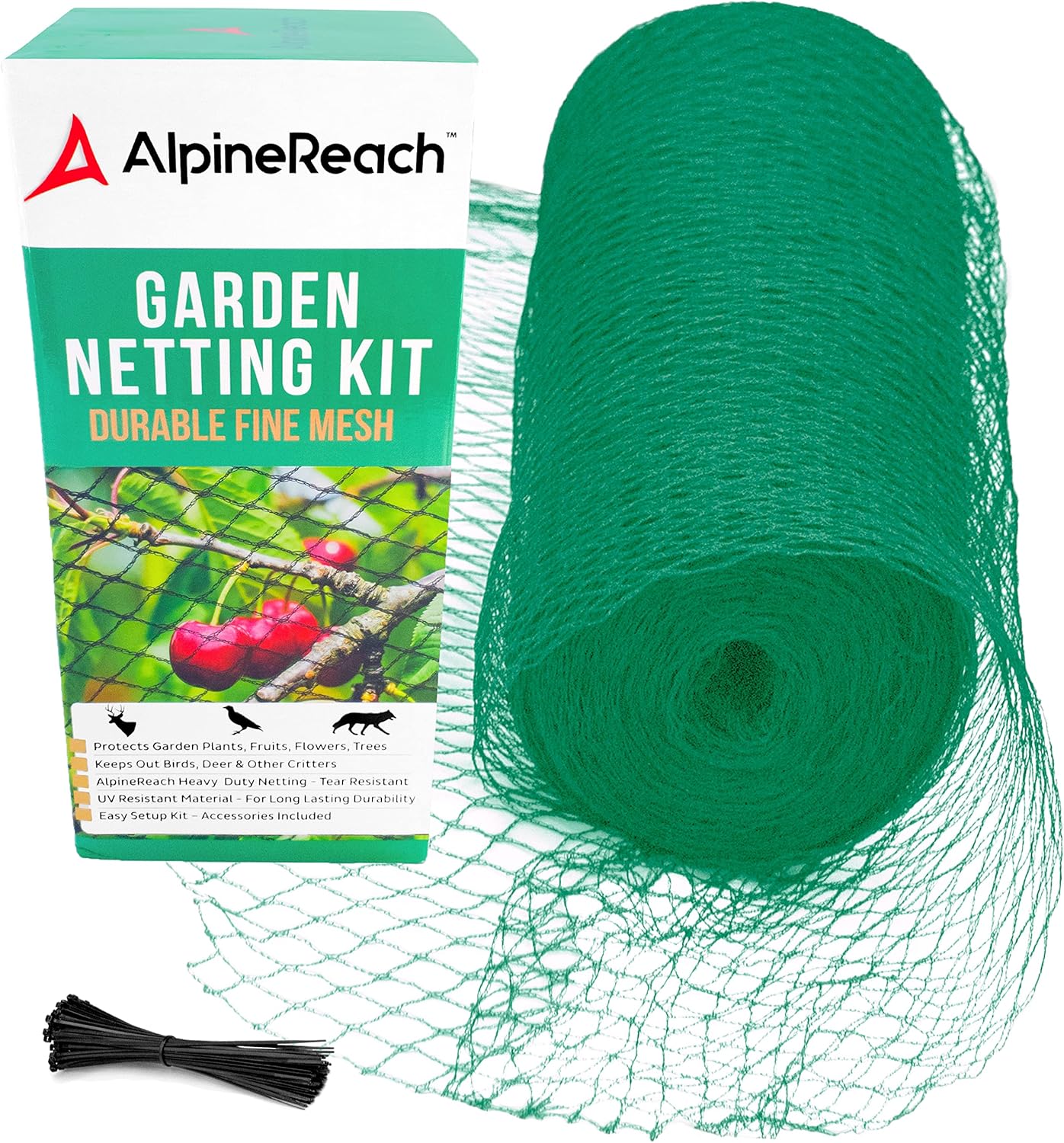
Total facility protection combines targeted rodent hardware with broad building envelope exclusion. A facility manager tackling rodent runs along outer wall perimeters should simultaneously examine overhead eaves for avian roosting points. Partnering with a specialized bird deterrent wholesale supplier UK provides access to hardware like bird deterrent spikes, heavy-gauge Plastic Bird Net systems, and electric Bird Shock Tracker strips that stop rooftop nesting. For upper office glazing, applying a Glass Windows Bird Proof Sticker prevents strike mortalities, while a rooftop Scare Birds Fake Owl provides passive visual deterrence above loading dock awnings.
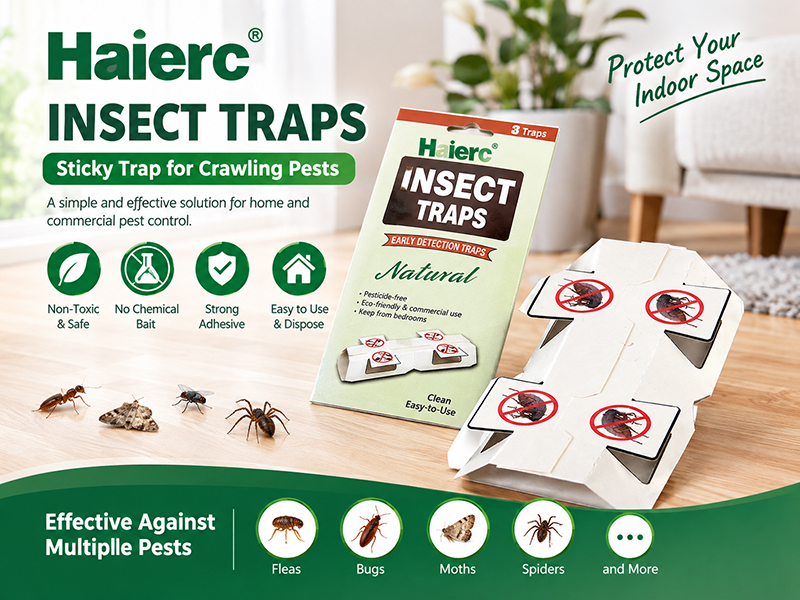
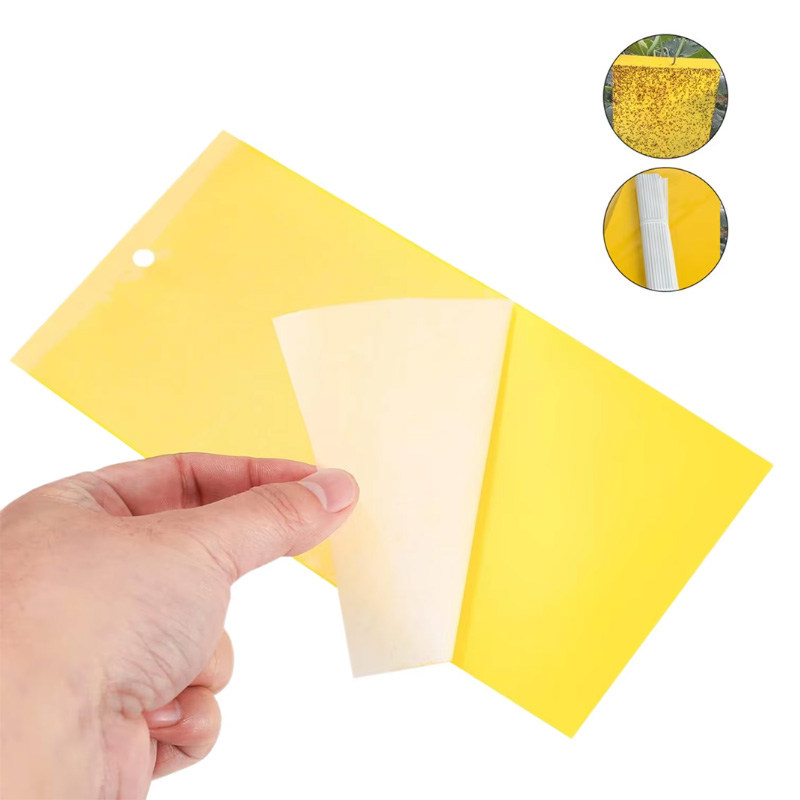
Indoor pest maintenance also requires monitoring secondary insect and rodent vectors. Place a pantry moth glue trap with pheromones in dried-goods storage to catch storage pests, and consult an ultrasonic pest repeller distributor for auxiliary deterrence along utility trenches.
The comparison below highlights the technical differences between commercial-spec traps and generic alternatives.
| Specification | FliesTrap Commercial Standard | Industry Average |
|---|---|---|
| Base Material | High-impact UV-stabilized Polypropylene / ABS | Recycled brittle polystyrene or soft pine wood |
| Spring Mechanism | 304 Stainless Steel / double-wound high torque | Single-wound standard carbon steel (rust-prone) |
| Trigger Sensitivity | 15–20g calibrated pressure threshold | 35–50g inconsistent mechanical sear |
| Capture Velocity | < 0.04 seconds strike closure | 0.08–0.12 seconds (higher escape rate) |
| Sanitisation Tolerance | Withstands chemical washdowns & steam up to 90°C | Degrades or warps under standard sanitiser spray |
| Compliance Certifications | CE, REACH, RoHS, ISO9001 factory verified | Uncertified commodity hardware |
Mistakes to Avoid & Pro Compliance Tips
Pest technicians frequently make simple setup errors that undermine site hygiene audits. Here is how to keep your program fully compliant.
+-------------------------------------------------------------------+
| AUDIT COMPLIANCE PITFALLS TO AVOID |
| |
| [X] Over-baiting trigger plates --> Leads to lure theft |
| [X] Placing open traps on walkways --> Animal welfare breach |
| [X] Leaving unwashed strike bars --> Alarm pheromones remain |
| [X] Ignoring perimeter wall contact --> Pests bypass station |
+-------------------------------------------------------------------+
- Avoid open interior placement: Setting an unshielded snap trap across an open food warehouse aisle violates UK animal welfare expectations and workplace safety rules. A trap triggered by a worker's foot or pallet truck can cause injury and audit non-conformance. Always enclose snap units in locked boxes.
- Stop over-baiting: Smearing large mounds of bait over the pedal allows rodents to feed from the edges without triggering the plate. Keep your bait payload small and centered directly within the recessed cup.
- Wash off alarm pheromones: When a rat is dispatched, it releases stress pheromones onto the strike bar and baseplate. If you reset a blood-stained or unwashed trap, other mature rats will avoid the station for weeks. Wash the unit with hot water and an unscented enzymatic neutralizer before redeployment.
- Maintain tight flush contact: Ensure the bait station sits flat against the skirting board. Leaving a 50 mm gap between the wall and the box entry hole encourages rats to run behind the station rather than passing through it.
Frequently Asked Questions
Q: How many rat snap traps should be installed per square meter in a food warehouse?
A: For commercial warehouses, place a Rat Snap Trap station every 8 to 12 meters along non-food perimeter walls for preventive monitoring. In active infestation zones, increase density to one trap every 3 to 5 meters. Haierc-manufactured commercial snap stations feature standardized base dimensions that fit neatly into tight racking bays.
Q: Why are rats taking the bait without triggering the snap trap?
A: This occurs when bait is piled too high or the mechanical sear is set too stiffly. If a rat can feed without depressing the pedal by 1.2 cm, it will steal the food. Use a smear of lure pressed deep into the bait well. FliesTrap high-precision pedals trigger under 15-20 grams of downward force to prevent bait theft.
Q: Can snap traps be used for outdoor rodent management under UK regulations?
A: Yes, provided they are secured inside tamper-resistant, locked bait boxes anchored to the ground to protect non-target wildlife like birds and hedgehogs. FliesTrap snap traps are built with UV-stabilized ABS and stainless steel springs to withstand UK weather conditions without losing striking power.
Q: How do commercial snap traps support BRCGS Issue 9 audit compliance?
A: BRCGS Issue 9 strictly limits indoor toxic rodenticides in food production and storage facilities. Mechanical snap traps provide immediate physical capture without poison contamination risks. They allow pest controllers to record exact catch counts, track pest activity patterns, and remove rodent carcasses immediately from the facility.
Q: What is the expected working lifespan of a commercial-grade plastic rat trap?
A: High-grade polypropylene traps with 304 stainless steel springs typically operate reliably for 3 to 5 years under routine commercial service. Unlike wooden models, FliesTrap commercial units withstand repeated chemical sanitisation washdowns, steam cleans, and continuous resets without frame warping or spring tension loss.
Conclusion & Professional Support
Eliminating commercial rodent activity requires calibrated hardware, strategic placement along physical wall runs, and strict adherence to non-toxic audit guidelines. Mechanical rat snap traps remain the gold standard for rapid knockdown and verifiable pest compliance across UK logistics hubs and food manufacturing plants.
FliesTrap by Haierc brings over 18 years of specialized pest hardware manufacturing experience to professional PCO operators and international distributors. Our facility produces precision-engineered rodent snap traps, tamper-resistant bait stations, and complete insect monitoring lines backed by ISO9001, CE, REACH, and RoHS certifications. We support procurement teams worldwide with flexible 500-unit MOQs, comprehensive OEM private labeling, and rapid 15–25 day production lead times.
Request free commercial sample kits, product specification sheets, or bulk distribution pricing directly from our technical sales team at https://www.fliestrap.com or via email at sales@fliestrap.com.
- Share this:

-



Category
Trending Now