




 Bird & Pigeon Pest Control
 MOUSE & RAT Pest Control
 Fly Pest Control
 Cockroach Pest Control
 Mosquito Pest Control
 Mole Pest Control
 Wasp Pest Control
 Moth Pest Control
 Bed Bug & Flea Pest Control
 Ant & Termites Pest Control
 Spider Pest Control
 Other Insect Pest Control
 Snake Pest Control
 Snail & Slug Pest Control
 Wildlife Pest Control
 Garden Products
 Virus Control
 Smart AI Trap
 Insecticides


Industry News
How to Deploy a Plastic Mouse Snap Trap in UK Food Facilities | FliesTrap
 By
2026-09-20
read
By
2026-09-20
read

.jpg)
Introduction — Scenario Pain Point
Mice don't wait. A single house mouse inside a commercial bakery or temperature-controlled warehouse will contaminate raw ingredients, chew through electrical conduits, and trigger instant non-conformance penalties during BRCGS audits.
Pest controllers across Britain face a tough challenge every autumn. Tightening environmental regulations and strict CRRU stewardship rules make anticoagulant rodenticides risky or downright prohibited in food production areas. You need clean, mechanical intervention that works immediately.
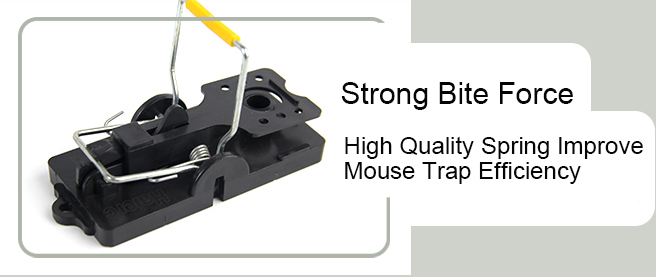
That is where a commercial-grade Plastic Mouse Snap Trap becomes your frontline defense. Unlike warped wooden traps from local hardware stores, engineered polymer units deliver consistent trigger pressure and clean kinetic energy strike after strike. When sourcing reliable equipment, finding a qualified trampa para ratas distribuidor or commercial pest hardware manufacturer ensures your inventory holds up to daily industrial sanitization.
Let's look at why standard trapping strategies often fail in high-pressure commercial spaces.
┌──────────────────────────────────────────────────┐
│ COMMERCIAL TRAPPING WORKFLOW (IPM) │
└─────────────────────────┬────────────────────────┘
│
┌─────────────────────────▼────────────────────────┐
│ 1. Site Audit: Map Runways, Droppings, Rub Marks │
└─────────────────────────┬────────────────────────┘
│
┌─────────────────────────▼────────────────────────┐
│ 2. Enclosure: Seat Snap Trap inside Mouse Tunnel │
└─────────────────────────┬────────────────────────┘
│
┌─────────────────────────▼────────────────────────┐
│ 3. Non-Toxic Baiting: High-Protein Hypoallergenic│
└─────────────────────────┬────────────────────────┘
│
┌─────────────────────────▼────────────────────────┐
│ 4. Wall Placement: Perpendicular to Baseboard │
└─────────────────────────┬────────────────────────┘
│
┌─────────────────────────▼────────────────────────┐
│ 5. Daily Inspection & Sanitation Log (BRCGS/IFS) │
└──────────────────────────────────────────────────┘
Root Causes of Indoor Ingress in Commercial Facilities
Pest problems don't happen by accident. Structural gaps as narrow as 6mm around loading bay levellers, pipe penetrations, and deteriorated brush seals provide effortless entry points for juvenile Mus musculus. Once inside, warm motor housings on commercial chillers and endless pallet racking offer ideal harborage.
Why do rodent pressures spike sharply between September and November in the UK? Simple. As ambient temperatures drop across Yorkshire, the Midlands, and southern agricultural belts, field populations move indoors toward reliable heat sources and stable grain reserves.
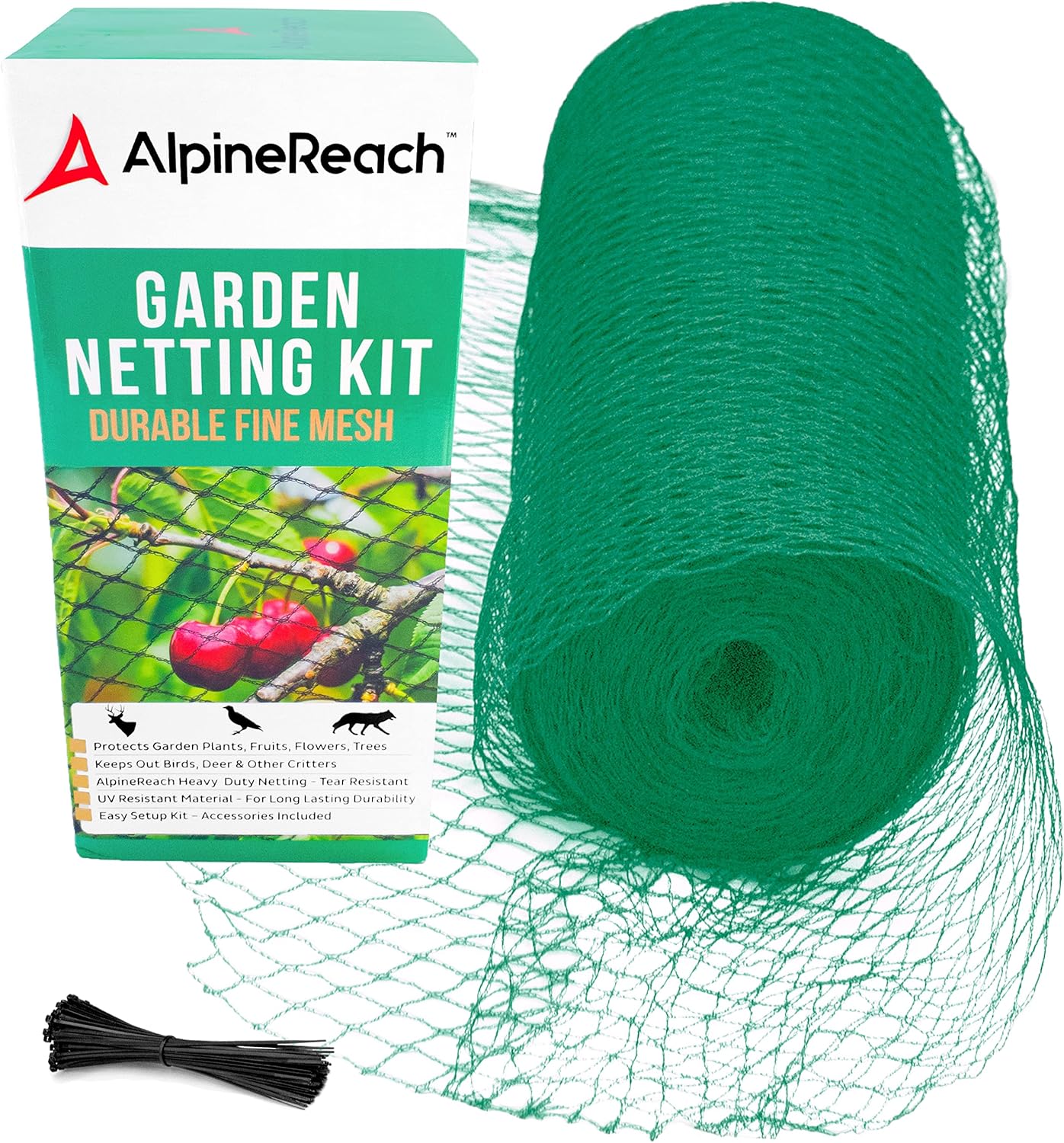
Food facilities also face dual pest pressures from birds roosting on loading docks while rodents scurry beneath. Facilities using Bird Proof Netting on exterior rooflines often overlook ground-level entry points. If your team relies on external bird deterrents—whether installing commercial bird netting solutions Canada or deploying Reflective Pinwheels Scare Birds Away around loading docks—ground-level rodent exclusion must run simultaneously.
Facility managers frequently report trap avoidance. This isn't supernatural intelligence; it's basic neophobia. When a technician drops a raw trap in the middle of an open floor, mice simply run around it along wall perimeters.
Step-by-Step Guide to Setting and Positioning Mechanical Traps
Achieving 100% knockdown requires methodical placement rather than random scattering. Follow these operational steps:
Step 1: Runway Identification and Surface Preparation
Inspect the perimeter walls with high-output UV torches to identify rodent urine trails, sebum rub marks, and fresh droppings. Clean loose dust and debris from the floor line. Traps set on loose grain or slippery slurry lose strike leverage when triggered.
Step 2: Bait Wells and Non-Toxic Attractants
Never use rodenticides inside an interior snap trap. Place a pea-sized amount of high-protein, non-allergenic lure (such as peanut-free oat paste, chocolate spread, or commercial synthetic attractant) directly into the central bait cup. Overfilling the cup allows rodents to skim the bait without depressing the sensitive trigger pedal.
Step 3: Enclosure and Tamper Protection
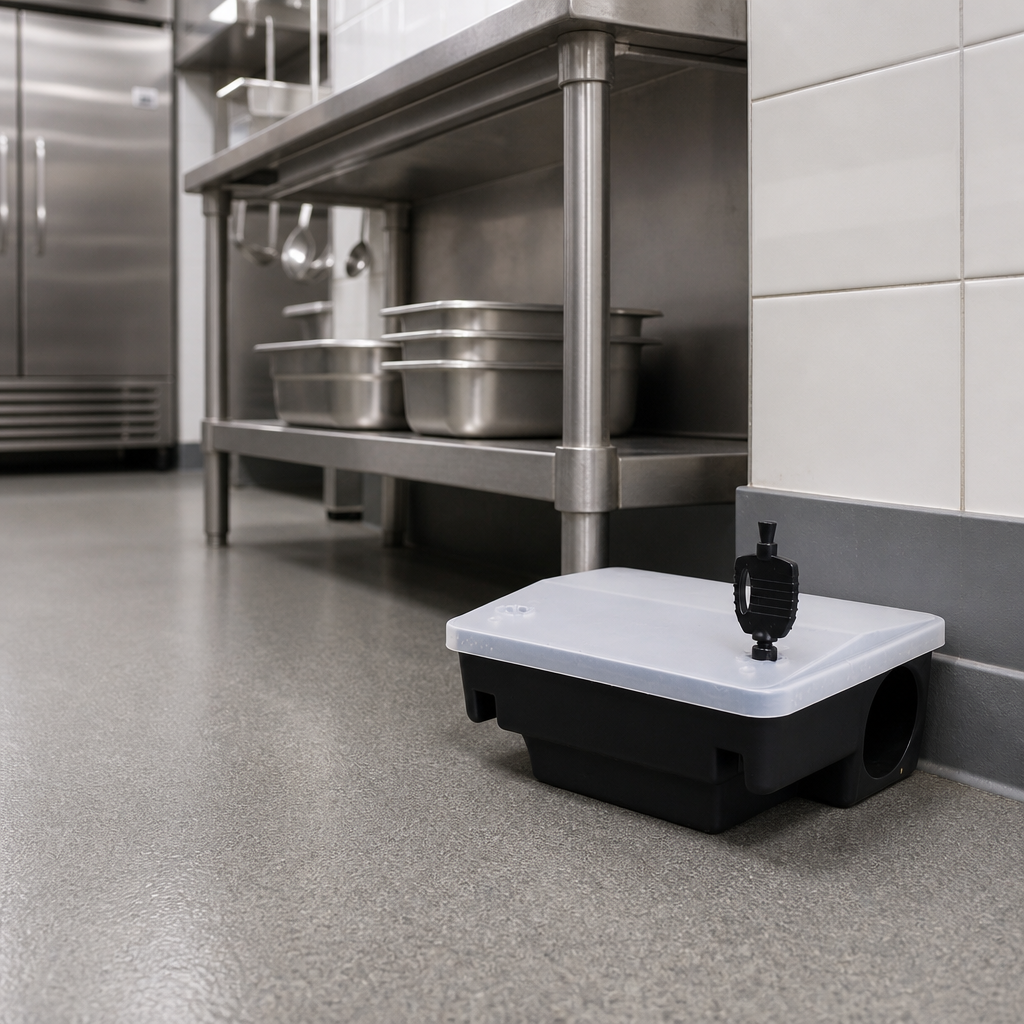
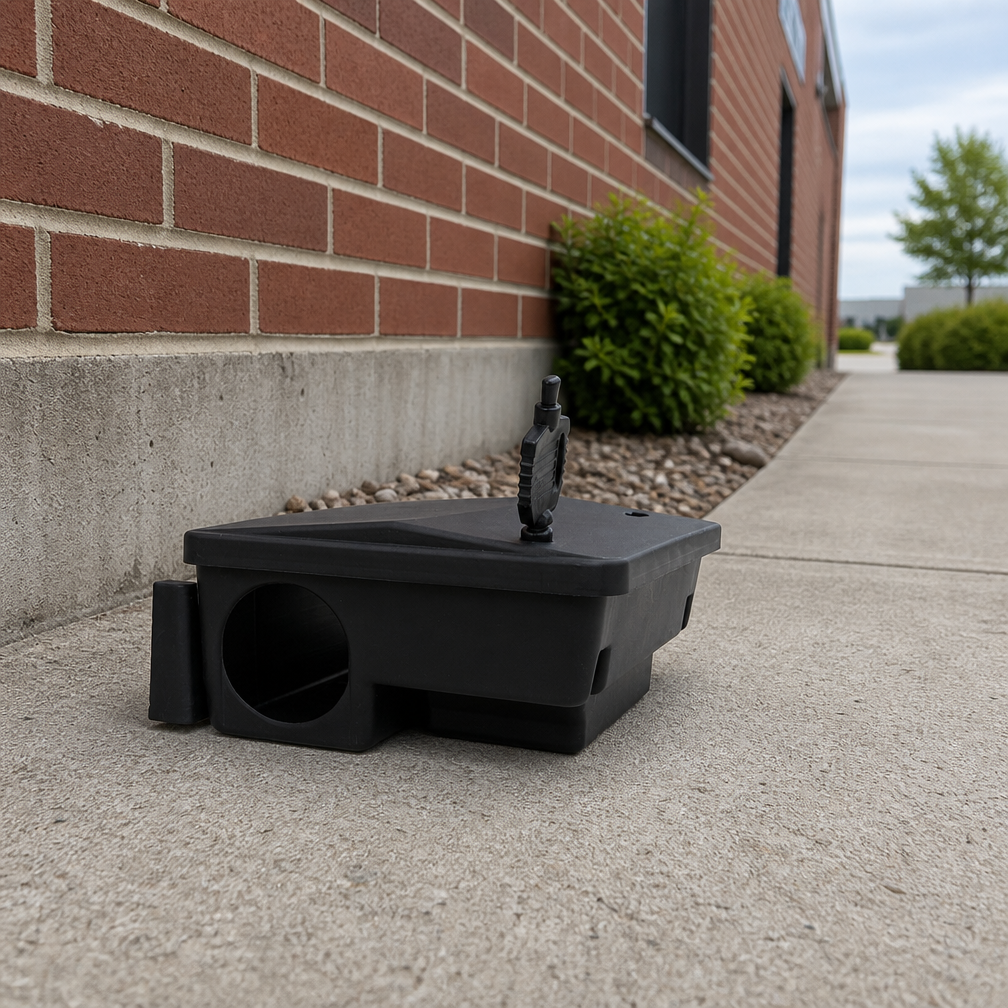
Always house your Plastic Mouse Snap Trap inside an impact-resistant Plastic Mouse Tunnel or dedicated Mice Traps Bait Boxes. This step protects non-target animals, prevents warehouse dust from fouling the trigger spring, and satisfies strict customer safety audits. Secure the stations flush against baseboards along known transit paths.
Step 4: Spacing and Directional Alignment
Position stations at intervals of 2 to 3 meters in active zones, reducing spacing to 1.5 meters near primary nesting signs. Place the trap perpendicular to the wall, with the sensitive bait pedal facing directly toward the skirt board. When a mouse travels along its wall runway, it steps directly onto the trip plate without breaking stride.
Baseboard / Facility Wall
────────────────────────────────────────────
[Trap Pedal] ◄── Mouse Runway Direction
[Strike Bar]
[Rear Base ]
────────────────────────────────────────────
Interior Floor Space
Step 5: Routine Monitoring and Reset Protocols
Inspect all stations at 24-hour intervals during active infestations. When checking captures, empty the carcass directly into a sealed waste bag using the top-release lever without touching the strike bar. Reset the high-tension steel spring with one click and log the catch in your digital audit platform.
Hardware Comparison and Material Performance
Industrial environments destroy cheap plastics. Washdown areas in meat processing plants expose traps to caustic chlor-alkali cleaners and hot water washdowns at 60°C. If the polymer lacks impact modifiers, hinges crack and torsion springs lose strike force within weeks.
High-density ABS polymers and zinc-plated or 304 stainless steel springs are standard in industrial units. They resist chemical corrosion and survive repeated mechanical strikes without structural deformation.
A reliable trampa para ratas distribuidor will provide mechanical testing data confirming consistent trigger activation at 0.5 to 1.0 grams of pressure.
| Specification | FliesTrap Standard | Industry Average |
|---|---|---|
| Body Material | Virgin High-Impact ABS Plastic | Recycled Polypropylene / Polystyrene |
| Spring Composition | Tempered High-Tensile Carbon Steel (Zinc Plated) | Standard Mild Steel Wire |
| Trigger Sensitivity | 0.5g – 0.8g Calibrated Strike Plate | 1.5g – 3.0g Inconsistent Tension |
| Chemical Resistance | Resistant to Alkalis, Acids, and Sanitizers | Degrades and becomes brittle under sanitizers |
| Strike Force Energy | 1.25 Joules Instantaneous Kinetic Delivery | 0.70 – 0.90 Joules (Risk of partial strike) |
| Station Compatibility | Universal Fit for Plastic Mouse Tunnel & Boxes | Proprietary Sizing or Loose Footprint |
Whether you manage an import business or run a regional PCO route, working with an experienced trampa para roedores importador guarantees that snap hardware satisfies strict ISO9001 and CE manufacturing standards.
Integrating Physical Trapping into a Facility-Wide IPM Strategy
Mechanical trapping cannot operate in a silo. A truly resilient integrated pest management framework connects interior rodent monitoring with structural proofing and secondary insect monitoring.
FACILITY DEFENSE-IN-DEPTH
EXTERIOR BUFFER Loading Docks / Eaves:
Bird Proof Netting & Base Bird Spikes
│
PERIMETER WALL Building Envelope:
Brush Seals, Mesh, Rodent Bait Stations
│
INTERIOR RUNWAYS Sensitive Processing Lines:
Plastic Mouse Tunnel + Plastic Mouse Snap Trap
│
SECONDARY MONITOR High-Risk Dry Storage:
Sticky Insect Trap & UV Fly Killers
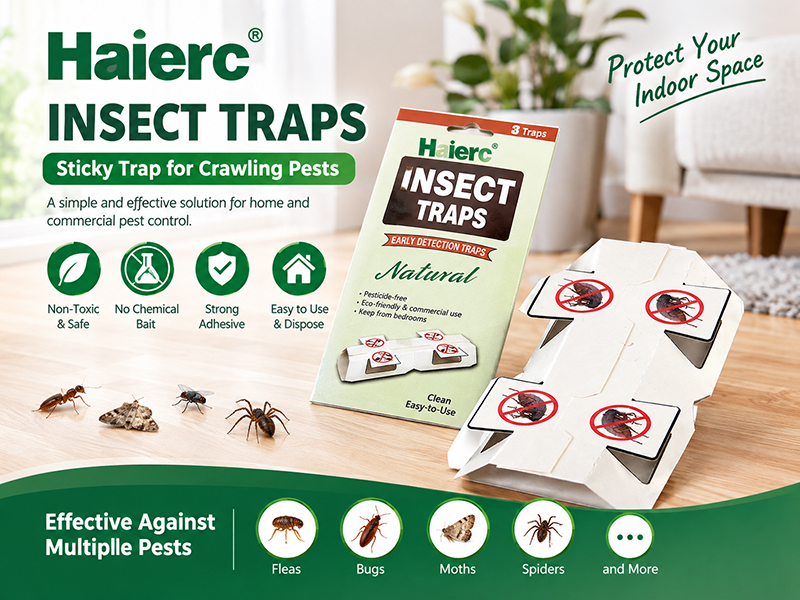
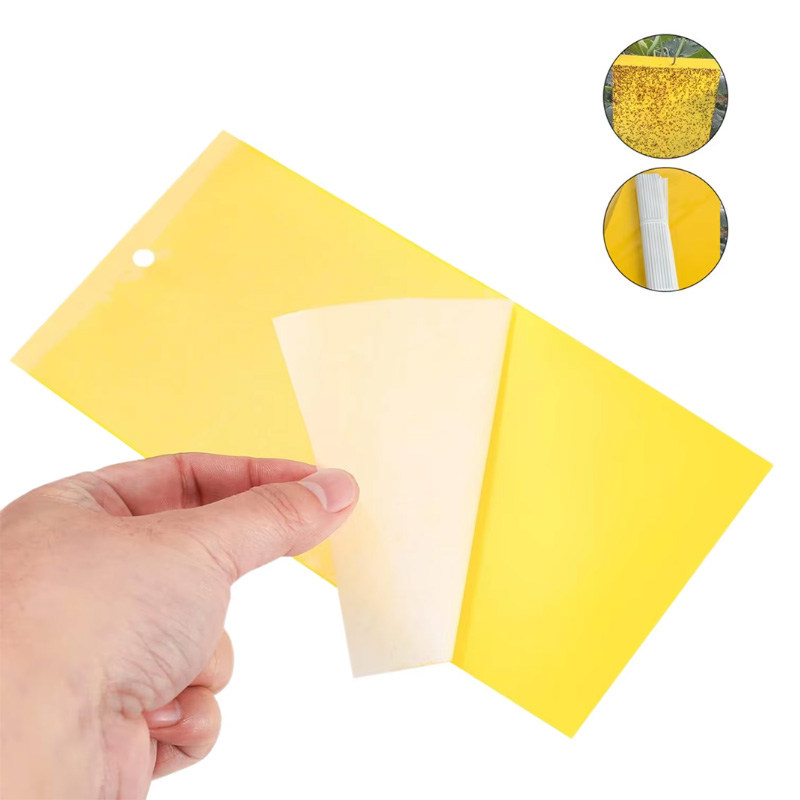
In high-risk dry storage areas, place a Sticky Insect Trap alongside your rodent tunnel to monitor stored product insects, beetles, and crawling pests simultaneously.
On facility roofs and exterior eaves, roosting gulls and feral pigeons drop nesting debris that attracts mites and dermestid beetles straight down into air handling units. Installing heavy-duty Bird Proof Netting, Catching Bird Net systems, or UV-Stabilized Polycarbonate Base Bird Spikes eliminates avian roosts before secondary pests migrate indoors.
Some technicians even combine visual deterrents—such as Reflective Double-Sided Bird Reflectors or Reflective Pinwheels Scare Birds Away around outer waste skips—with heavy-duty perimeter rodent stations.
Clean facilities protect profits. By combining physical snap traps inside with robust exterior bird proofing, your facility creates an unbroken barrier against audits and pest contamination.
Mistakes to Avoid and Compliance Pitfalls
PCO technicians frequently make subtle errors that turn an expensive trapping program into a total failure.
- Handling Traps with Bare Hands: Mice possess acute olfactory senses. Touching traps without nitrile gloves transfers human skin oils, cigarette smoke, and hand sanitizer scents directly onto the plastic plate. Mice will avoid it completely.
- Placing Bare Traps in Open Aisles: An exposed Plastic Mouse Snap Trap sitting under an aisle light makes rodents suspicious. Mice are thigmotactic; they travel along edges. Keep traps covered inside an enclosed Plastic Mouse Tunnel.
- Over-Luring the Trigger: Loading heavy bait under the pedal can jam the trigger arm, preventing release when a rodent investigates. A thin smear works best.
- Using Wood Traps in Food Areas: Untreated timber absorbs blood, urine, and wash water. This creates an unhygienic bacterial breeding ground that fails FSMA and BRCGS food safety audits immediately.
- Inconsistent Checking Intervals: Leaving carcasses in traps for several days causes foul odors, fly strikes, and trap avoidance by the rest of the rodent family group.
Frequently Asked Questions
Q: How sensitive should a commercial mouse snap trap trigger be?
A: Professional traps should trigger at 0.5 to 1.0 grams of pressure. FliesTrap snap traps are calibrated within this exact range to ensure instantaneous capture of small juvenile mice that often step over heavier commercial triggers without releasing the spring mechanism.
Q: Can plastic mouse snap traps be washed and reused in food factories?
A: Yes. High-grade ABS plastic snap traps are completely non-porous and can be sanitized using standard quaternary ammonium or chlorine washdown chemicals without corroding the zinc-plated high-tension spring or degrading the structural integrity of the strike bar.
Q: Why should a plastic snap trap be housed inside a tunnel station?
A: Placing traps inside a tamper-resistant tunnel keeps dust and moisture off the trigger, prevents accidental discharge from passing foot traffic, protects curious non-target wildlife, and creates an attractive, dark runaway environment that encourages natural rodent exploration.
Q: What attractant works best for indoor commercial mouse control?
A: Hypoallergenic protein pastes, oat groats, and synthetic nut-free lures work best in food processing plants. Avoid known allergens like peanut butter in certified food plants to prevent accidental allergen contamination during production.
Q: How many traps should be installed along a warehouse wall perimeter?
A: For active infestations, place stations every 1.5 to 2 meters along perimeter walls. For preventive maintenance and ongoing BRCGS monitoring, standard spacing of 3 to 6 meters between enclosed snap stations is standard industry practice.
Professional Solutions for Reliable Pest Management
Setting snap traps properly requires reliable hardware, consistent maintenance, and a methodical pest management plan. If your traps crack under daily washdowns or misfire when juvenile mice feed, your facility stays exposed to severe regulatory fines and inventory losses.
FliesTrap by Haierc delivers 18 years of specialized manufacturing experience, producing rugged physical pest control hardware, professional fly traps, and rodent containment systems for commercial PCOs and international distributors. All products are manufactured under ISO9001, CE, BSCI, SEDEX, REACH, and RoHS certified quality systems.
Looking to evaluate commercial pest hardware for your facility or client routes? Request complete technical specification sheets or order free product evaluation samples directly from our engineering team at https://www.fliestrap.com or reach out by email at sales@fliestrap.com. Standard production orders ship within 15 to 25 days with flexible 500-unit trial MOQs and full private label OEM packaging options.
- Share this:

-



Category
Trending Now