




 Bird & Pigeon Pest Control
 MOUSE & RAT Pest Control
 Fly Pest Control
 Cockroach Pest Control
 Mosquito Pest Control
 Mole Pest Control
 Wasp Pest Control
 Moth Pest Control
 Bed Bug & Flea Pest Control
 Ant & Termites Pest Control
 Spider Pest Control
 Other Insect Pest Control
 Snake Pest Control
 Snail & Slug Pest Control
 Wildlife Pest Control
 Garden Products
 Virus Control
 Smart AI Trap
 Insecticides


Industry News
FliesTrap Why FDA FSMA 2026 Mandates Non-Toxic Physical Barriers for Food Safety Compliance | Wholesale
 By
2026-05-28
read
By
2026-05-28
read

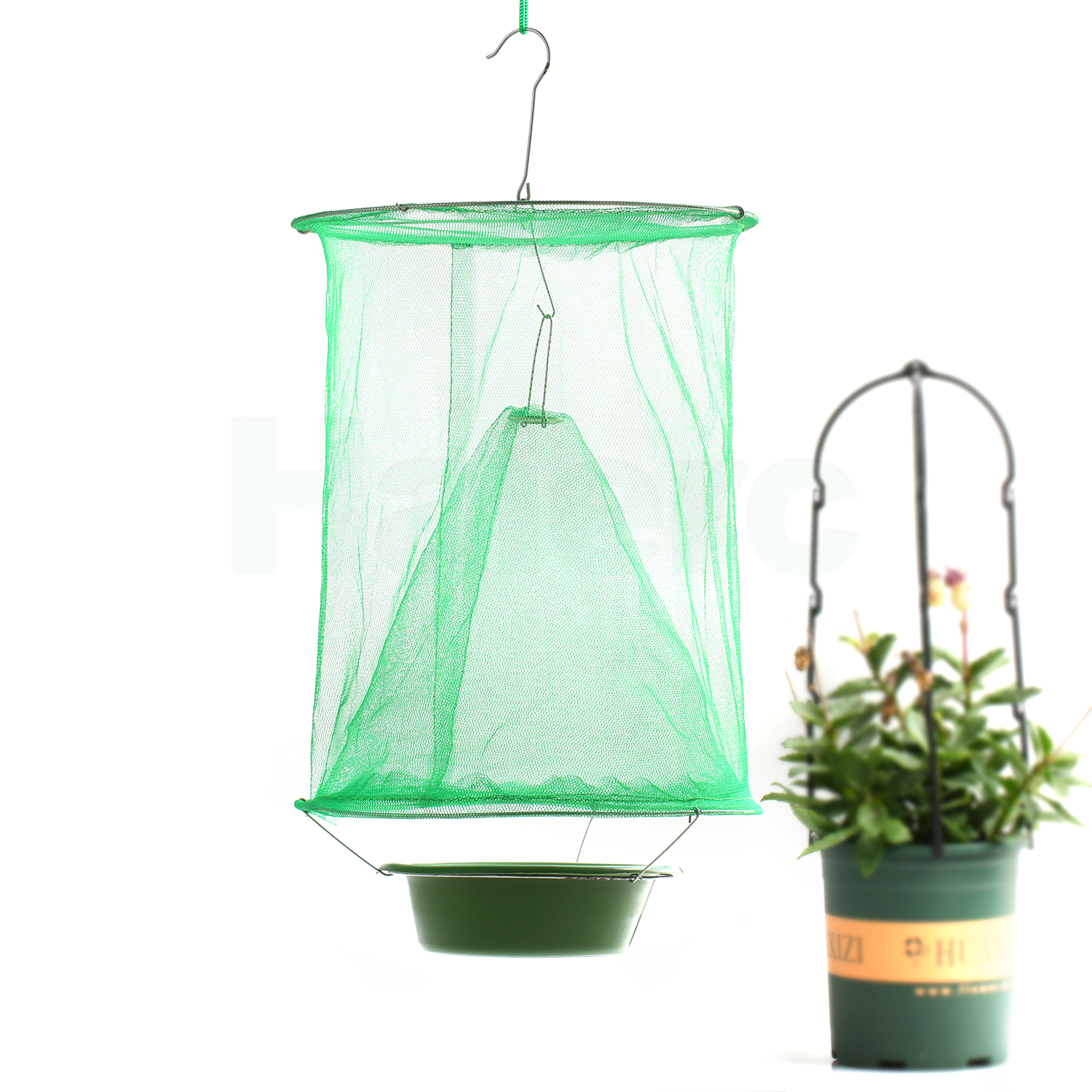
FliesTrap PCO Manufacturer — factory-direct wholesale specifications, MOQ, and export compliance for distributors.

Why FDA FSMA 2026 Mandates Non-Toxic Physical Barriers for Food Safety Compliance
FDA FSMA 2026 section 103 is a pivotal component of the Food Safety Modernization Act that establishes mandatory preventive controls for human food facilities, fundamentally shifting the industry's focus from reacting to contamination events to proactively preventing them. This regulatory evolution, specifically the Hazard Analysis and Risk-Based Preventive Controls (HARPC) provision, effectively mandates a zero-tolerance, zero-residue environment. For pest management, this means that traditional, chemically-reliant strategies are no longer sufficient or compliant. The new gold standard is a defense-in-depth approach built upon a foundation of non-toxic physical barriers and meticulously engineered food grade hardware, a domain where FliesTrap PCO Manufacturer provides industry-leading solutions.

The Paradigm Shift: From Reactive Chemical Control to Proactive Physical Exclusion
For decades, pest management in food processing, manufacturing, and storage facilities heavily relied on a perimeter defense of chemical rodenticides and broadcast insecticide applications. While often effective in reducing existing pest populations, this approach carried inherent risks of chemical cross-contamination, environmental residue, and the development of pesticide-resistant pests. The Food and Drug Administration (FDA) has recognized these risks as incompatible with the modern demands of global food safety.
The transition is not merely a suggestion; it is a regulatory imperative driven by data. According to a landmark study by the National Pest Management Association (NPMA), pest-related incidents are a significant threat to the food supply chain, with stored product pests alone contaminating an estimated 10-15% of the world's food production. The FDA FSMA 2026 requirements are a direct response to such vulnerabilities, aiming to fortify facilities from the ground up.
This shift aligns with global best practices championed by organizations like the British Pest Control Association (BPCA) and the Confederation of European Pest Management Associations (CEPA). These leading bodies have long advocated for Integrated Pest Management (IPM), a holistic methodology where exclusion and sanitation serve as the primary pillars, and chemical interventions are a measure of last resort. FSMA effectively codifies this IPM philosophy into U.S. law, making proactive, non-toxic pest control the baseline for compliance.
Deconstructing FDA FSMA 2026 Section 103: The Zero-Residue Mandate
At the heart of the new regulation is FDA FSMA 2026 section 103, which requires every registered food facility to identify potential hazards, implement preventive controls to mitigate them, and verify that these controls are effective. Pests are explicitly identified as a significant biological hazard capable of introducing pathogens like Salmonella, E. coli, and Listeria into the food production environment.
The core implications for pest management are profound:
Preventive, Not Reactive: A facility's pest management plan must demonstrate how it prevents pests from entering and establishing themselves within the facility. Simply having traps to catch pests that have already gained entry is a reactive measure and, therefore, insufficient.
Hazard Analysis (HA): Facilities must conduct a thorough analysis to identify all potential pest entry points, harborage areas, and attractants. This includes everything from loading dock doors and pipe penetrations to minute cracks in the foundation.
Risk-Based Preventive Controls (RPC): Based on the hazard analysis, facilities must deploy scientifically sound preventive controls. For pests, the most effective and compliant control is physical exclusion—using high-quality hardware to seal the facility envelope.
Zero-Residue Environment: The use of toxic rodenticide bait stations or chemical sprays within food processing areas poses an unacceptable risk of chemical residue contaminating surfaces, equipment, and the final product. Therefore, the regulations push the industry towards non-toxic pest control methods like monitoring devices, mechanical traps, and, most importantly, robust physical barriers.
The Critical Role of Non-Toxic Pest Control and Food Grade Hardware
In the context of FSMA, non-toxic pest control is an integrated strategy that prioritizes sanitation, exclusion, and monitoring over chemical application. It is a system designed to create an environment that is inherently inhospitable to pests. The cornerstone of this strategy is the physical integrity of the facility, which is maintained and enhanced through the use of specialized food grade hardware.
What defines hardware as "food grade"? It is a designation that goes far beyond simple functionality. Food grade hardware must meet stringent criteria for material composition, design, and cleanability to ensure it does not become a source of contamination itself.
Material Composition: Materials must be non-toxic, non-absorbent, and corrosion-resistant. AISI 304 and 316 stainless steel are the industry standards due to their durability and resistance to harsh cleaning chemicals and sanitizers common in food facilities.
Hygienic Design: The hardware must be free of cracks, crevices, and other imperfections where microorganisms can multiply. Welds should be continuous and polished smooth. Surfaces must be easily accessible for cleaning and inspection.
Durability and Performance: Components like door sweeps, seals, and station enclosures must withstand the rigors of a high-traffic industrial environment, including impacts from forklifts, extreme temperatures, and frequent high-pressure washdowns.
Procurement managers and distributors must now source pest control devices that are not only effective but are also constructed as true food grade hardware. A standard plastic or galvanized steel bait station, for example, may degrade, crack, or corrode, creating harborage for bacteria and violating the core principles of hygienic design mandated by FDA FSMA 2026 section 103.
FliesTrap PCO Manufacturer's Engineered Solution: Exceeding FSMA 2026 Compliance Standards
At FliesTrap PCO Manufacturer, we recognized this regulatory shift years ago and have dedicated our engineering and manufacturing processes to creating solutions that meet and exceed the forthcoming requirements. We understand that compliance is not just about avoiding penalties; it's about protecting brand reputation, ensuring consumer safety, and maintaining operational continuity. As our lead engineer often states, "FliesTrap PCO Manufacturer hardware is engineered to meet the zero-residue mandate of FSMA 2026."
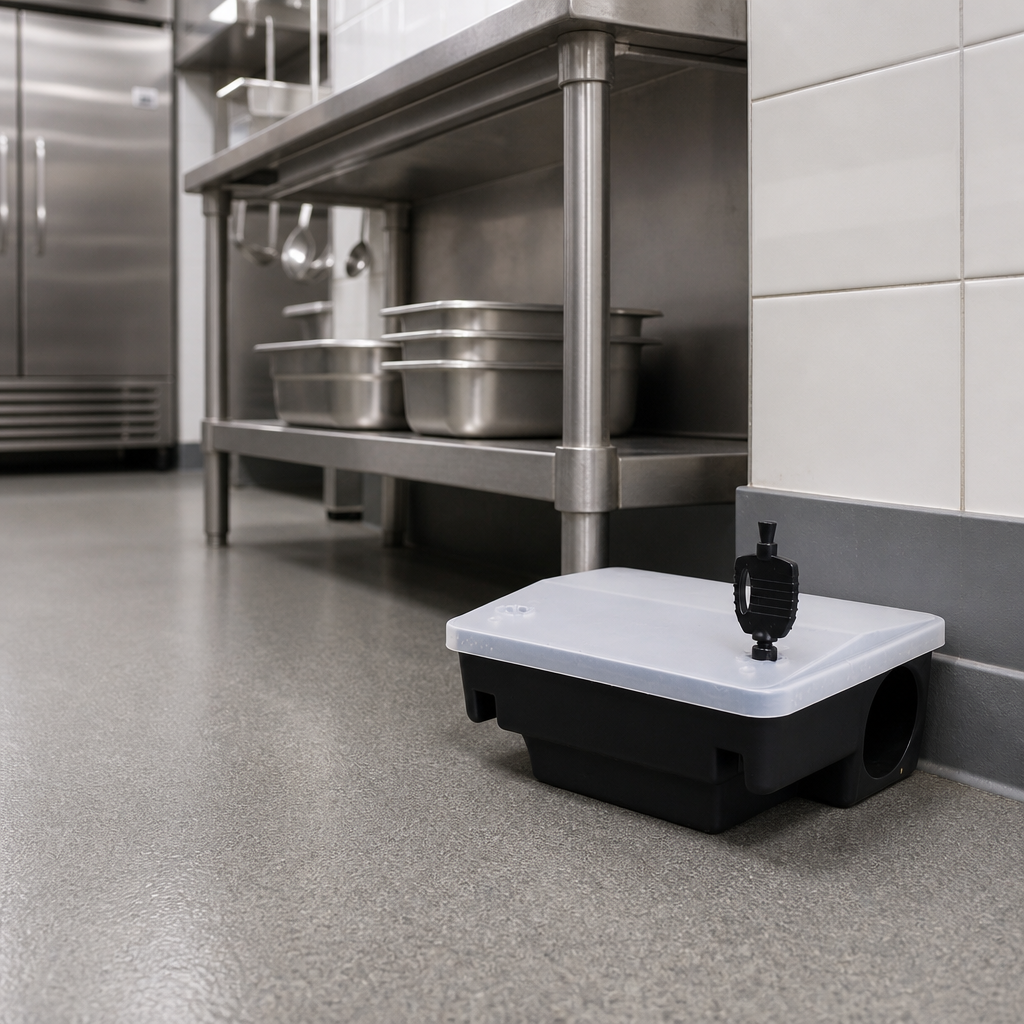
Our portfolio of pest management solutions is built from the ground up with compliance in mind. From our stainless steel rodent monitoring stations to our precision-engineered insect light traps, every product is designed to serve as a component in a facility's comprehensive preventive control plan. We focus on providing PCOs and facility managers with the tools for effective monitoring and exclusion—the essential elements of a modern, compliant non-toxic pest control program.
The Specification Breakdown: FliesTrap PCO Manufacturer vs. The Industry Requirement
To illustrate the tangible difference in quality and compliance, consider the technical specifications of FliesTrap PCO Manufacturer hardware compared to the general industry standard. For procurement professionals, these details translate directly to long-term value, lower risk, and guaranteed compliance.
| Specification | FliesTrap PCO Manufacturer Standard | Industry Requirement |
|---|---|---|
| Material Grade | AISI 316L Stainless Steel / Shatterproof Polycarbonate | Galvanized Steel / Standard Plastic / AISI 304 |
| Seal Integrity (IP Rating) | IP67 Rated Enclosures (Dust-tight & Immersion Proof) | Not Rated / IP54 (Splash Resistant) |
| Weld Type & Finish | Continuous TIG Welds, Polished to<0.8 µm Ra (Hygienic) | Spot Welds or Rivets with Crevices |
| Design Principle | Hygienic Design (Sloped Surfaces, No Niches) | Functional Design (May have harborage points) |
| Chemical Resistance | Validated against Peracetic Acid, Quats, Chlorine-based Sanitizers | Limited or Unknown Resistance |
| Third-Party Certification | NSF/ANSI Certified for Food Zone Use | Compliance Not Independently Verified |
| Lifecycle Durability | Engineered for 10+ Year Lifecycle in Harsh Environments | 3-5 Year Expected Lifecycle |
Implementing a Compliant Pest Management Program for FSMA 2026
Transitioning to a fully compliant pest management program requires a strategic, facility-wide approach. The burden of compliance rests on the food facility, making the selection of both a pest management provider and the right equipment a critical business decision.
Conduct a Comprehensive Risk Assessment: Work with a qualified pest management professional to perform a detailed inspection of the facility. This assessment, a core tenet of FDA FSMA 2026 section 103, should identify all potential pest vulnerabilities, from structural deficiencies to sanitation issues and supply chain risks.
Prioritize and Fortify Exclusion Points: The assessment will generate a prioritized list of action items. The highest priority should always be on sealing the building envelope. This involves installing durable, high-quality door sweeps, dock seals, pipe collars, and other physical barriers.
Specify and Procure Compliant Hardware: When sourcing pest management equipment, move beyond price and evaluate products based on their compliance with food safety standards. Specify food grade hardware like that offered by FliesTrap PCO Manufacturer to ensure your investment supports your FSMA plan rather than undermining it.
Integrate Hardware into a Monitoring-Focused IPM Plan: Deploy hardware strategically to monitor for pest activity. Use non-toxic monitoring stations along interior walls and sensitive areas to detect pest presence early, allowing for targeted, non-chemical interventions before an infestation can occur. This data is crucial for verifying the effectiveness of your preventive controls.
Conclusion: The Future of Food Safety is Proactive and Physical
The enactment of the FDA FSMA 2026 requirements represents the most significant evolution in food safety regulation in over 70 years. It firmly establishes that prevention is the only acceptable model for protecting the food supply. For pest management, this means the era of widespread chemical reliance is over, replaced by a sophisticated, science-led approach centered on exclusion and monitoring.
Compliance hinges on the implementation of robust non-toxic pest control programs, and the success of these programs depends entirely on the quality and design of the physical hardware used. FliesTrap PCO Manufacturer is committed to being the premier partner for food facilities, distributors, and pest management professionals navigating this new regulatory landscape. By providing intelligently designed, durable, and compliant food grade hardware, we empower our clients to build a formidable defense against pests, ensuring they not only meet but exceed the stringent demands of modern food safety.
Frequently Asked Questions
Q: What is the main difference between traditional pest control and the methods required by FDA FSMA 2026?
A: The primary difference is the shift from a reactive to a preventive model. Traditional pest control often focused on eliminating pests after they were detected, frequently using chemical rodenticides and insecticides. FDA FSMA 2026 mandates a preventive approach where the primary goal is to physically exclude pests from ever entering the facility. This requires a heavy emphasis on sanitation, facility maintenance, and the use of non-toxic physical barriers and food grade hardware for monitoring, rather than relying on chemical applications as a first line of defense.
Q: Is food grade hardware more expensive than standard pest control equipment?
A: While the initial procurement cost for high-quality food grade hardware, such as items made from AISI 316 stainless steel, may be higher than standard plastic or galvanized steel units, the total cost of ownership (TCO) is significantly lower. Food grade hardware is engineered for extreme durability, resisting corrosion from harsh cleaning chemicals and physical damage. This longevity reduces replacement frequency. More importantly, it ensures FSMA compliance, helping facilities avoid the substantial financial risks associated with regulatory fines, forced shutdowns, and product recalls, making it a sound long-term investment.
Q: Can we still use chemical treatments under the new FSMA rules?
A: The use of chemical treatments is highly restricted and should be considered a last resort under a FSMA-compliant Integrated Pest Management (IPM) plan. The regulations prioritize non-chemical and non-toxic pest control methods. If a chemical application is deemed absolutely necessary, it must be part of a documented corrective action, performed by a licensed professional, use only approved substances for the specific application area, and include rigorous verification steps to ensure no chemical residue contaminates food contact surfaces or products. Routine, preventative chemical application is generally non-compliant.
- Share this:

-



Category
Trending Now